
Backyard Office Pods – Designing a Private Workspace in Your Garden
A backyard office pod separates work from home life without a long commute. Good insulation, power and internet, daylight and a comfortable layout make it usable year round. Here is how to design, budget and permit a garden office that boosts focus and productivity.
Table of Contents
Key Takeaways:
- A garden office pod gives you a quiet, separate workspace that makes it easier to focus.
- You can customize the size, layout and finishes to fit how you work and how your garden looks.
- Good insulation, efficient windows and smart material choices keep energy use low.
- Place the pod where it gets good daylight and sits far enough from the house to cut distractions.
- Plan power and internet early, since they’re essential for a workspace you can actually use.
Benefits of Backyard Office Pods
A garden office has real advantages for anyone who works from home. Walking across the yard gives you a clear start and end to the workday, and the closed door keeps household noise out. It also feels more professional than a corner of the bedroom, which helps on video calls. Because you build or buy it for one purpose, you can set it up exactly for your work, from desk size to shelving and lighting.
Increased Privacy
An office pod in the backyard gives you privacy that a spare room inside the house often can’t. Being physically separate from the main living area cuts interruptions from kids, deliveries and pets, so you can concentrate for longer stretches. You can take calls and hold meetings without worrying about a TV in the background or a dog barking at the door.
Enhanced Focus and Productivity
A dedicated workspace in your garden also draws a clear line between work and home life. Many remote workers find it easier to get into work mode when they go to a specific place each morning, and easier to switch off when they close the door at night. That routine helps you stay on task during the day and protects your evenings from creeping work.
Designing Your Backyard Office Pod
As you start planning your pod, look at ready-made options such as Air Conditioned Pods for Indoor or Outdoor Use | Backyard … to see what’s possible. Your design should balance function with your personal taste. Include windows for daylight, soundproofing to keep noise in and out, and built-in storage so the small floor area stays clear. A compact pod of around 8 by 10 feet fits a desk, chair and shelving comfortably; go bigger if you need room for a second person or a meeting chair.
Choosing the Right Location
Choosing the right spot is one of the biggest decisions. Look for a place that offers privacy and proximity to power and Wi-Fi, since longer cable runs cost more. Watch how the sun moves across the yard: you want daylight but not direct glare on your screen, so north light or afternoon shade from trees helps. Avoid low spots where water collects, and stay clear of busy paths and play areas. Planting around the pod later will help it blend into the garden.
Selecting Materials and Aesthetics
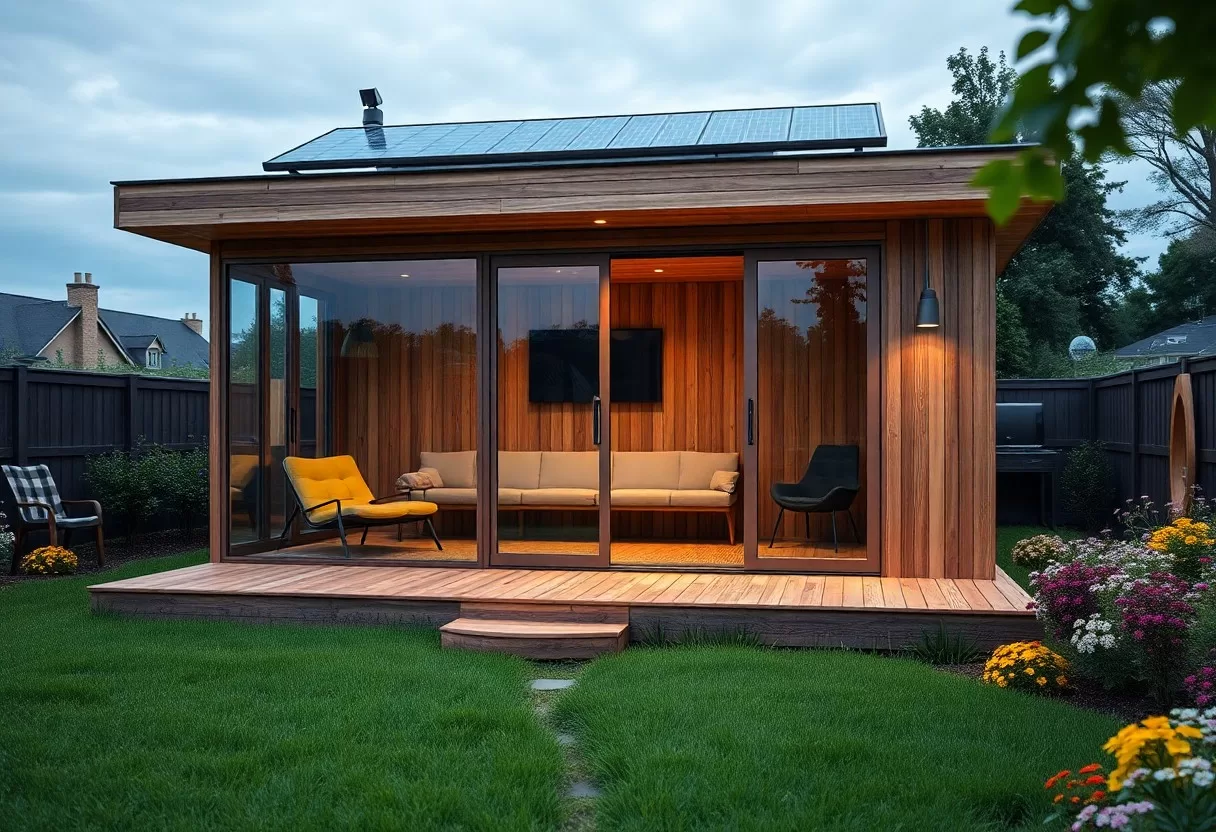
Your choice of materials sets the look and feel of the pod. Pick durable materials that stand up to rain, sun and temperature swings, and that also fit your style. Timber cladding, fiber cement and metal panels are common choices; wood looks natural but needs a protective finish every few years. Large windows or sliding glass doors connect you with the garden and make a small space feel bigger, which helps you feel less shut away while you work.
Think about how the pod will sit in its surroundings. Color palettes that pick up tones from your garden, like soft greens, grays or natural wood, help it blend in, and a green roof or stone base can add interest. Don’t skimp on insulation in the walls, floor and roof; it decides whether the pod is usable in winter and summer. Finish with personal touches, like artwork or a few plants, so the space feels motivating and relaxed.
Essential Features for a Functional Space
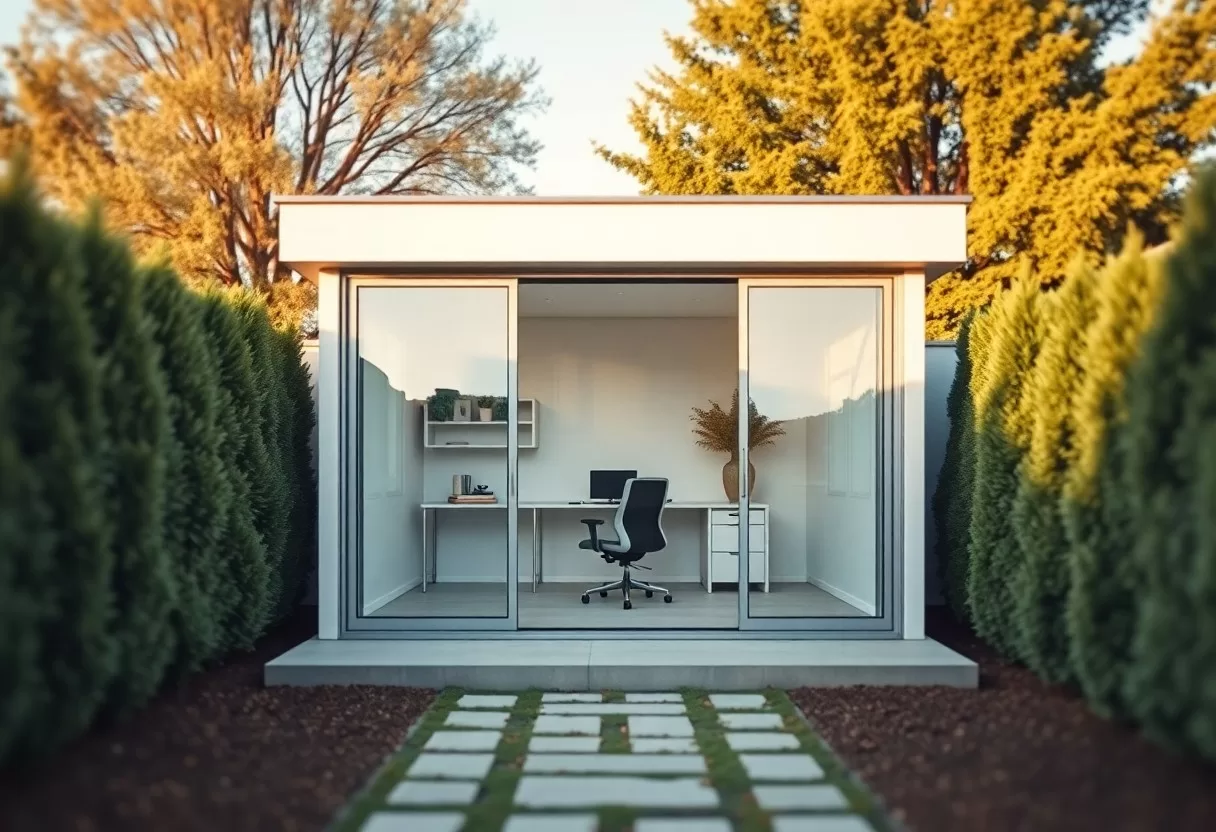
When designing your workspace, focus on the essential features that make it work day to day: natural light, good ventilation and sound insulation. Plan storage from the start so papers and gear have a home. For an example of a ready-made design, see the Garden office pod Your dedicated focus space, which offers customizable options for different needs.
Ergonomic Furniture Choices
Ergonomic furniture is essential for comfort over long workdays. Look for an adjustable chair with good lower-back support and a desk that lets you switch between sitting and standing. Set your screen so the top is at or slightly below eye level, about an arm’s length away, and keep your elbows near 90 degrees when typing. Buy the best chair you can afford; it’s the piece you’ll use most.
Technology and Connectivity
Your pod needs reliable technology and connectivity. Fast internet is a must for smooth video calls and file sharing. Plan plenty of power outlets, ideally with USB ports, at desk height so you’re not crawling under furniture. Consider noise-canceling headphones or a small speaker setup to help you focus, and add a heater or air conditioner on its own circuit if you’ll use the space year-round.
Strong connectivity makes or breaks a remote workspace. Wi-Fi from the house often weakens across a yard, so consider running an outdoor-rated Ethernet cable to the pod in a buried conduit, or use a mesh Wi-Fi system or outdoor access point to cover the distance. Test your speed at the pod before you finish the interior. A solid setup lets you join calls and upload files without lag, so the office works as well as one inside the house.
Landscaping Around Your Office Pod
Good landscaping helps the pod look like part of the garden rather than a box dropped on the lawn. Add a path that leads straight to the door, low-maintenance native plants and perhaps a small seating area for breaks. Choose features that reflect your style, and the result will feel like a calm, pleasant place to work.
Creating a Welcoming Entrance
A welcoming entrance sets the tone for your workday. You could add a simple gate, low path lights for dark winter evenings, or stepping stones that guide visitors to the door. Flowering shrubs or a trellis with climbing plants by the entrance draw the eye and make the short walk to work something to enjoy. Make sure the path is firm and non-slip, since you’ll use it in all weather.
Incorporating Greenery for Tranquility
Plants around the pod make it feel calmer and more private. Choose plants suited to your climate; fragrant herbs like lavender and rosemary are popular near doors and windows because they smell good and need little care in sunny, well-drained spots. Layer shrubs in front of taller trees to create shade and a natural screen. A dense hedge can also soften noise from the street or neighbors, though it won’t block it completely.
Greenery matters for how you feel as well as how the pod looks. Many people find that a view of plants and time outdoors helps them feel less stressed and refocus after a break. A small bed of ferns or grasses, or a few pots of succulents by the door, gives you something green to look at from your desk. Plants with fragrant flowers add another pleasant layer as you go through your day.
Budgeting for Your Backyard Office Pod
Budgeting for a garden office takes careful planning. Start by setting an overall budget, which will shape the size, materials and features you can afford. Don’t forget the extras: permits, foundations, running power and internet, and landscaping can add a lot to the total. Set aside a contingency of around 10 to 15 percent for surprises. A realistic budget from the start helps you avoid overspending and get a workspace you’ll actually enjoy.
Cost Breakdown
Your cost breakdown should cover several key elements: materials for the structure, furnishings, insulation and soundproofing, utility connections and any landscaping. Prices vary a lot by size, region and whether you buy a kit or a custom build, so get at least three quotes for each major item. Ask what is included, since some quotes leave out the foundation, electrical work or delivery. A simple spreadsheet helps you compare like with like.
DIY vs. Professional Installation
Choosing between DIY and professional installation has a big effect on your budget and timeline. Doing it yourself saves on labor, but it takes considerable time, effort and building skills. A professional install usually gives a better finish and a faster result, but it costs more. Be honest about your skills, tools and free weekends before you decide.
If you have the confidence and skills, DIY can be rewarding and lets you control every detail. Prefab kits and online guides make the job more manageable. Even so, hire professionals for anything structural or electrical; in most places, a licensed electrician must handle the power connection. Pros also know where to find cost-effective materials and how to meet local rules, which saves headaches later.
Local Regulations and Permitting
Before you set up your backyard office pod, check local regulations and get any permits you need. Local authorities often have rules on size, height, distance from property lines and how the building is used, all of which can affect your timeline and budget. Getting it right up front helps you avoid fines or being told to remove the building later.
Checking Zoning Laws
Start with your local zoning rules. They decide whether you can put an office building in your garden and under what conditions. Some areas limit outbuildings to certain parts of a lot, set minimum distances from fences, or restrict business use, especially if clients will visit. Call or email your planning department with a simple sketch; they can usually tell you quickly what applies.
Understanding Building Codes
Building codes are essential for a safe, legal installation. They set standards for construction, including structure, fire safety, accessibility and energy efficiency. Meeting them protects your investment and makes sure the pod is genuinely usable as a workspace. In many areas, small outbuildings under a certain size are exempt from a building permit, but adding electricity usually still requires an inspection.
Codes vary by location but usually cover foundation types, height limitations and electrical systems. You may need minimum insulation levels and a safe exit, and if you add plumbing, it must meet local plumbing codes. A licensed contractor who knows the local rules can help you meet these requirements smoothly and avoid costly changes later.
Room size checker
Enter a room’s dimensions to see if it meets comfortable space-planning ranges.
To wrap up
On the whole, a garden office pod is a practical way to get a productive workspace without moving or adding on to your house. Designing it around your needs means it fits your home and supports a better work-life balance. Pay attention to insulation, natural light and ergonomics to get the most from it. Investing in a separate office lets you divide work and personal life clearly while enjoying a view of your garden.
FAQ
Q: What are backyard office pods and how do they function?
A: Backyard office pods are small, self-contained buildings that give you a private workspace in your garden. Most come with essentials like insulation, power outlets and lighting, and many add heating or cooling. You get a comfortable place to work that is a few steps, rather than a commute, away from the distractions of the main house.
Q: What factors should I consider when designing my backyard office pod?
A: When designing a backyard office pod, think about size, layout, materials and insulation. Size it for your desk, storage and any video-call background you need, and plan the layout around daylight and a short cable run to power. Choose durable, weather-resistant materials that suit your garden, and insulate well, because comfort year-round depends on it.
Q: How can I ensure my backyard office pod is connected to utilities?
A: Before connecting your backyard office pod to electricity or water, check local zoning and building rules, since some areas require permits. Electrical work, usually a buried cable from your main panel, should be done by a licensed electrician. For internet, a buried Ethernet cable is the most reliable option, while mesh Wi-Fi or a cellular router can work if the pod is close to the house.
Lay out your desk and storage with the free office layout planner.
Related Guides
