
A Greener Home Office – Sustainable Products and Practices for Remote Work
Working from home is a chance to work more sustainably. A greener home office uses eco-friendly furniture, efficient lighting and electronics, low-waste supplies and plenty of daylight and plants. Here are the products and habits that cut your footprint and make the workspace healthier.
Table of Contents
Key Takeaways: Sustainable Home Office
- Use energy-efficient devices to cut electricity use.
- Choose recycled paper, refillable supplies and durable, responsibly made furniture.
- Go digital where you can and set up simple recycling bins.
- Add easy-care indoor plants to make the room calmer and greener.
- Keep the setup minimal to avoid clutter and unnecessary purchases.
Understanding Sustainability in the Home Office
Sustainability in a home office comes down to three things: what you buy, how much energy you use and how much you throw away. A sustainable home office relies on durable furniture, efficient electronics and lighting, and as little paper and packaging as possible. The good news is that most of these choices also make the room more comfortable and cut your utility bills, so they pay off in more ways than one.
The Importance of Sustainable Workspaces
A green workspace uses fewer resources, and it usually feels better to work in. Good daylight, fresh air, a supportive chair and a tidy desk make long days easier on your body and your focus. There is a practical side too: lower electricity bills, fewer supplies to reorder and less clutter to manage. If you meet clients on video calls, a calm, uncluttered background with a plant or two also makes a good impression.
Key Principles of Sustainability
The classic principles of reduce, reuse and recycle still work best, and in that order. Buying less has the biggest effect, reusing what you already own comes next, and recycling is the backup for whatever is left. When you do buy, choose durable, repairable and multifunctional pieces. Think about the whole life of a product: what it is made of, how long it will last and what happens to it when you are done with it.
To reduce, skip single-use items and impulse gadgets, and buy one good item instead of several cheap ones. To reuse, give a kitchen chair, an old dresser or a spare bookcase a second life as office furniture, and buy refurbished monitors or laptops when you can. For recycling, keep one small bin for paper and another for plastics right by your desk, and check your local rules, since what is accepted varies from town to town. Store dead batteries and old cables in a box until you can drop them at an e-waste collection point.
Eco-Friendly Furniture Choices
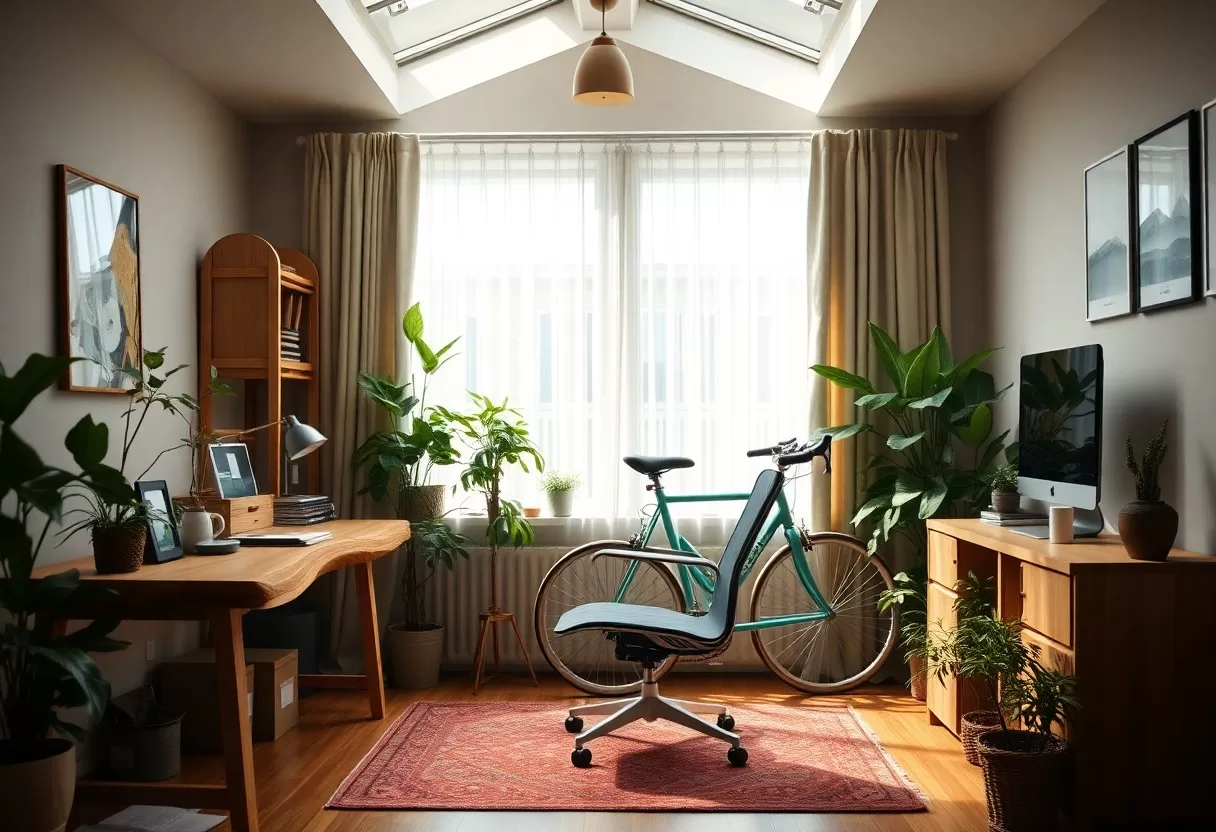
When you choose home office furniture, look first at how it is made and how long it will last. Seek out pieces built from renewable materials such as responsibly harvested wood, or from recycled metal and plastic. Solid wood can be sanded and refinished, while cheap particleboard often falls apart after a move or two. Comfort matters as much as materials. An adjustable chair and a desk at the right height will serve you for years, and buying secondhand office furniture from businesses that are downsizing is one of the greenest options of all.
Materials to Look For
Good materials to look for include bamboo, reclaimed wood and recycled metals. Bamboo is a grass that regrows quickly after harvest, which makes it a renewable choice for desktops and shelving. Reclaimed wood keeps old lumber out of landfills and has a character new wood cannot match. Steel and aluminum frames are durable and widely recyclable at the end of their life. For new wood, look for FSC (Forest Stewardship Council) certification, and for upholstered chairs, check for low-emission labels such as GREENGUARD Gold.
Sustainable Brands and Designers
Some brands put more effort into sustainability than others, so it pays to check before you buy. Large retailers such as IKEA and West Elm publish information about their materials and sourcing. Rather than trusting vague marketing words like “eco” or “green,” look for specific certifications, clear material lists, available replacement parts and the length of the warranty. A long warranty usually means the maker expects the piece to last, and furniture that lasts is the most sustainable kind.
It also helps to look at a company’s longer-term goals. IKEA, for example, has publicly committed to using only renewable or recycled materials by 2030, and West Elm sells a range of Fair Trade Certified products. Goals and labels are only a starting point, though. Read what a certification actually covers, check whether the company offers repairs or take-back programs, and remember that the most sustainable desk is often the one you already own or can find secondhand.
Energy Efficiency in Remote Work
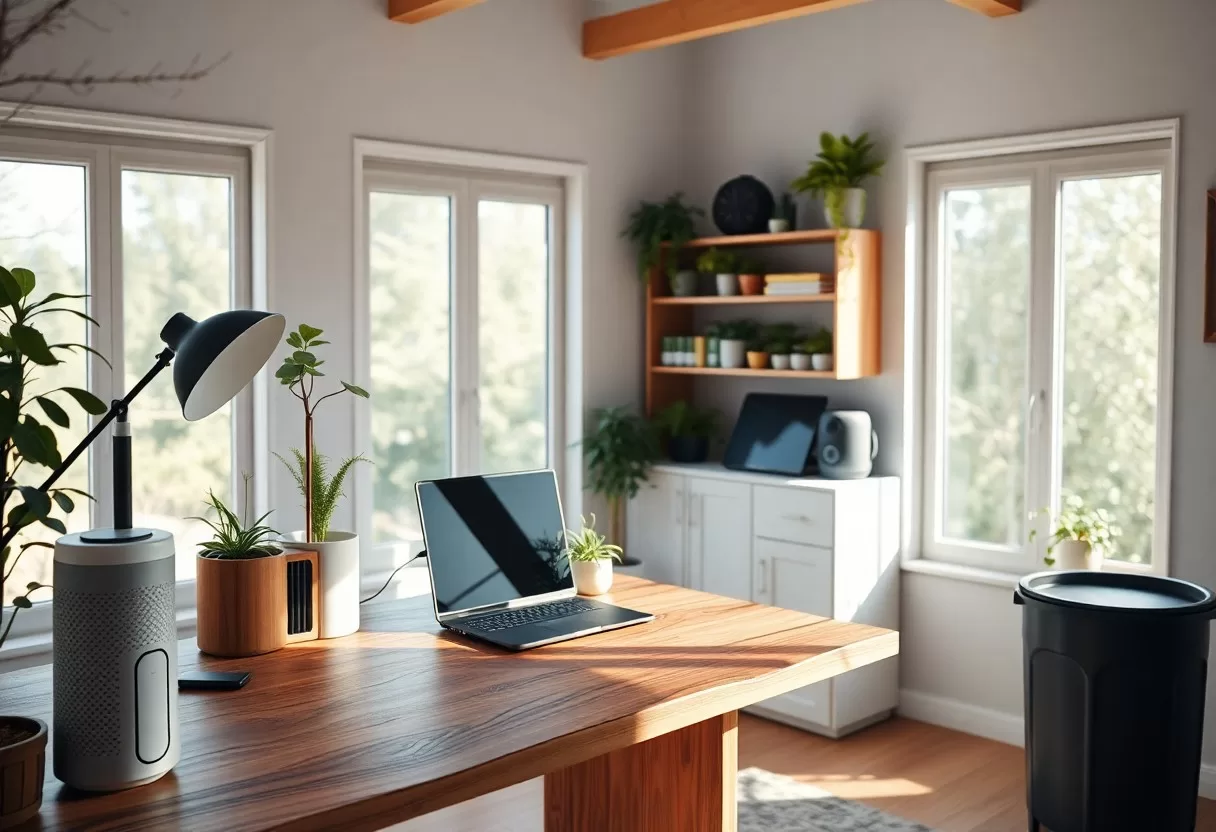
Using less energy at your desk shrinks your carbon footprint and your power bill. Paper and printing are part of the picture too, and these tips on going green with your paperwork in a remote office are a good place to start. The biggest gains usually come from heating, cooling and lighting the room you work in, so focus there first, then deal with your electronics.
Smart Home Technology
Smart home technology can make energy savings automatic. A smart or programmable thermostat lets you heat or cool your office only during work hours and ease off at night and on weekends. Smart plugs can cut power to a printer or speakers on a schedule, and motion-sensing or app-controlled lights switch off when you leave the room. On your laptop or desktop, set the screen and computer to sleep after a few minutes of inactivity.
Tips for Reducing Energy Consumption
A few simple changes cut your office’s energy use. Start by switching to LED lighting, which uses at least 75 percent less energy than old incandescent bulbs and lasts much longer. Turn on power-saving modes on your computer and monitor. Unplug chargers and devices you are not using, since many draw a little power even when switched off. Look for ENERGY STAR labels on new monitors and printers, and if your roof gets good sun, solar panels may be worth getting a quote for.
- Optimize lighting by using natural sunlight whenever you can.
- Invest in energy-efficient appliances to lower overall consumption.
- Utilize power strips to easily turn off multiple devices at once.
Keep an eye on your energy use over time. Compare your electric bill month to month, and use an inexpensive plug-in watt meter to see what your devices really draw. Set timers for things that tend to get left on, such as desk lamps, monitors and space heaters. Small changes add up, so pick one improvement each month rather than trying to do everything at once.
- Adopt a minimalist approach to home office equipment to reduce energy usage.
- Educate yourself on local energy-saving programs that may offer incentives.
- Schedule a home energy audit to find drafts and wasted energy.
Sustainable Office Supplies
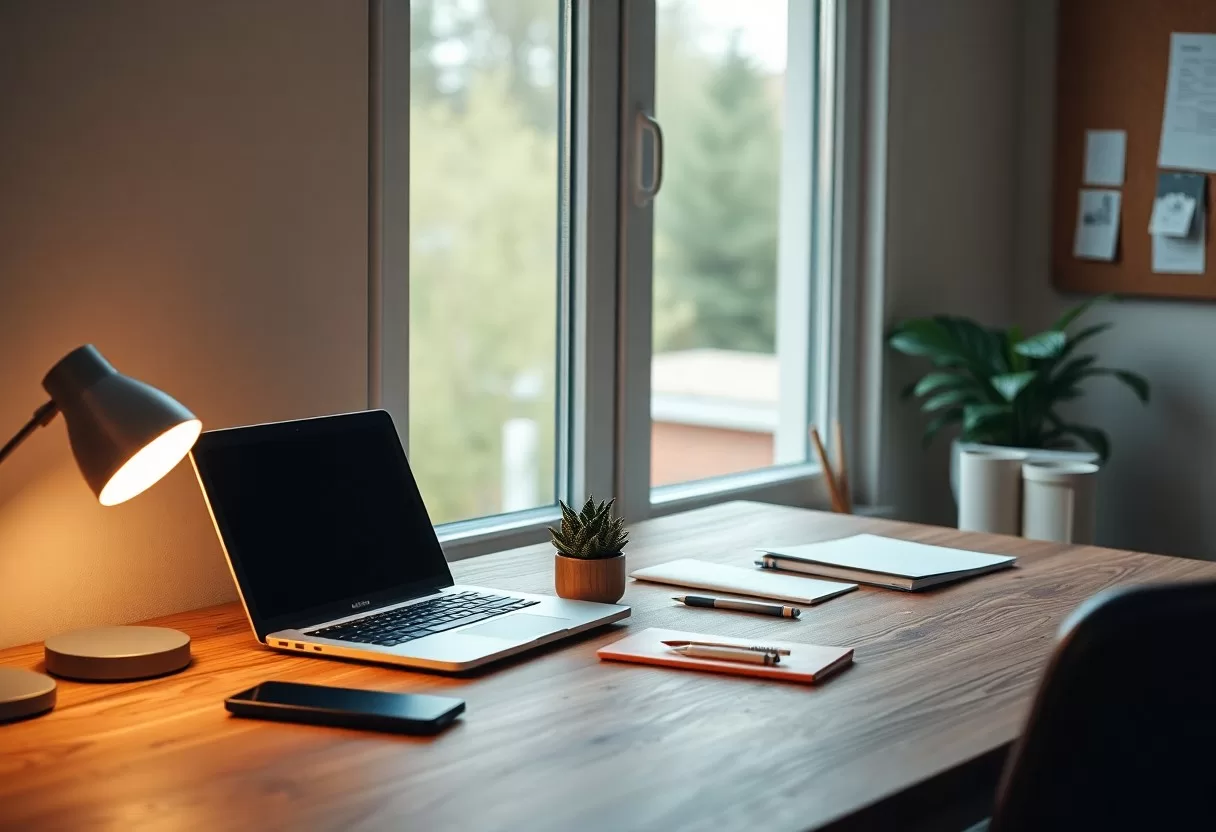
Office supplies are an easy place to make greener choices. Look for products made from recycled materials, refillable pens and markers, and items with little or no plastic packaging. Buy in sensible quantities so things do not dry out or go to waste, and favor suppliers that offer recycled or refill options.
Choosing Eco-Friendly Stationery
Choosing eco-friendly stationery starts with paper. Look for notebooks and printer paper with high recycled content or FSC certification, and pick recycled-paper sticky notes. Pens made from recycled plastics, or refillable fountain and gel pens, cut down on throwaway plastic. Each item is small, but you use them every day, so the choices add up over a year.
Digital Solutions to Minimize Paper Use
Going digital is the fastest way to cut paper use. Cloud storage services like Google Drive or Dropbox can replace most filing cabinets, and a phone scanning app turns receipts and letters into searchable files. Use digital signatures instead of printing, signing and scanning contracts. For the times you do need paper, set your printer to double-sided and draft mode by default.
You can go further with note-taking apps such as Evernote or Microsoft OneNote, which keep meeting notes, to-do lists and ideas searchable and in one place. If you freelance, electronic invoicing through tools like QuickBooks or FreshBooks replaces paper bills and makes it easier to track payments. Ask your bank, utilities and insurance companies to switch you to paperless statements. Together these steps can remove most paper from a typical home office.
Creating a Green Workspace Environment
To set up a green workspace, start with what you use every day. Choose energy-efficient lighting, durable and responsibly made furniture, and low-waste supplies. Keep paper to a minimum and the desk free of things you do not need. For more ideas, these best practices for eco-friendly remote work cover habits and tools in more detail.
Incorporating Plants and Greenery
Adding plants makes a workspace feel calmer and more pleasant, and many people find they lift their mood. Easy choices include pothos, spider plants, snake plants and ZZ plants, which handle lower light and the occasional missed watering. Succulents need a bright, sunny window. Keep plants away from electronics and set pots in saucers so water never reaches your desk.
Reducing Waste and Encouraging Recycling
Cutting waste starts with what you bring into the room. Choose reusable items such as refillable pens, a washable mug and water bottle, and cloth wipes instead of disposable ones. Set up a simple sorting system for paper, plastics and electronics so recyclables do not end up in the trash.
Look at your daily habits to find more waste to cut. Try to print less by reading and marking up documents on screen. Keep clearly labeled bins next to your desk so sorting takes no thought. For old electronics, use manufacturer take-back programs, retailer drop-off points or your local e-waste collection days. Wipe your data first, and donate working devices to schools or charities that accept them.
Health and Well-Being in a Sustainable Home Office
A sustainable home office should also be good for you. Comfortable furniture, good light and fresh air keep you healthier and more focused through the workday. When you plan the room around your body and around daylight and ventilation, you tend to use less energy and feel better at the same time.
Ergonomics and Comfort
Ergonomic furniture is worth the money if you work long hours. Choose an adjustable chair that supports your lower back and lets your feet rest flat on the floor, with your knees at about hip height. Your desk should let your elbows bend at roughly 90 degrees while you type, and a sit-stand desk lets you change position through the day. Set the top of the monitor at or slightly below eye level, about an arm’s length away. A footrest or wrist rest can ease any remaining strain.
The Role of Natural Light and Air Quality
Natural light helps keep your body clock on track, which can make it easier to stay alert during the day and sleep well at night. Fresh air matters too. A stuffy room leaves many people feeling tired, so open a window when the weather allows or run the ventilation fan. A healthy room supports both physical comfort and clear thinking through the day.
Daylight is also easier on the eyes than a dim room lit only by a screen. Place your desk near a window, ideally with the window to your side rather than directly behind or in front of you, to cut glare on the screen. On dark days, use a daylight-balanced LED lamp. Plants such as spider plants and snake plants are pleasant to have around, but you would need a great many of them to clean the air, so rely on ventilation and, if needed, an air purifier with a HEPA filter. Fresh air and good light are two of the simplest upgrades for your sustainable home office.
Device energy cost calculator
See what your smart devices, appliances or lighting really cost to run per year — including standby.
To wrap up
Creating a greener home office is good for the planet and for you. Efficient lighting, durable furniture, low-waste supplies and smart habits add up to lower bills and a more comfortable room. Start with the easiest changes, like LED bulbs, power strips and paperless statements, and add bigger ones as your budget allows. Small steps you actually keep up are worth more than a big overhaul you abandon after a month.
FAQ
Q: What are some sustainable products I can use in my home office?
A: Consider using energy-efficient LED lighting, recycled office supplies, bamboo desks, and eco-friendly laptop stands. Additionally, look for sustainable materials in furniture and storage solutions such as reclaimed wood or modular designs that minimize waste.
Q: How can I reduce my carbon footprint while working from home?
A: To reduce your carbon footprint, choose energy-efficient devices, switch off or unplug electronics when you are not using them, and go paperless with digital tools and cloud storage. Make the most of daylight so you need fewer lights, and open a window now and then for fresh air; a few indoor plants make the workspace more pleasant, though they do little for air quality.
Q: What practices can I implement to create a greener remote work environment?
A: Recycle paper and plastic, choose sustainable office supplies, buy only what you need, and set up a home composting system for food scraps. It also helps to plan regular breaks away from the screen, which is good for your eyes, your focus and a balanced workday.
Plan an efficient desk layout with the free office layout planner.
Related Guides
