
Shadow Play – Using Natural Light to Redefine Your Rooms
Light and shadow can be as powerful as furniture in shaping a room. Screens, slatted walls, textured surfaces and careful window placement create shifting patterns that make spaces feel alive. Here is how to plan rooms around natural light and use shadow as a design tool.
Table of Contents
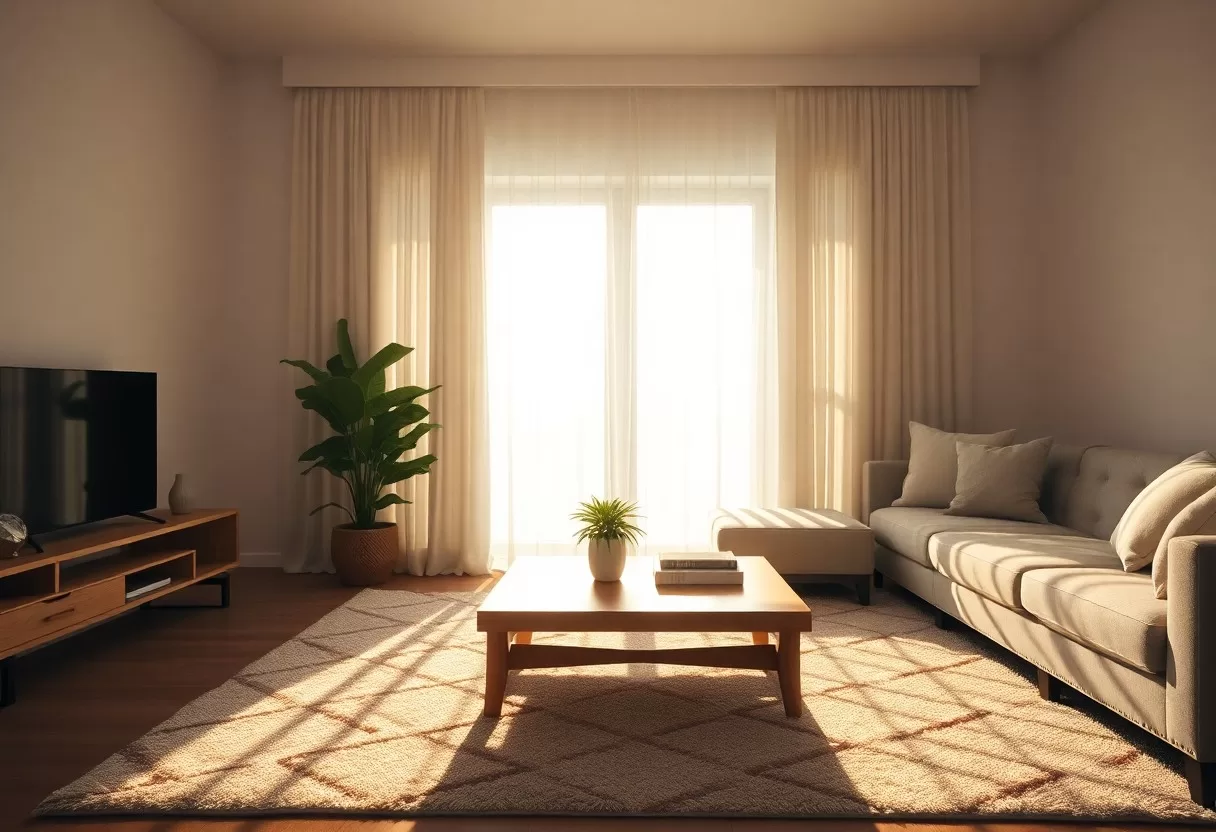
Key Takeaways: Natural Light and Shadow
- Natural light changes how a room looks and feels from hour to hour.
- Shadows help define a space, and you can shape them with furniture placement and window treatments.
- Mixing light sources and reflective surfaces creates more interesting shadow patterns indoors.
The Magic of Natural Light
Natural light changes how you see a room. It shifts through the day, from cool and soft in the morning to warm and low in the late afternoon, and each change alters colors, textures and the apparent size of the space. Working with natural light and shadow, rather than fighting them, gives you rooms that feel open and comfortable without extra decoration.
The Impact of Light on Perception and Emotion
Light shapes how you perceive a room and how you feel in it. Bright daylight tends to feel energizing, while dim, warm light feels relaxing in the evening. Daylight also helps set your body clock, which is one reason many people feel more alert and sleep more regularly when they get morning light. That makes lighting worth planning early, not as an afterthought.
Harnessing the Power of Daylight in Interior Spaces
Bringing more daylight into your rooms changes how you use them. A mirror placed to catch sunlight, or sheer curtains instead of heavy drapes, lets light travel deeper into the space and creates soft patterns of light and shade. More daylight also means fewer lamps switched on during the day and a stronger sense of connection to the outdoors.
Start by checking your room’s orientation and how the light changes with the seasons. In the Northern Hemisphere, south-facing windows get the most sun in winter, and a roof overhang or awning can shade them in summer when the sun is high. North light is cooler and steadier, which suits studios and workspaces. Skylights and light wells can bring daylight into dark hallways or bathrooms, and light-colored, reflective surfaces help spread it around.
Spend a day watching the room before you change anything. Note where the sun lands at around 9 a.m., noon and 4 p.m., and take a quick photo each time. Those photos show you where glare will hit a TV or screen, which corner stays dim, and where a reading chair would get good light. Repeat the exercise in winter if you can, since the sun sits much lower then.
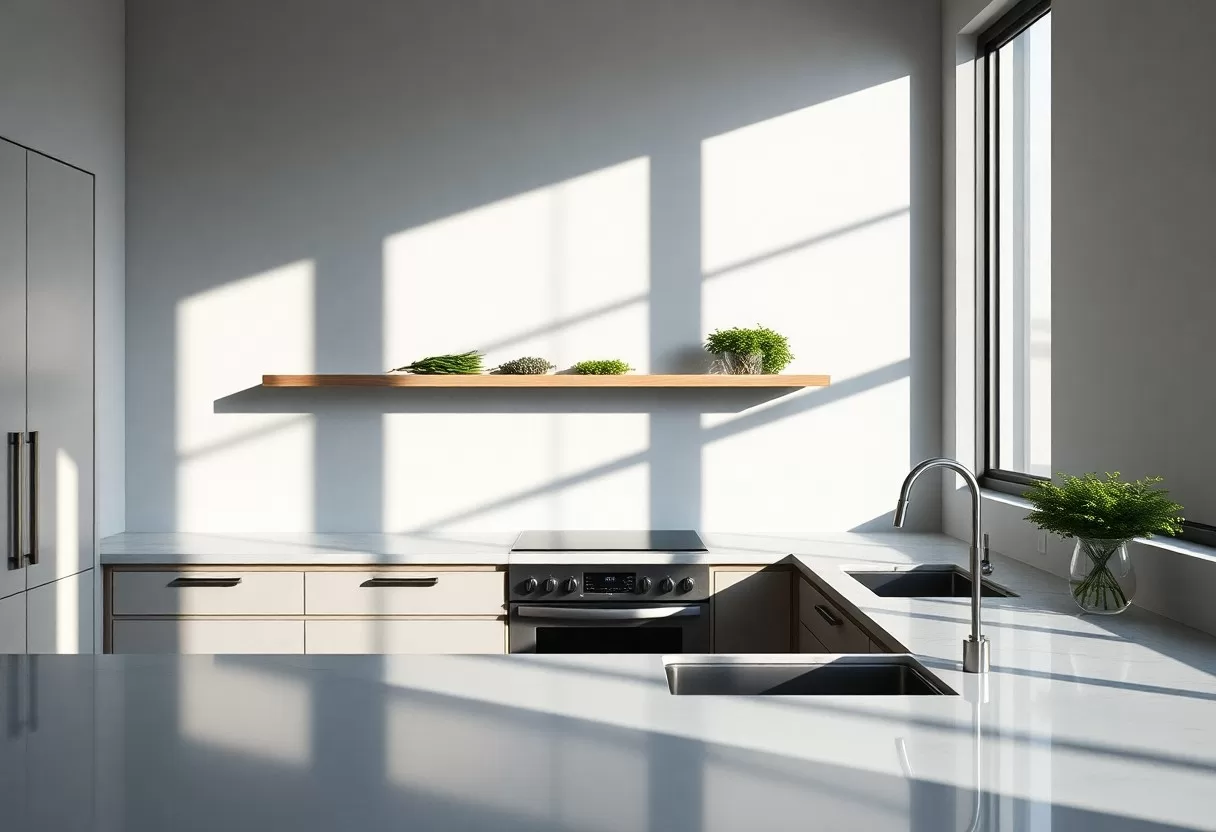
Crafting Shadows: Design Techniques
Good shadow play is planned. Furniture placement, color and fabrics all affect where shadows fall and how strong they are, so you can use them to add depth and shape to a room. Once you understand how sunlight moves across your space during the day, you can place pieces where their shadows add interest instead of making corners feel gloomy.
Sculpting Spaces with Light and Dark
Contrast is one of the simplest tools. Light walls with darker furniture or accessories make shapes stand out and draw the eye to focal points. Side light from a window grazes across textured surfaces, so a woven rug or plaster wall shows more detail in the morning or late afternoon. That play of light and dark gives a room depth without any extra objects.
Utilizing Architectural Features for Enhanced Shadow Play
Architectural features have a big effect on shadows. Ceiling beams, molding, window reveals and alcoves all cast their own lines and shapes, which give a room character. Place furniture or decor close to these features so their shadows frame them, rather than blocking the light that makes them interesting.
Look at your room’s architecture when you plan for shadow. Deep window sills and decorative ledges create strong lines where light meets shade, which make natural spots for art or a favorite object. Textured walls catch light unevenly and add soft, complex shadows. Even a plain room can gain rhythm from simple additions, like wood slats, open shelving or a carved screen, that break sunlight into patterns.
Color and Texture: The Companions of Light
Color and texture strongly affect how natural light behaves in a room. Warm hues can make sunlight feel even warmer, while textured surfaces catch and scatter light. Together they set the mood and the sense of depth, so it pays to choose them with your actual light in mind rather than from a paint chip under store lighting.
Choosing the Right Palette for Illumination
Choose colors that suit the light you have. Pale colors and whites reflect sunlight and make a room feel airy, while deeper shades absorb light and feel warmer and more enclosed. North-facing rooms get cool, even light, so warm whites and creamy tones often look better there. South-facing rooms can handle cooler colors because the light is already warm. Always test a large paint sample on two walls and check it morning and evening.
Textural Elements That Enhance Natural Light Dynamics
Mixing textures makes natural light more interesting. Woven fabrics, textured wallpaper and matte finishes soften light, while glossy surfaces like glass, lacquer or polished wood reflect it. Balancing the two lets you control where light bounces and where it rests, so the room doesn’t feel flat or glaring.
Texture also does practical work. A rough stone or brick wall creates strong shadow patterns and looks warm in low sun, while linen or sheer drapery filters harsh light into a softer glow. Wood, metal and textiles each reflect light differently, so you can use them to steer light across a room. Layering these materials thoughtfully makes a space feel larger and more lived-in.
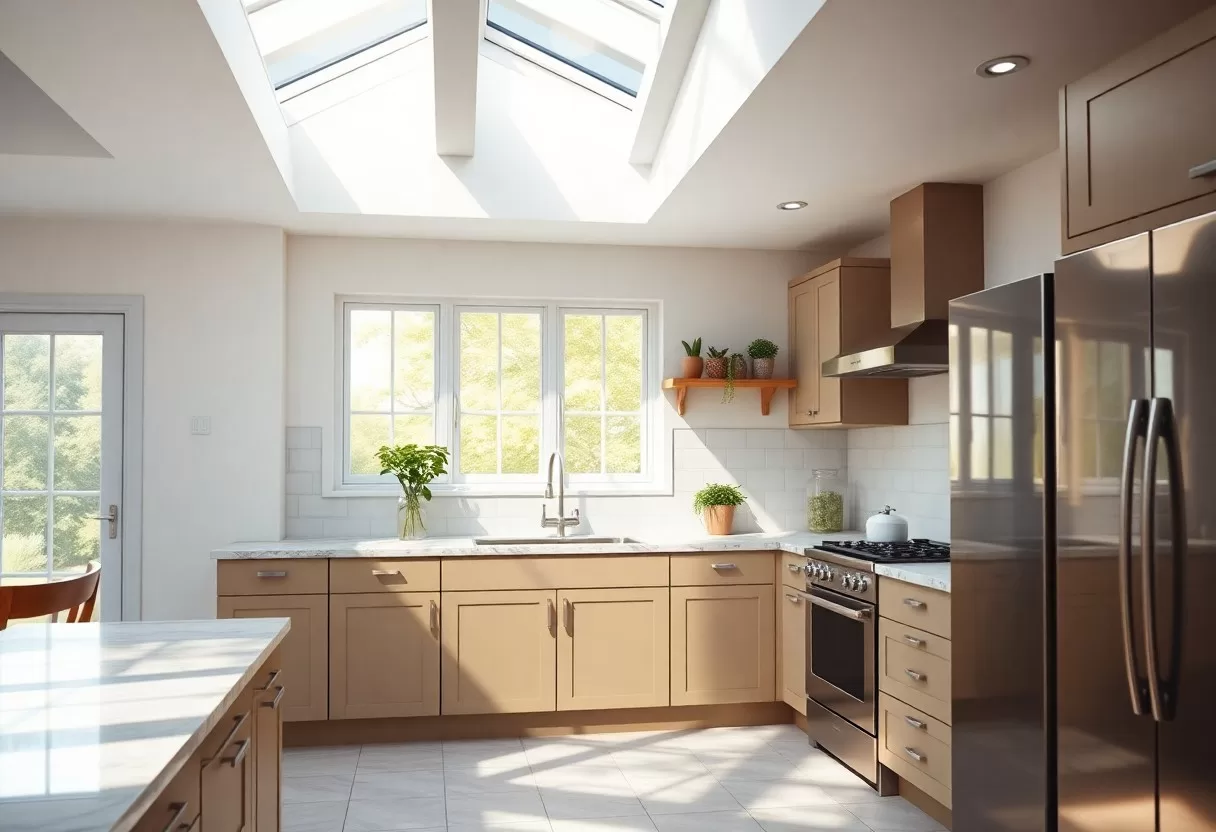
Planning Your Space Around Light
Your layout decides how natural light flows through a room. First identify every light source, including windows, glass doors and skylights, and watch how sunlight moves through the day. Note which areas get direct sun and which stay in shade. With that in mind, plan furniture, art and colors to suit the light you have, so the room feels bright where you need it and calm where you rest.
Positioning Furniture for Maximum Light Exposure
Arrange furniture to make good use of sunlight. A sofa or chair near a window makes a natural reading spot, but turn screens and TVs away from bright windows to avoid glare. Mirrors and glass tables bounce light deeper into the room. Lighter upholstery and decor help spread daylight around and keep the space feeling open. Keep tall furniture off window walls so it doesn’t block the light.
Mirror placement matters more than size. A large mirror on a wall beside the window, rather than directly opposite it, spreads light across the room without bouncing glare straight back at you. In a narrow hallway, a mirror at the far end draws light along the space and makes it feel longer and brighter.
Seasonal Adjustments: Adapting to Changing Light Conditions
As the seasons change, so do the angle and strength of sunlight. In winter, move a favorite chair closer to the window to catch the short daylight hours. In summer, shift seating out of the hot afternoon sun or add shade. Small changes like these keep your rooms comfortable and pleasant all year without a full redesign.
Adjustable window treatments make seasonal changes easy. Blinds, shades and sheer curtains let you control how much light gets in. In autumn and winter, open curtains wide during the day to let sunlight warm the room, then close them at night to hold the heat. In summer, close them during the hottest hours to keep rooms cooler. Moving plants and accessories with the light also helps, since most houseplants need a bright spot near a window.
The Sustainability Edge: Energy Efficiency Through Natural Illumination
Using more natural light also improves energy efficiency. The more daylight you have, the less you depend on electric lighting during the day, and that lowers your electricity use. How much you save depends on your climate, the size of your windows and how you use each room, but well-planned daylight is one of the simplest ways to cut lighting costs.
Reducing Energy Costs with Strategic Lighting
Well-placed windows and reflective surfaces keep lighting costs down. Design rooms so daylight reaches the places you use most during the day, and you will rarely need lamps before evening. In a dark central hallway or bathroom, a skylight or tubular daylight device can bring in light where a window isn’t possible. Choose good-quality glazing so the extra glass doesn’t lead to heat loss in winter or overheating in summer.
The Environmental Benefits of Embracing Natural Light
Natural light helps the environment as well as your bills. Every hour that daylight replaces electric light reduces demand on the power grid and, depending on how your electricity is generated, cuts greenhouse gas emissions. Small habits help too, like opening blinds before reaching for the light switch and turning off lamps in rooms that are already bright.
Buildings designed for good daylight generally use less electricity for lighting. Larger or better-placed windows, open plans that let light travel, and light shelves or reflective ceilings all help. Daylight is also one of the factors considered by green building programs such as LEED, which can be a selling point for a well-designed home. And a bright, efficient house is simply more pleasant to live in.
Final Words
Natural light and shadow can change the feel of your rooms at very little cost. Place furniture with the sun in mind, use reflective surfaces carefully, and add textures and features that catch light in interesting ways. Watch how the light shifts through the day and across the seasons, and experiment until each room works for you. You’ll end up with a home that feels brighter, calmer and more inviting.
Q: What is shadow play and how can it enhance my room?
A: Shadow play is the use of natural light and shadow to create depth and interest in a room. By manipulating the position of curtains, furniture, and light sources, you can produce dynamic patterns that change throughout the day, adding visual intrigue and a sense of warmth to your space.
Q: How can I effectively use different times of day for shadow play?
A: Different times of day offer varying qualities of natural light. Early morning light is soft and diffused, while midday sun creates strong, defined shadows. By observing how light enters your space at different times, you can rearrange elements like art and furniture to maximize the impact of shadows during those times.
Q: What are some simple techniques to enhance shadow play in my home?
A: You can enhance shadow play by using sheer curtains to filter light, placing reflective objects near windows to bounce light, and incorporating plants to create interesting shapes with their shadows. Experimenting with furniture placement can also change how shadows are cast, providing a unique atmosphere in each room.
Test window placement and orientation in the free 3D house layout planner.
Sun angle & roof overhang calculator
Size an overhang that blocks hot summer sun but lets low winter sun warm your rooms.
Frequently Asked Questions
How can I use shadows in interior design?
Use slatted screens, perforated panels, plants and textured walls near windows to cast patterns. Light-colored surfaces show shadows best, and changing the angle of blinds lets you adjust the effect through the day.
Which rooms benefit most from natural light design?
Living rooms, kitchens and home offices benefit most because they are used during the day. Bedrooms need softer, controllable light, so layered window treatments work better there.
Does natural light really affect mood?
Yes. Daylight helps regulate circadian rhythms, which affects energy, mood and sleep. Rooms with good daylight tend to feel more pleasant and spacious.
Related Guides
