
Battery‑Powered Houses – Residential Energy Storage Systems Explained
Home battery storage lets you save solar energy for the evening, ride through power outages and reduce peak electricity costs. Here is how residential batteries work, the main technologies, what they cost and how they integrate with solar panels and the grid.
Table of Contents
Key Takeaways:
- Battery-powered houses use residential energy storage systems to store electricity from solar panels or the grid.
- These systems let you lean less on the grid and keep the lights on during outages.
- Batteries let you shift energy use to cover expensive peak hours and power cuts.
- Incentives and falling prices are making battery storage easier to justify.
- Pairing batteries with solar panels gets the most value from both.
Understanding Battery‑Powered Houses
Definition and Importance
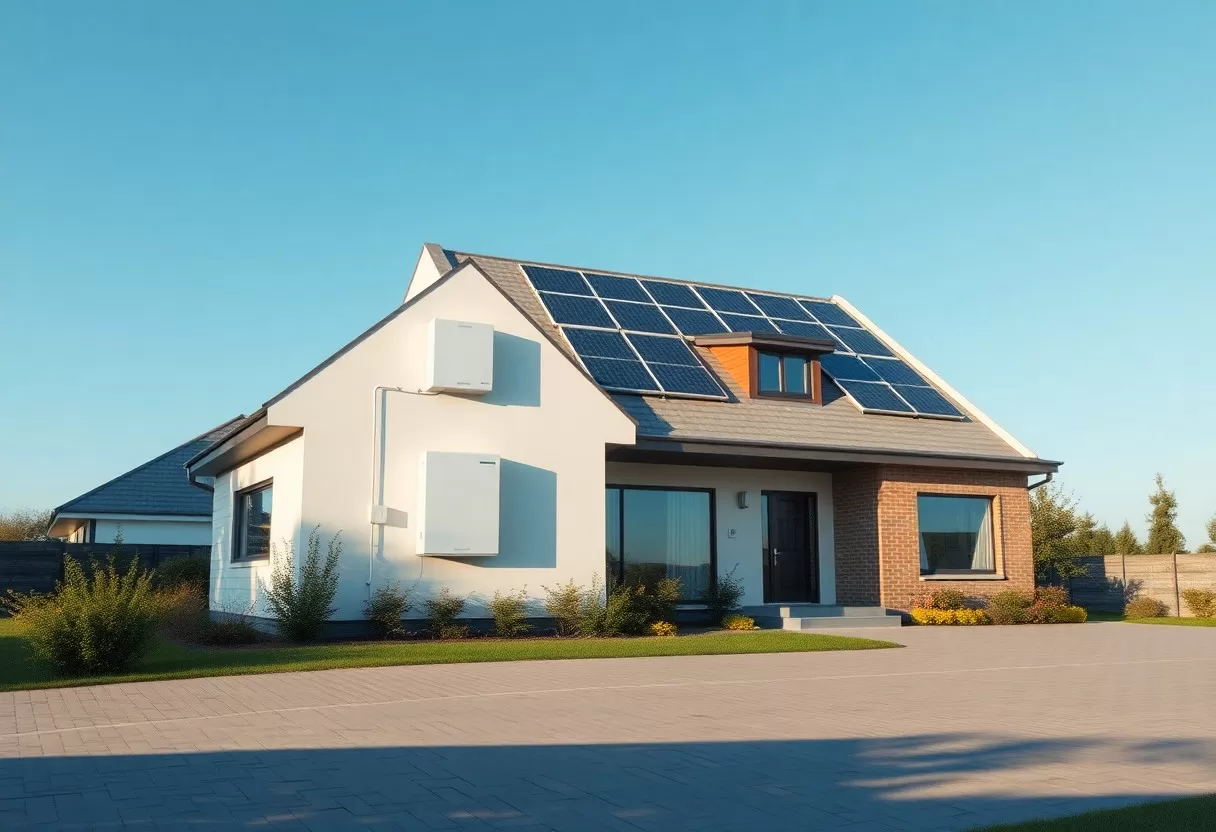
Battery-powered houses use residential energy storage systems to store electricity from solar panels or the grid, then supply it when demand peaks, rates are high or the power goes out. That gives you more control over your energy costs and keeps key circuits running during outages, so you rely less on the utility for every kilowatt-hour.
Key Components of Residential Energy Storage Systems
The main components of residential energy storage systems are the batteries, inverters, charging systems and monitoring software. Together they capture, store and manage energy, so your home can draw on the cheapest or cleanest power available at any moment. Most systems also include a transfer switch or gateway that isolates your home from the grid during an outage.
Most home systems today use lithium-ion batteries, valued for their efficiency and long life, and a typical unit stores around 5 to 15 kWh. An inverter converts the stored DC electricity to the AC power your appliances use. The charging system connects to your solar panels or the grid, and monitoring software lets you track usage, change settings from your phone and spot patterns in your consumption. To size a battery, list the loads you want to keep running in an outage, such as the fridge, lights, internet and furnace fan, and add up their daily use.
Types of Battery Storage Technologies
Home battery storage systems come in a few technologies, each with strengths suited to different needs. The most common types include:
- Lithium-Ion Batteries
- Lead-Acid Batteries
- Nickel-Cadmium Batteries
- Flow Batteries
- Sodium-Ion Batteries
Knowing the pros and cons of each helps you choose the best option for your home. For a deeper comparison, see Home battery storage explained.
| Lithium-Ion Batteries | High energy density, longer lifespan, and efficiency. |
| Lead-Acid Batteries | Cost-effective but shorter cycle life and efficiency. |
| Nickel-Cadmium Batteries | Durable and reliable but less common due to disposal issues. |
| Flow Batteries | Scalable and suitable for large storage needs. |
| Sodium-Ion Batteries | Emerging technology with potential for lower costs. |
Lithium-Ion Batteries
Lithium-ion batteries are the most common choice for home energy storage thanks to their high energy density and efficiency. They last longer and handle far more charge cycles than older types, which suits daily use. Many home units now use lithium iron phosphate (LFP) chemistry, known for its thermal stability and long cycle life. Their compact, wall-mounted design makes installation flexible in a garage, utility room or on an outside wall.
Lead-Acid Batteries
Lead-acid batteries are still used in some homes because they cost less up front. However, they have a shorter lifespan and a lower depth of discharge, which means you can only use part of their capacity without damaging them. Over the long run, they are usually less efficient and less reliable than lithium-ion.
Though lead-acid batteries appeal to budget-conscious homeowners, their performance has limits. They often last roughly 3 to 5 years in regular cycling. Flooded types also need maintenance, including checking electrolyte levels and occasional equalization charging, plus good ventilation because they can release hydrogen while charging. Today they make the most sense for small off-grid cabins or backup setups that are rarely used.
Benefits of Energy Storage in Homes
Adding energy storage to your home brings several advantages. You can use stored energy during peak hours, lean less on the grid and keep a closer eye on costs. A battery also makes your home more resilient during outages, and when it stores solar power, it lowers your carbon footprint too.
Energy Independence
With solar panels and storage, you can produce and store your own electricity, which gives you more energy independence. You depend less on the utility and are less exposed to rising rates. During an outage, a properly installed system keeps critical loads running. Keep in mind that a single battery usually can’t run central air, an electric range and a dryer at once, so plan which circuits it backs up.
Cost Savings and Efficiency
Residential energy storage systems can bring real cost savings, especially where utilities charge more in the evening. By storing cheap off-peak power or extra solar energy, you buy less electricity when rates are highest. Time-of-use settings let the battery charge and discharge automatically on the best schedule. How much you save depends on your rate plan, your usage and whether you have solar, so ask your installer to model it with your actual bills.
These systems also make your energy use more efficient. When peak prices soar, you can draw from your stored energy instead of the grid. Payback periods vary a lot. Where rates are high, time-of-use gaps are wide or incentives are generous, solar plus storage can pay off faster, while in low-rate areas the main benefit may be backup power rather than savings. For many households, peace of mind during outages is worth as much as the bill savings.
Challenges and Considerations
Battery-powered houses have clear benefits, but they also come with challenges you should weigh before you buy. The main ones are the initial investments, ongoing maintenance and the lifespan of the batteries themselves, all of which affect your long-term plan.
Initial Investment
The upfront cost of residential energy storage systems can be substantial, often running from several thousand to well over ten thousand dollars depending on capacity, brand and how much electrical work your home needs. State and utility incentives may help offset the cost, so check what applies in your area, get at least three quotes and weigh your expected savings against the upfront price.
Maintenance and Lifespan
Maintenance and lifespan matter when you invest in battery storage. Most lithium-ion home batteries are designed to last around 10 to 15 years, and many come with a 10-year warranty. They need little hands-on care, but keep the firmware updated and watch the app for alerts. Ignoring warnings can lead to lower performance and costly repairs.
Build a quick check into your routine every few months: look at the battery’s state of health in the app, make sure vents are clear and confirm the unit isn’t sitting in extreme heat or cold. Read the warranty closely. Many guarantee a certain share of the original capacity after a set number of years or a set amount of energy throughput, and coverage ends at whichever limit comes first. Knowing those terms helps you avoid surprise costs later.
Integration with Renewable Energy Sources
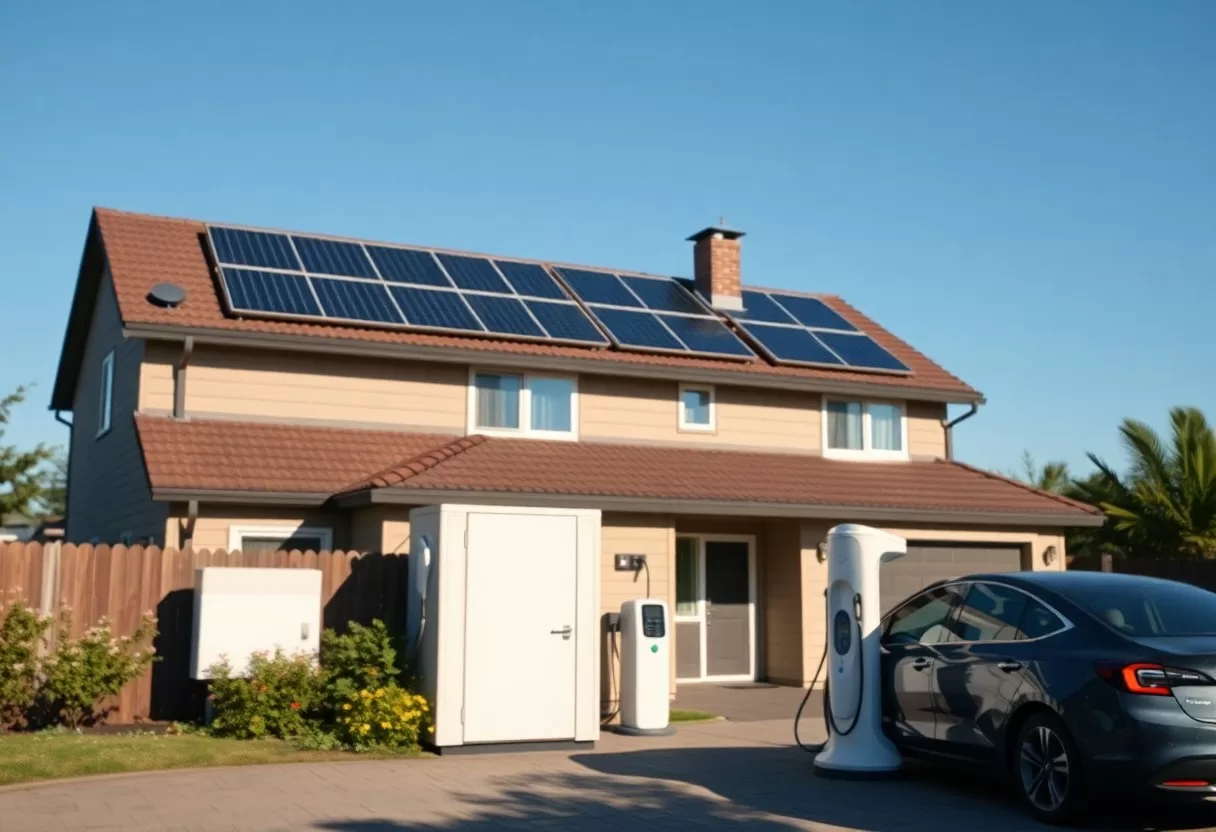
Pairing battery storage with renewable energy sources gets the most out of both. With residential energy storage solutions, you can store extra energy produced at peak times and use it later, which cuts your reliance on the grid and lowers your energy bills.
Solar Power Systems
Your solar power system benefits the most from battery storage. Solar panels produce most of their power around midday, when many homes use little. A battery stores that surplus so you can use it in the evening, at night or on cloudy days instead of exporting it. That matters most where your utility credits exports at less than the retail rate. If you’re installing solar now, ask about a hybrid inverter, which makes adding a battery later easier.
Wind Energy Compatibility
Battery storage also works well with home wind turbines. When your turbine produces more electricity than you need, the extra charges the batteries, and you draw on that stored power when the wind drops. This keeps your supply steady. Small wind only makes sense on sites with strong, consistent wind and enough open space, so check local zoning and get a site assessment first.
Wind is more variable than sunshine, so a battery is especially useful here. It stores energy during windy periods and covers the lulls, which makes your supply more reliable and gets more value from your turbine. Some rural homes combine wind, solar and storage, since in many areas wind picks up in winter and at night, when solar output is low.
Future Trends in Residential Energy Storage
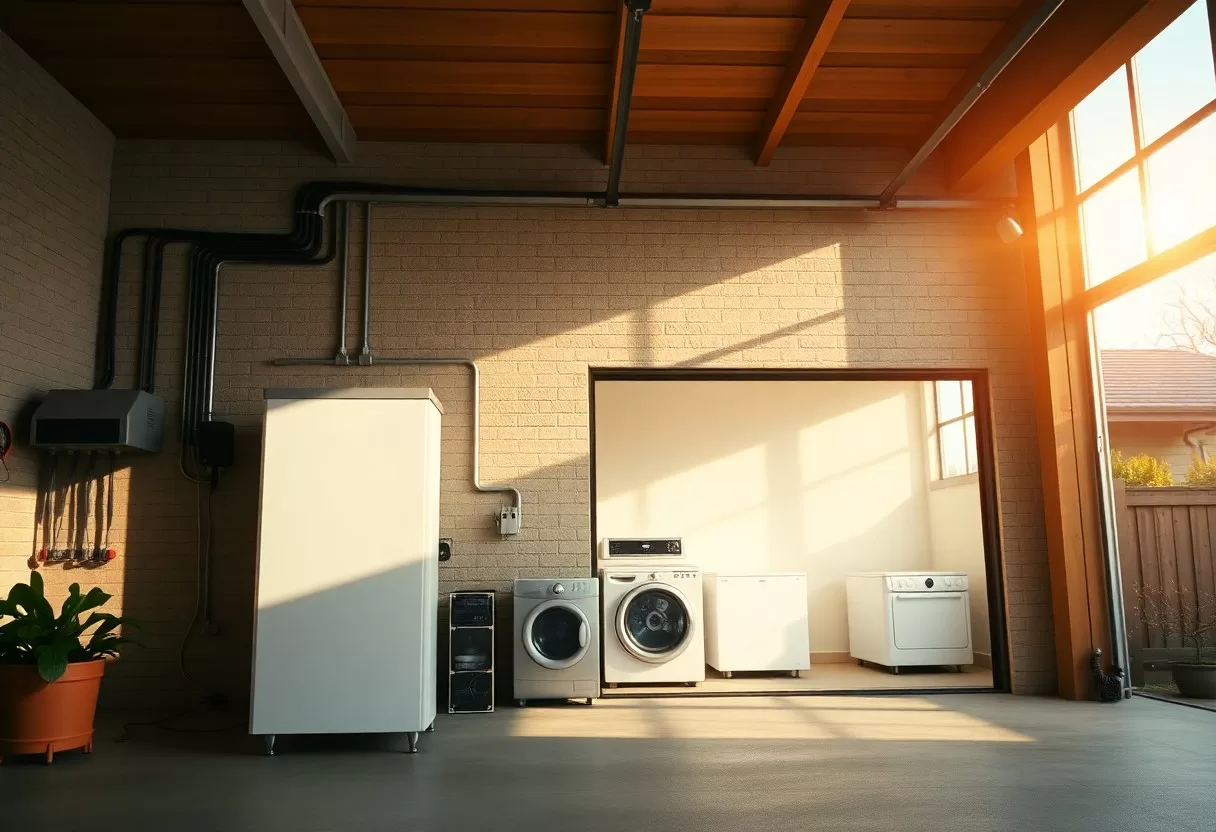
As demand for clean energy grows, residential energy storage is changing quickly. Expect steady improvements in battery technology, with better efficiency and lower costs. New business models, such as leasing or energy-as-a-service, may change how you pay for these systems. Smart home integration is also getting better, letting your battery, thermostat, EV charger and appliances work together and making it easier to track consumption.
Advancements in Technology
Newer technology may change home storage further. Solid-state batteries, still mostly in development, aim to offer better safety and higher energy density than today’s lithium-ion cells. Systems using artificial intelligence can already forecast your usage and the weather, then decide when to charge and discharge. Some utilities also pay homeowners to share stored power during grid emergencies through virtual power plant programs.
Policy and Market Developments
Clean energy policies are helping the residential storage market grow. State and local incentives and rebates can cut the upfront cost. In many regions, net metering and feed-in tariffs let you earn credit for excess solar power sent to the grid. Changes to these rules are a big reason storage is becoming more attractive, since storing your own power can be worth more than exporting it.
Recent changes in rules and utility programs have made storage more accessible. In California, for example, the Self-Generation Incentive Program (SGIP) offers rebates for home battery systems, with larger amounts for some lower-income households and homes in high fire-risk areas. States like Massachusetts and New York have set energy storage deployment targets, which supports a healthy market. These programs can improve your return from home energy storage and support a more resilient grid. Incentives change often, so check your state energy office and your utility for current offers before you sign a contract.
Solar panel size & payback calculator
Estimate the system size, number of panels and payback time for your home.
Conclusion
Battery-powered houses with residential energy storage systems let you use renewable energy more fully and rely less on the grid. They help you manage consumption, lower utility costs and keep power on during outages. Start by reviewing your bills and outage history, decide what you want to back up, and compare quotes from licensed installers. Done right, a battery makes your home more self-sufficient and more sustainable.
FAQ
Q: What are battery-powered houses?
A: Battery-powered houses utilize energy storage systems, primarily lithium-ion batteries, to store electricity generated from renewable sources, such as solar panels. This stored energy can be used during peak hours, at night, or during power outages, enhancing energy independence and reliability.
Q: How do residential energy storage systems work?
A: Residential energy storage systems charge during periods of low electricity demand or when excess renewable energy is produced. The stored energy can then be utilized during high-demand periods, reducing reliance on the grid and potentially lowering energy bills. These systems often include inverters to convert DC electricity stored in batteries into AC power suitable for home use.
Q: What are the benefits of installing a battery storage system in my home?
A: Installing a battery storage system provides multiple benefits, including energy cost savings by maximizing self-consumption of solar energy, increased energy resilience during outages, potential for grid services participation, and reduced carbon footprint by utilizing renewable energy effectively.
Estimate your savings from storage and efficiency with the energy efficiency savings calculator.
Related Guides
