
Catios & Outdoor Cat Enclosures – Safe Adventures for Your Feline Friends
A catio lets your cat enjoy fresh air and outdoor stimulation without the risks of traffic, predators or toxic plants. The best enclosures are predator-proof, escape-proof and full of enrichment, with shade, shelter and paw-friendly surfaces. Here is how to plan, build and maintain a safe outdoor space for your cat.
Table of Contents
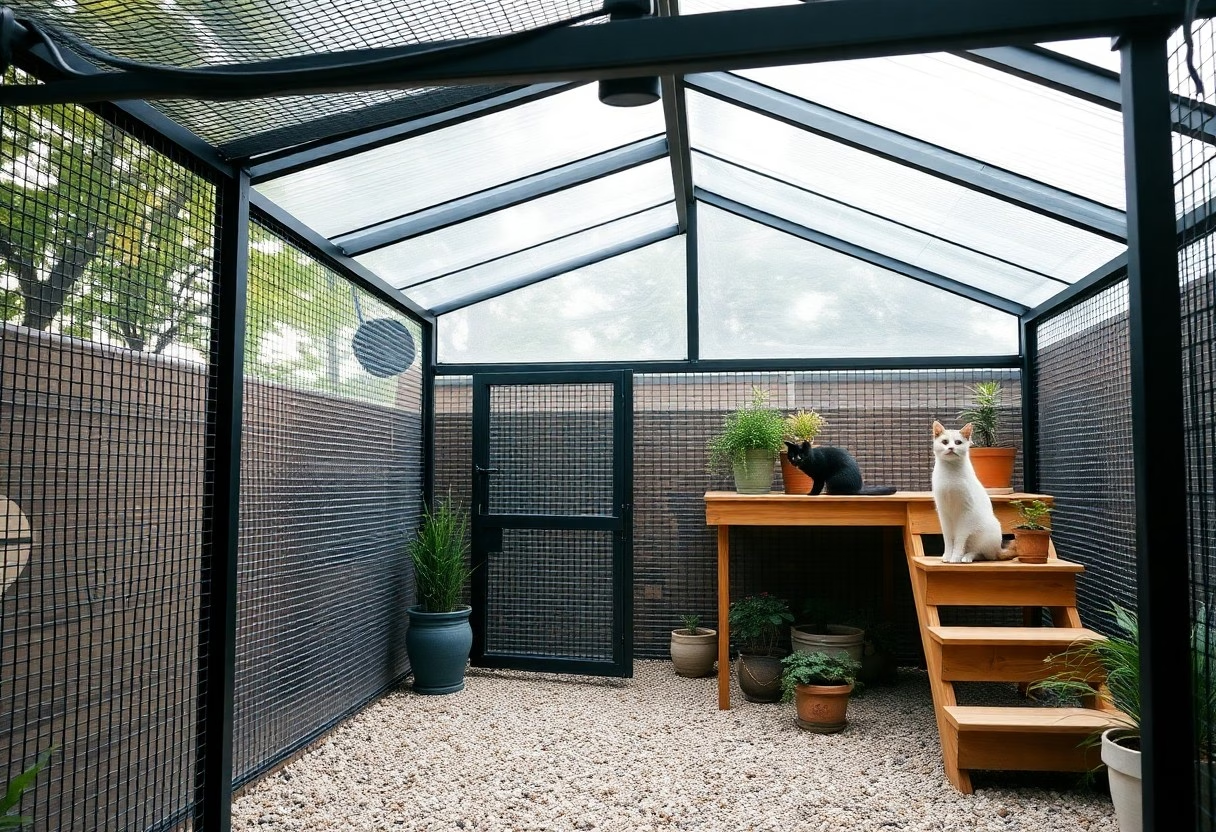
Key Takeaways:
- Catios provide safe outdoor access for exercise and mental stimulation while protecting cats from traffic, predators, and disease.
- Design with escape-proof, predator-resistant construction (sturdy frame, small-gauge mesh, secure locks, overhead cover) and use weather-resistant materials.
- Choose appropriate size and placement, include vertical space and enrichment (platforms, hiding spots, toys), and perform regular maintenance and inspections while observing local regulations.
Why Catios? Benefits for Cats and Owners
Physical and behavioral enrichment
You’ll see more activity, better weight control, and fewer problem behaviors when your cat has safe outdoor access; with about 60% of domestic cats overweight, even 20-30 minutes of daily climbing and hunting-style play in a catio reduces obesity risk and boredom. Vertical perches, tunnels, and puzzle feeders mimic hunting sequences, lower stress-related urine marking, and cut destructive scratching by giving your cat purpose-built outlets.
Safety gains: reducing risks from cars, predators, and disease
Keeping your cat in a properly built catio sharply reduces exposure to vehicle trauma, attacks by dogs, coyotes or birds of prey, and direct contact with feral cats that spread FIV/FeLV and parasites. A roofed, predator-proof enclosure with a secure entry avoids roaming and the majority of outdoor hazards, letting you provide fresh air without the most dangerous risks.
For best protection you should use ≤1/2‑inch (12 mm) mesh or hardware cloth, a roof, and a double‑door vestibule or lockable gate to prevent escapes and predator access; separating your cat from neighborhood strays cuts fight-related disease transmission, and those construction standards reduce injury from climbing, chewing, or wildlife intrusion while preserving sunlight and enrichment.
Planning & Design Considerations
Planning your catio should balance safety, enrichment, and maintenance, so you prioritize secure barriers, sheltered areas, and visibility to prevent predator access and escapes.
Size, layout, and optimal placement
Consider how much space your cat needs to climb, scratch, and rest; you should place the enclosure near a shaded, quiet spot and allow room for vertical levels and safe entry points to reduce stress and escape attempts.
Materials, weatherproofing, and predator-proof construction
Select materials like heavy-gauge stainless mesh, treated framing, and secure hardware; you should seal gaps, add overhangs, and use weatherproof coatings to keep cats dry and prevent predator breaches.
You should choose stainless-steel or galvanized mesh with small openings to stop claws and small predators, and use rot-resistant framing like cedar or pressure-treated lumber with proper sealant. Install tamper-proof latches, bolt hardware, and bury fencing at least 12 inches or add an outward skirt to block digging animals. Inspect fasteners for rust, cover sharp edges, and provide waterproof roofing and proper drainage for year-round safety.
Safety, Health & Legal Requirements
Maintain a regimented program: you should inspect mesh, latches, and supports weekly, perform a full structural check every six months, keep a waterproof folder with vaccination and permit records on site, and have an emergency plan that names a caregiver and exit routes. Combining routine maintenance, annual veterinary exams, and local-code compliance minimizes risks and keeps your catio both safe and legally defensible.
Escape prevention, secure access, and emergency exits
Use welded wire or hardware cloth with ≤1″ (25 mm) spacing and 12-14 gauge steel, bury perimeter mesh at least 12″ (30 cm) to thwart digging, and fit an outer vestibule (3-4 ft/0.9-1.2 m deep) so you can enter without letting cats slip out. Install double-latch doors and a quick-release human-access exit ≥32″ (81 cm) wide; label emergency exits and test all latches monthly.
Veterinary, parasite prevention, and local regulations/permits
Keep rabies vaccination current per local law and maintain FVRCP boosters on your vet’s schedule (1-3 year intervals), provide monthly flea/tick/heartworm preventive year-round in high-risk areas, and get annual fecal exams or deworm every 3 months if exposure is frequent. Check HOA rules and municipal zoning-structures often require permits if they exceed about 120-200 sq ft-and file permits to avoid fines.
Regional risks vary: ticks and Lyme are common in the Northeast/Midwest while heartworm rates are higher in the Southeast, so you should tailor prevention to your area and vet advice. Some municipalities have issued fines ranging from $100-$1,000 for unpermitted enclosures; keep paperwork on site, post vaccination tags in a weatherproof sleeve, and consult animal control or a zoning office before building to avoid costly enforcement actions.
Comfort & Enrichment Features
You can outfit a catio with layered comforts – weatherproof nesting boxes, sun shelves, and washable cushions – plus interactive feeders and cat grass to boost foraging behavior. Install secure, lockable latches and smooth, chew-proof mesh to keep predators out. For design ideas see A Catio Gives Your Kitty Safe Access to the Great Outdoors, which shows modular perch layouts and toy placement that reduce stress and increase playtime.
Vertical space, hiding spots, and sensory stimulation
You should create at least three vertical levels spaced about 18-24 inches apart so cats can jump and survey territory; include a high perch 4-6 feet off the ground if space allows. Add enclosed hiding boxes (roughly 16×16 inches), tunnels, and scent-enrichment stations with catnip or safe herbs. Use varied textures-carpeted ledges, sisal posts, and smooth platforms-to satisfy scratching and exploration needs while preventing boredom-related behavior problems.
Climate considerations, shelter, and litter/feeding zones
You need a dry, insulated shelter that’s slightly elevated (about 6 inches) to avoid ground moisture and provide wind protection; include a removable heated pad rated for outdoor pet use in cold months. Place food and water bowls at least 3-4 feet away from litter areas, and use heavy, tipped-resistant bowls. Keep fresh water available year-round and avoid antifreeze or pesticides near the enclosure as these are highly toxic.
In hot weather, install shade cloth or reflective roofing and ensure ventilation to prevent heat buildup; temps above 90°F warrant limiting outdoor time during midday. For winter, choose closed-front shelters with a small entrance that reduces drafts, and select non-electric, chew-resistant cabling for any heaters. Always test heating devices for outdoor pet safety and place them where your cat can move away from the heat if desired to prevent burns or overheating.
DIY, Kits and Professional Installation
Pros and cons: DIY builds vs. kits vs. contractors
You can save money with a DIY build ($200-$1,500) and tailor every detail, but expect 1-4 weekends of work and the need for accurate carpentry; kits ($150-$800) let you assemble in a day with limited customization; contractors ($1,200-$5,000) handle permits, engineered footings and warranties and finish in 1-2 weeks, though at higher cost.
Pros & Cons: DIY vs Kits vs Contractors
| Aspect | Pros & Cons |
|---|---|
| Cost | DIY lowest but variable; kits predictable mid-range; contractors highest up-front. |
| Time | DIY: weekends; kits: 1 day; contractors: 1-2 weeks (faster overall). |
| Skill | DIY needs carpentry/permits; kits require basic tools; contractors require no skill from you. |
| Customization | DIY offers full custom options; kits are limited; contractors can build custom to spec. |
| Materials quality | DIY quality depends on purchases; kits vary by brand; contractors often source higher-grade materials. |
| Safety | DIY risk if structural mistakes; kits typically include predator-proof mesh specs; contractors provide engineered safety. |
| Warranty & support | DIY has none; kits may include limited support; contractors usually offer workmanship warranties. |
| Permits & codes | DIY: you must handle permits; kits sometimes omit code compliance; contractors manage permits and inspections. |
| Maintenance | DIY designs might need fixes; kits simplify replacements; contractor installs often easier to maintain long-term. |
| Resale/Value | Well-built DIY or contractor enclosures add value; poorly executed DIY can lower appeal. |
Tools, materials checklist, and budget planning
You’ll need core tools-circular saw, power drill, level, staple gun, tin snips-and materials like 2x4s or treated cedar, 1/2″ stainless or galvanized hardware cloth, exterior screws, concrete for footings and predator-proof latches; plan a simple budget: basic $200-$600, mid-range $600-$1,500, contractor $1,200+ depending on size and finishes.
For a typical 6’x8′ catio estimate about 8-12 2x4s, 2-4 4×4 posts, 50-75 ft of hardware cloth, 1 box exterior screws, 2 latches and 1-2 bags of concrete; if you add glass windows, built-in ramps or heating, add $200-$800. You should flag structural connections and predator access points as highest-priority budget items and include a 10-15% contingency for unexpected costs.
Maintenance, Inspection & Seasonal Care
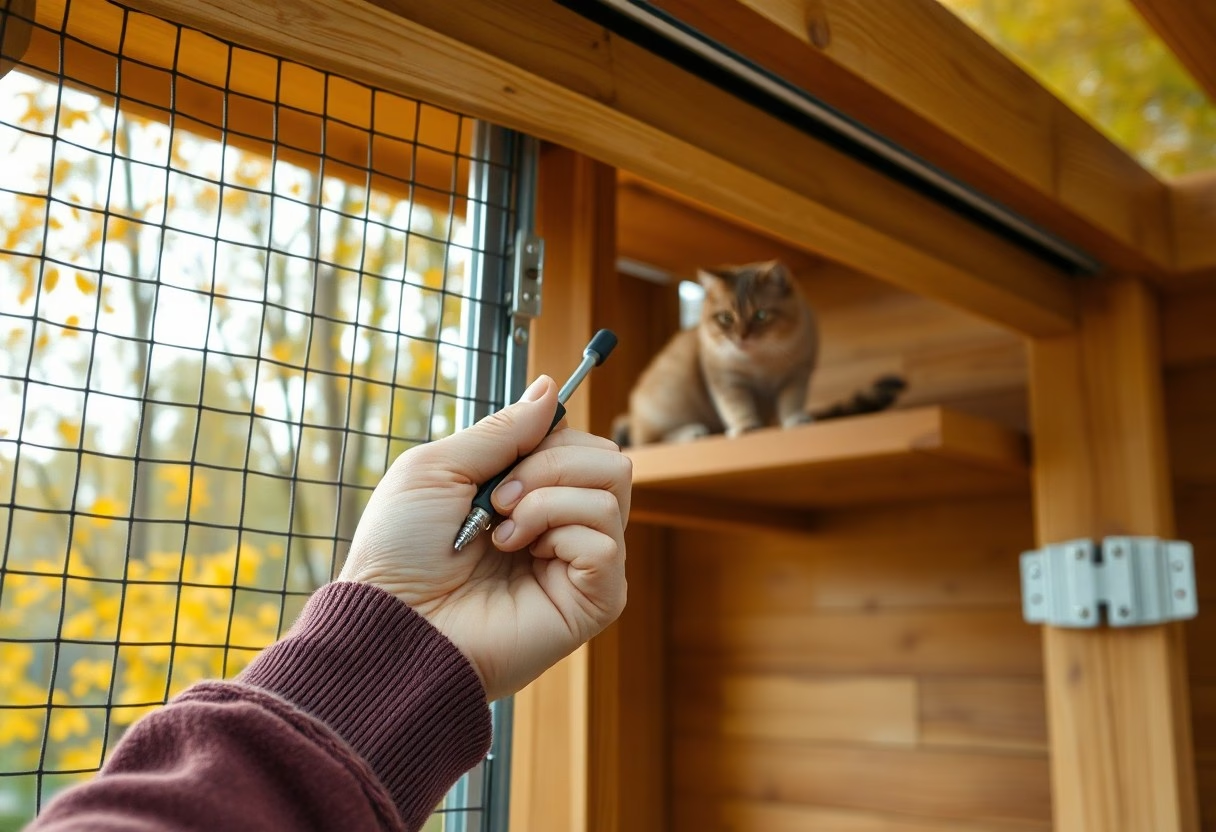
You should schedule inspections every 3-6 months and after severe weather, checking mesh for holes larger than ½ inch, wood for rot, and metal for rust or bent framing. You must tighten hinges and latches, document issues with photos, and plan repairs within two weeks for safety hazards. For product recommendations and construction examples, consult Cat Enclosures & Catios 2026 | Safe Outdoor Adventures for ….
Routine cleaning, wear inspection, and repair scheduling
You should clean surfaces weekly to monthly with mild soap and water, use a 1:3 vinegar solution for mildew, and avoid bleach on mesh. You must inspect fasteners, mesh, seals, and replace UV-frayed netting every 3-5 years. Tighten loose screws and schedule professional repairs for structural damage within 14 days. Keep a dated maintenance log with photos to support warranty claims and track recurring issues.
Winterizing, storm prep, and longevity best practices
You should remove loose toys and lightweight furniture before storms, trim trees 8-10 feet away to reduce falling-branch risk, and clear snow when accumulation exceeds 2 inches on roofs to prevent collapse. Anchor posts into 24-inch concrete footings and use stainless or galvanized hardware to resist corrosion. Store cushions indoors and add temporary windbreaks to reduce wear during high winds.
You can extend enclosure life by upgrading to 8-10 mm twin-wall polycarbonate roofing or a rated 4-season fabric, adding diagonal bracing and cross-members to resist lateral loads, and applying two coats of exterior-grade sealant to exposed lumber every 2 years. If you live near salt water, choose 316 stainless fasteners. Keep an emergency kit (ratchet, spare mesh, stainless screws, zip ties) on hand so you can make safe, same-day repairs after storms.
Conclusion
You can provide safe outdoor enrichment with a well-designed catio or enclosure, balancing freedom and protection, monitoring your cat’s behavior, and using durable materials and proper access-these measures keep your feline active, healthy, and secure while reducing risks from predators, traffic, and escape.
FAQ
Q: What is a catio and what benefits does it provide for indoor and outdoor cats?
A: A catio is a secure, enclosed outdoor space designed to give cats safe access to fresh air, sights, sounds, and natural enrichment while preventing escapes and reducing risks from cars, predators, and disease. Benefits include increased physical exercise through climbing and exploration, mental stimulation from birds and insects, reduced stress and boredom, and protection for local wildlife. Catios come in many forms-attached enclosures off a window or door, freestanding runs, balconies converted with mesh, and portable pop-up enclosures-so you can match the design to your cat’s temperament, your property, and seasonal needs.
Q: How do I choose the right size, materials, and placement for a catio?
A: Size should be based on the number and activity level of cats: a single active cat will do well in a compact 4-6 ft by 6-8 ft area with vertical shelves, while multiple cats need larger footprints and extra vertical space; aim for as much room as you can reasonably provide. Use durable, weather-resistant materials such as galvanized steel or welded wire mesh with small openings (1/2″-1″) to prevent escapes and keep predators out; UV-resistant polycarbonate or metal roofing provides weather protection.
Choose rot- and insect-resistant framing (pressure-treated wood, cedar, or composite). Place the catio where cats get a mix of sun and shade, have visual interest (trees, bird feeders at a safe distance), and where access is convenient (door, window, or cat flap). Check local building codes or HOA rules for size or placement restrictions before building.
Q: What safety and maintenance practices keep a catio healthy and secure for my cats?
A: Regular inspection and maintenance are imperative: check mesh and seams for holes or gaps, tighten loose fasteners, treat or replace weathered wood, and remove rusted components. Predator- and escape-proofing measures include buried skirt mesh around the base, double-door vestibules or spring-loaded human doors, lockable latches, and avoiding nearby climbable structures that bypass the enclosure.
Keep the space clean by removing waste daily, washing bedding and hard surfaces with pet-safe cleaners, and checking for pests (ticks, fleas, wasps). Use only non-toxic plants and materials; provide sheltered spots, fresh water, and weather-appropriate bedding or shade. During extreme weather, bring cats inside or add insulation/heating as needed. Maintain up-to-date vaccinations and parasite prevention as an additional layer of protection.
Sketch where the catio fits in your yard with the free AI garden and landscape designer.