
House of the Month – Global Homes Pushing Boundaries
Some homes change how we think about everyday living. This roundup of innovative house designs from around the world looks at how architects use new materials, technology, local culture and a focus on well-being to push the limits of what a house can be. Along the way, you’ll find practical ideas you can borrow for your own home, even on a modest budget.
Key takeaways
- These innovative house designs push the boundaries of living.
- New materials, technology and culture inspire their forms.
- Many ideas can be adapted to ordinary homes.
Table of Contents
Redefining Luxury: The Allure of Innovative Designs
Luxury in home design is shifting away from sheer size and expensive finishes. Today it is more about how well a house works: good daylight, comfortable temperatures, thoughtful storage and materials that age well. Architects are testing unusual shapes and structures, but the best projects still follow the basics of good design. For your own home, that means spending on quality where you touch and use things every day, such as windows, flooring, insulation and kitchen hardware, rather than on showy extras.
Tailored Experiences: Personalization in Home Architecture
Personalized architecture starts with how you actually live. Before you sketch anything, list your daily routines: where you work, cook, store gear and relax. Flexible layouts, such as a guest room that doubles as an office or sliding partitions between kitchen and dining, let one space serve several needs. Working closely with an architect or designer helps you turn that list into a plan, so the finished house fits your habits instead of forcing you to adapt to it.
Sustainability Meets Aesthetics: Eco-Friendly Materials and Methods
Eco-friendly materials and building methods are changing how homes look and perform. Recycled steel, bamboo and reclaimed wood give a house character while cutting the need for new raw materials. Green roofs add insulation and slow down stormwater runoff. Passive solar design, which orients the house and its windows to collect winter sun and block summer heat, is one of the simplest ways to lower heating and cooling needs, and it costs little if you plan it from the start.
Choosing low-impact materials and systems can lower your home’s carbon footprint. Rammed earth construction creates striking walls with a lot of thermal mass, which helps even out indoor temperature swings between day and night. Hempcrete and straw bale insulation are gaining interest because they come from renewable crops and insulate well. Adding solar panels and rainwater harvesting systems reduces your reliance on the grid and the municipal water supply, which can also lower your utility bills over time. Check local building codes first, since rules for these materials vary from place to place.
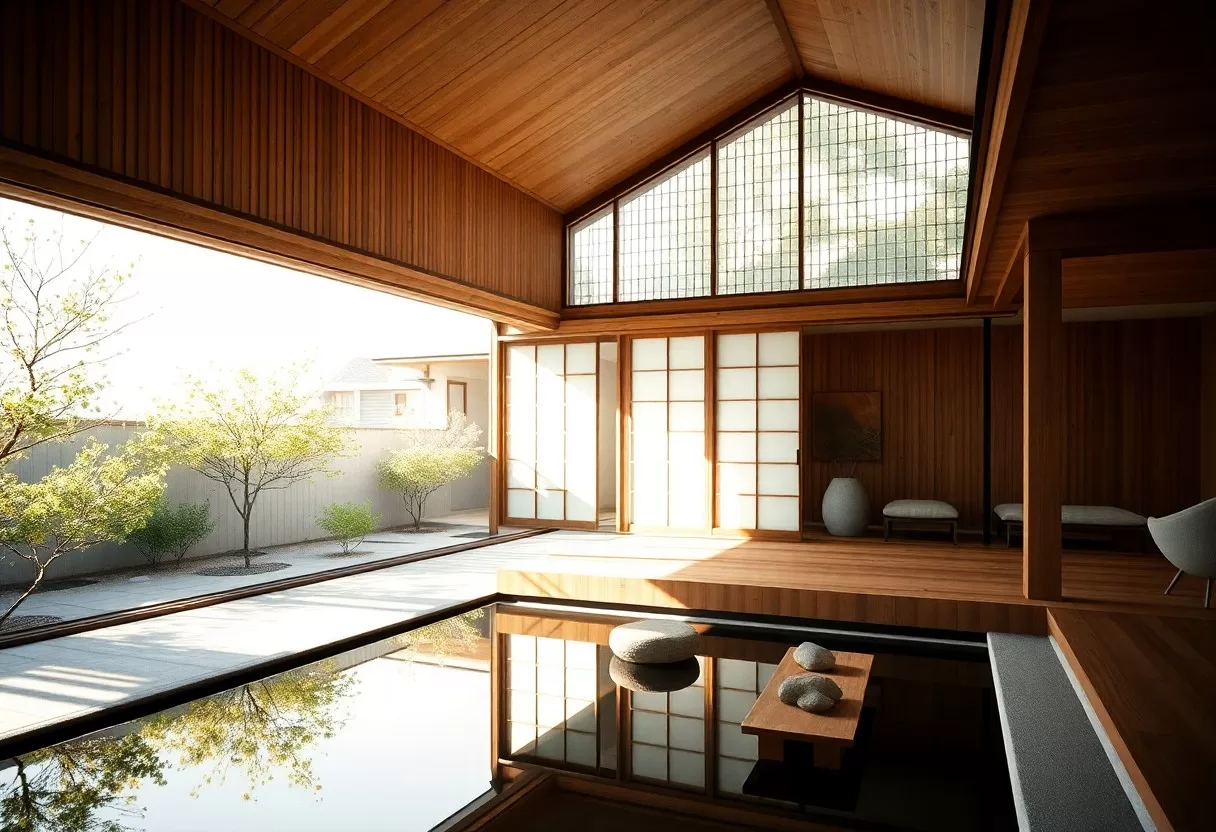
Cultural Inspirations: Global Influences Shaping Modern Homes
Modern homes increasingly borrow from cultures around the world. You’ll see traditional forms, materials and patterns combined with contemporary layouts and finishes. Done well, this gives a house a sense of history and identity, so it feels rooted in a place rather than generic. It also reminds you that many traditional building ideas, from deep eaves to shaded courtyards, were smart responses to local climate long before modern technology.
Embracing Diversity: Architectural Styles from Around the World
Architectural styles from around the world give you a wide range of ideas to draw from. Japanese design offers clean lines, natural wood and a calm, uncluttered feel. Mexican adobe homes bring thick earthen walls and bold color. Mediterranean houses use white walls and small windows to stay cool in strong sun. Each style grew from local traditions and climate, so when you borrow from one, think about whether its logic suits the weather where you live.
Blending Tradition with Modernity: Case Studies from Various Regions
Some of the most interesting modern homes combine old and new. In Scandinavia, architects pair sustainable materials like timber with traditional craftsmanship and simple forms. In Morocco, traditional tile patterns and courtyards appear in otherwise contemporary houses. These examples show that tradition and innovation are not opposites. Mixing them often produces homes that feel familiar and comfortable while still meeting modern needs.
- Scandinavia: Timber-rich homes focus on ecology, warmth and good insulation for long winters.
- Morocco: Homes pair intricate tilework and courtyards with modern amenities.
- Japan: Minimalist designs inspired by traditional tea houses promote serenity and simplicity, and make small spaces feel larger.
- India: Traditional courtyards combined with modern layouts improve ventilation and natural light.
- Brazil: Traditional woodwork and wide verandas celebrate cultural heritage while meeting modern needs.
Looking more closely at these examples, you can see how architects use cultural context to shape a home. The designs reflect local traditions and still meet current expectations for sustainability and comfort. Combining age-old techniques, like courtyards or thick walls, with modern insulation and glazing can improve daily comfort while keeping a sense of place. You can apply the same idea at home by using a local material, a traditional craft or a regional color in an otherwise modern design.
Future-Proofing: The Role of Technology in Cutting-Edge Homes
Technology plays a big role in making a home ready for the future, and planning for it early is far easier than retrofitting later. Run conduit or spare cabling to key rooms, leave space in the electrical panel, and pick a central spot for networking equipment. Connected devices can learn your preferences, and monitoring tools such as leak detectors can warn you about problems before they cause serious damage. The goal is a house that can adapt as new systems arrive.
Smart Homes: Integrating AI for Enhanced Living
Smart home systems use AI and automation to make daily life more convenient and secure. They can learn your habits and adjust lighting, heating and cooling, and security settings on their own. A smart thermostat, for example, can lower the temperature when nobody is home and warm the house before you return, which saves energy without any effort from you. Start with one or two devices that solve a real problem, and make sure they work with a common platform.
Energy Efficiency: Innovations in Sustainable Engineering
Engineering advances are helping homes go beyond basic energy codes. Solar panel technology keeps improving, while smart insulation and well-sealed building envelopes keep indoor temperatures steady with less effort. Rainwater harvesting and high-efficiency HVAC systems, such as heat pumps, further reduce the home’s environmental footprint. The most cost-effective order is usually to cut energy demand first with insulation and air sealing, and only then size heating, cooling and solar systems.
Energy-efficient materials can add up to meaningful savings. Triple-glazed windows reduce heat loss in cold climates, and green roofs help insulate and cool the top floor. Many new homes also use geothermal heating and cooling, which draws on the stable temperature a few feet below ground to heat and cool efficiently. The Bullitt Center in Seattle, an office building rather than a house, is a well-known example of combining these ideas with careful energy management, and it was designed to produce at least as much energy as it uses over a year.
The Emotional Impact of Space: How Design Fosters Well-Being
Design has a strong effect on how you feel at home. Spaces planned with care feel safe, comfortable and easy to use. Natural light, sensible circulation and a calm, consistent color palette all help a room feel relaxing. Simple choices make a difference: put desks and reading chairs near windows, give every room enough storage to keep surfaces clear, and choose warm light, around 2700 K, for living areas in the evening.
Therapeutic Landscapes: Nature’s Role in Home Design
Bringing nature into your home through gardens, green walls or large windows that frame outdoor views helps the house feel calmer and more pleasant. Many people find that time around plants and greenery reduces stress levels, which is one reason biophilic design has become so popular. You don’t need a big budget: place seating where you can see trees or sky, add a few easy houseplants like pothos or snake plant, and use natural materials such as wood and stone.
The Psychology of Space: Creating Homes that Heal
Your home’s layout affects your daily mood. A plan that flows well, keeps clutter under control and balances shared and private areas helps everyone feel more at ease. A clear entry zone with hooks and shoe storage, a door you can close on a home office, and a quiet corner away from the TV all make a difference. Good design like this can support increased productivity and give you a greater sense of control over your surroundings.
The psychology of space looks at how layout, color, texture and scale influence the way you feel. Homes that offer both connectivity and privacy, with a sense of balance between open and enclosed areas, tend to suit more people. For example, an open kitchen and living area encourages time together, while a window seat or small den gives you a place to retreat. Filling the house with things that reflect your own tastes and history also makes it feel more like yours, which is what turns a house into a home.
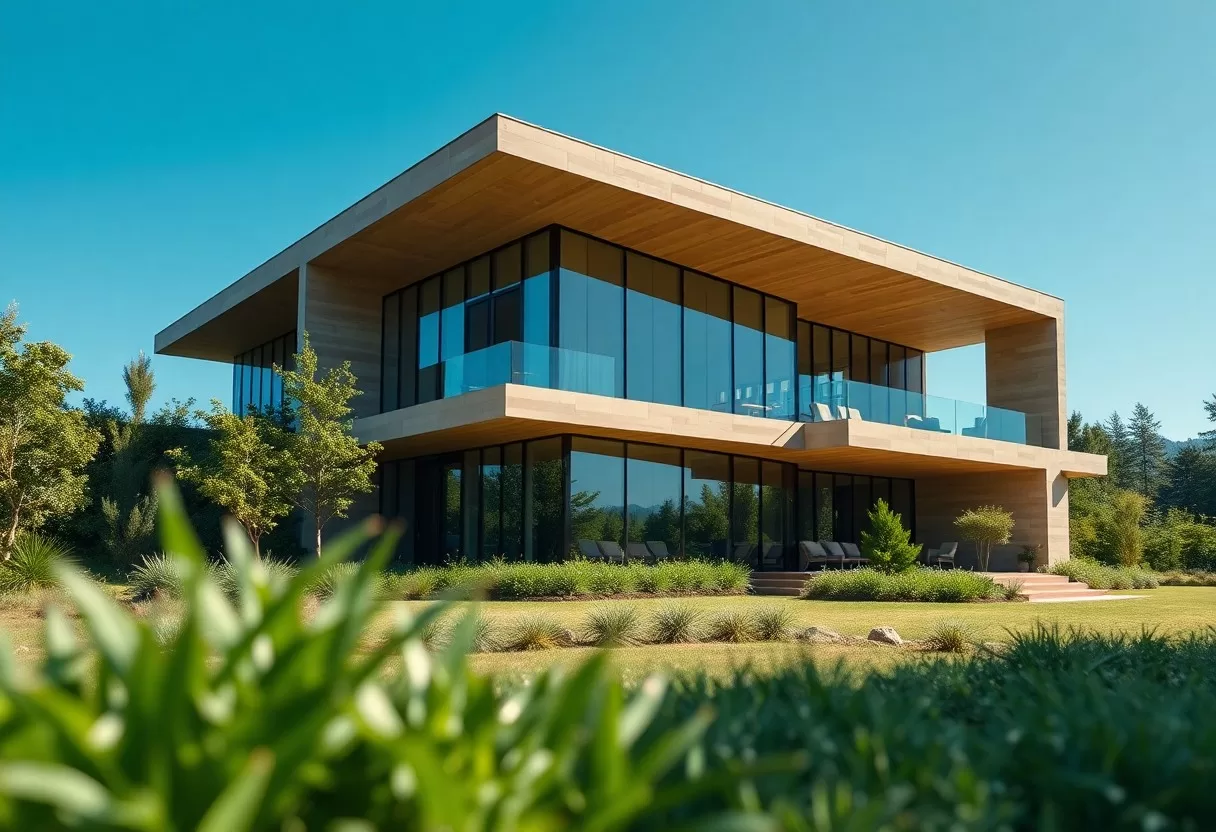
Pioneers of the Movement: Spotlight on Visionary Architects
The architects behind these projects combine creative ideas with a strong focus on sustainability. Their designs test new shapes and forms, yet they often rely on local materials, passive strategies and proven technologies. Many also pay close attention to how a home fits into its neighborhood and community. Together, they are changing what people expect a home to look like and how it should perform in very different cultures and climates.
Interviews with Influential Designers in Global Architecture
Listening to how leading architects talk about their work, in interviews, lectures and books, gives useful insight into their creative process. You learn how their backgrounds and the places they grew up shape their designs, and why so many of them now put sustainability first. Their stories also show that most great homes come from careful listening to the client, many rounds of sketches and a clear understanding of the site.
Their Vision: How They Imagine the Future of Living
When these architects picture future homes, they combine nature and technology in ways that support community and well-being. They talk about smart homes that use AI to make daily life easier, and about sustainability achieved through compact, efficient designs. Flexibility is a common theme: rooms that can change use as a family grows, walls that can move, and layouts that adapt to new needs over the years.
Looking at their ideas, you can picture a future where homes do much more than provide shelter. Solar panels and solar roof tiles become part of the design rather than an add-on. Biophilic design brings daylight, plants and views into every main room, which supports mental wellness and a closer connection to the outdoors. These ideas challenge the standard suburban box and suggest new ways you might experience home in the years to come.
Summing up
As you look through the homes in ‘House of the Month – Global Homes Pushing Boundaries,’ think about which ideas would improve your own daily life. With a focus on sustainability and forward-looking architecture, these projects show where residential design is heading. You don’t need to copy a whole house. Borrow one idea at a time, such as better daylight, a passive solar layout or a shaded courtyard, and you’ll end up with a home that is more comfortable, efficient and personal.
FAQ
Q: What is the ‘House of the Month – Global Homes Pushing Boundaries’ initiative?
A: ‘House of the Month’ is a roundup of innovative house designs from around the world. It looks at homes that use new materials, smart technology, local building traditions and a focus on comfort and well-being, and it points out practical ideas you can borrow for your own house, even on a modest budget.
Q: How are the homes selected for the ‘House of the Month’ feature?
A: The homes in this roundup were picked for their original design, sensible use of sustainable materials and practical answers to everyday living problems, such as daylight, temperature control and flexible space. There is no formal jury or contest; the goal is simply to show a range of ideas that push the boundaries of what a house can be.
Q: Can homeowners participate in the selection process for future ‘House of the Month’ features?
A: There is no formal nomination process. If you know a home with a clever design, the best way to learn from it is to study its layout, materials and climate strategies, then test similar ideas in a 3D plan of your own house before you build or renovate.
Imagine your own standout exterior with the AI exterior house rendering generator.