
The 80/20 Rule of Home Design – Do Less, Get Better Results
Design your home with fewer choices to achieve greater impact. You only need 20% of your design efforts to create 80% of the visual appeal. By focusing on what truly matters, you avoid clutter and costly mistakes. The danger lies in overdesigning-more isn’t better. Choose wisely, edit ruthlessly, and let simplicity deliver results.
Table of Contents
Key Takeaways: 80/20 Rule Home Design
- Focus on the 20% of design elements that create 80% of the visual impact-simple changes like lighting, color palette, or furniture layout often transform a space more than extensive renovations.
- Clutter competes for attention; reducing the number of decorative items and built-in features helps highlight the most attractive aspects of a room.
- Intentional minimalism leads to more cohesive and calming interiors-by doing less, homeowners often achieve a stronger, more personal design result.
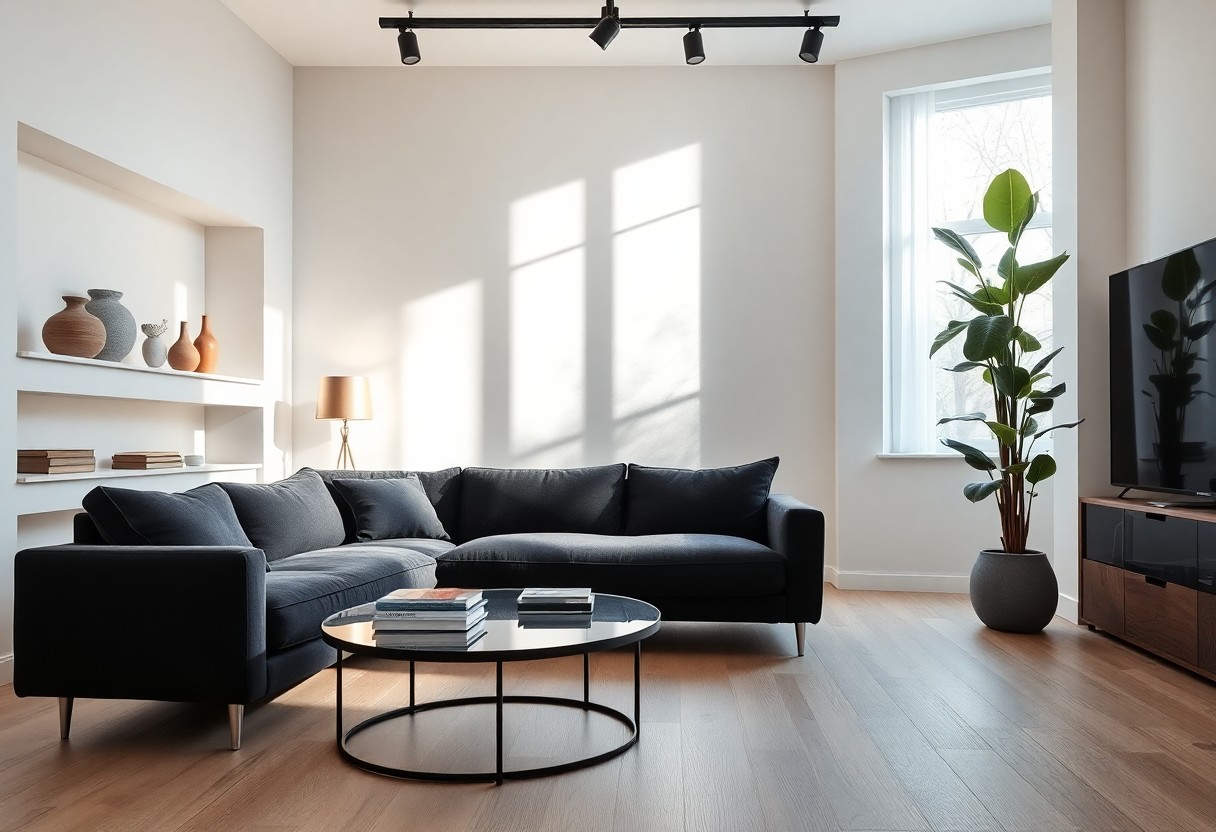
The Pareto Principle of Interior Space
Function Follows Focus
You don’t need every room to serve five purposes. In fact, the most effective spaces are designed around a single dominant function. A dining area that also stores workout gear, holiday decorations, and a home office rarely supports any of those activities well. When you assign one primary role to each zone, clarity emerges. That clarity reduces decision fatigue and makes the space easier to maintain. You’ll find that 20% of your rooms deliver 80% of your daily comfort and utility-usually the kitchen, primary bedroom, and living area. Design those with precision, and let the rest support them quietly.
Editing Beats Adding
Most people assume better design means more-more furniture, more textures, more decor. The opposite is true. Every extra object you introduce competes for attention and increases visual noise. Instead of filling empty walls or corners, consider what you can remove. A room with fewer but better-chosen pieces feels larger, calmer, and more intentional. You’ll notice how much more you enjoy a sofa when it’s not fighting for space with an ottoman, a side table, a floor lamp, and three baskets of “stuff.” Editing your space is not deprivation-it’s refinement.
Flow Over Form
How you move through your home matters more than how it looks in a photograph. Disrupted flow is one of the most dangerous flaws in interior design, leading to frustration every single day. That beautiful coffee table becomes an obstacle when it blocks the path from couch to kitchen. The elegant bookshelf ruins the experience if it forces you to turn sideways to pass. Prioritize clear, intuitive movement between key areas. When circulation feels natural, the space supports your life instead of resisting it. Smooth transitions between zones create a sense of ease that no decor trend can match.
Light Defines Use
Natural light doesn’t just brighten a room-it shapes how you use it. Spaces flooded with daylight naturally become hubs of activity: reading nooks, breakfast corners, craft stations. Darker areas recede into the background, better suited for storage, relaxation, or sleep. Aligning function with light availability is a silent but powerful design decision. You’ll rarely use a dimly lit corner for tasks that require focus, no matter how stylish the chair. Position your most important daily activities where sunlight lingers longest. That simple alignment can transform your energy and mood without changing a single fixture.
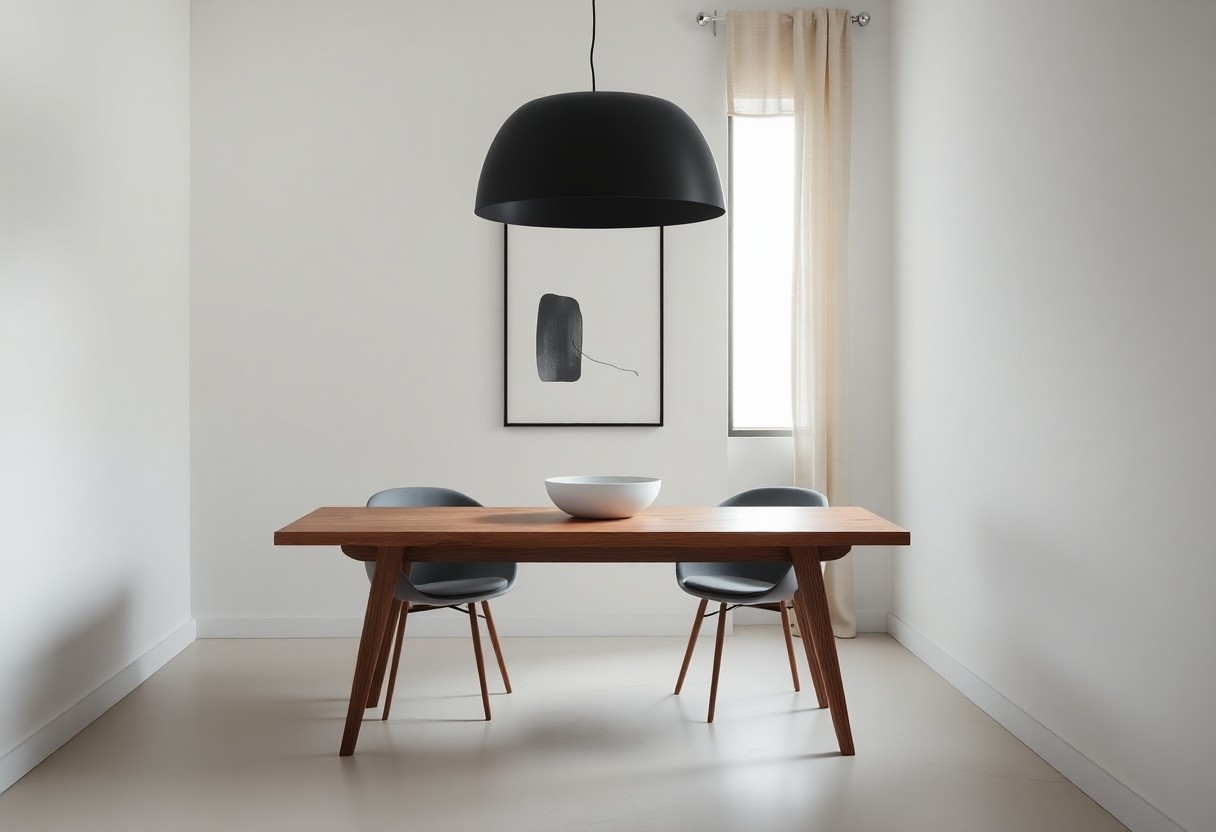
High-Impact Aesthetic Variables
Color and Contrast
You can transform a room’s entire mood with just one well-chosen hue. Limiting your palette to two or three dominant colors creates cohesion and prevents visual clutter. Think beyond walls-consider how cabinetry, textiles, and even appliances contribute to the overall tone. A bold accent wall in a neutral space draws the eye and defines purpose, while high-contrast pairings like black trim against white walls add architectural drama without structural changes. This minimal intervention often delivers maximum perception of change.
Lighting Layers
Light shapes how you experience space more than any other design element. Overhead fixtures alone flatten a room, but combining ambient, task, and accent lighting builds depth. Install dimmers to adjust mood throughout the day and use floor or table lamps to ground seating areas. A single statement pendant over a dining table can become the focal point of an entire floor plan. You don’t need more lights-you need better-placed ones.
Proportion and Scale
Furniture that overwhelms or disappears in a room breaks the visual balance. Choose pieces that fit the scale of your space-oversized sofas in small living rooms create congestion, while tiny chairs in large areas feel lost. One correctly scaled sectional can anchor a room more effectively than three mismatched chairs. Pay attention to ceiling height, window size, and floor area when selecting furnishings; harmony here reduces the need for decorative compensation.
Material Consistency
Repeating a single material across different surfaces ties a design together with quiet confidence. Imagine using the same warm oak on your kitchen island, floating shelves, and dining table-this repetition creates rhythm. Three consistent finishes often look more intentional than ten unique ones. You signal control and clarity when materials echo each other, making the space feel curated rather than crowded.
Strategic Negative Space
Empty areas aren’t wasted-they’re breathing room for the eye. Cluttered surfaces and overfilled walls fatigue the mind, while open shelves, clear countertops, and unadorned walls invite calm. Leaving 20% of your wall space bare can make the remaining 80% feel more impactful. You gain sophistication not by adding, but by withholding. Let your best pieces stand out by giving them space to be seen.
The Minimum Effective Dose of Furniture
Less Furniture Equals More Freedom
You don’t need a living room full of seating to feel comfortable. In fact, over-furnishing is one of the fastest ways to make a space feel cramped and chaotic. Start by asking yourself how many pieces you actually use daily. Most people sit on one or two favorite chairs or a single sofa. The rest often become coat hangers or storage for things you meant to put away. By reducing to only what serves a clear purpose, you create room to breathe-both physically and mentally.
Function Dictates Form
Furniture should solve problems, not create them. A coffee table that doubles as storage, a bed with built-in drawers, or a dining bench that tucks neatly under the table-these are examples of high-impact, low-footprint choices. Each piece must earn its place by delivering real utility. When you adopt this standard, you’ll find that many traditional furnishings fall short. They look nice in a catalog but add little value in real life. Choose function first, and style will follow naturally.
Apply the 80/20 Rule to What Stays
Apply the 80/20 Rule for Decluttering by recognizing that 20% of your furniture likely supports 80% of your daily activities. That favorite armchair, the sturdy dining table, the bed you sleep in-these are the crucials. The rest? Decorative clutter. Removing underused items doesn’t mean sacrificing comfort; it means freeing up space for movement, light, and clarity. You’ll notice how much more peaceful your home feels when it’s not fighting for space.
Resist the Urge to Fill Empty Space
Empty space isn’t a design flaw-it’s a feature. Most people feel uneasy when a corner is bare or a wall has no furniture. But that openness is where calm lives. White space in design works the same way as silence in conversation: it gives the mind room to rest. Instead of rushing to place a side table or floor lamp just to “finish” a room, pause. Sit in the space. Walk around it. You might discover that the emptiness is exactly what the room needed all along.
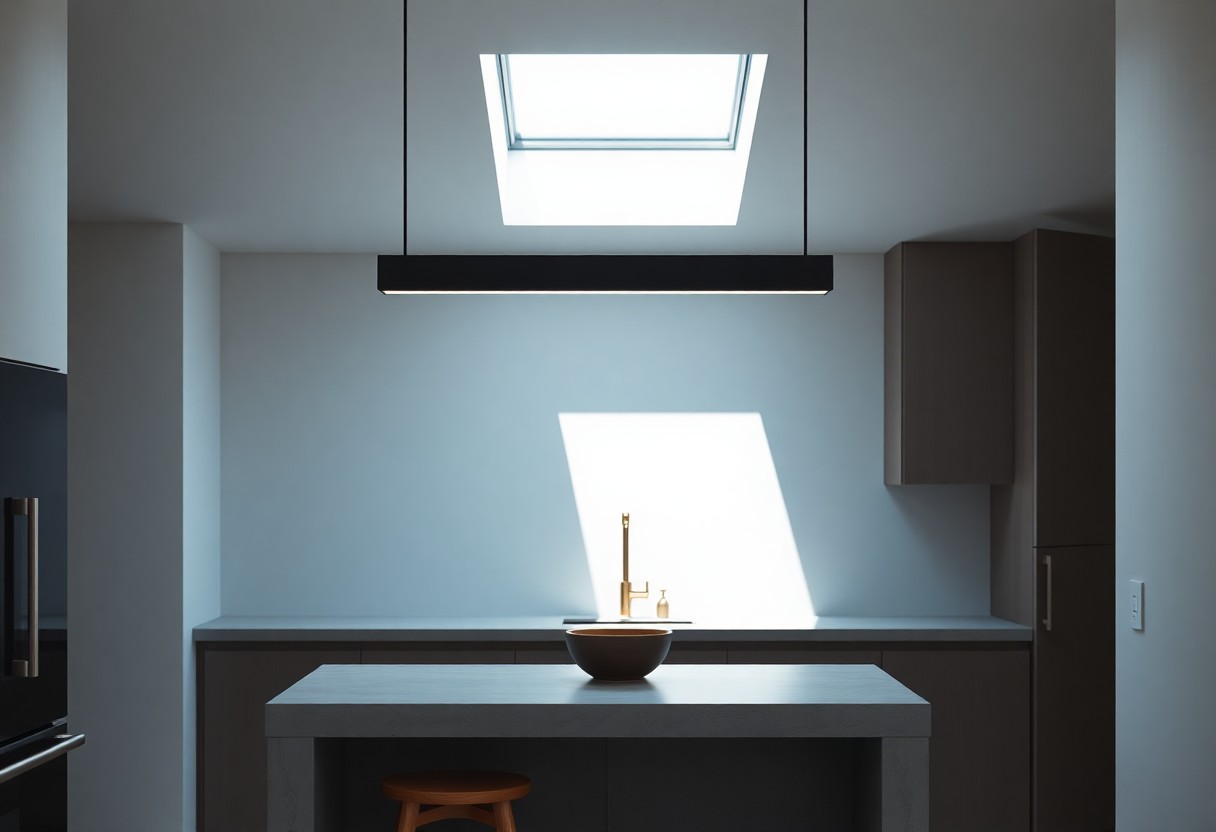
Lighting as a Force Multiplier
Strategic Placement Over Quantity
You don’t need bright lights in every corner to make a space feel inviting. What matters most is where you place light, not how much of it you use. A well-placed floor lamp beside a reading chair or a focused pendant above a kitchen island does more than illuminate-it defines purpose. Most homes suffer from flat, uniform lighting that erases depth and character. By identifying the 20% of areas where light has the greatest impact-entryways, dining tables, artwork-you amplify function and mood without overloading the circuit. This is how the The 80/20 Principle transforms a basic room into one that feels intentional.
Layering for Emotional Impact
Light shapes how you experience a room, often without you realizing it. Ambient light sets the base, but it’s the task and accent lighting that create the emotional resonance-the warmth that makes guests linger at the dinner table or the clarity that turns a home office into a productive zone. Instead of installing dozens of recessed lights, focus on layering: a dimmable ceiling fixture, a desk lamp, and a sconce beside a mirror. These few, well-chosen sources cover 80% of your lighting needs with 20% of the effort and cost. Over-lighting doesn’t add value-it drains energy and flattens atmosphere.
Avoiding the Brightness Trap
Brightness is not the same as quality. Too many homeowners equate more lumens with better design, but excessive light can feel sterile, even stressful. Harsh overheads wash out textures, cast unflattering shadows, and make spaces feel impersonal. The smarter move? Use lower-intensity bulbs in multiple strategic locations. This gives you control. You can brighten only when needed and keep the rest of the room in soft, welcoming shadow. It’s not about seeing everything-it’s about guiding the eye to what matters.
Dimmers and Controls as Design Tools
Dimmers are one of the most underrated tools in residential lighting. With a simple slider or tap, you shift a room from energized to relaxed in seconds. This flexibility is where lighting earns its title as a force multiplier-one fixture, multiple moods. Install dimmers on key circuits and pair them with warm-color-temperature bulbs (2700K-3000K) to maintain comfort. You’ll find that a single well-dimmed source often outperforms a rigid, full-brightness setup. Control isn’t an add-on-it’s central to intelligent design.
Low-Maintenance Material Selection
Choose What Lasts Without Constant Care
You don’t need to sacrifice beauty for practicality when selecting materials for your home. In fact, the most durable finishes often look better over time because they’re designed to handle real life. Think about quartz countertops instead of marble-they resist stains and don’t require sealing, so you’re not chasing upkeep while trying to enjoy your space. Porcelain tile that mimics wood grain gives you the warmth of natural flooring without the risk of warping from spills or humidity. When you pick materials that stand up to daily wear, you’re aligning with the 80/20 principle: 20% of your material choices prevent 80% of future headaches.
Focus on Surfaces That Resist the Elements
Water, sunlight, and foot traffic are silent destroyers of poorly chosen finishes. Engineered hardwood holds up better in high-moisture areas than solid wood, making it a smarter pick for kitchens and basements. Metal roofing may cost more upfront, but its resistance to fire, wind, and rot means you’ll avoid costly repairs or replacements down the line. Outdoor furniture made from powder-coated aluminum won’t rust or fade like cheaper alternatives. These materials aren’t just tough-they’re designed to look consistent with minimal intervention, freeing you from constant maintenance cycles.
Design for Long-Term Satisfaction, Not Just First Impressions
A glossy white kitchen cabinet might look stunning in a magazine, but in reality, it shows every fingerprint and water spot. Matte finishes on cabinetry or walls hide imperfections and require less cleaning, which means you spend less time maintaining and more time enjoying your home. Concrete or polished plaster walls develop a natural patina that adds character instead of looking worn. Even paint matters-opt for washable, scrubbable formulas in high-traffic zones. The goal isn’t perfection on day one; it’s sustained appeal over years. When you prioritize longevity, your design choices compound in value, delivering calm instead of constant correction.
Systems for Visual Order
Design with Intentional Repetition
You create visual calm when you repeat key design elements throughout a space. Consistency in color, shape, or material signals order to the eye, even if the room is large or multifunctional. Instead of scattering different styles or finishes, choose one dominant texture-like warm oak or matte black metal-and use it in at least three places. This repetition builds a quiet rhythm that feels natural, not forced. When you limit variety and amplify cohesion, the room feels more complete with less effort.
Limit What’s on Display
Surfaces cluttered with decor, electronics, or daily items fracture attention and increase mental fatigue. Every visible object competes for your focus, making even a clean room feel chaotic. Choose one or two meaningful items per surface and store the rest. Use trays or shallow bowls to corral small things like keys or lip balm-this creates a contained zone instead of visual noise. You’ll notice a shift: fewer things on display actually makes each one more impactful.
Build Storage That Disappears
Cabinets with recessed handles, built-in benches with lift-up seats, and wall niches with sliding panels all hide function behind clean lines. The most effective storage doesn’t announce itself-it blends into the architecture. When you invest in furniture that stores items behind closed doors, you eliminate the need to constantly tidy. A coffee table with a hidden compartment or a bed with under-drawer storage reduces surface load without sacrificing access. This kind of design rewards you daily by making order effortless.
Use Zones, Not Rules
Rooms work better when they follow natural patterns of use, not rigid layouts. Define areas by purpose-reading, dining, charging-not by furniture placement alone. A small rug under a floor lamp can signal a quiet corner, even in an open-plan space. Zones reduce visual confusion by grouping related activities, so your eye knows where one function ends and another begins. You don’t need walls to create separation; subtle cues like lighting height or floor texture work just as well. Design this way, and your home feels larger, calmer, and more intuitive.
Final Words
As a reminder, the 80/20 rule in home design means you get the best results by focusing on the few elements that matter most. You don’t need more-just better choices. When you simplify, your space works harder for you. Do less, see more impact.
FAQ
Q: What is the 80/20 Rule in home design?
A: The 80/20 Rule in home design, based on the Pareto Principle, suggests that 80% of the visual impact or functionality of a space comes from just 20% of the design elements. This means a few well-chosen pieces-like a statement sofa, proper lighting, or a focal wall-do most of the work in shaping how a room feels. Instead of filling every corner, the rule encourages focusing on what truly matters, reducing clutter, and letting key features stand out. The result is a space that feels intentional and calm without overdesigning.
Q: How can I apply the 80/20 Rule when decorating a new room?
A: Start by identifying the 20% of items that will have the biggest impact. These are usually functional anchors-such as a comfortable sofa, a well-placed rug, or good lighting. Choose one or two statement pieces that reflect your style, then build around them sparingly. Skip the urge to fill shelves or walls with decor. Test the space by stepping back and asking if it feels balanced. Often, leaving room to breathe improves the overall look more than adding extra elements ever could.
Q: Does the 80/20 Rule mean I should own fewer things?
A: It doesn’t require owning fewer things overall, but it does encourage being selective about what you display. Most homes contain many items that go unnoticed or unused. The 80/20 Rule helps you spot which 20% of your belongings enhance your space the most. Keep those visible and useful. Store or remove the rest. This isn’t about minimalism for its own sake-it’s about making the things you love more visible and meaningful by not drowning them in excess.
Q: Can the 80/20 Rule work in small spaces?
A: Yes, it works especially well in small spaces. Limited square footage means every item must serve a purpose or bring real joy. A well-placed bed, a single mirror to reflect light, or a multi-functional table can define the room’s success. Overcrowding a small area with furniture or decor makes it feel cramped and chaotic. By focusing on the few elements that improve both function and mood, you create a space that feels larger, cleaner, and more comfortable.
Q: How do I know which 20% of design choices are making the biggest difference?
A: Walk into your room and notice what draws your eye first. Is it a piece of art? A window with natural light? A cozy chair? These are likely part of your impactful 20%. Another way to test it: temporarily remove smaller decor items and see if the room still feels complete. If it does, those removed pieces weren’t contributing much. Over time, you’ll learn which choices-like paint color, furniture layout, or lighting-shape the experience of the space more than others. Trust your instinct when a room feels “done” without being full.
Test the high-impact 20% first by arranging furniture and lighting in our free 3D room designer before you buy anything.