
Glass Dreams – Transparent Designs That Blur Indoors & Out
Glass house design connects interiors with the landscape, floods rooms with daylight and makes spaces feel larger. It also raises questions about privacy, heat and energy use. Here is how architects use glass well, the glazing technologies that make it efficient and practical tips for your own home.
Key Takeaways: Glass House Design
- Glass house design floods rooms with daylight and views.
- Modern glazing controls heat loss and glare.
- Plan privacy and shading from the start.
Table of Contents
Transformative Aesthetics: The Art of Transparent Design
Transparent design changes how you experience a home. Large panes of glass blur the line between inside and out, so rooms feel open and connected to the garden or the view beyond. Daylight becomes one of your main materials, and because it shifts through the day, even a simple room gains a lot of character from morning to evening.
The Evolution of Glass Architecture
Glass architecture has come a long way since the industrial era, from plain factory windows to tall towers and fully glazed houses. The Crystal Palace, built in London for the Great Exhibition of 1851, showed early on what large glass structures could do. Today, better glazing and framing make it possible to build with large areas of glass while keeping energy use under control.
Iconic Examples of Transparent Structures
A few landmark buildings show what glass can do. The Louvre Pyramid in Paris, designed by I. M. Pei, sets a modern glass entrance against a historic palace. Apple Park in Cupertino wraps its ring-shaped office in tall curved glass panels, so the people inside look straight out onto the surrounding trees.
Each of these examples uses glass for a different reason. The Louvre Pyramid contrasts old and new while bringing daylight into the underground lobby. Apple Park uses glass walls to keep its huge circular building connected to the landscape. The Seattle Central Library, designed by Rem Koolhaas and OMA, wraps its stacked floors in a diamond-patterned glass and steel skin that makes the public spaces feel open to the street. None of these is a house, but the lessons scale down well.
Blurring Boundaries: The Psychological Impact of Transparency
Transparency does more than look modern; it changes how big and open a space feels. When light reaches deep into a room and you can see past the walls, the room feels less confined. A glass wall facing a garden also gives your eye somewhere to rest, which many people find calming at the end of a long day.
Enhancing Connection Between Indoors and Outdoors
Glass creates an easy transition between your rooms and the outdoors. It brings in daylight and gives you changing views of the landscape through the seasons. You may find you notice the outdoors more, such as having your morning coffee in a patch of sun or watching the trees change color in fall. Place the largest openings where the view is best, not just where the wall is longest.
The Influence on Well-being and Mood
Glass can have a real effect on how a home feels to live in. Daylight helps set your body clock, so rooms with good morning light can make it easier to wake up and feel alert. Views of greenery also help many people relax. The aim is not as much glass as possible, but the right amount in the right places.
Daylight and outdoor views are widely linked to comfort and mood, though the effect varies from person to person. In practice, put your main living area and kitchen where they get the most useful daylight, and use large windows or sliding doors to open them to the garden. A bedroom, on the other hand, may need less glass and good blackout options so you can sleep well.
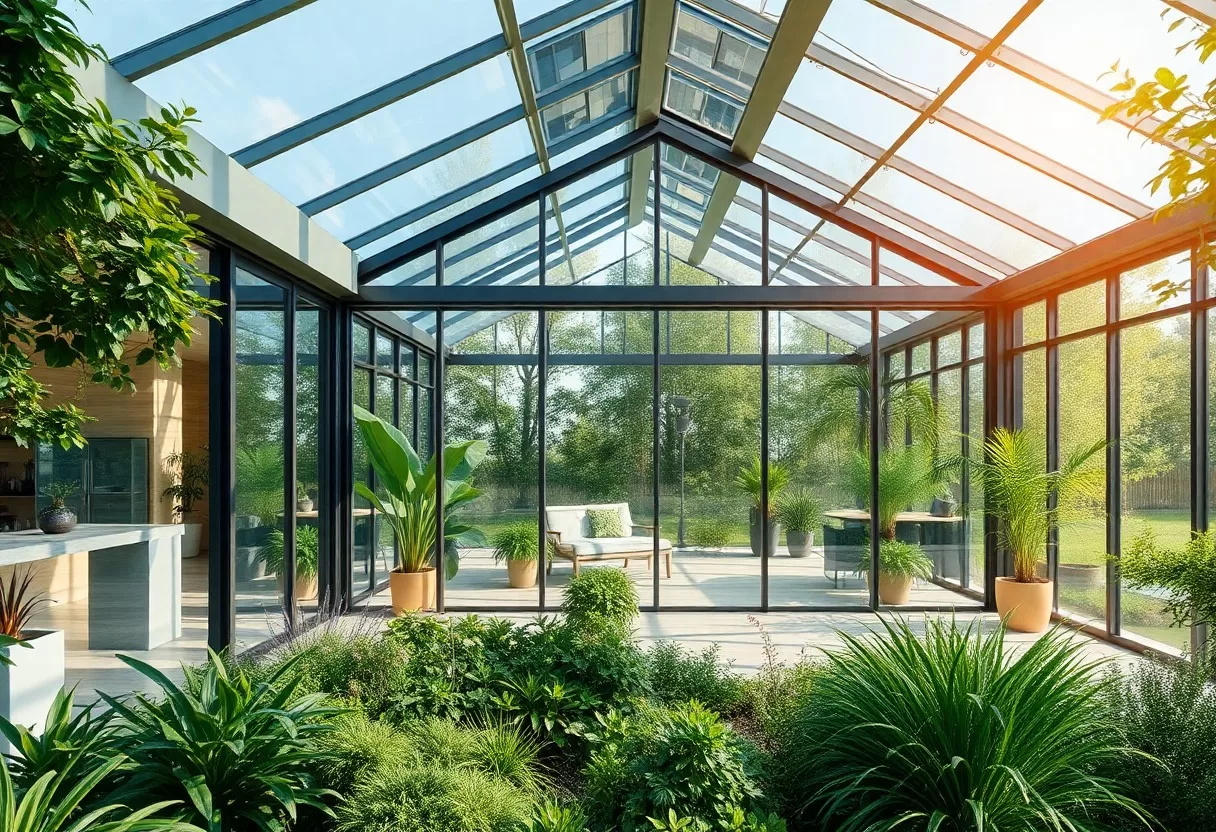
Sustainability in Glass Design: The Environmental Perspective
Glass in modern architecture is increasingly tied to sustainability goals. Good glazing lets daylight replace electric lighting for much of the day, while modern coatings and frames limit unwanted heat gain and loss. Glass is also highly recyclable, and some manufacturers now use recycled content and lower-carbon production. For a homeowner, the bigger factor is choosing glazing that suits your climate.
Energy Efficiency and Innovative Materials
Energy performance depends mostly on the glazing you choose. Low-emissivity (low-E) coatings reflect heat while letting light through, so rooms stay warmer in winter and cooler in summer. Double or triple glazing with gas fill and warm-edge spacers improves insulation further. When you compare windows, look at the U-factor, where lower means better insulation, and the solar heat gain coefficient, or SHGC, which tells you how much of the sun’s heat gets through.
As a rough rule, choose a lower SHGC for large west- and south-facing windows in hot climates, where afternoon sun can overheat rooms. In cold climates, a higher SHGC on south-facing glass lets winter sun help heat the house. In any glass house design, pair these choices with overhangs, deep eaves or exterior shades, which stop heat before it reaches the glass.
Case Studies of Eco-friendly Glass Projects
A few well-known projects and technologies show how glass and sustainability can work together. They differ a lot in scale and purpose, but each treats glass as part of a wider strategy for daylight, heat and materials rather than as decoration alone.
- The Edge, Amsterdam – an office known for its high sustainability ratings, built around a large glass atrium that brings daylight into the floors.
- Solar control glass – widely used in office towers, it reflects part of the sun’s heat while letting daylight through.
- Vancouver Convention Centre, Canada – its West building pairs harbor-facing glass walls with a large planted living roof.
- Glass Farm, Netherlands – its glass facade is printed with images of traditional farmhouses, showing how printed glass can add shade and privacy.
- Triple glazing – common in cold-climate homes, it keeps large windows from becoming cold spots in winter.
The lesson from these examples is that glass performs well when it is planned as part of the whole building. High-performance glazing, solar control coatings, printed patterns and planted roofs all reduce the downsides of large glass areas, such as heat gain and glare. At home the same thinking applies on a smaller scale: decide where you want light and views, then pick glazing and shading that keep the rooms comfortable.
Practical Tips for Incorporating Glass Elements in Your Home
Glass elements make a home feel lighter and more open. To get the most from them, keep these tips in mind:
- Choose energy-efficient glass for better insulation.
- Incorporate framed glass partitions to define spaces without losing light.
- Use frosted or tinted glass for privacy while still letting light through.
- Pick lighting elements with glass shades that spread light around the room.
- Use glass shelving to showcase decor while keeping your space airy.
Chosen with care, these glass elements tie your interior and exterior together and keep rooms bright.
Design Considerations and Challenges
When you add glass to a home, plan for safety and maintenance first. Building codes require tempered or laminated safety glass in hazardous locations, such as doors, shower enclosures and panes close to the floor. Large installations need proper structural support, especially in busy areas. Balancing natural light with privacy takes careful placement, and some rooms will need blinds, film or curtains.
Think about cleaning before you commit to a wall of glass. Upper windows in a double-height room may need a ladder, a pole system or a professional cleaner, so plan for access. Large panes also show smudges and water spots, especially on sunny sides. Some glass comes with an easy-clean coating that helps rain rinse off dirt, and a simple squeegee routine keeps the rest manageable.
Creative Applications for Various Spaces
Glass works differently in each room. In kitchens, glass backsplashes add color and wipe clean easily. In living rooms, large sliding glass doors open the space to a patio or deck. In bathrooms, glass showers replace bulky enclosures and make the room look bigger. Even small spaces can use glass accent tables or decorative elements that keep light moving while still being useful.

The Future of Glass in Architecture: Trends to Watch
Glass architecture is moving toward a mix of new technology and sustainable practice. As energy rules tighten, architects are finding ways to use glass that looks good and performs well. Expect more facades that respond to sun and weather, more designs that bring plants and daylight indoors, and early versions of transparent solar glass that can generate a little electricity.
Advances in Smart Glass Technologies
Smart glass is one of the most interesting developments. Electrochromic glass changes tint when you flip a switch or when a sensor tells it to, so you can cut glare without blinds. Thermochromic glass darkens on its own as it heats up in strong sun. Both can lower cooling needs, but they cost much more than standard glazing, so most homeowners use them only where shading is hard to fit, such as skylights.
Forecasting the Integration of Nature and Technology
Architecture is also bringing nature and technology closer together. More projects aim to support the environment around them rather than just sit in it. That includes vertical gardens, green roofs and glass designs that open rooms to planted courtyards, giving you a stronger connection to the outdoors even in a dense neighborhood.
This approach will likely become more common as cities grow. Expect more buildings that combine glass with living elements, such as planted terraces, winter gardens and glazed courtyards. The Bosco Verticale in Milan, two residential towers covered in trees and shrubs on deep balconies, is a well-known example of greenery built into a tall building. At home, a glazed garden room or a courtyard visible from several rooms brings the same idea down to a practical scale.
Sun angle & roof overhang calculator
Size an overhang that blocks hot summer sun but lets low winter sun warm your rooms.
Conclusion
Glass is one of the best tools you have for blending indoor and outdoor spaces. Used well, it brings in daylight, frames your views and makes rooms feel larger. The key is balance: choose glazing that suits your climate, plan privacy and shading from the start, and use safety glass where codes require it. With those basics covered, a glass house design can be both beautiful and comfortable to live in.
FAQ
Q: What are Glass Dreams and how do they enhance interior spaces?
A: “Glass Dreams” is simply this article’s title for transparent designs, not a product or brand. The idea is to use large glass walls, sliding doors and big windows to blur the line between indoors and outdoors. Daylight fills the rooms and you get open views of the garden or landscape, which makes interiors feel bigger and brighter.
Q: Are Glass Dreams energy efficient?
A: It depends on the glass. Double- or triple-glazed units with low-E coatings and insulated frames lose far less heat than older single glazing, and good shading keeps rooms from overheating in summer. Even the best glazing insulates less than a well-insulated wall, though, so in glass house design it pays to orient the glass carefully and size it to your climate.
Q: How do I maintain the Glass Dreams installations?
A: Clean large glass surfaces regularly with a soft, lint-free cloth or squeegee and a gentle glass cleaner to prevent dust and grime building up. Check seals, gaskets and frames once or twice a year for wear, and replace failed seals promptly, since fogging between panes means the insulated unit has lost its seal.
Visualize glass walls and large windows on your home with the AI exterior house rendering generator.
Related Guides
