
Fragrance First – Designing Outdoor Spaces Around Aromatic Plants
A fragrant garden engages a sense that most landscapes ignore. Lavender along paths, jasmine near seating and herbs underfoot release scent where people spend time. Here is how to choose aromatic plants and design a layout that fills your outdoor space with fragrance.
Table of Contents
Key Takeaways: Fragrant Garden Plants
- Aromatic plants add a layer of scent that most outdoor spaces miss.
- Planting for fragrance can make a garden more relaxing to spend time in.
- Many aromatic plants draw bees, butterflies and other helpful pollinators.
The Allure of Aromatic Flora
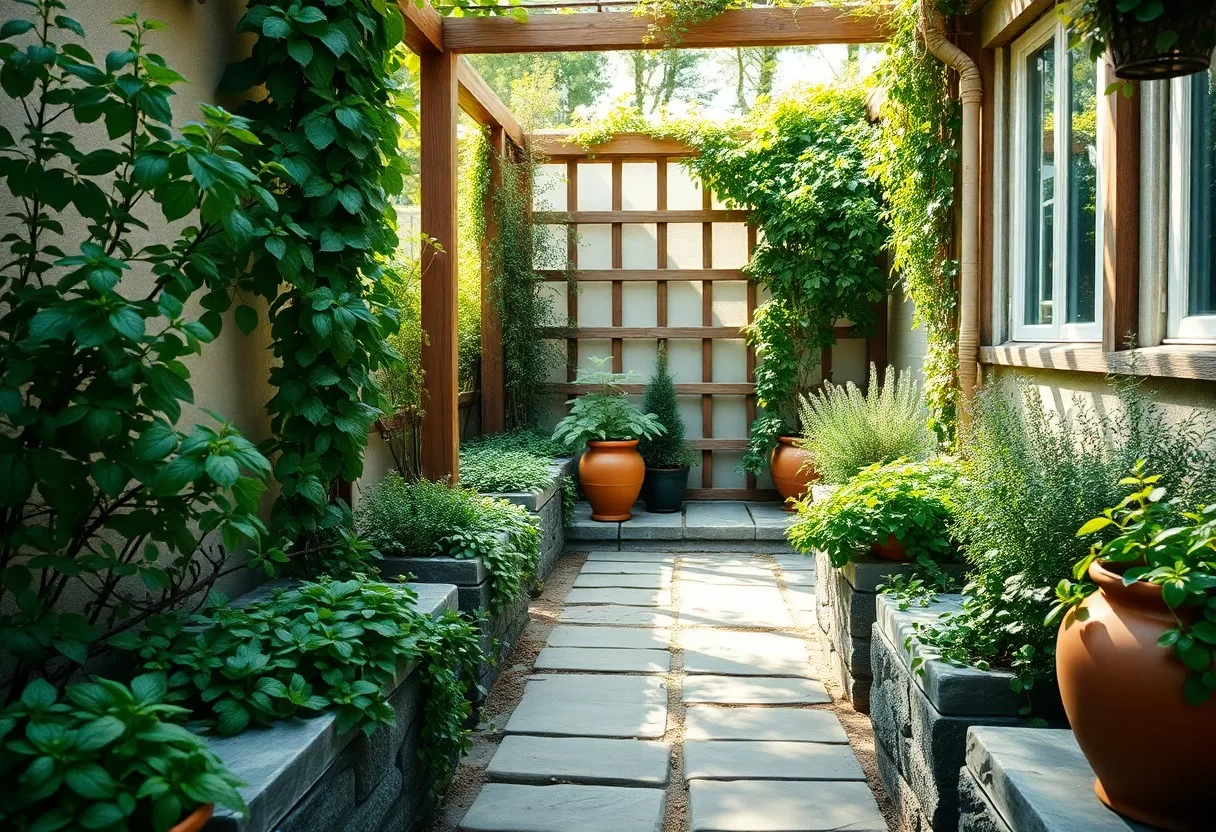
Aromatic plants add a whole extra dimension to an outdoor space. Lavender, rosemary and jasmine look good, but their real gift is scent, which can bring back memories and set a mood in a way color can’t. With some planning, you can choose fragrant garden plants that take turns through the year, so the garden smells different in May than it does in September and always gives you a reason to step outside.
Sensory Impact: How Scents Shape Outdoor Experiences
Fragrance changes how you use a yard. A sweet or fresh scent can make you slow down, sit longer or take a second lap around the beds. Brushing past mint or a lemon-scented herb on the way to the car is a small lift in your day. Put scent where you already spend time, like the patio, the front walk or under a window you open often, and you’ll notice it every day.
Psychological Benefits of Fragrance in Design
Many people find pleasant scents relaxing, and that is a good reason to plan for them. Lavender and lemon balm are classic choices for a calm corner, and both are easy to grow. Spend a few minutes in a scented garden after work and you’ll likely feel the difference. Think of fragrance as part of the comfort of the space, just like a good chair or a bit of shade.
Different scents tend to set different moods. Lavender is widely used for its calming reputation, so it fits well near a hammock, bench or reading chair. Citrus and mint smell bright and fresh, which suits an outdoor dining area or the beds where you do most of your work. Group plants by the mood you want in each zone and the garden will feel more intentional.
Selecting the Right Aromatic Plants
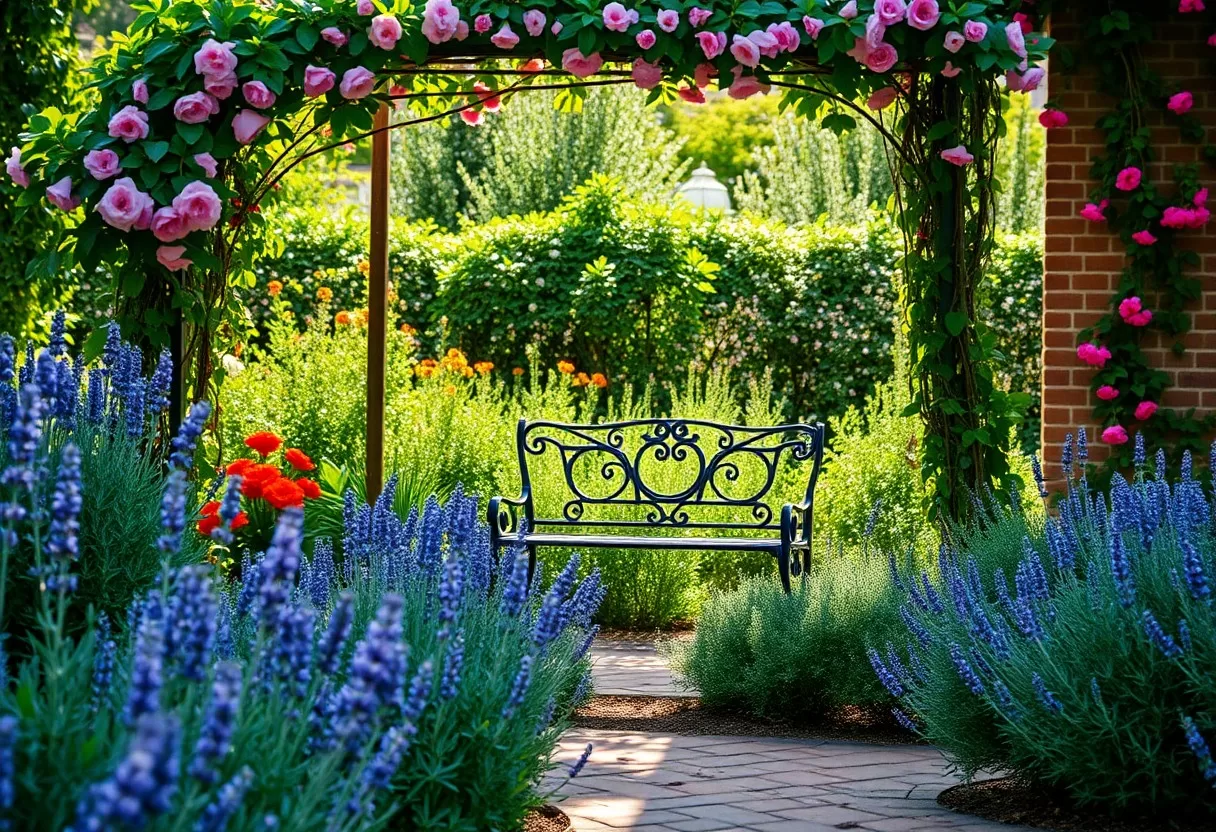
Pick aromatic plants that suit your site first and smell good second. A struggling plant won’t give you much scent. Check how strong each fragrance is, how big the plant gets and how fast it spreads. Lavender and rosemary are reliable starting points, with calming and fresh, piney scents. Native fragrant shrubs and perennials are worth a look too, since they usually need less water and care once they settle in.
Climate Considerations: Choosing Flora for Your Environment
Your local climate decides which aromatic plants will do well. Heat, humidity and rainfall all affect how healthy a plant is and how much scent it puts out. Mediterranean herbs like thyme and sage want dry soil and at least six hours of sun, while peppermint prefers steady moisture and handles part shade. Check your USDA hardiness zone before you buy, and stick mostly to plants rated for it.
Seasonal Scent Profiles: Planning for Year-Round Appeal
Mixing plants that peak at different times keeps your outdoor space smelling good for most of the year. Spring brings hyacinths, lilacs and some jasmine varieties, while summer is full of roses, lavender and other nectar-rich flowers. Late summer and early fall are the time for spicy herbs such as cinnamon basil before frost. Winter leans on evergreen foliage and scented winter blooms like witch hazel and sweet box.
Planning seasonal scent profiles means you always have something to smell when you step outside. Try lilac for spring, eucalyptus for aromatic summer foliage in warm climates, chrysanthemums for their spicy-scented leaves in fall and wintergreen as an evergreen ground cover for the colder months. Many fragrant garden plants also look good out of bloom, so choose ones with attractive foliage and the beds will stay interesting between flowers.
Innovative Layouts: Designing with Scent in Mind
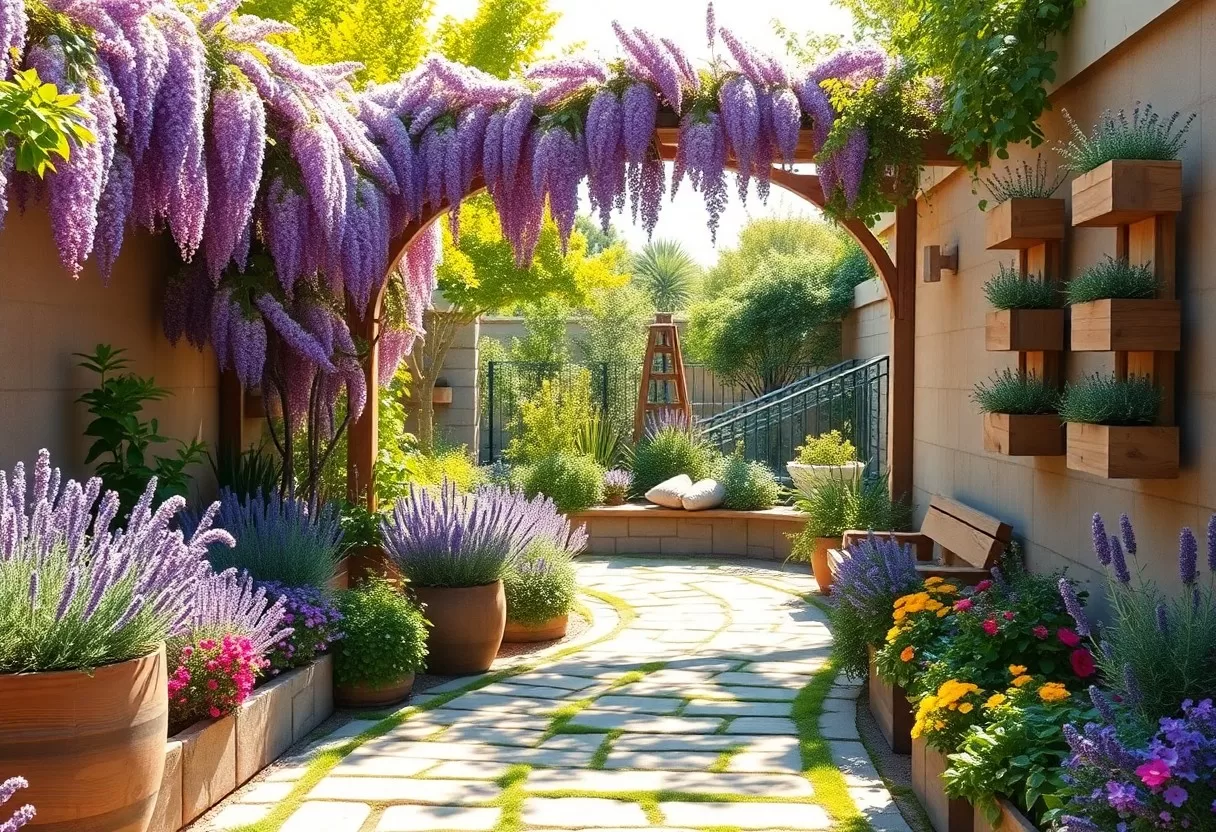
Designing around aromatic plants takes more than picking nice-smelling species. Layout matters. Think about sightlines, changes in level and focal points, and place the strongest scents where people naturally pause. Mix textures, colors and heights so the beds look good, and remember that air moves: plant upwind of seating when you can, using your usual summer breeze direction as a guide.
Creating Pathways: How to Guide the Nose through Spaces
Paths are one of the best places for scent. Line a walkway with aromatic plants so people brush them as they pass, which releases the oils in the leaves. Lavender and rosemary work well at the edge of a sunny path, and jasmine can climb a nearby fence or arch. Leave paths at least 3 to 4 feet wide so plants can spill over a little without blocking the way.
Strategic Planting: Layering Aromatic Plants for Maximum Impact
Layering plants helps scent build up and gives the bed more depth. Put taller plants like jasmine on a trellis or a shrub rose at the back, and low herbs such as thyme and oregano along the front edge. This tiered setup saves space, keeps every plant visible and lets the different aromas mix, especially on warm, still evenings when scent tends to hang in the air.
If you mostly use the garden after work, look for night-scented plants. Flowering tobacco (nicotiana), moonflower, night-blooming jasmine and evening primrose release much of their fragrance around dusk. Plant them in pots or beds within a few feet of the patio or an open window so you actually catch the scent while you sit outside.
To get steady fragrance, group plants with similar sun and water needs, then choose varieties that bloom at different times. For example, pair lavender with scented geraniums for a long run of scent on a sunny patio. Herbs like basil are easy to tuck between other plants and give you leaves for the kitchen. You can also set up small “scent zones,” such as a citrus corner or a lavender bed, so each part of the garden has its own character.
Maintenance and Sustainability of Aromatic Gardens
Keeping an aromatic garden healthy comes down to regular, simple care. A 2- to 3-inch layer of organic mulch holds moisture and keeps weeds down, so you water less. Trim herbs and shrubs after flowering to keep them compact and leafy, which is where much of the scent lives. Mixing pest-repelling herbs into your beds and moving annual herbs to a new spot each year also helps keep the garden healthy.
Care Tips for Thriving Fragrant Plants
To keep fragrant plants at their best, follow these basic care tips:
- Water plants deeply but infrequently to encourage root growth.
- Feed lightly with organic fertilizer, since most Mediterranean herbs prefer lean soil.
- Ensure well-drained soil to prevent root rot.
- Apply mulch to retain moisture and suppress weeds.
Learn what each plant needs, and your garden will reward you with fragrance all season.
Eco-Friendly Practices to Enhance Aroma without Harm
Using eco-friendly practices keeps your garden healthy and safe for wildlife. Try neem oil or insecticidal soap before reaching for harsh chemical sprays. Bring in helpful insects, like ladybugs and lacewings, by planting nectar-rich flowers nearby. A rain barrel cuts down on tap water for irrigation, and homemade compost feeds the soil so your aromatic plants grow strong.
Natural methods help the whole garden. A simple homemade spray of water and mild soap can knock back aphids without harsh chemicals. Native plants that suit your region need less water and fuss. For borders and paths, choose stone, gravel or untreated wood over plastic. Stick with these habits and you’ll get a lush, fragrant space that is good for you and for local wildlife.
Transformative Spaces: Real-World Applications of Scent-Driven Design
Scent-driven design works in many settings, from backyards to shop fronts. When you plan around aromatic plants, a space gets more than good looks. It gets a mood people remember. Place fragrant plants with care and you can create welcoming spots that encourage visitors to slow down, sit and enjoy themselves.
Residential Environments: Making Homes Inviting
Fragrant plants can make your home feel welcoming before anyone reaches the door. Picture walking up to the house past lavender and rosemary on a warm evening. Put the most fragrant plants near entryways, patios and windows you open often, so you enjoy them every day. A potted gardenia or a jasmine on a trellis by the front door makes a strong first impression on guests.
Commercial Spaces: Boosting Customer Experience through Aroma
Aromatic plants can also make commercial spaces more pleasant for customers. Planters with herbs or flowering shrubs near an entrance or café patio help a place feel fresh and cared for. A pleasant scent can make people more comfortable, and comfortable visitors tend to stay a little longer.
Smell is closely tied to memory and emotion, which is why many businesses think about scent. In a café or shop, aromas like fresh coffee or citrus help create a friendly first impression. Living plants are a gentle way to add scent outdoors, since they don’t overpower the way artificial fragrance can. Pick a few signature plants, keep them well maintained and they become part of how people remember your space.
To wrap up
Bringing aromatic plants into your outdoor space gives you a garden that engages more than your eyes and connects you with nature every time you step outside. With the right fragrances, you can create a calm, welcoming spot that appeals to all your senses. Before you plant, check your climate, soil type and the time you have for upkeep. Start with a few proven fragrant garden plants near the places you sit and walk most, and build from there.
FAQ
Q: What types of aromatic plants are best for outdoor spaces?
A: Popular aromatic plants include lavender, rosemary, mint, basil, and sage. These plants not only add fragrance but also attract beneficial insects and enhance the overall aesthetic of outdoor areas.
Q: How can I incorporate aromatic plants into my garden design?
A: Consider placing aromatic plants in key areas such as pathways, seating areas, or near windows to maximize scent diffusion. Grouping plants with complementary fragrances can create a more immersive aromatic experience.
Q: What are the maintenance requirements for aromatic plants?
A: Aromatic plants typically require well-drained soil and regular watering. Pruning and trimming are important for maintaining shape and maximizing fragrance. Be mindful of their sunlight needs, as most prefer full sun.
Place fragrant plants along paths and seating with the free AI garden and landscape designer.
Related Guides
