
High-Tech Windows – The Invisible Upgrade Every Future-Ready Home Needs
Smart windows do much more than let in light. Electrochromic glass tints on demand, low-e coatings cut heat loss and connected sensors integrate with home automation. Here are the main types of high-tech windows, their energy benefits and how to choose the right ones for your climate.
Table of Contents
Key Takeaways:
- High-tech windows improve energy efficiency and can lower heating and cooling costs.
- Advanced features include self-tinting and smart glass technology, improving comfort and privacy.
- Well-chosen windows add comfort, can add resale appeal and support greener living.
The Evolution of Window Technology
Historical Overview
Windows started simple. For centuries they were wooden frames holding single panes of glass, which let in light but did little to keep out cold, heat or noise. Over time, designs improved, from the leaded glass of medieval buildings to the mass-produced sash windows of the 19th century. Each step made windows cheaper and clearer, but real gains in insulation came much later.
Key Innovations
The biggest leaps came in the 20th century. Sealed double-glazed units, with an insulating air gap between two panes, became common in homes after the mid-1900s. Low-E coatings followed after the energy crises of the 1970s, adding a thin metallic layer that reflects heat. Now smart windows can change their tint based on sunlight, temperature or a tap on your phone, so the glass actively helps manage your home’s energy use.
Today’s innovations push efficiency further. Smart glass reacts to conditions, adjusting tint and heat gain through the day, which can cut cooling loads in sunny rooms. Frame materials have improved too. Fiberglass frames are strong, stable and low-maintenance, and they expand and contract at a rate similar to glass, which helps seals last. Triple glazing, once rare outside very cold climates, is now widely available for homes that want top performance.
Benefits of High-Tech Windows
High-tech windows bring practical benefits beyond looks. They can improve comfort, lower energy use, reduce outside noise and connect with smart home systems for added convenience. Some new technologies are still early, such as glass that generates power. For a look at where things may be heading, see Solar Innovators Imagine Energy Produced With Invisible ….
Energy Efficiency
Energy-efficient windows limit heat transfer, so your home stays cooler in summer and warmer in winter. They do this with two or three panes of glass, low-emissivity coatings and gas fills like argon or krypton between the panes. Use the NFRC label to compare windows. A lower U-factor means better insulation, and a lower solar heat gain coefficient (SHGC) means less heat from the sun gets through, which matters most in hot climates.
Enhanced Security Features
Many high-tech windows also add security. Reinforced frames, laminated glass and multi-point locks make break-ins much harder. Laminated glass has a plastic layer between panes, so it cracks but holds together instead of falling out. Some models include contact or glass-break sensors that tie into your alarm system and send an alert to your phone if someone tampers with the window.
Hidden sensors and automated locks let these windows work quietly in the background. Some motorized windows can close and lock on a schedule, or when your security system is armed. If you add sensors, put them on ground-floor and easy-to-reach windows first, since those are the most common entry points. Shatter-resistant glass also helps in storm-prone areas, where impact-rated windows protect against flying debris as well as intruders.
Types of High-Tech Windows
High-tech windows come in several forms, each with its own strengths for comfort and efficiency. Key types include:
- Smart Glass Technology
- Self-Cleaning Windows
- Electrochromic Windows
- Triple-Glazed Windows
- Vacuum Insulated Windows
Knowing these types makes it easier to match a window to each room’s needs before you start getting quotes.
| Smart Glass Technology | Allows you to control light and heat through electrical signals. |
| Self-Cleaning Windows | Uses special coatings to break down dirt and grime. |
| Electrochromic Windows | Changes tint based on user preference or sunlight exposure. |
| Triple-Glazed Windows | Offers superior insulation with three layers of glass. |
| Vacuum Insulated Windows | Maximizes insulation by creating a vacuum between panes. |
Smart Glass Technology
Smart glass lets you change the tint of your windows to control light, glare and heat. Electrochromic glass darkens when a small electric current is applied, so you control it with a switch, app or schedule. Thermochromic glass tints on its own as it warms up. Some privacy glass switches from clear to frosted in seconds, which works well in bathrooms and street-facing rooms. Smart windows with this glass cost more than standard units, so many homeowners use them only on the sunniest or most exposed openings.
Self-Cleaning Windows
Self-cleaning windows have a special coating on the outside of the glass that breaks down dirt when exposed to sunlight. When it rains, or when you rinse the glass with a hose, water spreads in a thin sheet and carries the loosened grime away. You still need to clean the inside by hand, but the outside stays clearer for longer, which saves you time and ladder work.
The coating works in two ways. It is photocatalytic, meaning UV light triggers a reaction that breaks down organic dirt, and hydrophilic, meaning water spreads out instead of beading, so it rinses off without streaks. It works best on windows that get direct sun and rain, and it is especially handy for skylights and upper-floor windows. Avoid abrasive pads and harsh chemicals, which can damage the coating.
Energy Efficiency and Sustainability
Upgrading to high-tech windows is one of the more effective ways to make your home efficient. Some newer products go further, such as invisible solar panels for windows developed to turn glass into a small power source. That technology is still emerging, so treat it as one to watch rather than a sure bet. For now, the proven gains come from better insulation and solar control, which cut the need for heating, cooling and artificial light while keeping rooms comfortable.
Reducing Carbon Footprint
Energy-efficient windows can shrink your home’s carbon footprint. By holding heat in during winter and blocking it in summer, they reduce how hard your furnace and air conditioner have to work. Less energy use means fewer emissions, especially if your home relies on gas or oil heat. Windows are only one part of the picture, though, so pair the upgrade with good insulation and air sealing for the best results.
Cost Savings Over Time
High-tech windows cost more upfront, but they can pay you back over time through lower energy bills. Check for federal, state and utility incentives for energy-efficient upgrades, which can cut the net cost. How fast the windows pay for themselves depends on your climate, energy prices and how leaky your current windows are. Replacing old single-pane windows brings the biggest gains, while swapping decent double-pane units brings smaller ones.
To estimate your own savings, start with your annual heating and cooling costs from past utility bills. Then compare the U-factor and SHGC of your current windows with the new ones. An energy auditor can give you a more precise estimate, and the calculator linked below can help you work out the payback period. Keep in mind that comfort gains, like fewer drafts and less glare, are real benefits even when the dollar savings are modest.
Integration with Smart Home Systems
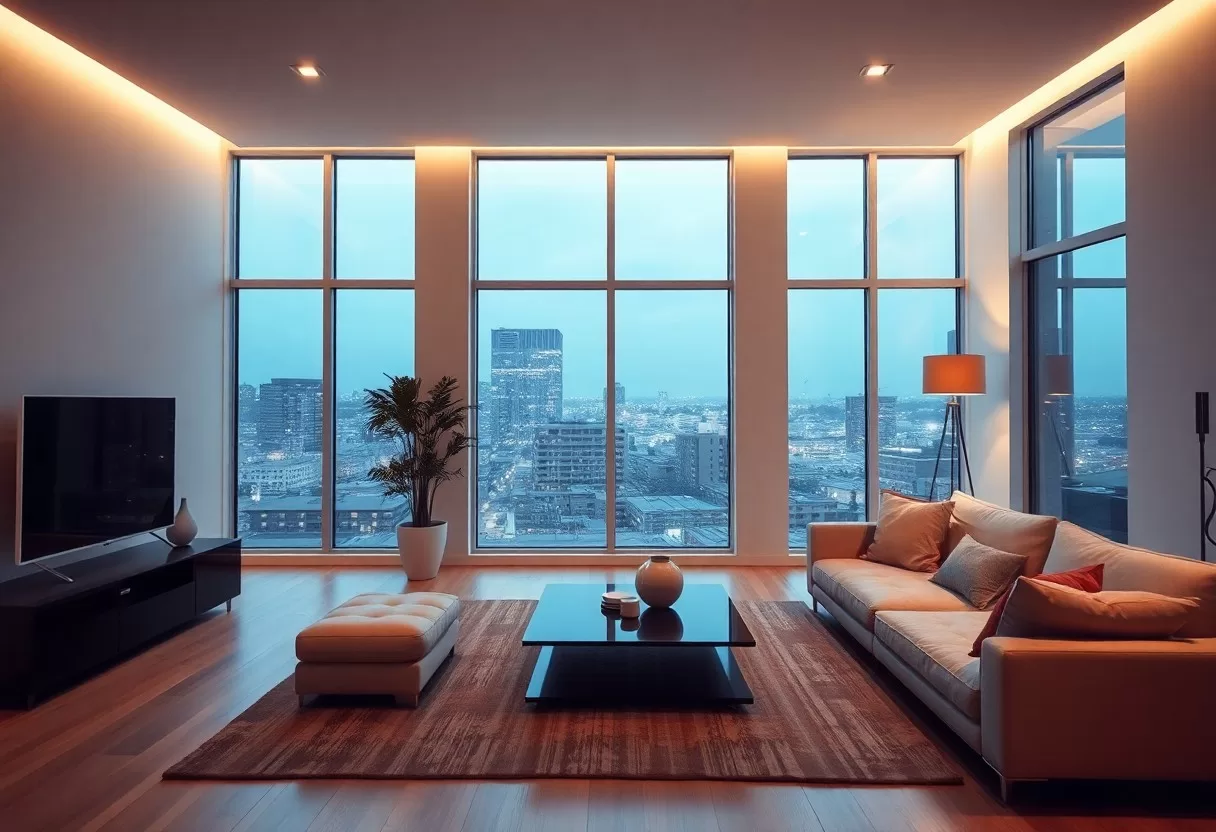
Smart windows become more useful when they connect to the rest of your smart home. They can work with your thermostat, security system and lighting to save energy and keep you comfortable. For example, on a hot afternoon the glass can tint and the shades can lower automatically, while the thermostat holds steady. In the morning, the glass can clear again to let in daylight, so you rely less on lamps.
Compatibility with IoT Devices
Many high-tech windows connect to Internet of Things (IoT) devices through hubs or apps. Depending on the system, a window sensor can tell your thermostat to pause heating when a window is open, or your security system can send an alert to your phone if a window opens while you are away. Before you buy, check which platforms the windows support, such as Wi-Fi, Zigbee, Z-Wave or Matter, so they work with what you already own.
Remote Control and Automation
Remote control lets you manage your windows from anywhere. Through a mobile app, you can adjust the tint or shades and, with motorized units, open or close the windows for ventilation. It is handy when you forget to close a window before a storm or want to cool the house before you get home.
Automation lets you set rules based on your schedule and preferences. You might program windows to close when the outdoor temperature passes a set point, or open for fresh air during cool morning hours. Rain sensors can close motorized windows and skylights automatically. Many systems also work with voice assistants like Alexa or Google Assistant for hands-free control. Make sure motorized windows have obstruction sensors, especially in homes with children or pets.
Choosing the Right High-Tech Windows
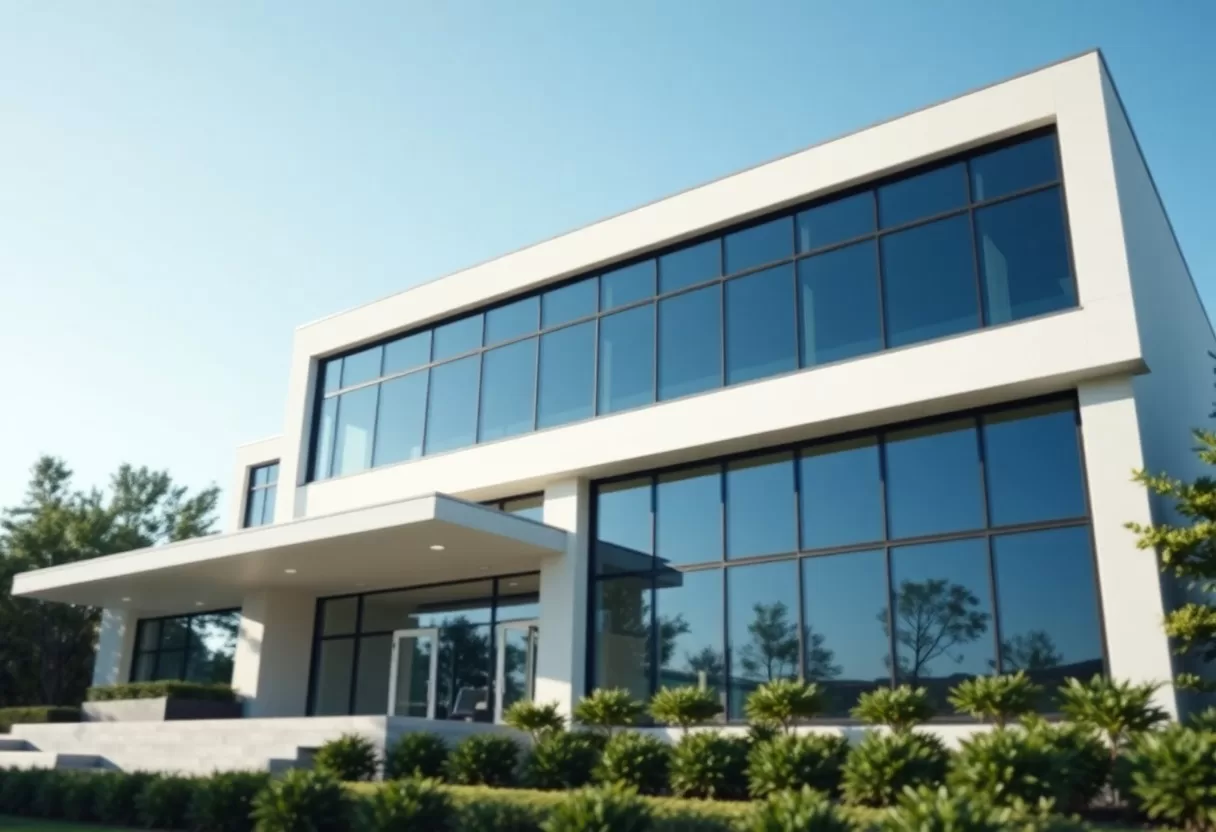
Choosing the right high-tech windows starts with your needs. Think about which rooms get the most sun, where you need privacy, which windows are hard to reach and how much you want to spend. Smart windows don’t have to go in every opening. Weighing function, looks and energy efficiency room by room helps you put your budget where it does the most good.
Factors to Consider
When you compare high-tech windows, start with the NFRC energy ratings, especially the U-factor and solar heat gain coefficient. In cold climates, aim for a low U-factor; in hot climates, a low SHGC matters more. Check the frame material and make sure the style suits your home. Look at sound ratings if you live near traffic, and review the security features. Finally, compare the total installed cost and read the warranty terms on glass, frames and any electronics. Key considerations include:
- Energy efficiency ratings
- Material durability
- Aesthetic compatibility
- Sound insulation properties
- Security features
- Cost and warranty options
Checking these points side by side will help you choose windows that fit your home, climate and budget.
Installation and Maintenance
Good installation matters as much as the window itself. Even the best glass will leak air or water if the opening isn’t flashed, shimmed and sealed properly. A professional installer makes sure the window is square, level and weathertight. Motorized and smart windows may also need an electrician for wiring. Ongoing care is simple: clean the glass and tracks, and check seals and frames regularly.
Hire certified or manufacturer-approved installers, since some warranties require it. Keep tracks and weep holes clean so water drains properly, and lubricate moving parts as the manufacturer recommends. Inspect caulk and weatherstripping once a year and replace any that has cracked or pulled away. For smart windows, keep the app and firmware updated and replace sensor batteries on schedule. Small fixes catch problems early and keep your windows working well.
Final Words
High-tech windows are a smart upgrade for a future-ready home. Better energy efficiency, smart controls and stronger security add comfort and can add appeal when you sell. Start with the rooms where windows cause the most trouble, such as hot west-facing rooms or drafty bedrooms, and choose features that solve those problems. Done well, these quiet upgrades lower your bills, shrink your carbon footprint and make your home easier to live in.
Heating & cooling savings calculator
Pick the upgrades you are considering and see how much they could cut your yearly energy bill.
FAQ
Q: What are high-tech windows?
A: High-tech windows are advanced window systems that integrate technology to enhance energy efficiency, control temperatures, and improve home automation. They may include features like smart tinting, automated shading, or embedded sensors to monitor environmental conditions.
Q: How do high-tech windows contribute to energy savings?
A: These windows reduce energy consumption by regulating indoor temperatures and minimizing heat loss or gain. Smart glass technology can adjust based on sunlight exposure, which decreases reliance on heating and cooling systems, leading to lower utility bills.
Q: Are high-tech windows compatible with existing home designs?
A: Yes, high-tech windows can be customized to fit various architectural styles. They are designed to replace traditional windows without major structural modifications, making them suitable for both new constructions and renovations.
Estimate the payback of a window upgrade with the energy efficiency savings calculator.
Related Guides
