
How to Design for Privacy in Urban Homes Without Sacrificing Light
In dense neighborhoods, privacy and daylight often seem to compete. The right mix of window placement, translucent glazing, external screens, interior layout and planting can block sightlines while keeping rooms bright and airy. This guide shows how to get privacy in urban homes without making them dark or closed off.
Table of Contents
Key Takeaways:
- Translucent glazing (frosted, acid‑etched, fritted) admits daylight while obscuring sightlines, ideal for street‑facing windows and bathrooms.
- Layer privacy with operable screens, curtains, blinds, and dense planting so occupants control views without sacrificing skylights or high windows.
- Place primary glazing higher-clerestories, high windows, and light wells deliver daylight deep into rooms while keeping ground‑level privacy.
- Create internal zoning with partial partitions, hallways, and translucent interior screens to separate public and private functions while maintaining openness.
- Consider smart glass, reflective films, and angled louvers for adjustable privacy that deflects views during peak hours without cutting daylight.
Analyzing Key Site Factors for Light and Seclusion
Assess site importants:
- orientation
- adjacent massing
- street sightlines
- vegetation
- topography
Knowing these site factors lets you balance natural light and privacy.
Mapping sun paths to maximize natural illumination
Map seasonal sun paths so you place windows for winter gain and summer shade; combine overhangs and light shelves to reduce glare while preserving daylight and views.
Identifying sightlines and neighboring visual intrusions
Survey sightlines from primary rooms and outdoor areas to spot visual intrusions; you can block views with screens, planting, or staggered massing while keeping daylight.
Examine eye-level sightlines at typical occupiable heights across times of day using sketches, camera panoramas, or simple viewshed apps to reveal unwanted observation and visual intrusions. Test mitigations: operable screens, angled glazing, fritted or frosted panels, layered planting, and adjusted balcony placement to preserve daylight and valued views while reducing exposure.
Strategic Architectural Orientation and Openings
Orient your building to frame views and block sightlines, placing openings where they capture daylight while shielding neighbors. Use setbacks and angled facades so natural light fills interiors without exposing private areas; consider window placement, overhangs and screening to protect against privacy risks while preserving brightness.
Utilizing clerestory windows and high-level glazing
Place clerestory windows high on walls so you capture daylight while keeping sightlines above neighboring eye level. You can pair high glazing with frosted or low-emissivity coatings to cut glare and heat, and add operable vents or fixed screens to maintain privacy without losing ambient illumination.
Implementing internal courtyards and light wells
Use internal courtyards and light wells to bring daylight deep into plans while enclosing views from adjacent properties. You should size openings and add vertical glazing or reflective surfaces to amplify light, and integrate planting or screens to protect private outdoor areas from overlooking.
Consider placing courtyards on the quieter side of the plan and sizing light wells to balance direct sun with reflected brightness; narrow wells intensify daylight while wider courts support planting and use. You should detail drainage slopes and sealed planters to avoid standing water, install fixed screens to block unwanted sightlines, and specify high-reflectance materials to maximize daylight without increasing visible glazing exposure.
How-to Select Translucent and Textured Materials
You should choose textures that balance privacy with natural light, prioritizing options that diffuse glare while keeping views out; pick tempered finishes for safety and test samples in both daylight and evening to confirm performance.
Comparing frosted, ribbed, and sandblasted glass options
Compare frosted, ribbed, and sandblasted glass so you can choose: frosted offers even diffusion and strong privacy, ribbed directs light for brightness without views, sandblasted preserves silhouettes; select finish based on glare control and visual obscurity.
Material vs Effect
| Type | When you should use it |
|---|---|
| Frosted | Even diffusion, high privacy, bathrooms, doors |
| Ribbed | Directional brightness, reduced glare, corridors, partitions |
| Sandblasted | Soft silhouettes, moderate obscurity, feature walls |
Using glass blocks to diffuse light while obscuring views
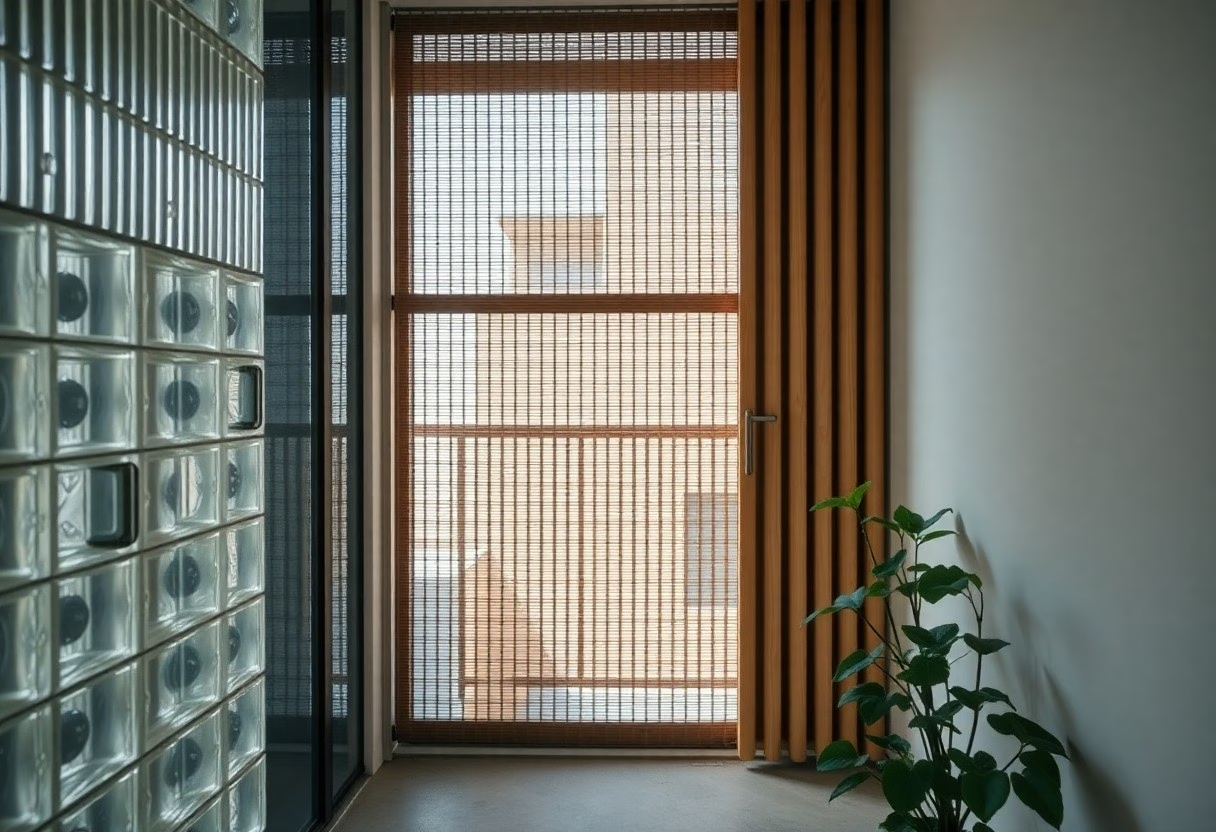
Use glass blocks to scatter daylight and secure privacy; they create soft, even light while blocking views, but account for weight and mortar joints during installation and plan for ventilation and acoustic needs.
Consider sizing and bond pattern to control sightlines and brightness; you can mix clear and frosted blocks for varied diffusion, and install insulated units or tempered blocks for better thermal performance and safety; hire experienced installers to ensure proper sealing.
External Screening and Shading Solutions
External screening lets you block sightlines while preserving daylight by placing barriers outside the glazing; choose fixed screens for continuous privacy or operable systems for flexible control, and prioritize daylight access while reducing solar heat gain.
Installing perforated metal panels and timber battens
Install perforated metal panels and timber battens so you diffuse views yet retain light; vary pattern, spacing and setback to tune visibility, and specify corrosion-resistant finishes while confirming fire performance for safety.
Designing adjustable louvers for precision light control
Designing adjustable louvers lets you fine-tune privacy and daylight simultaneously by altering blade angle and spacing; prioritize smooth actuation for user control and guard against mechanical failure that can compromise privacy or light admission.
Specify blade widths, materials and manual versus motorized drives based on orientation and expected wind loads; you should aim for blade angles that admit low winter sun while blocking high summer sun (often 25-45°), integrate sensors or timers for programmable control, and provide safe access for maintenance to avoid entrapment hazards and prolong performance.
Interior Layout Tips for Enhanced Privacy
Plan room zoning to position sleeping and living areas away from sightlines, using screens, shelves, and rugs to keep privacy while allowing natural light; see practical ideas at How do I let natural light in without feeling like I live in a …. Thou should test sightlines at different times and adjust furniture.
- Zone living and sleep areas to protect your privacy
- Place tall furniture as screening while letting natural light through
- Fit double tracks so you control view and privacy independently
Positioning furniture to block street-level visibility
Position sofas and tall bookshelves to interrupt sightlines from sidewalks, angling seating and planting tall pots so you keep privacy without darkening rooms; use raised rugs to define zones while letting light flow.
Layering window treatments with sheer and opaque fabrics
Combine sheers and blackout curtains on double tracks so you enjoy natural light by day and full privacy at night, adjusting layers to control glare without closing off views.
Choose heavy opaque panels for night and lightweight sheers for day; mount on separate tracks to switch layers quickly. You should select high-density linings to block streetlamp glare and low-twist sheers to diffuse sun without losing brightness. Install cordless or motorized fittings for safe, precise control and keep measurements tight to prevent gaps that compromise privacy and let in heat.
Integrating Natural Buffers and Greenery
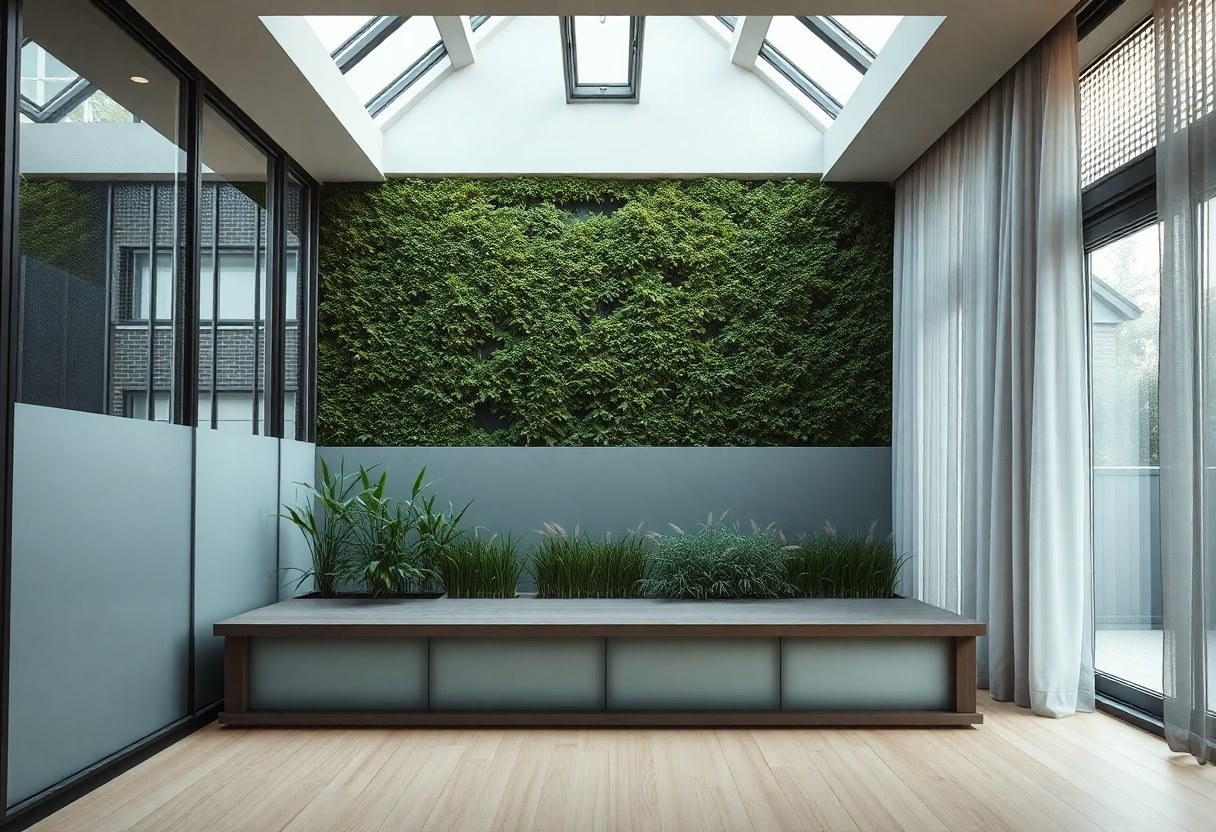
Plants as buffers let you enjoy light while softening sightlines; place tall planters, lattices and evergreen screens to block views without darkening rooms. See 8 Stylish Ways to Add Privacy to Your Home Without Compromising Light for ideas.
Selecting high-density plants for balcony and window screening
Choose columnar evergreens and bamboo in deep pots to create dense screening that still allows air and light; rotate species to avoid pests and maintain year-round coverage.
Creating vertical gardens as organic privacy shields
Install trellises, modular planters and climbing vines to form organic privacy shields that preserve daylight; use lightweight frames for balconies to respect structural limits.
Layer fast-growing climbers, drought-tolerant trailing plants and dense-leaved perennials so you balance privacy with light transmission. Monitor weight limits and wind exposure on balconies, mount secure anchors, and schedule pruning to prevent pest build-up while sustaining healthy screening and daylight access.
Conclusion
Considering all points, you can balance privacy and daylight by combining translucent glazing, strategic window placement, adjustable screens, clerestories, reflective surfaces, and planted buffers to admit light while shielding sightlines; use zoning and switchable glass to control views and maintain openness without sacrificing privacy.
FAQ
Q: How can I maintain privacy in an urban home without sacrificing natural light?
A: Use translucent glazing such as frosted, sandblasted, or acid-etched glass to admit diffuse daylight while obscuring views. Install patterned frits or privacy window film where clear glass would expose interiors to neighboring sightlines. Consider switchable electrochromic glass for on-demand opacity that retains light when transparent. Place windows as clerestories, high sashes, or narrow vertical slots so daylight penetrates deep into rooms but direct lines of sight are limited. Arrange private functions behind buffer zones like closets, bathrooms, or circulation space to reduce visible activity from the street or adjacent buildings.
Q: Which window treatments let in light while protecting privacy?
A: Layer lightweight sheer curtains with top-down/bottom-up shades to control sightlines without blocking sky light. Fit adjustable slatted blinds or perforated screens that can be angled to reflect sunlight inward while blocking views from certain elevations. Use motorized blinds or roller screens with preset positions for morning glare, daytime privacy, and evening openness. Choose light-colored fabrics and reflective linings to bounce natural light deeper into the room when privacy elements are engaged.
Q: What external measures can improve privacy without darkening the interior?
A: Install vertical screens, perforated metal panels, or timber slatted screens set a short distance from the facade so light passes through gaps but direct views are interrupted. Planting on balconies, in raised planters, or on trellises at eye level creates a living screen that transmits filtered light. Incorporate narrow light wells or breeze-ways between buildings to bring daylight into lower floors while creating separation from neighbors. Use translucent canopy or awning glazing above windows to admit high-angle daylight while blocking lower-angle sightlines.
Q: How should internal layout and partitions be handled to balance light and privacy?
A: Organize the plan with public zones (living, kitchen) facing the best light and private zones set behind buffers or higher windows. Employ translucent internal partitions, glass blocks, or ribbed glass doors to share daylight between spaces while preserving enclosure. Create split-levels, mezzanines, or short corridors that interrupt direct views into bedrooms and bathrooms without closing off light paths. Use built-in storage, open shelving, and screens to act as partial visual barriers that still allow light to pass around them.
Q: What solutions work best for very narrow lots or close neighbors?
A: Orient windows to capture sky views and reflect light from light-colored external finishes and courtyard surfaces rather than relying on street-facing openings. Introduce skylights, light tubes, and internal atria to bring daylight into the center of a compact plan. Place angled or bay windows to deflect sightlines away from adjacent properties while admitting oblique daylight. Apply daytime privacy glazing on lower levels and reserve clear views at upper floors where privacy exposure is lower.
Test window placement and room orientation on your lot in the free 3D house layout planner.