
Why Your Dream Home Layout Might Not Work in Real Life
A dream home layout that looks perfect in photos can fail once real life moves in. Site constraints, structure, poor circulation and budget limits often surface late, when changes are expensive. This guide explains the most common gaps between inspiration and reality and how to plan a layout that works for years.
Table of Contents
Key Takeaways:
- Visual plans often omit furniture scale, door swings, and appliance clearances, causing layouts that feel tight or unusable once built.
- Sunlight and orientation change with site conditions and nearby buildings, so window placement in renderings may not deliver the light or views expected.
- Storage and mechanical systems get squeezed into leftover spaces, leaving closets, duct runs, and plumbing that force compromises to room sizes and placement.
- Traffic flow and privacy suffer when circulation paths cross living areas or bedrooms, creating noise and awkward movement patterns that drawings don’t reveal.
- Budget, codes, and site conditions impose structural, setback, and utility constraints that can require reworking layouts or upgrading finishes to meet reality.
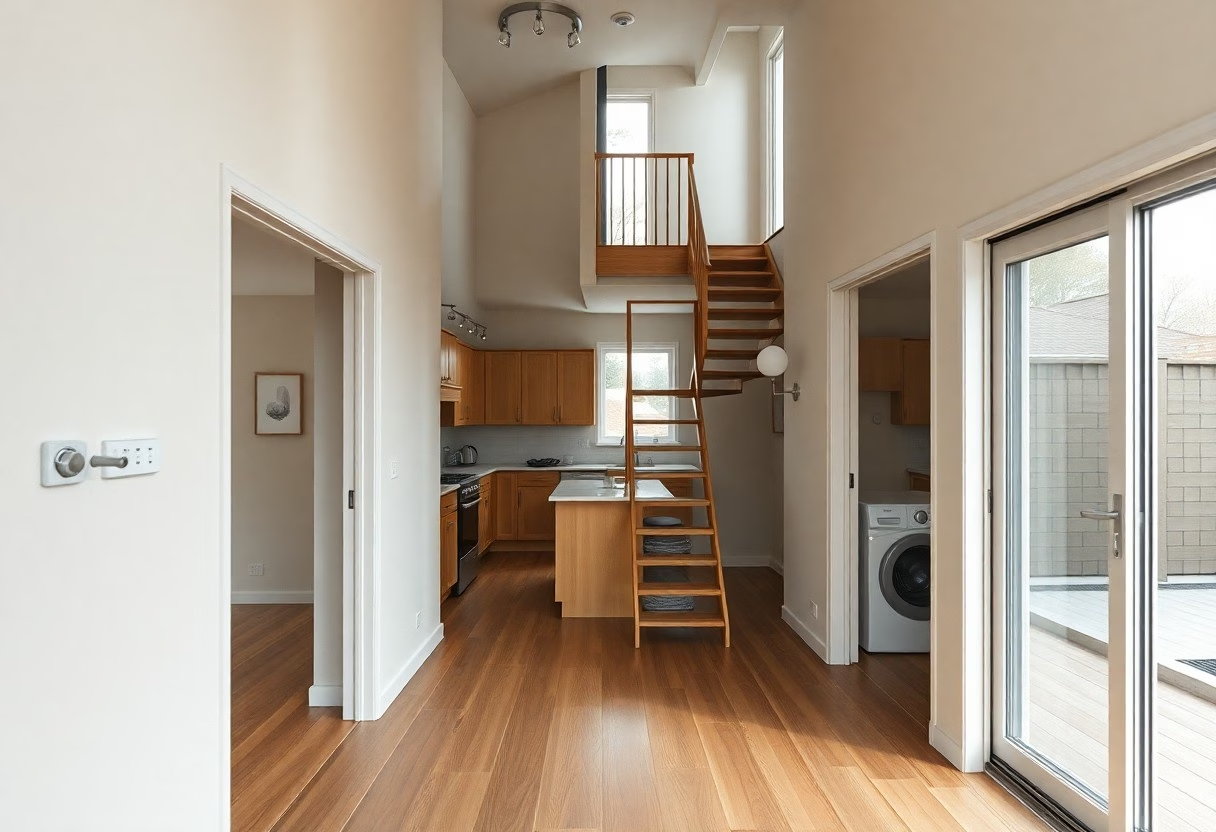
The Disconnect Between Visual Inspiration and Daily Utility
Design photos flatten circulation and scale, so you must imagine how your family moves, where sunlight shifts, and how privacy, clutter, and maintenance will affect daily comfort.
The Illusion of the Open Floor Plan
Open plans look airy, but you may suffer from constant noise, reduced privacy, and inefficient heating once daily routines collide.
Prioritizing Aesthetics Over Functional Storage Solutions
Style-driven choices often hide true needs, leaving you with elegant rooms but insufficient storage that turns functionality into an afterthought.
Storage must be planned around how you actually live: allocate reachable spots for daily items, design for bulky gear, and include dedicated, purpose-built solutions so aesthetics don’t force you into constant tidying or costly retrofits.
Structural Limitations and Engineering Realities
Steel beams, timber joists and foundation footprints often fix where walls and openings must remain, so you should coordinate with an engineer early to map load paths and avoid costly surprises when a desired change isn’t structurally feasible.
The Impact of Load-Bearing Requirements on Open Spaces
Beams and columns dictate which partitions you can remove, and if you insist on large uninterrupted areas you’ll face expensive engineered solutions or added supports that reduce usable space and increase budgets.
Integrating Essential HVAC and Plumbing Systems
Ductwork and piping require vertical chases and service zones, so you should plan layouts around utility cores to prevent late rerouting that eats into floor area and funds.
Routing ducts, stacks and vents through floors and walls affects ceiling heights and may force dropped soffits; you should cluster kitchens, bathrooms and mechanical rooms to stack systems vertically, minimize penetrations and lower retrofit costs. Provide service access and install backflow protection and firestopping to reduce the risk of water damage, mold or gas leaks.
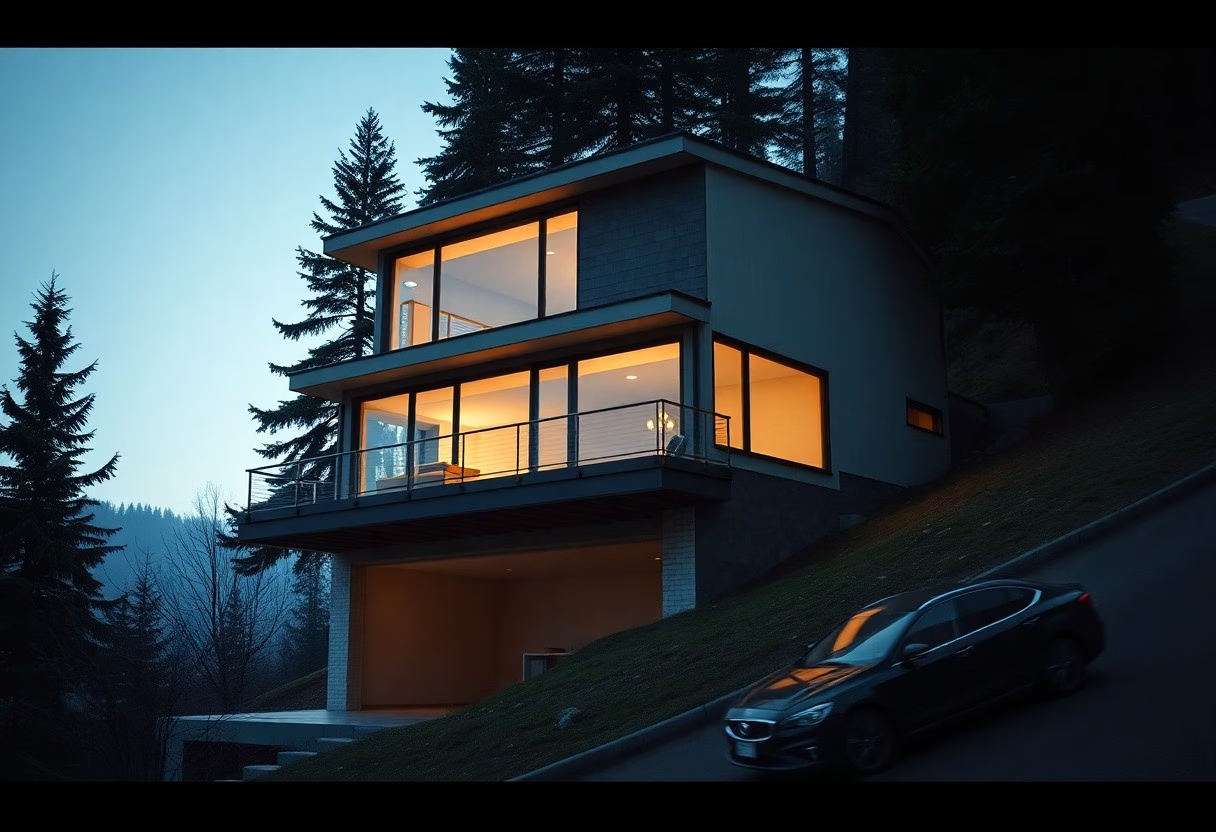
Environmental Factors and Site Orientation
Site-specific environmental factors and site orientation alter daylight, wind and access, so a plan that reads well on paper can become inefficient or uncomfortable on your lot. You can learn from other owners’ mistakes at Most Homeowners Regret Their Floor Plan-Don’t Be One …
- Sun path and seasonal angles
- Prevailing winds and ventilation
- Topography, drainage and soil stability
- Views, noise and access
Recognizing how those constraints force window placement, room layout and foundation choices helps you prioritize solar orientation, drainage and natural ventilation before construction.
Misjudging Solar Orientation and Thermal Comfort
Sunlight angles shift dramatically through seasons, so if you place large glazing without shading or thermal mass you will face overheating or excessive heat loss; design window orientation and shading to preserve thermal comfort year-round.
Failing to Account for Local Topography and Microclimates
Slope and nearby vegetation create wind funnels, frost pockets and drainage traps that can invalidate your layout or spike site costs, so identify these microclimates early in planning.
Topography determines foundation type, excavation needs and how sunlight and wind hit each room; if you ignore slope and soil you risk erosion, flooding and costly retaining walls. You can use grading, swales, stepped foundations and native planting to protect against hazards and to capture views, increase daylight and enhance natural ventilation, but those solutions must guide your floor plan and access routes from the start.
Circulation Patterns and Ergonomic Failures
You can love an airy plan on paper but confront blocked walkways and frequent collisions in daily life; these failures turn convenience into frustration and safety risks. See practical solutions in 7 Floor Plan Mistakes and How to Avoid them in Your Home.
Identifying Common Traffic Flow Bottlenecks
Recognize where door swings, furniture clusters, and appliance placement create choke points that force detours, slow movement, or cause near-misses during busy hours.
The Critical Importance of Room Scale and Clearance
Measure clearances to allow comfortable movement: aim for 36 inches for main paths and 42-48 inches in kitchens to avoid cramped, unusable areas and blocked access.
Space planning makes you check real human movement-test door swings, seating arrangements, and appliance access on a mock layout to reveal collision hazards and blocked emergency routes. Small shifts like moving a sofa or widening a corridor by 6-12 inches often convert a pretty room into one that actually works for daily life.
The Evolution of Lifestyle and Long-Term Needs
Lifestyle shifts mean you often need different spaces as careers, caregiving roles and hobbies change, so your ideal plan can become a poor fit; unexpected retrofit costs and layout limitations expose long-term risks to comfort and value.
Overlooking Universal Design and Future Accessibility
You often prioritize style over function, missing simple upgrades like zero-step entries or wider doorways that reduce fall risk and increase resale value.
The Challenge of Adapting Rigid Layouts for Changing Families
When you expand your household, rigid floorplans force costly structural changes and erase the flexibility you’ll need.
Adapting a rigid layout later usually means moving load-bearing walls, reworking plumbing and electrical, and interrupting daily life; these interventions can create unexpected bills and temporary displacement, so you should weigh phased remodels or choose designs that preserve simple room conversions.
Economic Viability and Construction Complexity
Construction details that look elegant on paper can balloon costs and timelines when you factor specialized materials, custom framing, and complex mechanical runs; unexpected structural work and permitting delays often force design compromises or higher bids.
The Hidden Costs of Non-Standard Geometric Designs
Angles and non-standard curves demand custom fabrication and skilled labor, increasing material waste and site time; you can face sharp cost overruns and longer permit reviews that erode your contingency fast.
Balancing Architectural Ambition with Realistic Budgeting
Budgeting must tie design choices to clear line-item estimates and realistic contingencies so you can protect scope and schedule while keeping financial risk visible to all stakeholders.
When you push for signature elements, require bid options that separate premium features from base scope; contractors may understate complexity, so you should demand detailed mockups, unit pricing, and a 10-20% contingency to safeguard against hidden structural or code-driven costs while preserving long-term value.
To wrap up
With this in mind, you should test your dream layout against real-world needs: traffic flow, storage, budgets, regulations and daily routines often expose impracticalities, so adjust plans to match site constraints and living patterns before committing.
FAQ
Q: Why doesn’t my dream open-plan layout feel comfortable in real life?
A: Open-plan layouts look great in photos but can fail in daily use. Open-plan mealtime noise, TV sound, and conversation overlap make concentration or quiet tasks difficult. Cooking smells and steam travel without enclosed walls, affecting bedrooms and fabrics. Furniture placement and circulation paths often get squeezed when practical items like play areas, work desks, and storage are added. Add partial partitions, zoning rugs, sliding doors, or dedicated work nooks to regain privacy without losing light.
Q: Why won’t the scale of rooms match the look of renderings?
A: Real estate renderings use idealized proportions and furniture that may be scaled down. Small differences in ceiling height, window placement, or door swings change perceived size and usable floor area. Hallways and circulation need clearance that design mockups sometimes ignore, consuming space you expected for closets or seating. Test the plan with full-size cardboard cutouts, mark furniture footprints, and walk the flow on-site before committing.
Q: Why do plumbing, HVAC, and structural constraints force changes to my layout?
A: Structural columns, load-bearing walls, and foundation lines restrict where you can open or move spaces. Plumbing and HVAC are clustered around vertical chases and stacks; shifting bathrooms or kitchens far from those routes multiplies cost and complexity. Building codes require minimum ceiling heights, egress paths, and mechanical clearances that may force layout changes. Work with an engineer early to map constraints and budget for rerouting if you must relocate systems.
Q: Why does natural light and site orientation ruin the ideal layout?
A: Sun path, prevailing winds, and neighboring buildings determine where windows perform best. South- and west-facing glazing can produce glare and overheating in summer, while north-facing rooms may feel dim and need more artificial light. Trees, fences, and adjacent houses can block views that renderings assume are unobstructed. Adjust room placement, window size, and shading devices to match the actual site conditions.
Q: Why do everyday living and maintenance make some dream features impractical?
A: Daily habits reveal practical needs that high-design layouts ignore. Long, narrow kitchens look sleek but become frustrating during food prep with multiple users. Open shelving and delicate finishes show clutter and wear quickly in active households. Built-in storage, durable finishes, and practical pathways make living easier and increase long-term value even if they change the visual purity of the original scheme.
Walk through your idea in 3D with the free 3D house layout planner and catch problems early.