
What Makes a House Feel Expensive (Even on a Tight Budget)
Design choices shape how expensive your home feels, regardless of budget. Clean lines, cohesive color palettes, and intentional lighting create instant sophistication. Clutter is the most dangerous enemy-it cheapens any space. You gain perceived value by focusing on quality over quantity and choosing a few standout pieces that reflect confidence and care.
Table of Contents
Key Takeaways: Make Your House Look Expensive
- A cohesive color palette and consistent design style-like matching hardware, trim, and finishes-create a sense of intention and refinement, making a space feel curated rather than cluttered.
- Strategic lighting, including layered sources such as overhead, task, and accent lights, enhances depth and warmth, transforming even modest interiors into inviting, high-end-feeling environments.
- Decluttered surfaces and minimal decor allow architectural details and quality materials to stand out, giving the impression of spaciousness and care without requiring costly renovations.
The Illusion of Grandeur: Scale and Proportion
Why Size Isn’t Everything
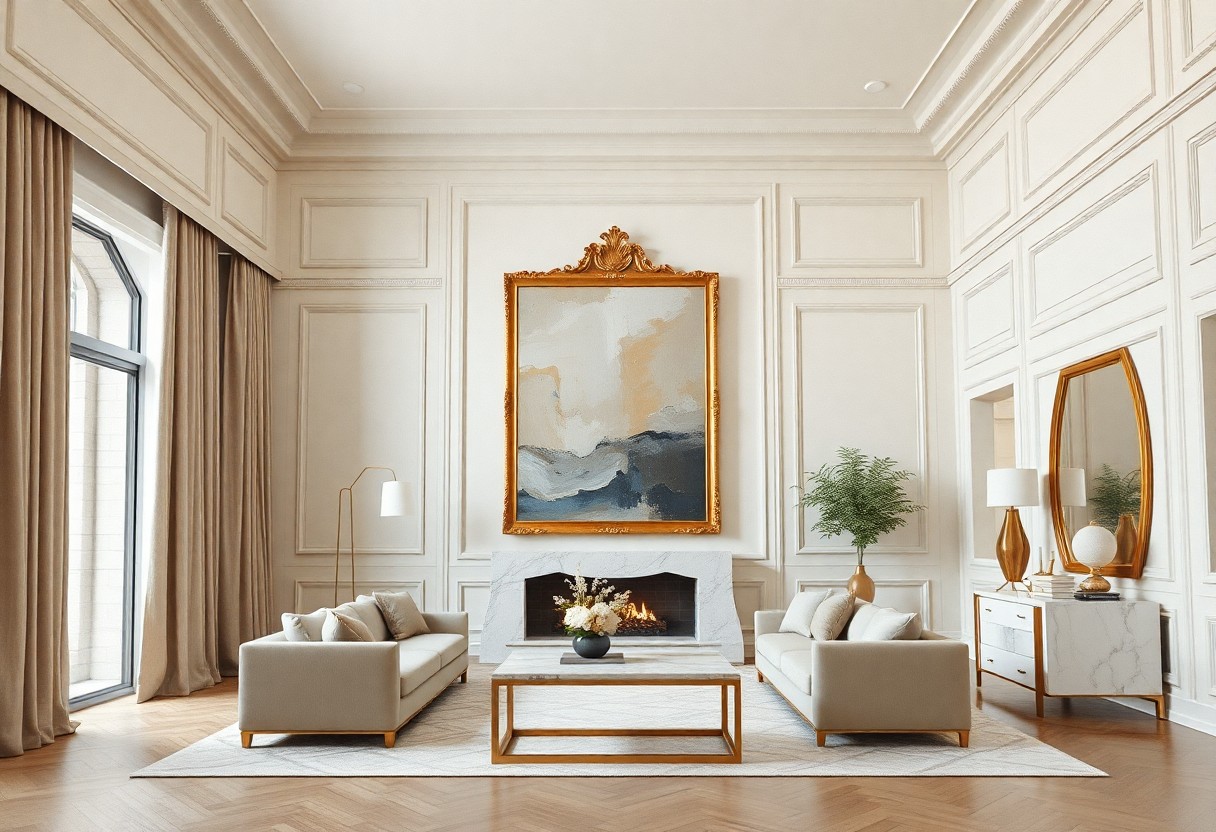
You don’t need soaring ceilings or sprawling square footage to create a sense of luxury. What matters more is how space is used. A room that feels balanced-where furniture, windows, and architectural details relate harmoniously to one another-can fool the eye into perceiving grandeur, even in a modest footprint. When elements are in proportion, the brain registers comfort and intention, which translates to sophistication. Oversized furniture in a small room overwhelms, while undersized pieces get lost-both break the illusion.
Architectural Anchors That Command Attention
Height draws the eye upward, and that simple movement can make a space feel more opulent. Even in a standard-height home, you can simulate vertical presence with tall cabinetry, floor-to-ceiling curtains, or vertical paneling. These features stretch the perceived height of a room without structural changes. A well-placed mirror above a mantel or in a narrow hallway also amplifies depth, making the space feel larger than it is. The trick is to guide the gaze, not fight the limits.
Furniture That Fits, Not Fills
Scale in furniture selection is where most budgets go off track. People often buy large, bulky pieces thinking they’ll make a statement, but the opposite happens. A massive sectional in a small living room creates visual clutter and shrinks the space. Instead, choose pieces that respect the room’s dimensions. A slender console, a low-profile sofa, or a round dining table can open up circulation and enhance flow, making the home feel curated and intentional. Quality over quantity always wins.
Details That Deceive the Eye
Moldings, trim, and ceiling details are silent influencers of perceived value. A simple crown molding installation, even at a modest height, adds refinement. Picture rails, wainscoting, or coffered ceiling treatments-even if faux-create visual layers that suggest craftsmanship. These elements don’t require major renovation; they require attention. When proportions are respected-such as molding width relative to wall height-the result feels authentic, not costumed. This is where budget homes can outshine their price tags.
The Alchemy of Light: Beyond the Basic Bulb
Layering Your Light Like a Designer
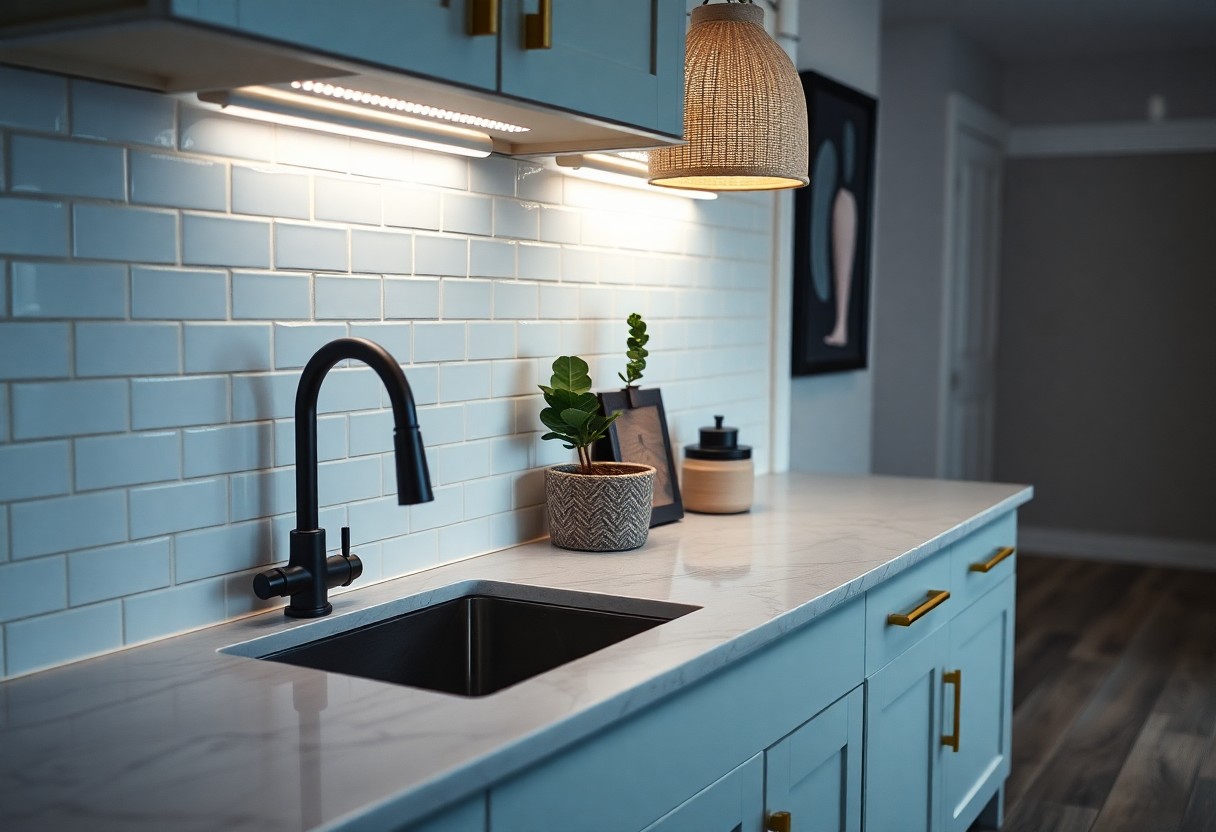
You already know harsh overhead lighting kills ambiance, but the real shift happens when you stop relying on a single source. Think in layers: ambient light sets the base, task lighting handles function, and accent lighting adds drama. A floor lamp in the corner, under-cabinet strips in the kitchen, and a small table lamp beside your reading chair do more than illuminate-they create depth. This layered approach mimics high-end interiors where light feels intentional, not accidental.
Warmth Over Wattage
Temperature matters more than brightness when crafting an expensive feel. Swap out cool white bulbs for ones in the 2700K to 3000K range. This warm glow softens edges, makes skin tones look better, and gives rooms a cozy, inviting quality that cold lighting can’t match. You don’t need expensive fixtures to achieve this-just the right bulb. The difference is immediate: your space feels lived-in, curated, not like a waiting room.
Highlight What Matters
Spotlighting a piece of art, a bookshelf, or an architectural detail draws the eye and suggests intentionality. Use adjustable track heads, picture lights, or even small plug-in uplights to create visual hierarchy. When light emphasizes your favorite things, it tells a story. It says you’ve thought about what belongs in the light and what can linger in shadow. That kind of control is a hallmark of well-designed spaces, not just well-funded ones.
Embrace the Shadows
Perfect, even lighting is not the goal. In fact, strategic darkness adds sophistication. Let corners breathe in soft shadow. Allow a hallway to dim slightly at one end. This contrast-light meeting dark-creates mood and dimension. It’s the difference between a staged photo and a real, breathing room. You don’t need extra fixtures to do this; sometimes, it’s about turning fewer lights on and letting the space settle into its natural rhythm.
The Texture of Luxury: Sensensual Materials
Touch as a Design Tool
You don’t need marble countertops to create a sense of opulence-what matters is how surfaces feel under your fingertips. A smooth ceramic tile in the bathroom, a nubby wool throw draped over a chair, or a matte-finish cabinet door can all signal quality without the price tag. Texture invites interaction, and when your home responds to touch with richness and depth, it feels inherently more expensive. Even budget-friendly materials can mimic this effect when layered thoughtfully, like pairing a faux linen pillow with a velvet ottoman.
Material Pairing That Speaks Volumes
Contrast is where magic happens. Combine a cool, polished metal like brushed nickel with the warmth of reclaimed wood on a coffee table, or place a sleek glass vase on a rough-hewn stone shelf. These pairings mimic high-end design schemes where materials are chosen not just for looks, but for how they complement one another. When textures play off each other, the space feels intentional and curated, not accidental or haphazard. You can achieve this balance with secondhand finds and affordable upgrades-what counts is the harmony, not the cost.
Small Surfaces, Big Impact
Hardware choices are silent ambassadors of luxury. Swapping out dated cabinet pulls for matte black or oil-rubbed bronze knobs instantly upgrades a kitchen or vanity. The same goes for switch plates, drawer handles, and even towel bars-these tiny touchpoints are noticed more than you think. People remember how a space feels under their hands, not just how it looks from across the room. For more inspiration on subtle changes that deliver major returns, check out this guide to 15 Low-Cost Home Updates That Look Expensive.
Light and Surface Interplay
Light reveals texture. A linen curtain catches the afternoon sun differently than a polyester one, casting soft, organic shadows. A hand-glazed ceramic lamp base diffuses light in warm, irregular waves. These subtle differences are what separate a room that looks expensive from one that merely tries. When light dances across layered materials, it creates depth and warmth-two qualities no amount of square footage can replace. Choose finishes that interact with light, not fight it.
Curating the Collection: Art and Ornament
Editing What You Already Own
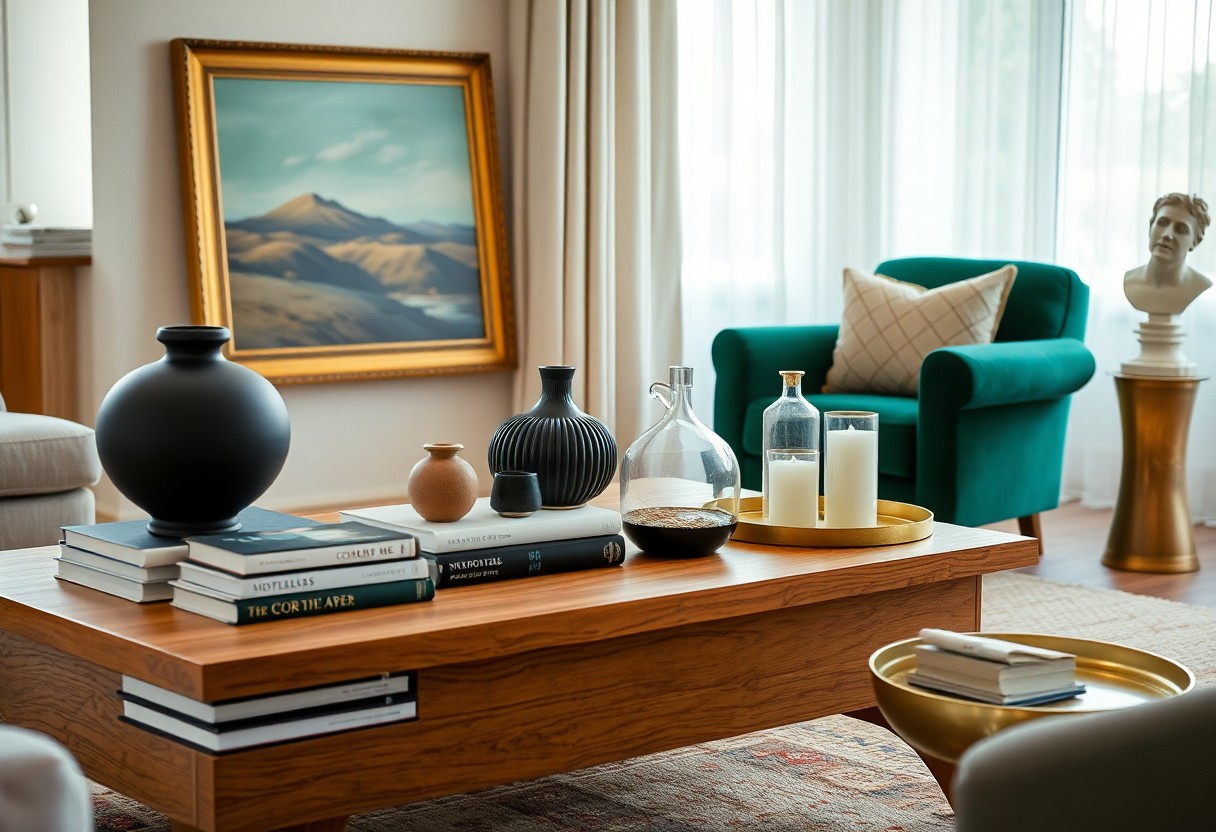
You don’t need to buy new pieces to create a sense of refinement-sometimes the most powerful move is subtraction. Look closely at what you already display and ask yourself which objects truly bring you joy or reflect your taste. A room feels expensive when it’s edited, not overcrowded. Group similar items together-three ceramic vases in varying heights, a cluster of vintage books with textured spines-to create intentional vignettes that suggest curation, not clutter.
The Power of a Single Statement
A single bold artwork can transform an entire wall, shifting the energy of a room from ordinary to considered. Instead of filling every inch with small prints, choose one substantial piece that speaks to you-whether it’s an oversized photograph, a vintage mirror, or a large abstract painting. This kind of visual weight signals confidence in your choices, a hallmark of high-end interiors. If budget is tight, explore local art schools or online marketplaces where emerging artists offer original work at accessible prices.
Texture and Frame Quality Matter
Even an inexpensive print gains instant sophistication when framed in a deep, shadow-box frame with clean lines. Avoid plastic frames or overcrowded matting-opt for simple, neutral tones that let the art breathe. Materials like linen, wood, or metal in frames and decorative objects add subtle richness. It’s not about how much you spend, but how intentional each piece looks in its presentation. A well-framed piece says you care about details, and that perception elevates everything around it.
Rotate and Refresh with Purpose
Your collection doesn’t need to be static. Swap out smaller artworks or decorative objects seasonally to keep spaces feeling dynamic and personal. Store a few后备 pieces in a closet and bring them out when the mood shifts. This practice mimics how high-end homes are styled by designers-nothing feels stale or overdone. Rotation keeps your space feeling alive and thoughtfully maintained, not frozen in a single moment.
Finding Value Beyond Price Tags
True luxury in decor often lies in storytelling, not spending. That handmade bowl from a weekend market, the postcard from a memorable trip, or a framed heirloom recipe-these carry emotional weight that mass-produced items can’t replicate. When you display objects with meaning, your home feels authentic and deeply personal, qualities that no amount of money can fake. For more simple, affordable ways to make your house feel more luxurious, thoughtful curation always wins over sheer quantity.
The Order of Elegance: Decluttering for Sophistication
Space Speaks Before You Do
Empty surfaces command attention the moment you step into a room. When your countertops, shelves, and tables are free of scattered items, the eye moves naturally to the architecture, lighting, and intentional decor. This sense of openness isn’t accidental-it’s a hallmark of high-end interiors. You don’t need expensive finishes to achieve it; you need discipline. Removing even half the objects in a room can make the remaining pieces feel more valuable, simply because they’re no longer competing for attention.
Clutter Hides Quality
Every extra item on display dilutes the impact of the ones you truly care about. That hand-thrown ceramic bowl loses its luster when buried beneath mail, keys, and forgotten chargers. When you pare down, the few pieces you choose to keep become focal points. A single framed photograph on a clean wall feels intentional, not afterthought. It suggests you’ve made deliberate choices, not just accumulated stuff over time. This restraint signals confidence-something no amount of spending can fake.
Functionality Fuels Refinement
True elegance isn’t just about looks; it’s about how a space works. Hidden storage solutions-baskets tucked under consoles, trays that corral bathroom imperatives, drawer dividers for utensils-keep disorder out of sight without sacrificing access. When everything has a place, maintaining order becomes effortless, not a daily chore. This quiet efficiency is what makes luxury homes feel lived-in yet pristine. You can replicate this with affordable organizers as long as they’re used consistently.
Emptiness Invites Calm
Silence in a room has weight. Blank walls, uncluttered corners, and open floor space create a sense of pause, like a breath held at the right moment. Most people overfill their homes trying to make them feel “complete,” but the opposite is true. A minimalist approach doesn’t mean cold or sterile-it means clarity. When you remove the noise, the materials, textures, and light in your home start to matter more. That $20 linen pillow looks richer when it’s the only one on the sofa.
Architectural Flourishes: The Detail in the Design
Proportion and Symmetry Speak First
You notice it before you even step inside-a sense of balance that feels intentional, not accidental. Symmetrical window placement, centered entries, and evenly spaced architectural elements create visual harmony that signals thoughtfulness. This kind of order doesn’t require expensive materials or structural changes; it only asks for attention during the planning phase. When windows align across floors or flanking a front door, the house gains a quiet dignity. Even modest homes can achieve this with careful layout choices and a willingness to delay gratification for better placement.
Moldings That Define Space Without Defining Cost
Trim work is one of the most effective tools you have to suggest luxury on a budget. Crown molding, baseboards, and chair rails don’t add square footage, but they do add dimension. A simple 4-inch baseboard reads as more refined than a builder-grade 3.5-inch strip, especially when painted crisp white against a deeper wall tone. The shadow lines created by layered trim give walls a sculpted quality, making rooms feel more finished. You don’t need ornate carvings-clean profiles like ogee or cove deliver sophistication without excess.
Doors That Command Attention
A solid-core interior door with a six-panel design instantly upgrades a hallway. Unlike hollow slabs that rattle with every close, these feel substantial in your hand and add acoustic privacy. Transom windows above doors or double doors leading to a study or dining room introduce a sense of ceremony to everyday movement. Even if you can’t install them everywhere, placing one statement door in a central location draws the eye and sets a tone. Hardware matters too-lever handles in a consistent finish tie the look together and suggest a unified design vision.
Ceilings That Look Up, Not Just Overhead
Most builders treat ceilings as an afterthought, but the most expensive-feeling homes treat them as a design surface. Boxed beams, even if they’re purely decorative, break up large spans and echo high-end craftsmanship. A coffered ceiling in a dining room or primary bedroom adds depth and shadow, drawing the eye upward and making the space feel more intentional. You can achieve this with prefabricated kits or simple lumber, painted to match the trim. The effect is dramatic, but the investment doesn’t have to be.
Windows That Frame the View-and the Value
It’s not just how many windows you have, but how they’re arranged. Grouped windows or a bay configuration create a focal point, turning a wall into a feature. Trim them with slightly thicker casing or add a window seat with storage underneath, and suddenly the corner becomes a destination. Black-framed windows, even in vinyl, read as modern and deliberate. The key is consistency-using the same style and finish throughout the front elevation to suggest a unified, considered design.
To wrap up
To wrap up, you create an expensive-looking home on a tight budget by focusing on clean lines, cohesive color schemes, quality lighting, and well-placed accessories. You invest in a few statement pieces rather than many cheap items. You keep clutter out of sight. You choose finishes and fabrics that feel intentional and refined. Your attention to detail makes all the difference.
FAQ
Q: How can lighting make a house feel more expensive without spending a lot?
A: Lighting shapes how space feels more than most people realize. Using layered lighting-like a mix of ceiling fixtures, floor lamps, and under-cabinet lights-creates depth and warmth. Swap out basic bulbs for warm-white LEDs (2700K-3000K) to give rooms a cozy, inviting glow. Installing dimmer switches lets you adjust brightness for different moods. Even inexpensive sconces or thrifted table lamps can add elegance when placed strategically near mirrors or artwork. The goal is to eliminate dark corners and highlight key areas, making the space feel intentional and well-designed.
Q: Can paint color really make a budget home look high-end?
A: Absolutely. A well-chosen paint color unifies a space and sets a sophisticated tone. Neutral tones like warm greige, soft taupe, or deep charcoal create a calm backdrop that mimics luxury interiors. Painting all trim, doors, and ceilings the same crisp white adds polish and makes architectural details stand out. Don’t overlook the ceiling-painting it a soft gray or even a deep navy in a dining room can add drama. Use semi-gloss or eggshell finishes in high-traffic areas for subtle sheen and durability. One consistent color across multiple rooms can also make a small home feel larger and more cohesive.
Q: What inexpensive materials give the look of luxury flooring?
A: Luxury vinyl plank (LVP) flooring mimics hardwood or stone at a fraction of the cost and can be installed as a DIY project. It’s water-resistant, durable, and comes in realistic wood grains and finishes like whitewashed oak or herringbone patterns. For smaller areas, large-format peel-and-stick tiles in marble or terrazzo designs can transform bathrooms or kitchens. Rugs also play a big role-layering a textured jute base with a smaller, patterned rug in rich colors adds warmth and defines spaces like a custom design. Keep floor transitions clean and avoid overly busy patterns to maintain a high-end feel.
Q: How do clean lines and minimal clutter contribute to an expensive look?
A: Expensive-looking spaces often feel calm and uncluttered because they prioritize function and form. Furniture with simple silhouettes-like a sofa with straight arms or a dining table with a solid wood base-feels more timeless than overly ornate pieces. Store everyday items in closed cabinets or woven baskets to reduce visual noise. Keep countertops clear except for one or two decorative objects, like a small plant or stylish soap dispenser. Wall-mounted shelves with a few curated books or ceramics add personality without chaos. The fewer distractions, the more attention goes to the quality of what remains.
Q: What small details make the biggest difference in perceived value?
A: It’s often the subtle touches that elevate a space. Updating cabinet hardware to matte black, brushed brass, or unlacquered bronze instantly refreshes kitchens and bathrooms. Switching out basic outlet covers and light switch plates for metal or painted versions adds refinement. Towel bars, robe hooks, and toilet paper holders in matching finishes create cohesion. Houseplants like fiddle leaf figs or snake plants bring life and texture. Even neatly folded towels in a basket or matching dishware displayed in a glass-front cabinet can suggest care and attention. These details signal thoughtfulness, making a home feel intentional and well-kept.
Preview upgrades on your own space with the free AI interior design generator and see which changes add the most polish.