
10 Signs a House is Worth the Cost
Buying a home is one of the biggest financial decisions you’ll ever make. It’s more than bricks and mortar. It’s an investment and a big step toward the life you want. But how do you know if a house is really worth the cost? With high prices, hidden repair bills and the emotional pull of a place you love, you need a clear way to judge whether you’re making a smart purchase.
Key Takeaways: Is a House Worth the Price
- To know if a house is worth the price, start with location and structure.
- Roof, systems and layout matter more than cosmetics.
- Compare with recent local sales.
Table of Contents
This post walks through 10 clear signs that a house is worth the cost, so you can shop the market with confidence. From location to future resale value, here is what makes a home worth every penny, and what to check before you sign.
Introduction
For many people, buying a home is more than a transaction. It’s a long-held goal. But between open houses, mortgage talks and inspection reports, it’s easy to let emotions take the wheel. That’s why weighing cost against value matters so much. Make a short list of must-haves and deal-breakers before you start touring, and score each house against it.
Home prices in the U.S. have climbed sharply in recent years and reached record highs, according to National Association of Realtors data. With stakes this high, knowing how to spot real value is essential. First-time buyer or seasoned investor, recognizing the signs of a good purchase helps you avoid buyer’s remorse down the road.
1. Location, Location, Location
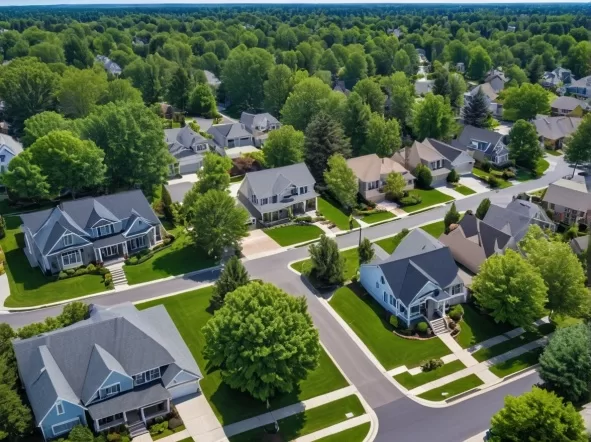
The golden rule of real estate still holds: location is everything. A house in a good neighborhood, close to schools, public transportation, shops and parks, tends to hold its value over time. Visit at different times of day, including rush hour and a weekend evening, to check traffic, noise and how the street really feels.
Why It Matters:
- Homes in well-rated school districts tend to sell faster and hold their value better, even if you don’t have kids.
- A well-connected location saves you commuting time and money every single week.
2. The Price Matches Market Trends
An overpriced home can drain your finances for years. Compare the listing price with similar homes that sold nearby in the last three to six months, not with other asking prices. Online tools like Zillow or Realtor.com help you spot trends, and your agent can pull a list of comparable sales so you know you’re paying a fair price.
If three-bedroom houses in the area typically sell for $350,000 but the one you like is listed at $400,000, the seller should be able to justify the difference, perhaps with recent upgrades, a larger lot or a finished basement. If they can’t, it is probably priced too high, and you have room to negotiate.
3. It Passes the Inspection with Flying Colors
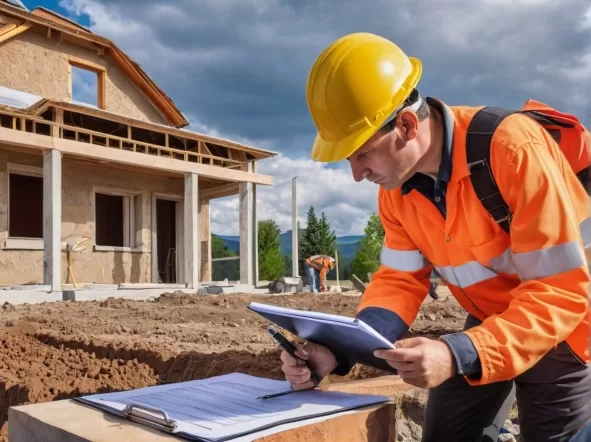
A thorough home inspection is non-negotiable. Structural issues, plumbing leaks, electrical problems or a failing HVAC system can lead to big, unexpected repair bills. Attend the inspection if you can, ask questions and pay close attention to the roof, foundation, water heater and signs of past water damage. For older homes, consider a sewer line scope as well.
According to a buyer survey by Porch, most buyers found at least one issue during their home inspection. Catching problems before you close lets you ask the seller to make repairs, offer a credit or lower the price, instead of paying for them yourself later.
4. The Neighborhood Is Thriving
A growing, well-kept neighborhood signals a good investment. Look for ongoing infrastructure improvements, new businesses opening, well-maintained homes and steady demand. Check the city’s planning website for upcoming projects, both welcome ones like parks and transit and less welcome ones like a highway expansion.
- Homes in up-and-coming neighborhoods often gain value faster, which helps justify the cost.
- An active community usually brings better amenities, services and a stronger sense of safety.
5. Low Maintenance Requirements
A house with modern appliances, a newer roof and a new HVAC system keeps maintenance costs down. Older homes with dated systems can quickly eat into your budget. As a rough guide, asphalt shingle roofs last about 20 to 30 years, furnaces around 15 to 20 and tank water heaters roughly 10 to 15, so note how old each one is.
Tip: Ask for a detailed list of updates and renovations completed in the last five years, along with receipts, permits and any warranties that transfer to you.
6. Energy Efficiency
Energy-efficient homes cost less to run and have a smaller environmental footprint. Features like solar panels, double-pane windows, good attic insulation and Energy Star appliances point to lower monthly bills. Ask the seller for the last 12 months of utility bills so you can see the real costs instead of guessing.
7. Future Resale Value
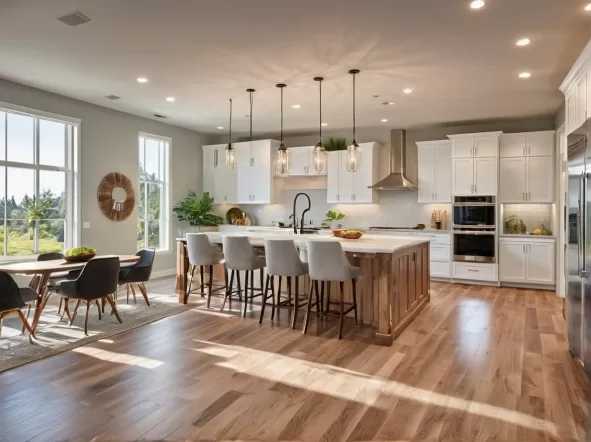
Think of a house as an investment as well as a home. Homes in desirable areas with practical layouts and updated finishes usually appreciate better over time. Features that appeal to most buyers, such as a third bedroom, a second bathroom, good storage and natural light, make resale easier when the time comes.
- Updated, open layouts appeal to more buyers, while dated kitchens can drag down offers, as this guide explains.
- Updated kitchens and bathrooms usually recover a good share of their cost at resale.
8. The Yard Meets Your Needs
A functional outdoor space adds real value. Whether you want a large yard for kids and pets or a low-maintenance garden, a well-designed yard helps justify the cost. Check which way the yard faces, how much sun it gets and whether there is room for what you plan to add, such as a patio, a shed or raised beds.
Tip: Look for signs of poor drainage, such as standing water or soil sloping toward the house, and for overgrown trees near the roof. Both can lead to extra expenses.
9. The HOA Fees Are Reasonable
If the property is part of a homeowners’ association (HOA), make sure the fees are reasonable and the benefits match the cost. High HOA fees can undo the affordability of an otherwise great home. Compare fees with similar communities nearby, ask what they cover, and review the HOA’s budget, reserve fund and rules. A thin reserve can mean special assessments later.
10. You Feel “At Home”
Lastly, trust your instincts. A house that feels right often is. Emotions shouldn’t drive your decision, but they can confirm you’re making the right choice when all the other signs point to value. Picture your daily routine there, from morning coffee to bringing in groceries, and see if it fits.
Home value estimator
A quick ballpark of what a home is worth, based on local price per area, condition and key features.
Conclusion
Buying a house is exciting and a little daunting. When you ask yourself “is a house worth the price?”, these 10 signs give you a clear way to answer. From location and market trends to energy efficiency and how the place feels, these factors help you make a sound investment for the future. The goal is a home that fits your lifestyle, budget and long-term plans without regret, one that is worth every penny.
Check if the monthly cost fits your budget with the mortgage affordability calculator.
Frequently Asked Questions
How do I know if a house is overpriced?
Compare recent sales of similar homes nearby, check how long it has been listed and look for needed repairs that should lower the price.
What matters most when judging a house value?
Location, structural condition, roof and major systems, layout and natural light. Cosmetic issues are easy to fix; location and structure are not.
Related Guides
