
How to Avoid Wasting Space in Hallways and Circulation Areas
Hallways and circulation areas can quietly consume 10 to 15 percent of a floor plan. Smart hallway space planning shortens corridors, adds built-ins where they help and turns dead ends into useful storage, all without blocking exits or creating safety hazards. Here is how to reclaim that space in a new design or a renovation.
Table of Contents
Key Takeaways:
- Set corridor widths to code and actual traffic levels to avoid excessive clearance.
- Align circulation with room adjacencies and main activity nodes to shorten routes and reclaim floor area.
- Integrate storage, built-in seating, display niches, or utilities into corridor zones to make circulation serve multiple functions.
- Use looped or radial layouts instead of long dead-end or double-loaded corridors to reduce total corridor length.
- Specify pocket or sliding doors, recessed door swings, and flush furniture to minimize required clearance in hallways.
Analyzing Essential Factors for Efficient Layouts
You should quantify movement patterns, storage needs and service access to minimize unused circulation and reclaim floor area. Recognizing pinch points and multiuse strategies lets you convert corridors into usable space.
- Circulation
- Clearances
- Structural opportunities
Assessing traffic volume and necessary clearances
Measure peak and typical flows so you set clearances to code while avoiding overwide corridors that waste usable area.
Identifying structural opportunities for space reclamation
Inspect columns, shafts and under-stair voids so you can convert them into built-in niches or storage, while avoiding unsafe alterations near load paths.
Evaluate structural drawings, carry out targeted probes and consult a structural engineer before altering load-bearing elements; you should coordinate with MEP to use plenum and service zones without blocking egress, document modifications for fire and accessibility compliance, and calculate recovered usable area to justify interventions.
How to Reduce Dedicated Corridor Length
Reduce corridor length by clustering related rooms so you cut long runs; when you group services and workspaces you save floor area while keeping required clearances and efficient egress routes.
Implementing central hub configurations
Position a central hub so you pull circulation inward and shorten peripheral corridors; you can arrange high‑traffic programs around a single access core to reduce dedicated hallway length and simplify wayfinding.
Designing overlapping circulation paths
Overlap circulation by sharing corridors between public and service routes where safe, ensuring you preserve clear sightlines and prevent conflicting flows that create hazards.
Consider arranging shared paths with staggered access, designated one‑way segments, and separated service offsets so you avoid peak conflicts. You should model pedestrian flows, mark lanes, and provide wider nodes at intersections to manage turning and queuing, reducing the need for extra corridor runs and delivering significant space savings without compromising safety.
Tips for Integrating Functional Built-ins
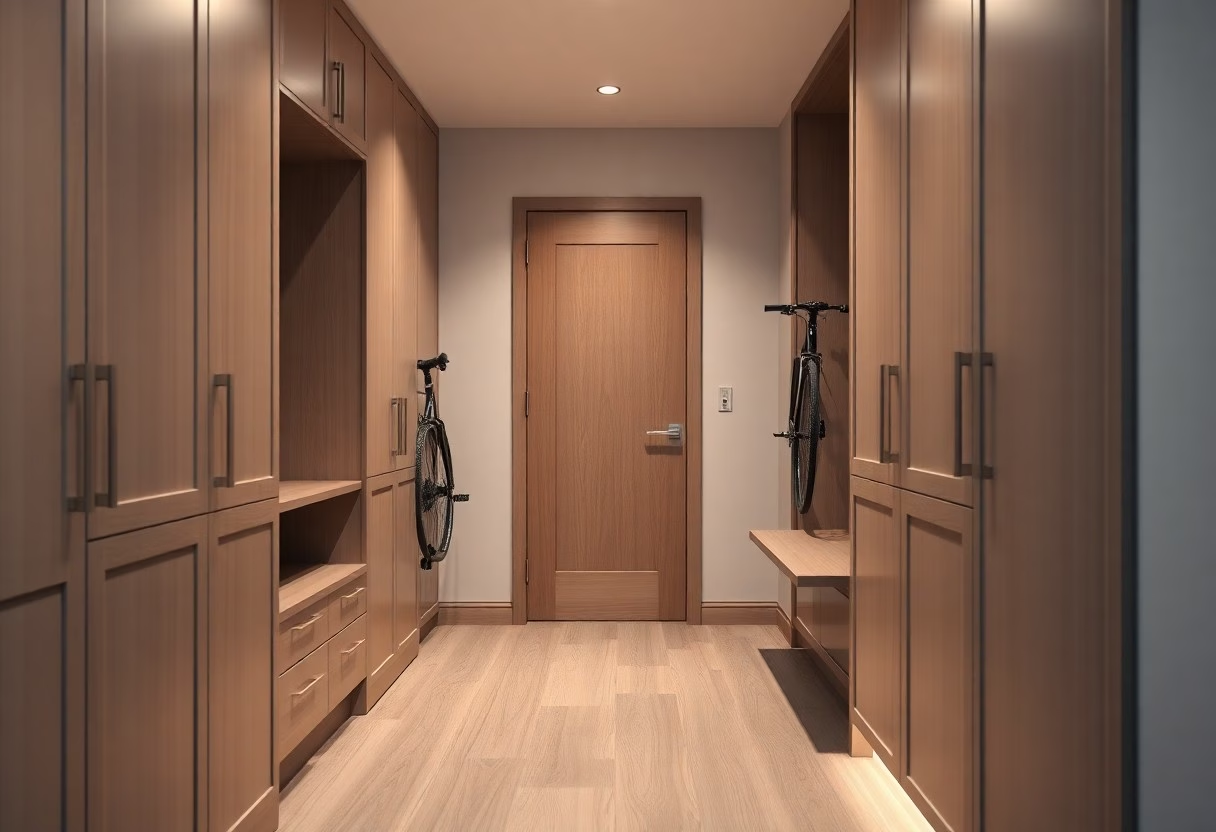
Consider placing built-ins flush to walls so you preserve corridor width and add storage without intrusion. You should avoid protrusions that create hazards or slow movement and prioritize clear circulation. After you confirm dimensions, allow at least 900mm clear path for safe flow.
- Built-ins
- Storage
- Recessed shelving
- Display zones
- Circulation
Installing recessed shelving and storage units
Install recessed shelving into studs so you reclaim floor space and keep hall widths open; this adds hidden storage while avoiding protrusions that block egress.
Creating compact gallery or display zones
Curate slim display panels so you add visual interest without narrowing circulation; choose flush mounts and narrow frames to prevent obstruction.
You can cluster small artworks at consistent eye height and use narrow profiles or recessed ledges so displays don’t intrude into the path. Specify recessed picture rails and shallow frames, keeping any protrusion under 40mm to reduce accidental contact and limit obstruction of flow. Use recessed lighting and matte glass to add impact without compromising clearance.
Optimizing Visual Depth and Spatial Perception
Optimize visual depth by aligning focal points and reflective surfaces to pull sightlines outward; place art or a statement light at corridor ends and use mirrors opposite doors so you increase perceived width. Keep circulation clear of clutter and consult hallways guides for layout tips.
Utilizing strategic lighting and mirror placement
Position lighting to wash walls and eliminate dark spots, then angle mirrors to reflect that light down the corridor so you open sightlines; avoid placing lights that create glare at eye level, and keep fixtures flush where space is limited so you preserve usable circulation.
Applying color theory to minimize the “tunnel effect”
Select lighter wall hues and a slightly darker floor so you widen perception; pair low-contrast trim and soft transitions to prevent banding that reinforces a corridor feel, and avoid high-contrast horizontal stripes that can intensify the “tunnel effect”.
Experiment with paint sheen and ceiling color to control depth: matte walls absorb light while satin trims catch highlights, so you can use a slightly darker ceiling to visually lower height without creating claustrophobia. Pair cool, desaturated tones with warm accent lighting to balance mood, and test samples at different times so you avoid unexpected shrinkage of perceived space.
Managing Doorways and Intersection Points
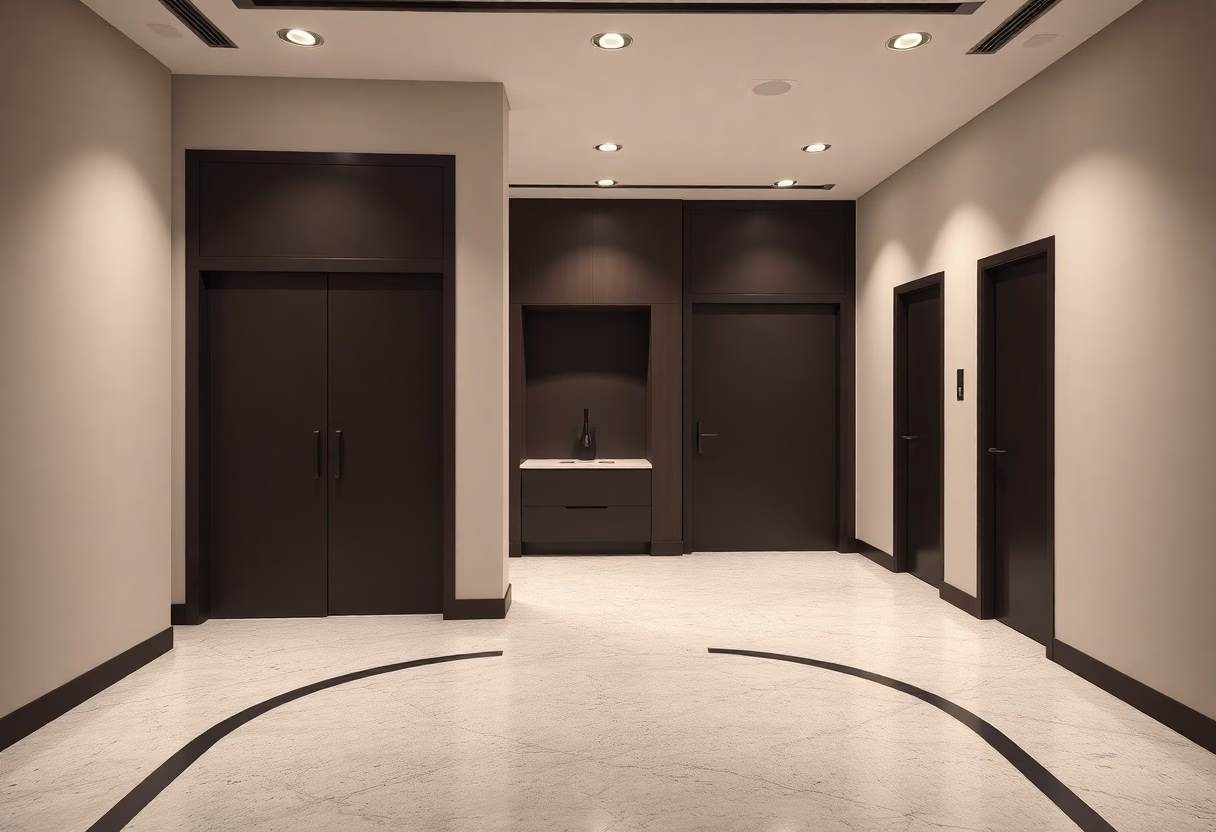
Place doors and junctions to minimize wasted corridor area; you should keep clear swing zones and consider pocket doors-see How to avoid wasted space in your home for related strategies.
Selecting sliding or pocket door systems
Choose sliding or pocket door systems to reclaim swing area, letting you install storage or seating in former clearance zones; pocket doors save the most floor space.
Aligning openings to prevent traffic bottlenecks
Align openings so traffic flows straight through intersections, avoiding cross paths that create bottlenecks and force you into awkward detours.
Optimize alignment by staggering doors away from corners and keeping at least 900-1000 mm clear lines; map typical paths to locate obstructions and use simple visual cues so you keep movement predictable, because crowding and collisions increase injury risk where openings conflict.
Repurposing Dead Ends into Utility Areas
Dead-end corners can become compact utility zones: install narrow cabinets, a shoe bench with storage, or a wall-mounted drop station to add function without wasting space, and ensure you do not obstruct exits to maintain safe circulation.
Converting alcoves into laundry or work stations
Alcoves can house a stacked washer or pull-out desk, giving you a hidden workstation or laundry area; choose space-saving appliances and add proper ventilation so you retain functionality without clogging your path.
Maximizing vertical space for organizational systems
Walls offer room for tall cabinets, pegboards, and overhead racks so you save floor space; anchor shelving securely and store heavy items low to prevent tipping and keep circulation safe.
Optimize vertical storage by planning layers: fixed high shelves for seasonal items, adjustable mid-level shelving for items you access daily, and lower bins for heavy gear. Secure every unit to studs and use brackets rated for weight; anchor to studs and avoid overloading to prevent tipping. Keep walkways and door swings clear and label containers for quick access.
Summing up
Considering all points, you can reclaim hallway space by narrowing circulation where code allows, integrating built-in storage and seating into walls, aligning doors to reduce swing, using clear wayfinding, and prioritizing multiuse zones so you minimize wasted corridors while keeping safe, accessible flow.
FAQ
Q: How wide should hallways be to avoid wasted space while maintaining comfort and code compliance?
A: Measure circulation needs by testing actual movement: walk the plan with a tape measure or mark widths on the floor to represent corridors and furniture. Typical minimum clear width for residential corridors is 36 inches (915 mm); provide 44-48 inches (1120-1220 mm) where two-way traffic or furniture movement is frequent. Accessible routes require 36 inches clear width and a 60-inch (1500 mm) turning diameter at key points. Check local codes early so you do not overdesign circulation.
Q: What storage strategies work in hallways without reducing usable walking area?
A: Convert wasted runs into useful storage by adding shallow recessed cabinets, a built-in bench with drawers, or slim open shelving that stays within the clear path. Use recessed radiator covers, shallow utility closets, or vertical storage to keep floor area free. Keep cabinet fronts flush and hardware minimal so doors do not intrude into the walking line. Confirm that added storage does not reduce required clear width for accessibility and egress.
Q: How can door selection and swing direction reduce wasted corridor space?
A: Reorient door swings to open into rooms or specify pocket, sliding, or bi-fold doors to remove swing area from corridors. Align doors so they do not create opposing pinch points; stagger pairs where doors face each other. Consider pocket doors, sliding panels, or wall-mounted folding doors where privacy is needed without sacrificing circulation. Plan door hardware and clearances on drawings to avoid surprises during construction.
Q: What visual and lighting techniques help make circulation areas purposeful rather than wasted?
A: Define purpose with finishes, lighting, and sightlines so hallways feel like deliberate spaces rather than leftover voids. Use continuous flooring to visually connect rooms and avoid wide bands of neutral that suggest wasted space. Place windows, clerestories, or interior glazing to bring light and views into circulation and shrink perceived width. Install layered lighting-ambient plus accent-to create wayfinding and highlight functional elements like built-in seating or storage.
Q: When should circulation planning happen to minimize wasted hallway space in a project?
A: Reduce corridor length in the schematic stage by clustering rooms and creating loops instead of long dead-end runs. Model circulation with furniture layouts and human-scale mockups to test clearances and turning points. Place stairs, mechanical chases, and service rooms to share walls and avoid extra hall branches. Review egress and accessibility codes while optimizing design so functionality and compliance go together.
Measure how much area your corridors take with the free 2D floor plan creator and try shorter routes.