
Why Some Homes Instantly Feel Comfortable and Others Don’t
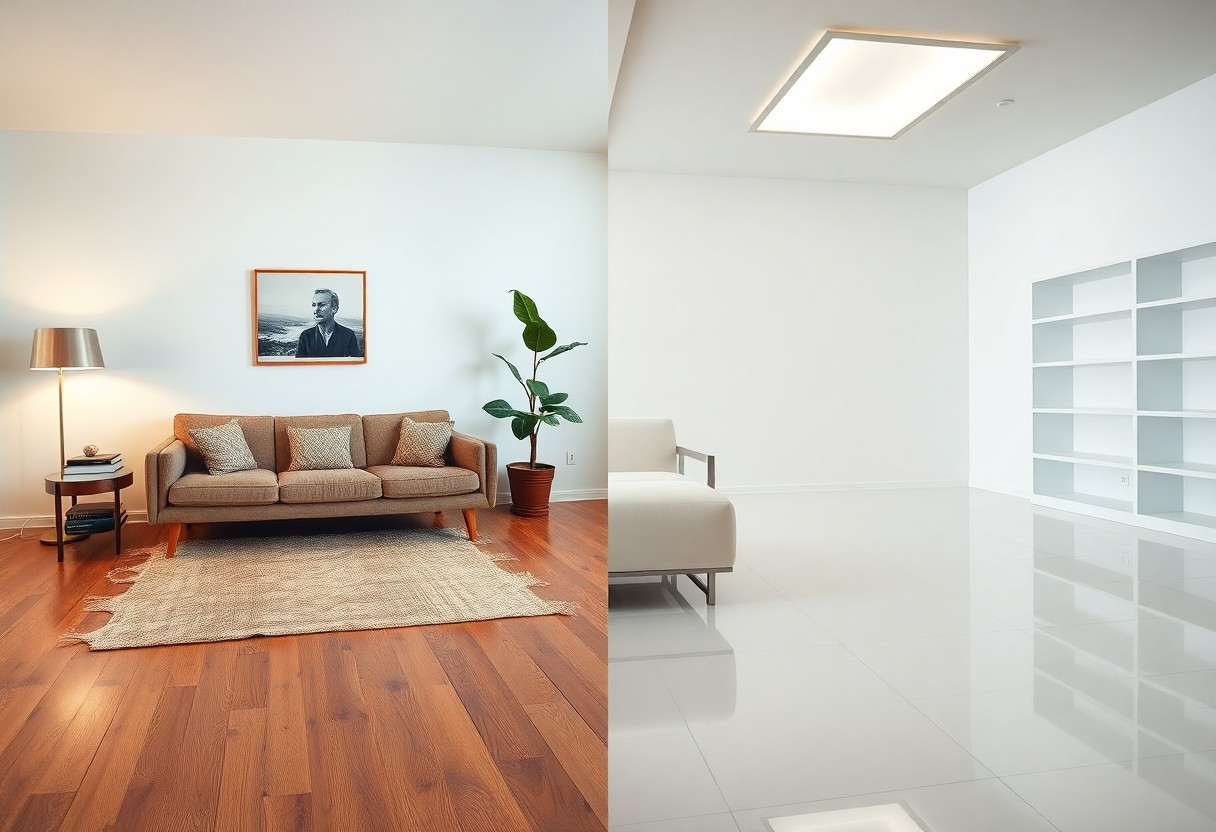
Comfort begins the moment you step inside a space that feels like it was made for you. Lighting, layout, and personal touches shape your immediate emotional response. Cold colors, clutter, and poor flow can silently repel, while warm tones, symmetry, and natural elements invite calm. You sense it instantly-whether a home welcomes you or keeps you at a distance.
Table of Contents
Key Takeaways:
- Comfortable homes often have a clear sense of order and simplicity, with furniture arranged to encourage conversation and movement, making people feel immediately at ease.
- Warm lighting, natural materials like wood and wool, and a mix of textures contribute to a welcoming atmosphere, while harsh lights and cold surfaces can make a space feel unwelcoming.
- Personal touches-such as family photos, handmade items, or favorite books-signal authenticity and lived-in warmth, helping visitors feel connected rather than distant.
The Thin Slicing of Domestic Space
You form judgments about a home within seconds of entering, often before you’re aware of it. Your brain rapidly processes visual cues-light, color, texture, arrangement-like a mental snapshot. This instinctive evaluation, known as thin slicing, determines whether a space feels welcoming or off-putting. These immediate impressions are powerful and surprisingly accurate in predicting your long-term comfort.
The Two Second Cognition
Your mind assesses a room’s warmth and safety in under two seconds. Without conscious thought, you notice clutter levels, furniture placement, and lighting quality. This rapid evaluation shapes your emotional response before you even sit down. A well-balanced space feels right instantly, while disarray triggers subtle unease.
Primal Instincts and Open Sightlines
Open sightlines trigger a deep sense of security. You instinctively scan a room for exits, pathways, and potential threats. Spaces that allow clear views from entry points feel safer and more inviting. Obstructed layouts create subconscious tension, even if you can’t explain why.
Evolution shaped your response to space long before modern design existed. When you walk into a room, your eyes seek open paths and uncluttered zones because they signal safety and control. Homes with clear sightlines from the front door to the back, or those that avoid sharp turns and hidden corners, activate a primal sense of calm. This isn’t just preference-it’s survival wiring. You feel more at ease when you can see without strain, when nothing feels concealed or confining. Designers who honor this instinct create homes that don’t just look good-they feel inherently right.
The Circadian Tipping Point
Your body responds to light long before your mind registers it. When a home’s lighting aligns with natural daylight patterns, it supports your internal clock, making spaces feel inherently right. Misaligned lighting-too blue at night or too dim in the morning-disrupts sleep and mood, creating subtle discomfort you can’t quite name. This is the circadian tipping point: the moment design either harmonizes with biology or works against it.
Spectral Warmth and the Kelvin Scale
Light color isn’t just aesthetic-it’s biological. Below 3000K, light feels warm and inviting, mimicking sunset and signaling relaxation. Exposure to cool, blue-rich light above 4000K at night suppresses melatonin, making it harder to unwind. You feel tension without knowing why, simply because the bulbs overhead trick your brain into thinking it’s midday.
Contrast Ratios and Visual Depth
Spaces with balanced contrast feel more grounded and easier to process. When walls, floors, and furnishings create moderate tonal differences, your eyes move comfortably. Too little contrast flattens a room, triggering subconscious unease, while extreme contrast overstimulates. This silent visual rhythm shapes whether a room feels calm or chaotic.
Contrast ratios influence more than aesthetics-they affect cognitive load. A floor that’s only slightly darker than the wall fails to define space, forcing your brain to work harder to interpret boundaries. Optimal contrast-around a 3:1 to 5:1 ratio between adjacent surfaces-creates visual clarity, reducing mental fatigue. You don’t notice it directly, but you feel the relief in your shoulders when entering a room that just “works.”
The Acoustic Threshold of Peace
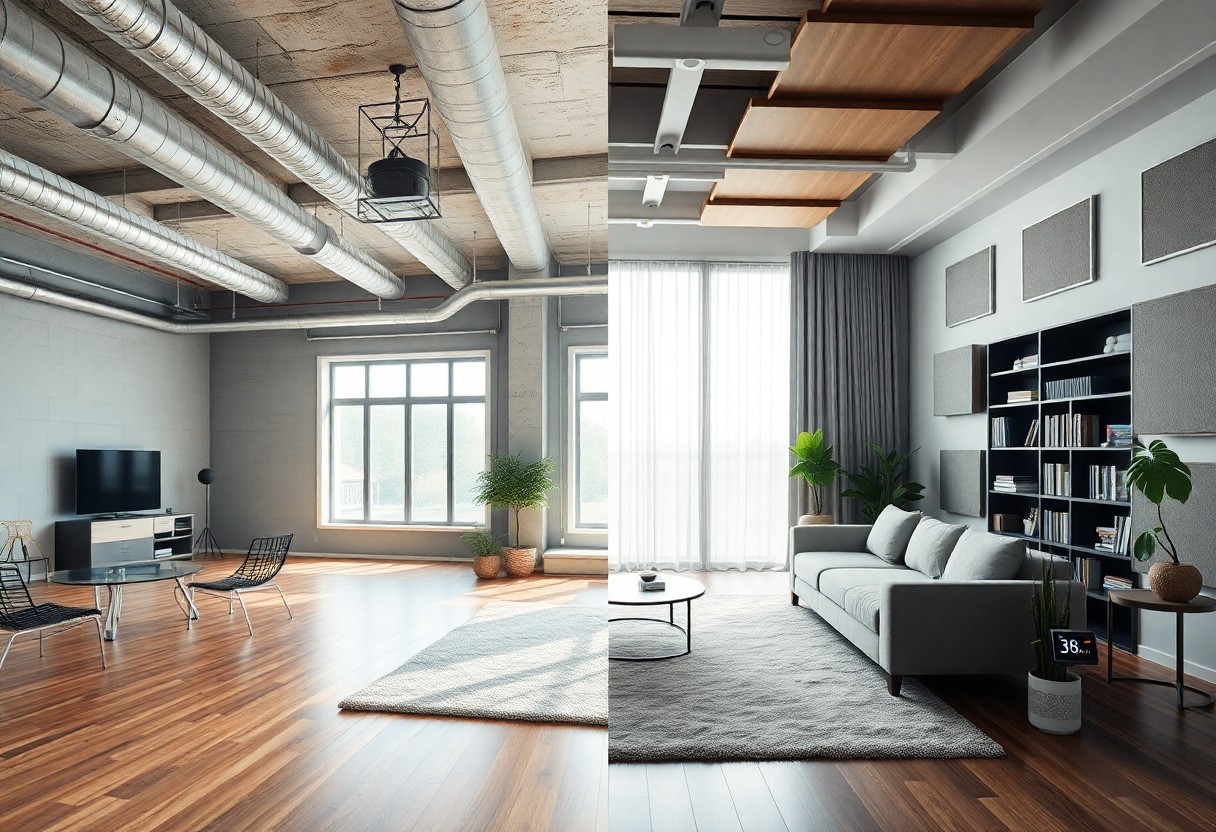
Sound shapes your sense of safety before you even notice it. A home that feels instantly comfortable often operates beneath the noise-its surfaces softening footsteps, its walls holding conversations close. You relax without realizing why, because your nervous system detects an absence of auditory assault, a quiet assurance that you can breathe without strain.
Sound Absorption and Emotional Quiet
Materials like wool, cork, and thick plaster pull sound from the air, reducing what your mind must process. This subtle hush lowers your stress response, letting you settle deeper into a room. You’re not just hearing less-you’re feeling more at ease, even if you can’t name why.
The Psychological Weight of Echoes
Hard, bare surfaces bounce sound back at you, creating a sense of exposure. That slight echo mimics the acoustics of empty or public spaces, triggering low-grade alertness. You may not register the noise, but your body tenses, waiting for the next sharp reflection.
Empty rooms with high ceilings and glass walls often feel unsettling not because they’re unattractive, but because their echoes simulate environments where humans historically felt vulnerable-caves, tunnels, abandoned structures. Your brain interprets prolonged reverberation as a lack of shelter, keeping you subtly on edge. Soft furnishings, textured walls, and layered flooring counter this by restoring a sense of enclosure and safety. You feel at home not just visually, but sonically.
The Biological Feedback Loop
Your body responds to a space long before your mind registers it. When walls breathe, floors yield slightly underfoot, and textures invite touch, your nervous system relaxes. These subtle cues signal safety, triggering a cascade of biological responses that make a house feel like home. Explore more on why this matters at Why don’t many homes feel like home?
Natural Fibers and Tactile Resonance
You absorb comfort through touch without realizing it. Wool, cotton, and wood interact with your skin in ways synthetic materials can’t, creating a calming tactile resonance that lowers stress. These natural fibers regulate temperature and humidity, making your body feel balanced and at ease.
The Physics of Ergonomic Support
Your spine knows when a chair truly supports it. Properly angled seats, lumbar alignment, and responsive materials reduce physical strain, allowing you to relax deeply. A well-designed space respects your body’s mechanics, making comfort automatic rather than forced.
When furniture follows the natural curves of your body, it minimizes pressure points and encourages healthy posture. This isn’t just about avoiding discomfort-it’s about creating an environment where your muscles don’t have to work against poor design. Spaces that support your body reduce fatigue and sharpen focus, turning everyday moments into restorative experiences.
The Fractal Preference
Nature shapes your instincts more than you realize. Homes that feel instantly comfortable often mirror the organic patterns found in forests, coastlines, and snowflakes-irregular yet balanced, complex but coherent. These fractal-like structures subconsciously signal safety and familiarity, making you relax without knowing why. Your mind prefers environments that echo natural order, even in the arrangement of furniture or wall textures.
Geometric Complexity in Decor
Patterns with layered variation-like woven textiles, branching wood grains, or handcrafted tilework-engage your senses without overwhelming them. These subtle repetitions mimic nature’s design, creating visual comfort. You’re drawn to spaces where detail unfolds gradually, not all at once.
Balance Versus Symmetrical Rigidity
Perfect symmetry often feels sterile, even if it looks orderly. You respond better to balanced asymmetry-where elements differ in form but harmonize in weight and proportion. This dynamic equilibrium feels alive and welcoming, unlike rigid, mirror-image layouts that can seem cold or impersonal.
Balance allows for surprise and warmth. When you enter a room where a large armchair is offset by two smaller stools and a curved lamp, your eye moves naturally, discovering cohesion through contrast. This reflects how nature balances elements-not identically, but proportionally. Rigid symmetry interrupts that flow, signaling control over comfort, and your body tenses in response without you noticing.
The Narrative Friction of Objects
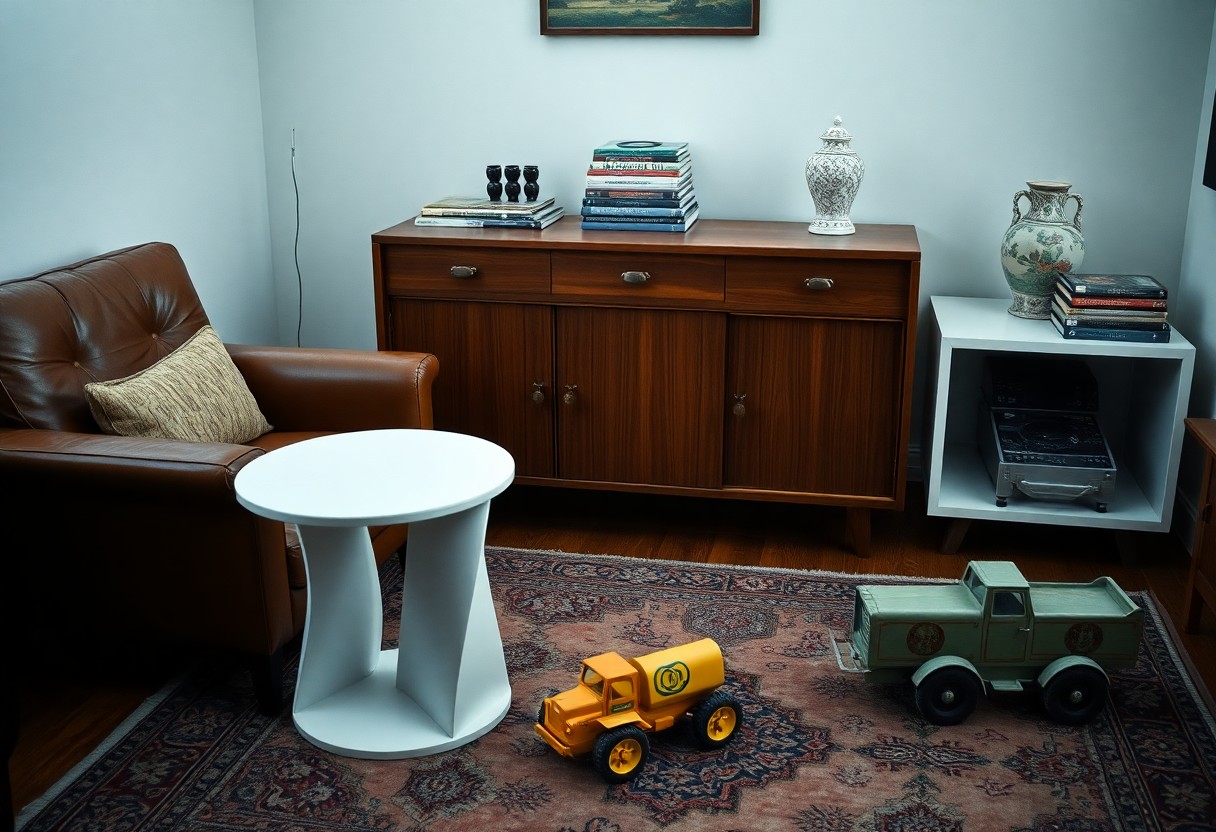
Every object in your home carries a whisper of meaning, and when those whispers contradict each other, discomfort follows. A sleek modern lamp beside a rustic family heirloom can create invisible tension-not because either piece is wrong, but because their stories don’t align. You feel it before you name it: a subtle unease that makes a space hard to settle into. As explored in Why Some Homes Feel Cozy While Others Don’t, harmony comes not from perfection, but from coherence.
Artifacts of Personal History
Your favorite mug, the scratched coffee table, the quilt from your grandmother-these aren’t just items. They carry emotional weight and continuity, anchoring you in a narrative that feels authentically yours. A home rich with such pieces invites comfort because it tells your story, not someone else’s ideal.
The Failure of the Showroom Aesthetic
Showrooms impress but rarely comfort. Their flaw? Everything looks untouched, perfect, and disconnected from lived experience. You don’t feel invited to sit, relax, or leave a trace. The absence of human imperfection makes these spaces feel sterile, even cold, no matter how expensive the furniture.
Perfection, when overvalued, becomes alienating. A showroom-style home often lacks the soft wear of daily life-the dog-eared book, the slightly off-center frame, the throw draped over a chair. These “flaws” signal that life happens here, and that permission to be imperfect is what makes a space truly welcoming. You don’t want a home that feels like a display-you want one that feels like a home.
To wrap up
The way a home feels to you depends on subtle cues-light, layout, texture, and how space flows from one room to the next. You respond instantly to warmth in materials, balanced proportions, and personal touches that signal safety and belonging. A comfortable home doesn’t shout; it quietly welcomes you in.
FAQ
Q: Why do some homes feel welcoming the moment you walk in?
A: A home feels welcoming when its layout, lighting, and furnishings create a sense of ease. Natural light, warm color palettes, and uncluttered spaces allow people to relax immediately. Furniture arranged to encourage conversation, soft textures like rugs and cushions, and personal touches such as artwork or plants also contribute. These elements work together to signal safety and comfort, making visitors feel at home right away.
Q: Can poor lighting really make a house feel uncomfortable?
A: Poor lighting has a direct impact on how a space feels. Harsh overhead lights or dim, uneven illumination can create shadows and strain the eyes, making a room feel cold or unwelcoming. Homes that use layered lighting-combining ambient, task, and accent lights-feel more balanced and cozy. Natural light during the day, paired with warm-toned bulbs at night, helps maintain a calm and inviting atmosphere.
Q: How does furniture arrangement affect a home’s comfort level?
A: Furniture that blocks movement or faces away from natural gathering areas disrupts flow and connection. Comfortable homes place seating to encourage face-to-face interaction, with clear pathways for walking. Proportion matters too-oversized furniture in a small room feels cramped, while too little furniture in a large space can feel empty and cold. When pieces are arranged with both function and conversation in mind, the room supports relaxation and social ease.
Q: Do smells play a role in how comfortable a home feels?
A: Smells are strongly linked to memory and emotion, so a home’s scent can instantly shape impressions. Stale air, cooking odors, or chemical cleaners can make a space feel unpleasant or unclean. In contrast, fresh air from open windows, subtle natural scents like wood, linen, or mild herbs, or the faint warmth of coffee or baked goods can make a home feel lived-in and comforting. Good ventilation and natural materials help maintain a pleasant background scent.
Q: Why do some homes feel cold even when the temperature is warm?
A: A home can feel cold emotionally even if it’s warm physically. This often happens when materials like metal, glass, or polished concrete dominate without softening elements. Lack of textiles-such as curtains, cushions, or area rugs-adds to the sterility. Minimal personal items or artwork can make a space feel impersonal. Adding warmth through fabric, wood tones, soft lighting, and meaningful objects helps balance the environment and creates a sense of human presence and comfort.
Experiment with layout and lighting in the free 3D room designer to find the setup that feels right before moving a single piece.