
5 Easy Home Hacks to Refresh Your Space on a Budget
You do not need a big budget to make a home feel new. Paint, thrift store finds, multifunctional furniture and a few natural touches can change how a room looks and feels in a single weekend. Here are five easy home hacks to refresh your space for less, with practical tips on what to buy, what to skip and where small changes make the biggest difference.
Table of Contents
Key Takeaways: Budget Home Refresh
- Add plants or greenery to bring life and color into a room without any renovation.
- Use paint on furniture or one accent wall for a new look at a low cost.
- Rearrange your furniture to improve the flow and feel of a room for free.
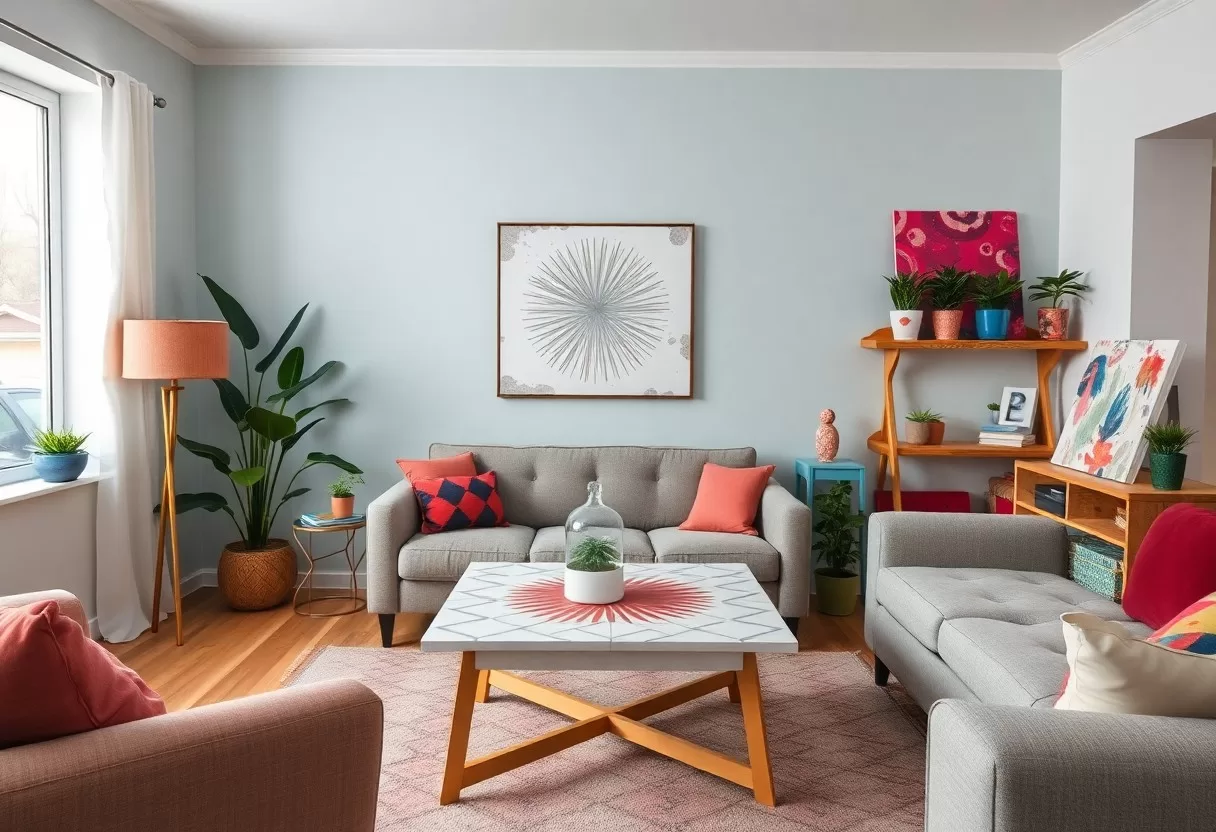
Transformative Paint Techniques
A gallon of paint is still the cheapest way to change the mood of a room. You can repaint a tired dresser, add a color block behind a bed, or paint the inside of a bookcase so your shelves stand out. Pick one project per room and finish it well. A neat job with good prep, clean edges and two coats will look far better than three rushed ones.
The Power of Accent Walls
An accent wall gives a room a focal point for the price of a gallon or two of paint. Choose the wall your eye lands on first, usually behind the bed, the sofa or a fireplace. Deep colors like navy, forest green or terracotta work well, but test a sample patch first and look at it in morning and evening light. If you rent, peel-and-stick wallpaper gives you the same effect and comes off when you move.
Creative Painting Tools and Methods
You do not need special skills to try a few paint effects. Use painter’s tape to create stripes or geometric shapes, a sponge for a soft texture, and a foam roller for a smooth finish on furniture and cabinet doors. Stencils are an easy way to add a pattern to a floor, a stair riser or a plain tabletop. Practice on a scrap board or a piece of cardboard first so you know how the paint behaves.
Everyday items make good painting tools. An old toothbrush or a crumpled rag can add texture, and a sponge dabbed through a stencil gives a softer, hand-done look. For crisp lines, press the tape edge down firmly and pull it off while the paint is still slightly wet. A color wash, made with paint thinned with water or glaze, gives wood a soft, weathered finish. Always sand glossy surfaces lightly and use a primer so the paint actually sticks.
Thrift Store Treasures: Stylish Finds
Thrift stores are full of affordable furniture, frames, lamps and baskets that can give your home real character. Go in with a short list of what you need, such as a side table or a mirror, and measure your space before you leave home. Stay open to a surprise find, but skip anything you would have to store for “someday.” Solid wood pieces with good bones are worth buying even if the finish is worn, since a sanding and a coat of paint fix most surface problems.
Upcycling Obsolete Items
Upcycling turns things you already own, or find for a few dollars, into useful decor. Old wooden crates can become shelves or bedside storage, and a worn chair can get new life with paint and a fresh seat cover. Look at an object’s shape rather than its current use. A ladder can hold blankets, a tray can corral remotes, and a glass jar can become a pendant or a vase. Basic tools like a screwdriver, sandpaper and a staple gun cover most of these projects.
The Art of Finding Hidden Gems
Finding the good pieces at a thrift store takes a sharp eye and some patience. Look for solid wood rather than particleboard, drawers that slide smoothly, and joints that do not wobble. Check the underside and back of furniture for water damage, pests or broken frames. Ask the staff which day they usually put out new stock, since many stores restock on a regular schedule. A little cleaning, glue and paint can bring a sturdy piece back to good condition.
The best finds usually come from going often rather than going far. Stop by regularly, because inventory turns over quickly. Many thrift shops post new arrivals on social media, so following them saves wasted trips. Estate sales and online marketplaces are worth checking too, especially for larger furniture. Over time, you will learn to spot quality quickly, such as dovetail joints, heavy frames and real wood veneer, and you will find pieces that raise the look of your whole room.
Multifunctional Furnishings for Small Spaces
Making the most of a small home does not have to be expensive. Choose multifunctional furnishings such as a sofa bed, a storage ottoman or a drop-leaf table that folds down when you are not eating. These pieces cut clutter and keep a small room feeling open. Before you buy, check that the mechanism is easy to use, since a sofa bed that is a struggle to open rarely gets used. One good dual-purpose piece can replace two or three single-use ones.
Smart Storage Solutions
Simple smart storage solutions make a small home feel larger and calmer. Wall-mounted shelves free up floor space, under-bed bins hold seasonal clothes, and a coffee table with drawers hides remotes and chargers. Use matching baskets or boxes on open shelves so they look tidy rather than busy. Go vertical where you can, with hooks on the back of doors and tall shelving that runs close to the ceiling.
Innovative Design Hacks
Some of the most useful design hacks cost very little. Hang a large mirror opposite a window to bounce light and make a room look deeper. Swap dated hardware on a dresser or kitchen cabinets for new knobs and pulls, which takes minutes with a screwdriver. A fresh coat of paint on an old dresser can make it feel modern again. Even moving your sofa a foot away from the wall can make a room feel more intentional and less like a waiting room.
Focusing on innovative design hacks lets you show your personal style without big costs. Removable wallpaper can create a statement wall, and peel-and-stick backsplash tiles give a kitchen an instant facelift. Both are easy to change when your taste changes, which makes them a good fit for renters. For the best result, clean and dry the surface well before you apply them, and smooth out bubbles with a plastic card as you go.
Nature-Inspired Decor on a Dime
Nature-inspired decor makes a home feel calm and grounded without a big spend. Natural materials such as wood, stone, cotton, linen and jute bring warmth and texture. Try swapping a few cushion covers for botanical prints, layering a jute rug under a smaller patterned one, or adding a wooden bowl or a stone tray to a coffee table. Earthy colors like sage green, warm beige and clay pair well with these materials and are easy to live with.
Bringing Outdoor Elements In
Bring a bit of the outdoors inside with simple natural objects. Stones, driftwood, pinecones or seashells look good grouped on a shelf or in a glass bowl. Swap heavy curtains for light, sheer panels to let in more daylight, and keep windowsills clear so you can see outside. A few potted herbs on a sunny kitchen sill, such as basil, parsley or mint, look fresh and give you something to cook with. Most need at least four to six hours of sun.
DIY Plant Projects for Atmosphere
DIY plant projects add life to a room and let you show your style. A succulent terrarium or a hanging herb garden adds interest to a corner, and a simple shelf of potted plants can turn a bare wall into a green feature. Choose plants that suit your light and your schedule. Pothos, snake plants and ZZ plants handle low light and the occasional missed watering, while succulents and herbs need a bright, sunny window.
Building a terrarium is an easy weekend project. Use an inexpensive glass container or an old jar, add a layer of pebbles for drainage, then potting soil, then your plants. Open terrariums suit succulents and cacti, while closed ones work best for moisture-loving plants like ferns and moss. Keep terrariums out of direct sun so they do not overheat. Low-maintenance plants keep the project looking good with little effort, and the finished piece makes a nice talking point on a shelf.
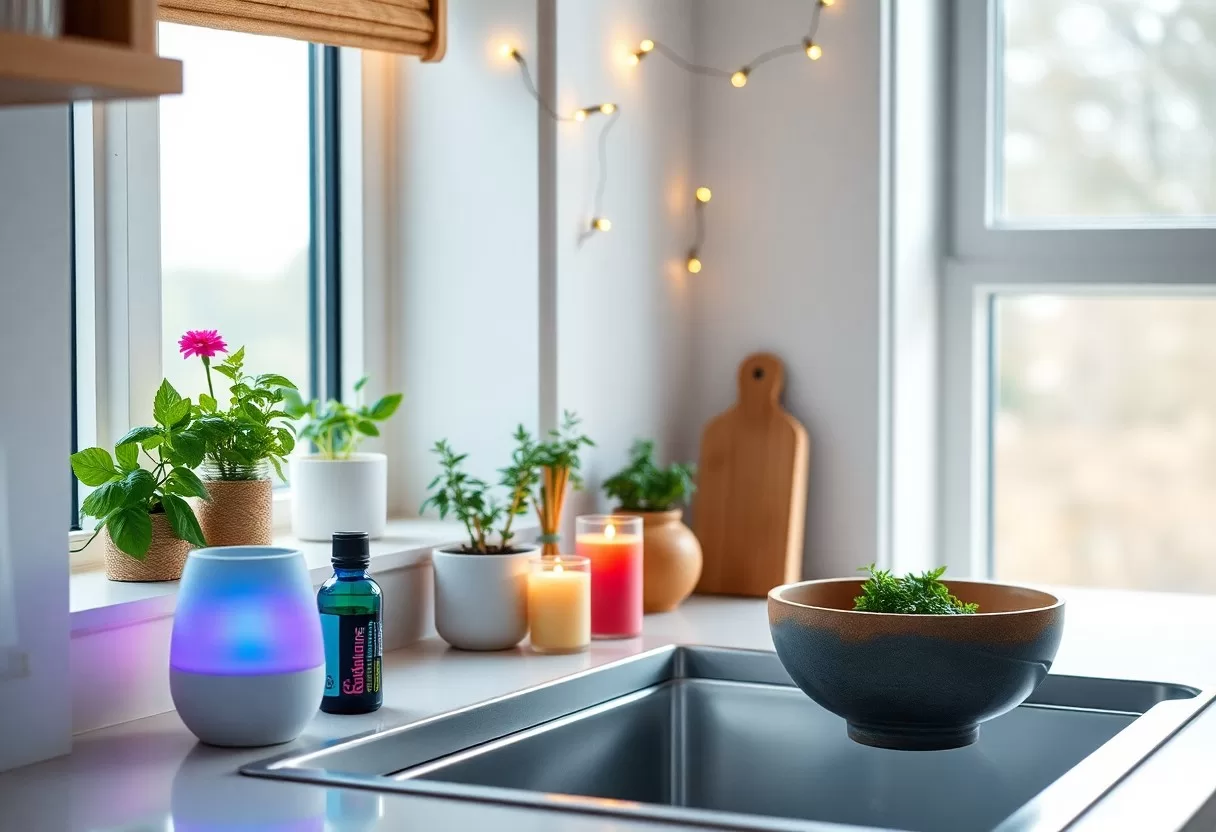
Aromatherapy and Atmosphere Enhancements
You can change the feel of your home without a remodel by paying attention to scent. Many people find aromatherapy a simple way to make a space feel welcoming. Light scents like lavender or citrus can cover cooking smells and make a room feel fresh and clean. Keep scents subtle, use one per room, and open a window regularly, since fresh air does more for a stuffy room than any fragrance.
Affordable Ways to Scent Your Home
Making your home smell good does not have to cost much. Add a few drops of essential oil to a diffuser, or mix them with water in a spray bottle for a quick room spray. Simmering cinnamon sticks, cloves and orange peel on the stove gives the kitchen a warm, seasonal smell. Homemade potpourri from dried flowers or citrus slices costs little and doubles as decor. If you have pets, check which oils are safe for them, since some are toxic to cats and dogs.
Creating Ambiance with Lighting
Good lighting changes how a room feels more than almost anything else. You do not need expensive fixtures. Swapping cool bulbs for warm white ones, around 2700 K, makes a living room or bedroom feel cozier at night. Plug-in dimmers or smart bulbs let you adjust brightness for different times of day. Put a lamp in a dark corner, and use string lights or a small uplight behind a plant to add warmth without any wiring.
Layer your lighting for the best effect. Combine ambient light, such as a ceiling fixture, with task lighting from table and desk lamps, and accent lighting from sconces or string lights. Aim for light at different heights so the room does not feel flat. Using LED bulbs saves energy and money over time, and they run cool. A rule of thumb is to have at least three light sources in a living room, so you rarely need the harsh overhead light alone.
60-30-10 color palette generator
Pick a color you love and get a balanced room palette using the designers’ 60-30-10 rule.
To wrap up
Refreshing your space does not have to cost a lot. With these five easy home hacks, from paint and thrift finds to smart storage, plants and better lighting, you can make your home feel new without a big financial outlay. Start with one room and one or two changes, see how they feel, and build from there. Small, steady updates often make a bigger difference in daily life than one large, expensive project.
FAQ
Q: What are some budget-friendly ways to refresh my living room?
A: There are plenty of ways to give your living room a fresh look without spending much. Try rearranging the furniture into a new layout, or use removable wallpaper to add a pop of color. A few houseplants bring life and color to the room, and swapping throw pillows or blankets is a quick, affordable way to change the color scheme.
Q: How can lighting impact my room without costing a lot?
A: Lighting can dramatically change the feel of a room. For an inexpensive update, you can add some new lamps or use string lights for a cozy ambiance. Swapping out your light bulbs for warmer tones can also create a more inviting atmosphere. Another idea is to use mirrors strategically; they reflect light and make a room feel larger and brighter.
Q: Are DIY decor projects effective for budget updates?
A: Yes. DIY decor projects are a fun, low-cost way to personalize your space. You can repaint old furniture, make your own art from inexpensive materials, or turn things you already own into photo frames and decorative pieces. It keeps costs down and lets your home show your own creativity.
Preview your refresh before you start with the free AI interior design generator.
Related Guides
