
7 Small Decor Tweaks That Instantly Make Your Home Look Expensive
A home can look high-end without high-end spending. Better lighting, layered textiles, real art, upgraded hardware and a little editing make rooms feel more expensive almost instantly. Here are seven small decor tweaks with the biggest visual payoff.
Key Takeaways: Make Home Look Expensive
- To make your home look expensive, focus on lighting, textiles and art.
- Upgraded hardware and editing make a big difference.
- Scale matters: larger rugs and taller curtains look luxurious.
Table of Contents
Transformative Touches: Why Small Changes Matter
Small decor changes can make a big difference in how your home feels. Something as simple as moving the sofa, swapping a lampshade or clearing a crowded shelf can make a room look calmer and more pulled together. These tweaks cost little, but they make the space more welcoming for you and for guests, and they add up quickly when you tackle a few at once.
The Psychological Impact of Decor
Decor shapes your mood and how comfortable you feel at home. A well-planned room can feel restful, energizing or cozy, depending on the colors, textures and layout you choose. When a space looks cared for, you tend to feel prouder of it and more relaxed when friends come over. That’s why even modest updates can change how you use and enjoy your home.
The Cost-effectiveness of Minor Adjustments
Upgrading your decor doesn’t have to drain your savings. A few small changes often give you a bigger visual payoff than you’d expect, at a fraction of the cost of a renovation. Swapping tired cushion covers for a few in richer colors or replacing dated light fixtures with simple modern ones can give a room a fresh, stylish look without breaking the bank.
Other easy wins: paint an accent wall, or hang a large mirror across from a window to bounce natural light around the room. Add a soft throw in a quality-looking fabric, and put a healthy plant or two where the light is good. Swap builder-grade cabinet knobs and switch plates for heavier, solid-feeling versions. Small, budget-friendly updates like these add polish while keeping your spending under control.
Hardware is another quick fix. Cabinet pulls, door handles and faucets get touched every day, so cheap, hollow-feeling ones are easy to notice. Replacing them in one consistent finish across a kitchen or bath ties the room together. Measure the hole spacing on your existing pulls first, so the new ones fit without drilling.
Luxurious Lighting: Setting the Mood for Elegance
Lighting does more to make a room look high-end than almost anything else. Use warm bulbs, around 2700 K to 3000 K, in living areas and bedrooms, and place light at several heights instead of relying on one ceiling fixture. Dimmer switches let you change the mood in seconds, so the same room works for a bright weekend brunch and a quiet evening.
The Role of Ambient Lighting in Perception
Ambient lighting is the base layer of any well-lit room. Soft, diffused light fills the space evenly, so there are no harsh shadows or dark corners. It also affects how colors and textures read: good ambient light makes wood look warmer, fabrics look richer and paint colors look the way they did on the sample. Add task lamps for reading and accent lights for art on top of it.
Choosing Fixtures that Elevate Spaces
A quality statement fixture can change the feel of a whole room. Chandeliers, sleek pendants and well-made sconces give light and also act as focal points. A striking glass pendant over a dining table or a sculptural chandelier in an entry adds instant drama. Look for finishes like matte black, brushed brass or aged bronze, which look expensive without a high price. Hang a dining pendant about 30 to 36 inches above the tabletop.
The Power of Textiles: Elevating Your Soft Furnishings
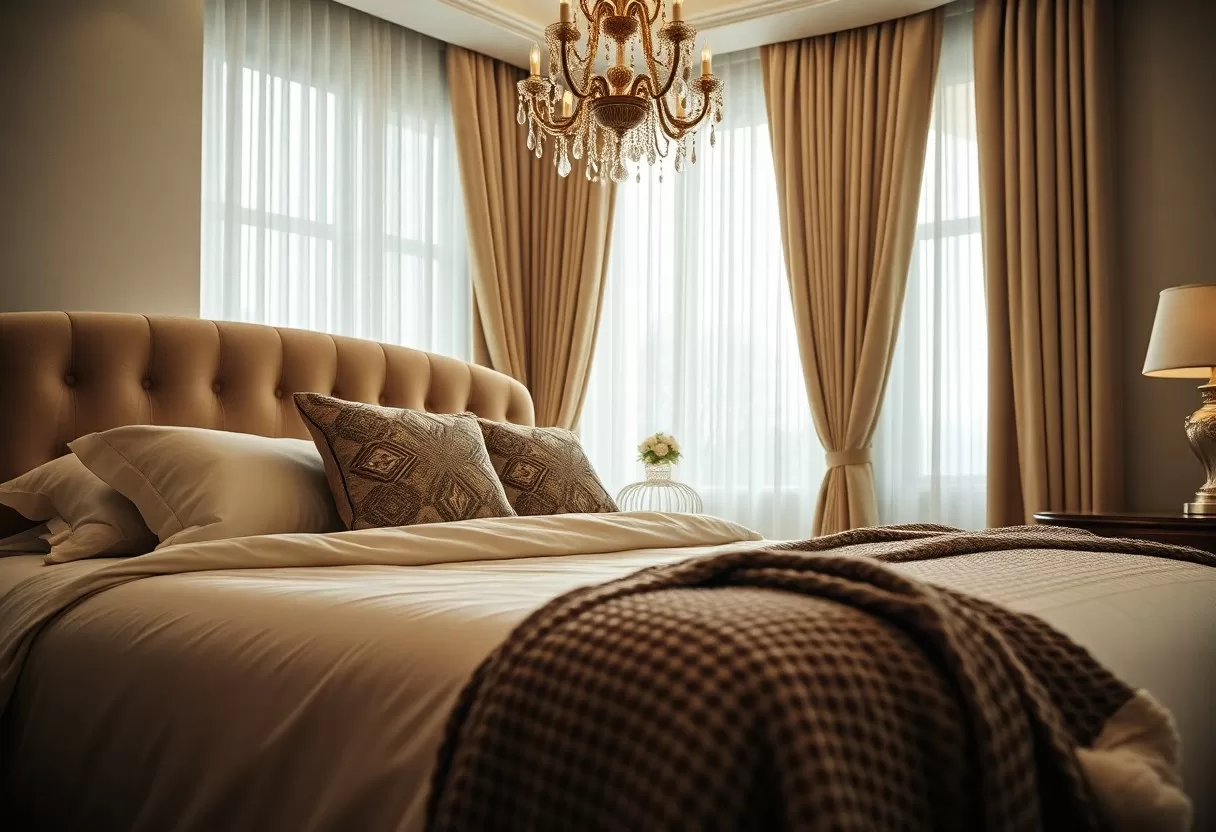
Textiles can change a room’s atmosphere quickly. From plush cushions to full-length drapes, the right fabrics make a space look richer. Choose textures like velvet or linen for a luxurious touch that doesn’t have to cost much, and add an oversized throw and a few good pillows for comfort. For more simple tips, see this £2 trick that makes a home look more expensive.
Selecting High-Quality Fabrics
Choosing high-quality fabrics pays off. Natural materials like cotton, wool, linen or silk usually look and feel richer than shiny synthetics, and they often wear better. You don’t have to redo everything. One accent piece in a richly woven fabric, such as a wool throw or a linen pillow, can lift the look of the whole sofa. Check the fabric’s weight, too: heavier cloth drapes better and looks more expensive.
Layering Techniques for Dimension and Warmth
Layering textiles adds depth and warmth to a room. Mix different textures, like smooth linen curtains with a chunky knit throw on the sofa. The contrast catches the eye and invites touch. Choose colors and patterns that relate to each other without clashing. A patterned pillow that pulls together two or three colors from the room, for example, ties the whole scheme together.
Scale is where many rooms give away a small budget. Hang curtain rods 4 to 6 inches above the window frame, or closer to the ceiling, and extend them several inches past each side so the panels frame the glass instead of covering it. Let the fabric just touch the floor. In the living room, choose a rug big enough to sit under at least the front legs of the sofa and chairs. A rug that floats in the middle of the room makes everything look smaller.
Artistic Accents: Curating a Gallery that Speaks
The Importance of Artwork in Home Aesthetics
Artwork gives your home personality. Pieces you love create a unique narrative that draws people in and makes a room feel collected rather than bought in one trip. Paintings, sculptures and photographs all work. Go bigger than you think: a single large piece over the sofa usually looks more expensive than several small ones scattered around the room.
Display Techniques to Enhance Visual Appeal
How you hang art matters as much as what you hang. A common rule is to put the center of a piece about 57 to 60 inches from the floor, which is roughly eye level. Keep 2 to 3 inches between frames in a gallery-style layout, and leave about 8 to 10 inches between the top of a sofa and the bottom of the art above it. Picture ledges let you layer frames and small 3D objects and change them easily.
Try a few arrangements before you put holes in the wall. Lay the frames out on the floor or tape paper templates to the wall first. Mixing one large statement piece with smaller, detailed works creates balance. Add a picture light or an angled spotlight to highlight a favorite piece. The aim is an arrangement that looks intentional and shows off your personality and style.
Color Palette Revamp: Crafting an Expensive Look
A well-chosen color palette makes a home look polished and high-end. Soft neutrals like taupe, warm gray and cream create a calm, timeless backdrop. Add rich jewel tones such as emerald, sapphire or deep burgundy in pillows, a chair or an accent wall for depth. Keep the overall scheme to a few related colors so each room flows into the next and nothing feels busy.
The Influence of Color Psychology on Perception
Colors affect how a room feels. Blue often reads as calm and refined, while deep green tends to feel rich and grounded. Pick colors that match the mood you want in each room. Matte or eggshell finishes on walls usually look more upscale than shiny paint. Always test a sample on the wall and check it in morning and evening light before you commit.
Utilizing Accent Walls and Color Grouping
Accent walls are a simple way to create a focal point. Painting one wall a deeper color draws the eye and adds interest. In open spaces, or rooms you can see from one another, use related colors to create a smooth transition. Shades of the same color, or complementary tones, help the whole home feel planned and cohesive.
An accent wall lets you try a dramatic color without overwhelming the room. Use it to highlight architectural features or artwork. For example, a deep navy wall behind lighter furniture creates a crisp, sophisticated contrast. You can also group colors by zone, with warm tones in the living area and cooler ones in the bedroom, to give each space its own feel.
Spatial Awareness: Rearranging for Elegance
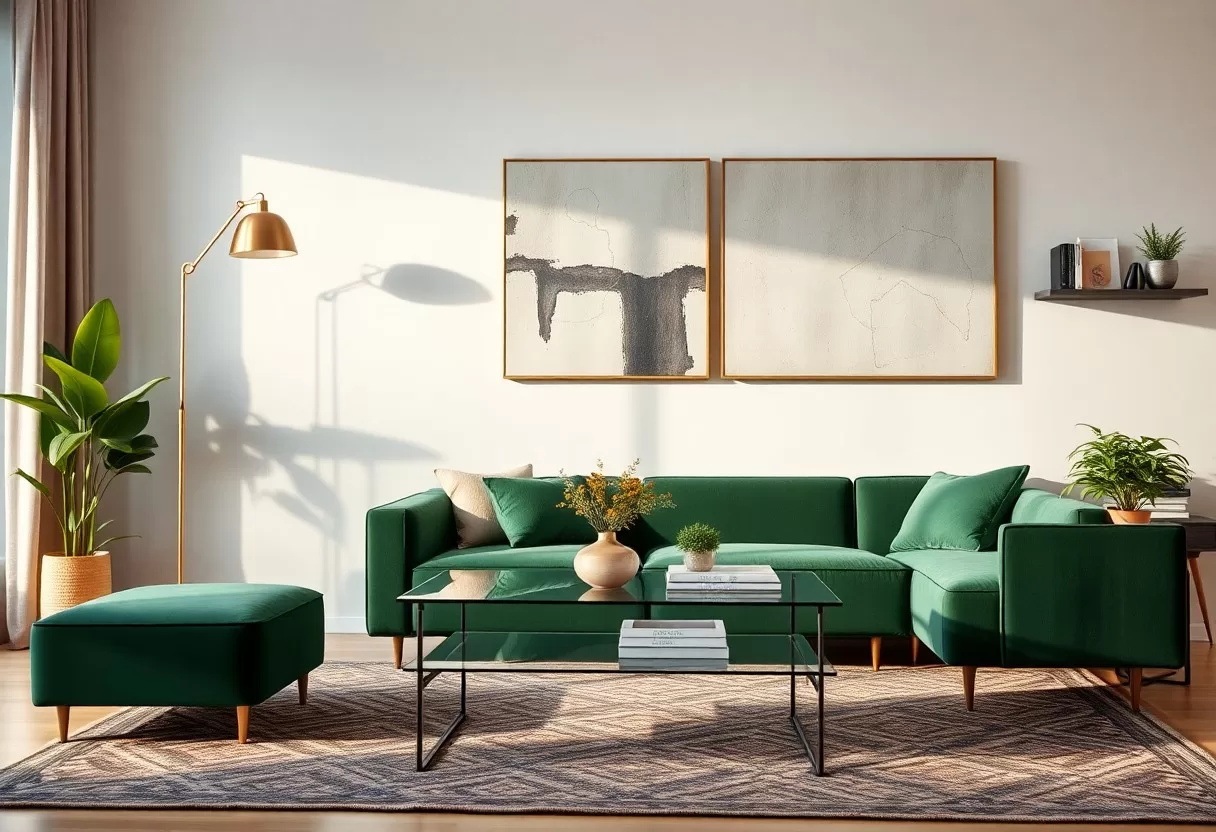
Rearranging furniture is free and can make a room look far more elegant. A thoughtful layout shows off your best pieces and makes the room more welcoming. Arranged well, a room looks bigger, tidier and more sophisticated. Start as if the room were empty, then place pieces with balance and proportion in mind.
The Importance of Furniture Layout
Your furniture layout sets the tone of the room. Arrange seating to face each other and the main focal point, such as a fireplace or window, so conversation comes easily. Pulling the sofa a few inches off the wall often makes a room feel more designed. Aim for symmetry where you can, like matching lamps on either side of the sofa, and balance large pieces with lighter accents.
Creating Flow and Functionality in Spaces
Good flow is key to an upscale look. Arrange furniture so people can move through the room easily and nothing feels cramped. In open-concept spaces this matters even more, because each zone needs clear edges. Leave about 36 inches for main walkways and around 16 to 18 inches between the sofa and coffee table. Clear paths make a room easier to use and calmer to look at.
Use furniture to create distinct zones in larger rooms. Float a sofa with a console table behind it to separate the living area from dining. Group two chairs around a small table for a reading nook. Area rugs define each zone, too. Pick one large enough that at least the front legs of every seat sit on it. Small details like these make every corner of your home feel intentional.
60-30-10 color palette generator
Pick a color you love and get a balanced room palette using the designers’ 60-30-10 rule.
To wrap up
These seven small decor tweaks can make your home look more polished and valuable. By paying attention to lighting, color, textiles and artwork, you create rooms that feel refined and welcoming. Start with one change, such as better bulbs or a bigger rug, and build from there. Over time, these thoughtful choices give your home an upscale look that still feels personal and comfortable.
Preview these tweaks on your room with the free AI interior design generator.
Frequently Asked Questions
What makes a home look expensive?
Good lighting, a cohesive color palette, quality textiles, real art and very little clutter. Scale matters too: larger rugs, taller curtains and fewer but bigger pieces look more luxurious.
How can I make my home look expensive on a budget?
Paint, hang curtains higher and wider, upgrade lamps and hardware, add a large rug and edit accessories. These changes cost little and transform how a room feels.