
7 Tricks to Make Your Small Room Look Bigger
Introduction
Living in a small space has its upsides: less to clean, lower bills and a cozy feel. But a small room can quickly feel cramped and cluttered, especially once furniture and everyday stuff move in. The good news is that a few design tricks can make a small room look bigger without knocking down a single wall. Whether it is a compact bedroom, a narrow living area or a tiny home office, the same basic rules apply.
Key Takeaways: Make a Small Room Look Bigger
- To make a small room look bigger, use light colors and clever lighting.
- Multitasking furniture frees floor space.
- Mirrors reflect light and add depth.
Table of Contents
In this post, I will walk you through practical strategies that go beyond decluttering and paint color. These tips focus on light, scale, sight lines and storage, so you can get the most from every square foot and make the room feel more open than its measurements suggest. Most of them cost little and can be done in a weekend. Let’s get started.
1. Use Light Colors and Clever Lighting
When it comes to making your small room feel bigger, one of the most effective tools at your disposal is color. The right palette can do wonders for the perception of space. Light colors, especially whites, soft neutrals, and pastels, reflect more light, making a room feel airy and open. Dark colors, on the other hand, tend to absorb light, which can make a room feel smaller and more enclosed.
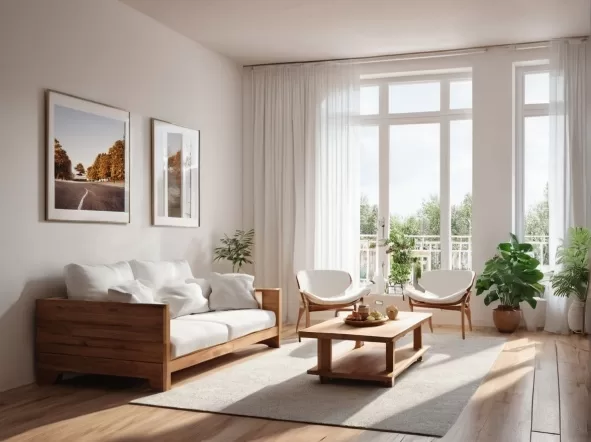
Chose White Color
White is the classic choice for a small room. It is clean, crisp and highly reflective, so it bounces light around the room. White does not have to feel cold or boring, though. Layer a few shades of white and off-white, and mix textures like linen, wood and wool to add depth. Paint the ceiling the same color as the walls or a shade lighter, which blurs the edges of the room and makes it feel taller.
Strategic Lighting
Lighting has a big effect on how large a room feels. A single overhead fixture leaves dark corners and harsh shadows that make the room shrink. Instead, layer your lighting: ambient light for the whole room, task lights where you read or work, and accent lights to brighten corners. Wall sconces and pendants free up floor and table space. Use warm white bulbs, around 2700 K, and keep window treatments light so as much daylight as possible gets in.
2. Furniture That Multitasks
In a small room, every piece of furniture needs to earn its keep. Bulky, oversized furniture will dominate the space and make it feel smaller. Instead, look for pieces that are scaled to the room and serve multiple functions.
Choose Slim, Tall Furniture
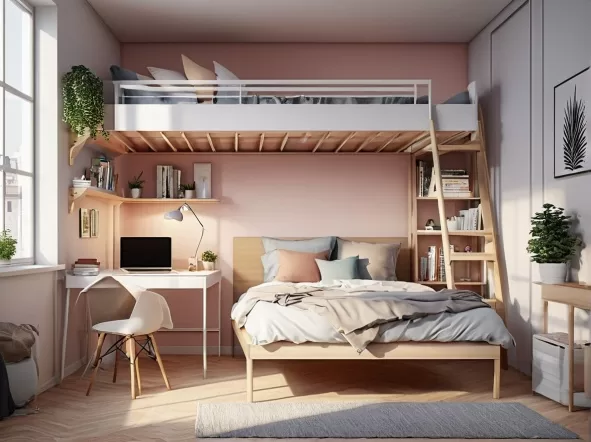
Opt for furniture that is slim and tall rather than short and wide. This draws the eye upwards, emphasizing the height of the room rather than its limited floor space. For example, a tall bookcase or a slimline wardrobe can provide ample storage without overwhelming the room. When choosing a bed, consider one with built-in drawers or a loft bed with space underneath for a desk or seating area.
Multipurpose Furniture
Furniture that does two jobs is a big help in small spaces. Think storage ottomans, fold-down wall desks, sofa beds and benches with lift-up seats. These pieces let you skip extra furniture that would crowd the room. Choose items that are easy to move or reconfigure, such as nesting tables you can tuck away or a drop-leaf dining table that opens up when guests come over. Keep at least 30 inches of clear walkway through the room.
3. Mirrors: The Illusion of Space
Mirrors are like windows you can place wherever you want. They reflect light and give the illusion of depth, making a small room feel bigger instantly. Large mirrors, or a series of smaller ones grouped together, can dramatically open up a space.
Placement is Key
Where you place a mirror matters. Hanging one on a wall next to or across from a window reflects daylight and the view outside, which brightens the whole room. A large mirror behind a sofa or bed adds a sense of depth. Check what the mirror will reflect before you hang it: a clear view of a window or plant looks great, while a reflection of clutter or a blank door does not help. Mirrored side tables or cabinets add a little extra sparkle.
Mirrored Walls and Backsplashes
For a bolder approach, consider a mirrored wall or backsplash. In a small dining area or hallway, a mirrored wall can create the illusion that the space extends much further than it does. In the kitchen, a mirrored backsplash reflects light and gives the impression of more room.
4. Decluttering: Less is More
You have probably heard it before: decluttering matters when you want to make a small room look bigger. But it is more than a quick tidy. It means making clear choices about what to keep and what to let go of. A good rule is to keep only what you use regularly or really love, and to find a fixed home for everything that stays, so surfaces stay clear.
Smart Storage Solutions
Clutter can quickly overwhelm a small space, making it feel cramped and chaotic. To combat this, invest in smart storage solutions that keep your belongings out of sight. Built-in storage, under-bed storage, and floating shelves can help you maintain a clean, organized space without taking up valuable floor space. Consider using storage boxes or baskets to keep items like remote controls, books, or toys neatly contained.
The Art of Minimalism
Going minimal does not mean your room has to feel bare or impersonal. It is about being deliberate with decor. Keep the items you love and that serve a purpose, and group small objects together instead of spreading them across every surface. A few larger pieces, like one big piece of art instead of many small frames, look calmer than lots of little ones. When every item has a place, the room feels larger and more open.
5. Vertical Space is Your Best Friend
When floor space is limited, it’s time to start thinking vertically. Utilizing vertical space effectively can dramatically increase your storage options and make your small room feel bigger.
Floating Shelves and Wall-Mounted Storage
Floating shelves are a great way to add storage and display space without taking up floor space. They’re perfect for books, plants, and decorative items, and can be arranged in a variety of configurations to suit your style. Wall-mounted storage units, such as pegboards or rail systems, are also incredibly useful in small spaces, particularly in kitchens or home offices where you need to keep things organized and within reach.
Hang Your Curtains High
This is a classic trick that designers use to make a room feel taller and more spacious. By hanging curtains close to the ceiling, you draw the eye upward, creating the illusion of height. Pair this with long, flowing curtains that reach the floor for the best effect.
6. Opt for Glass and Lucite
Transparency is another key to making your small room feel bigger. Glass and lucite (acrylic) furniture pieces allow light to pass through, which means they take up less visual space in the room.
Glass Tables and Shelving
A glass coffee table, dining table, or shelving unit can give the illusion of a more open space. Because they don’t block your line of sight, these pieces help maintain the flow of the room, making it feel larger. Glass tables also reflect light, adding to the overall brightness and openness of the space.
Lucite Chairs and Accessories
Lucite or acrylic furniture, like chairs or side tables, works well in small rooms. These pieces almost disappear, so you get the seat or surface without adding visual bulk. A clear chair at a small desk, for example, blends into the room and keeps the view across the floor open. Acrylic scratches more easily than glass, so clean it with a soft cloth and mild soapy water rather than paper towels.
7. Embrace an Open Layout
If your small room is part of a larger living area, consider an open layout. Removing barriers and opening up the space can make the entire area feel bigger.
Use Rugs to Define Spaces
In an open layout, rugs can help define different areas without the need for walls or dividers. A large rug under the seating area, for example, can delineate the living room from the dining area or kitchen. Choose rugs that are large enough to anchor the space but not so big that they overwhelm it.
Keep it Cohesive
In an open layout, keep the look consistent across the space. Use one color palette with two or three main colors, repeat the same wood tone or metal finish in different areas, and choose furniture and decor that work together. When the eye moves smoothly from one zone to the next without abrupt changes, the whole space reads as one larger area.
Room size checker
Enter a room’s dimensions to see if it meets comfortable space-planning ranges.
Conclusion
In the end, you can make a small room look bigger with a series of strategic choices rather than a renovation. Light colors, layered lighting, mirrors, slim furniture and smart storage all work together. Start with the changes that cost least, like decluttering and moving a mirror, then add new pieces over time. With some planning, even the smallest room can become a stylish, comfortable and functional space you enjoy spending time in.
Test space-saving layouts in the free 3D room designer.
Frequently Asked Questions
What color makes a small room look bigger?
Light, cool or neutral colors reflect more light and make walls seem to recede. Painting walls and ceiling the same light color also blurs edges.
Do mirrors really make a room look bigger?
Yes. A large mirror opposite or beside a window reflects light and views, creating an illusion of depth.
Related Guides
