
10 Genius Home Hacks You Need to Try This Year
Small changes can make a home easier to live in. These home hacks help you squeeze more out of small spaces, simplify daily chores, save energy and improve security, most of them in an afternoon and on a small budget.
Table of Contents
Key Takeaways:
- Everyday items, used creatively, can organize your home and cut clutter.
- Simple DIY fixes solve many common household problems for very little money.
- Building a few of these habits into your routine saves time every week.
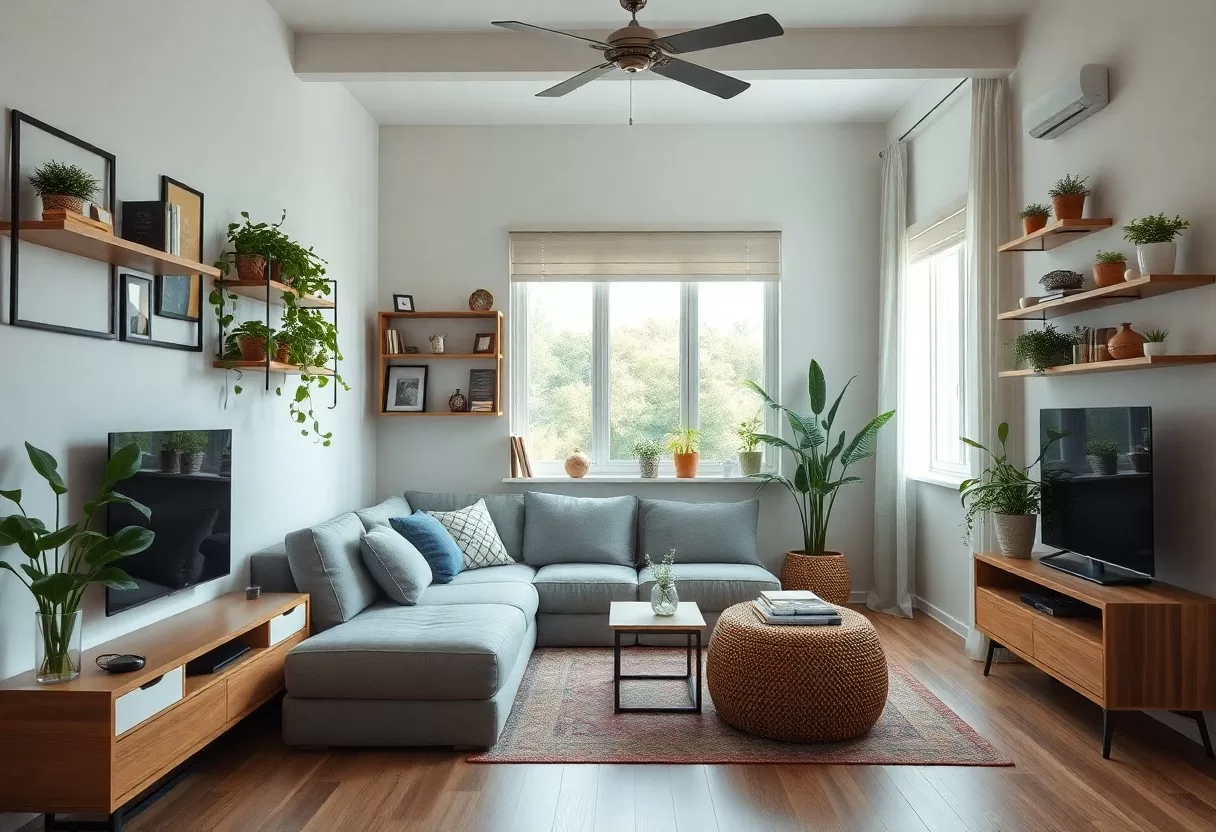
Transforming Small Spaces: Optimize Every Corner
When you have limited square footage, every corner needs a job. The best home hacks for small spaces are about clearing the floor and the counters, because open surfaces make a room feel bigger. Start by walking through each room and noting spots that hold nothing useful: the space above doors, the back of cabinet doors, the gap beside the fridge, the area under the bed. Those are your easy wins, and most of them only need a shelf, a hook or a slim rolling cart.
Utilizing Vertical Space for Storage Efficiency
To make the most of a small room, think about utilizing vertical space. Install shelves above desks, doors and toilets to get clutter off surfaces. Tall, narrow bookcases store more per square foot than wide, low ones and draw the eye up, which makes ceilings feel higher. Always anchor tall furniture to a wall stud with an anti-tip kit. Don’t overlook corners either: corner shelves and over-the-door racks turn dead space into practical storage.
Multi-Functional Furniture: The Key to Versatility
Multi-functional furniture earns its place in a small home. One piece doing two jobs means one less piece taking up floor space. A sofa bed turns a living room into a guest room for the night, a storage ottoman doubles as seating and a coffee table, and a bed with drawers underneath can replace a dresser. Before you buy, measure the room and the piece fully opened, so you know a sleeper sofa or extended table still leaves a clear path to walk.
A folding dining table, a wall-mounted drop-leaf desk or a convertible sofa lets one room handle different jobs at different times of day. Look for pieces with simple, sturdy mechanisms you will actually bother to use, and finishes that match what you already own so they fit into the room. These versatile solutions work best when you think about your daily routine first: where you eat, work, relax and put guests, then choose furniture that covers two of those at once.

Simplifying Household Chores: Time-Saving Techniques
Chores take less time when you plan them instead of reacting to the mess. Group similar tasks, such as wiping every bathroom surface in one go, and keep a basic cleaning caddy on each floor so supplies are always within reach. A simple rule helps too: if a task takes less than two minutes, do it now. Use good tools, like a cordless stick vacuum and a squeegee in the shower, so the small daily jobs never pile up into a weekend project.
The Power of Batch Cooking for Meal Prep
Batch cooking makes weeknights much easier. Set aside two or three hours on the weekend to cook a big pot of grains, roast a tray of vegetables and prepare a protein or two, then mix and match them during the week. Cool food quickly and store it in shallow, labeled containers; most cooked meals keep about three to four days in the fridge, and soups, stews and chili freeze well for a few months. You’ll save time and order takeout less often.
Innovative Cleaning Hacks for Instant Results
A few household basics clean most of the house. Vinegar and baking soda handle hard-water marks, stains and odors, but use them separately, since mixing them just neutralizes both. Microfiber cloths trap dust and dirt with only water, so you need fewer sprays. Keep one color for kitchens and another for bathrooms. Clean from top to bottom, dusting high surfaces before you vacuum, so you never have to redo the floor.
A few small tricks make cleaning faster with minimal effort. Rub half a lemon on a greasy stovetop, or microwave a bowl of water with lemon slices for a few minutes to loosen baked-on splatters. Wipe mirrors and windows with a lint-free cloth or coffee filter to avoid streaks. Slide an old pillowcase over each ceiling fan blade and pull it back to trap the dust. A quick daily wipe of the sink and counters keeps grime from building up.
Eco-Friendly Innovations: Sustainable Home Solutions
Making your home more sustainable doesn’t require a big renovation. Small, steady changes add up and often save money. Swap disposable paper towels for washable cloths, fix dripping faucets and running toilets quickly, install low-flow showerheads and choose refillable cleaning products. When something needs replacing anyway, pick the efficient option, such as an ENERGY STAR appliance or a heat pump water heater. Start with whatever costs least and bothers you most.
DIY Natural Cleaning Products to Reduce Chemicals
Homemade cleaners cut down on harsh chemicals and plastic bottles. A spray of equal parts white vinegar and water handles glass and most hard surfaces, while baking soda with a little water makes a mild scrub for sinks and tubs. Keep in mind that vinegar cleans but is not a registered disinfectant, so use a proper disinfectant for raw meat spills. Never mix vinegar or ammonia with bleach, and don’t use vinegar on natural stone like marble or granite.
- Make natural cleaners with vinegar and baking soda.
- Use essential oils for pleasant scents.
- Cut down on plastic waste with DIY solutions.
Label every homemade bottle with its contents and the date, and keep them out of reach of kids and pets. Reuse sturdy spray bottles, and you’ll buy fewer single-use plastic containers over time.
Energy-Saving Tips for a Greener Household
Energy-saving habits lower your bills and make a home more comfortable. Start with the cheapest fixes: weatherstripping and caulk around drafty windows and doors, LED bulbs in the fixtures you use most, and power strips you can switch off for TVs and computers. A smart or programmable thermostat lets you lower the heat at night and while you are away without thinking about it. Change your HVAC filter every one to three months so the system runs efficiently.
- Seal windows and doors to reduce energy waste.
- Use energy-efficient light bulbs.
- Invest in a smart thermostat for optimal energy use.
To find leaks, hold a lit incense stick near window frames, outlets and door edges on a windy day. If the smoke wavers, seal that spot. Small fixes like this are among the easiest home hacks for lower energy bills.
For bigger savings, look at your home as a whole. Many utilities offer a free or low-cost energy audit that pinpoints where you lose the most heat. Rooftop solar panels can offset part of your electricity use over time if your roof gets good sun; get several quotes first. If your utility charges time-of-use rates, run the dishwasher, washing machine and dryer during off-peak hours. Wash clothes in cold water, and clean the dryer lint filter after every load.
- Consider solar panels for renewable energy.
- Run appliances during off-peak hours for energy savings.
- Maintain an energy-efficient home with regular checks.
Once a year, check attic insulation, test the furnace and clean refrigerator coils. A little upkeep keeps your home efficient and helps appliances last longer.
Enhancing Home Security: Smart and Simple Modifications
Better home security doesn’t require a renovation. Most break-ins happen through doors and ground-floor windows, so small upgrades there make the biggest difference. Combine a few smart devices with simple hardware fixes and good habits, like locking up every time you leave and not hiding a key under the doormat. Start by walking around your house the way a stranger would and noting where it looks easy to get in unseen.
Affordable Tech Upgrades for Home Monitoring
Affordable tech upgrades like motion-sensor lights and video doorbells let you see who comes to your door, even when you are away. Indoor and outdoor cameras with phone alerts show what is happening in real time. These devices are cost-effective, and visible cameras alone can make your house a less tempting target. Change default passwords, turn on two-factor login in the app and keep the firmware updated so the devices stay secure.
Strengthening Entry Points: Low-Cost Solutions
Strong entry points matter more than any gadget. Simple, low-cost solutions include a quality deadbolt with at least a one-inch throw on every exterior door and security film on glass near locks, which makes the glass harder to break through. Lay a wooden dowel or security bar in the track of each sliding door so it can’t be forced open. These are easy weekend projects and form effective barriers against forced entry.
Next, add hardware upgrades like reinforced strike plates fastened with 3-inch screws that reach the wall framing, and screw-in security locks or pin locks on windows. Both are inexpensive and easy to install yourself with a drill. Keep sightlines around entries open by trimming shrubs below window height, and replace burnt-out porch bulbs. Timers or smart plugs on a few lamps make the house look occupied when you travel.
Budget-Friendly Décor Hacks: Style Without Breaking the Bank
Stylish décor doesn’t have to be expensive. A fresh coat of paint, new cabinet hardware, a large rug and a few well-chosen plants change a room’s mood for a fraction of a renovation’s cost. Rearranging the furniture you already own is free and often makes the biggest difference. Pick one color palette for the room and stick to it, so even mismatched pieces feel like they belong together.
Repurposing Everyday Items for Unique Design
Look around your home before you shop. Glass jars make simple candle holders or bathroom storage, wooden crates stack into rustic shelving, and an old ladder can hang blankets or towels. A tired dresser becomes a TV stand or bathroom vanity with new paint and hardware. Repurposing keeps things out of the landfill and gives your rooms one-of-a-kind pieces that you won’t find in a big-box store.
Thrift Store Treasures: Finding Hidden Gems
Thrift stores, estate sales and online marketplaces are great sources of solid wood furniture, vintage lamps, frames and pottery. Older pieces are often better built than new flat-pack furniture and cost far less. Go often, since stock changes quickly, and shop with your room measurements saved on your phone. With a little patience, you’ll find plenty of hidden gems for just a few dollars.
When you shop secondhand, focus on quality bones rather than the current finish. Check that drawers slide, joints are tight and the piece doesn’t wobble. Pull out a drawer to look for dovetail joints, a sign of good construction. Skip upholstered pieces with odors or signs of pests. A scuffed wood table can be sanded and refinished, and a dated frame or lamp can be spray-painted in an afternoon, so imagine each item with a fresh finish in your room.
Summing up
These 10 genius home hacks help you get more from the space you have and spend less time on chores. Start with the changes that solve your biggest daily annoyance, whether that is a cluttered counter, a drafty window or a door lock you don’t trust. Most take an afternoon and a small budget. Try one or two this month, see how they work for your household, and add more as you go.
Organized-home habit tracker
Tick the habits and systems you already have. Each one you add makes the house easier to keep tidy.
FAQ
Q: What are some of the home hacks that can help save time in daily chores?
A: One genius hack is to use a slow cooker to prepare meals in bulk. You can set it up in the morning and come home to a hot, delicious meal, reducing the need for nightly cooking. Another time-saving tip is to create a cleaning schedule; designate different days for specific tasks. Additionally, using pillowcases to clean ceiling fans can eliminate dust quickly without messy cleanup.
Q: Are there any budget-friendly home hacks for organization?
A: Absolutely! Using recycled jars and containers can help you organize small items around the home. For example, use a mason jar to store loose change or screws. Flip over a shoe organizer and hang it on the back of a door for an inexpensive way to store cleaning supplies or craft materials. You can also repurpose old magazines as magazine holders by cutting them in half and standing them up—this keeps your space tidy without spending extra money.
Q: How can I enhance my living space using some of these hacks?
A: One effective way to enhance your living space is through strategic lighting. Use LED strip lights under furniture or along shelves to create a cozy atmosphere. You can also transform plain furniture with a bit of paint or removable wallpaper, giving old pieces a fresh look. Lastly, consider using mirrors to create an illusion of more space while reflecting light around the room, making your living area feel open and inviting.
Try space-saving layouts virtually in the free 3D room designer.
Related Guides
