
From Drab to Fab – Instant Home Decor Hacks You Can Do Over the Weekend
One weekend is enough to make a tired room feel new. A fresh paint color, an upcycled piece of furniture, better lighting and a few purposeful accessories can change how a space looks and feels. Here are the weekend home decor hacks that give you the biggest change for the least effort, plus the practical details that keep a two-day project from turning into a two-month one.
Key Takeaways: Weekend Home Decor Hacks
- These weekend home decor hacks refresh a room in two days.
- Color, upcycled furniture and lighting have the biggest effect.
- Purposeful accessories finish the look.
Table of Contents
Transformative Color Choices
Choosing the Right Paint Palette for Instant Impact
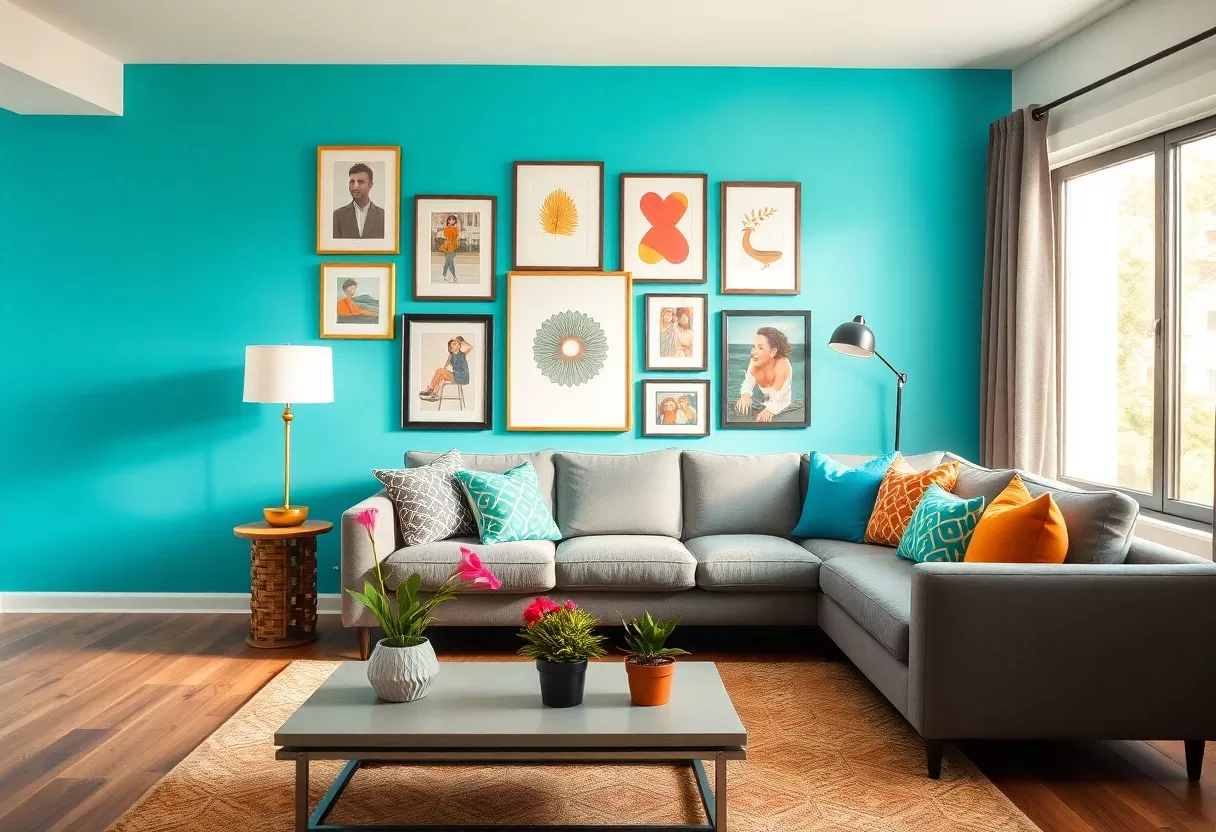
Your paint palette sets the tone for the whole makeover, so pick it before you buy anything else. Bold shades like deep blue, burnt orange or forest green make strong focal points, especially on one accent wall or a single piece of furniture. Balance them with neutrals such as warm white, greige or soft taupe so the room doesn’t feel heavy. Always test first: paint a large swatch, about 2 by 2 feet, and look at it in morning, afternoon and evening light before you commit.
A simple way to keep a palette under control is the 60-30-10 rule. About 60 percent of the room is your main color, usually the walls. About 30 percent is a secondary color in furniture, curtains or a rug, and the last 10 percent is the accent you see in pillows, art and small objects. It’s a rule of thumb, not a law, but it stops a bold color from taking over. If you’re painting, plan on one wall or one small room per day so each coat has time to dry.
The Psychology of Color and Its Home Effects
Color affects how a room feels. Blues and greens tend to feel calm, which is why they work well in bedrooms and reading corners. Yellows feel cheerful and energetic, so they suit kitchens, breakfast nooks and home offices. Think about what you do in each room and when you use it. A bedroom you mostly see at night can handle a deeper shade than a north-facing living room that already feels dim during the day.
The psychology of color is less exact than some articles suggest, but a few patterns are widely accepted. Warm colors like red, orange and yellow make a space feel cozier and livelier, and they can make a large room feel more intimate. Cool tones like blue, green and soft gray feel quieter and help a small room feel more open. Your own associations matter too, so pick colors you actually like living with. Light direction changes everything: north-facing rooms make colors look cooler, while south-facing rooms warm them up.
Upcycling Furniture: A Weekend DIY Revolution
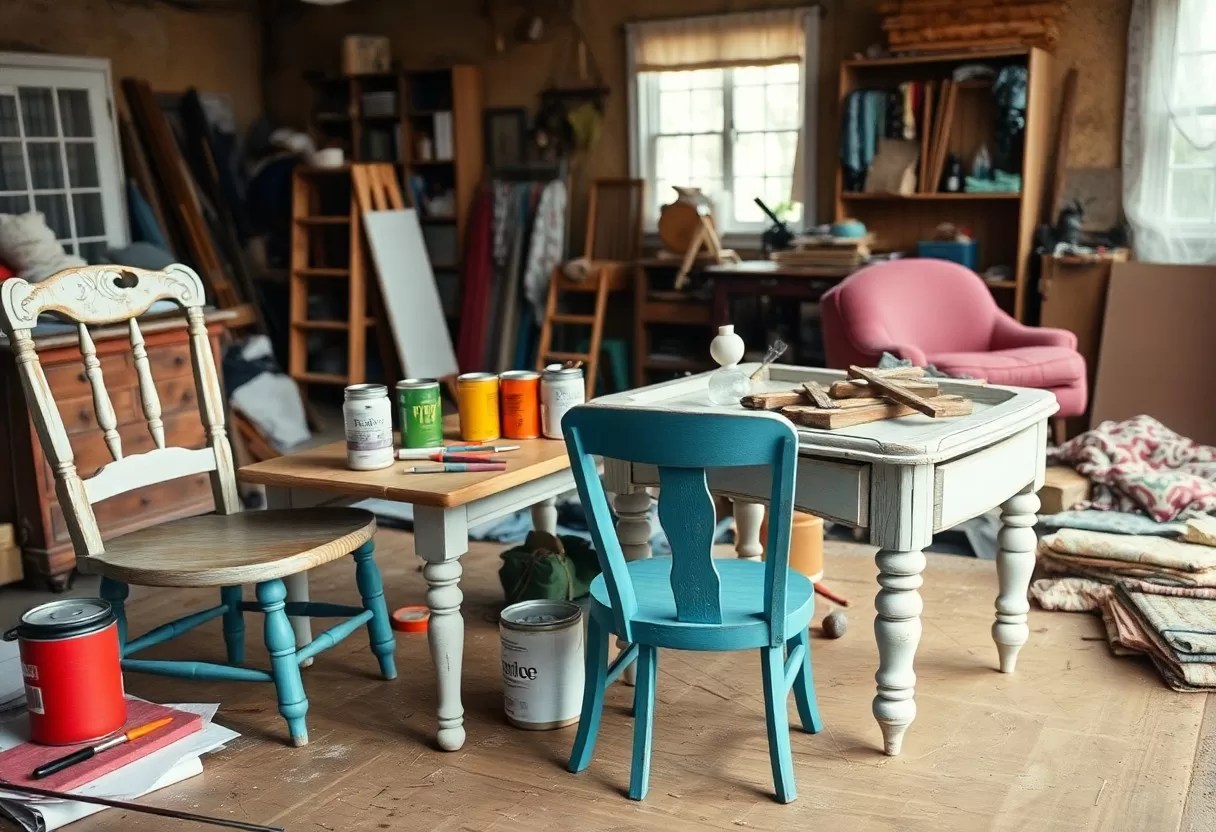
Upcycling lets you give tired old pieces a second life while keeping your budget in check. This weekend, pick one forgotten piece, such as a dresser, side table or pair of dining chairs, and turn it into something you’re proud to show off. Start small: one well-finished piece looks better than three half-done ones. The steps below cover the basics so you get a durable, good-looking result.
Simple Techniques to Give Old Furniture New Life
Start by cleaning the piece thoroughly with warm water and a mild degreaser, then let it dry. Sand glossy surfaces lightly so new paint can grip, and use a bonding primer on laminate. A fresh coat of paint or stain makes a big difference, and a bold color or a lightly distressed finish adds character. New hardware is the quickest win of all, since swapping knobs and pulls can take a piece from dated to modern in under an hour. Measure the distance between screw holes first so the new pulls fit. If a chair seat is worn, recovering it with new fabric and a staple gun is an easy beginner upholstery job.
Essential Tools and Materials for Successful Upcycling
Gather your tools and materials before you start so you don’t lose half a Saturday to store runs. The essentials are a good paintbrush or small foam roller, sandpaper in a couple of grits (around 120 and 220), a staple gun for upholstery and basic tools like screwdrivers and pliers. Buy decent paint and a clear topcoat, because they decide how well the finish holds up to daily use. Keep safety gear close: gloves, eye protection and a dust mask, plus a respirator if you’re stripping old finishes or spraying.
Prep is where most upcycling projects succeed or fail. Remove drawers and hardware before you paint, label them with painter’s tape so everything goes back in the right spot, and fill dents with wood filler. Wipe away sanding dust with a damp cloth. Thin coats look better and dry faster than one thick coat, so plan on two or three. If the piece will see heavy use, like a dresser top or dining chair, finish with a water-based polyurethane or a furniture wax.
A drill, a level and a small saw help with bigger projects, but you won’t need them for a simple paint-and-hardware refresh. Thrift stores, yard sales and online marketplaces are good sources for solid wood pieces and reclaimed materials. Work in a well-ventilated space, cover the floor with a drop cloth and follow the drying times on the can. Rushing a second coat is a common reason DIY paint jobs peel or stay tacky. A short written plan with each step and its drying time keeps the weekend on track.
Accessorizing with Purpose: Elevating Spaces
Accessories finish a room, but only if they earn their place. Choose pieces that look good and do a job: a tray that corrals remotes, a basket that hides throws, a lamp that adds light where you read. Repeat two or three colors from your palette across the room so the accessories feel connected. Group small items in odd numbers, usually threes, and vary their heights. Before adding anything new, clear every surface and put back only what you love or use.
Selecting Statement Pieces That Speak Volumes
A statement piece gives the eye somewhere to land. It can be a large piece of art, a sculptural lamp, an unusual chair or a bold rug. Pick one per room so pieces aren’t competing for attention. Scale matters: art over a sofa usually looks best at about two-thirds of the sofa’s width, hung so its center sits around 57 to 60 inches from the floor. A living room rug should be large enough for at least the front legs of the seating to rest on it.
The Art of Layering Textures and Accessories
Layering textures adds depth and makes a room feel more lived-in. Pair soft with hard and matte with shiny: a chunky throw on a leather sofa, woven baskets next to glossy ceramic vases, a linen shade on a metal lamp base. Texture matters most in neutral rooms, where it does the work that color would otherwise do. Mixing wood, metal, stone and fabric gives you a balanced look that feels relaxed instead of staged.
Layering works best from the bottom up. Start with large furniture and the rug, then add pillows and throws in your color scheme, then finish with smaller objects. For example, drape a chunky knit blanket over the sofa and add velvet or linen cushions in a contrasting texture. Swap a few elements by season: faux fur and wool in winter, cotton and linen in summer. That keeps the room fresh without buying a whole new set of decor, and it gives you an easy weekend project a few times a year.
Lighting: The Unsung Hero of Home Decor
Lighting is the hack people skip most often, yet it changes a room faster than almost anything else. Good lighting sets the mood, shows off your decor and can make a small space feel larger. Designers think in three layers: ambient light for general brightness, task light for reading and cooking, and accent light to highlight art or shelves. Many rooms rely on a single ceiling fixture, so adding the other two layers makes an immediate difference.
Innovative Ways to Incorporate Lighting for Atmosphere
A few weekend-friendly upgrades go a long way. Add string lights or LED strips under cabinets or along shelves for a soft glow. Install dimmers, or use smart bulbs if you rent, so the same room can feel bright for gatherings and cozy for movie nights. Put floor and table lamps in dark corners to spread light around the room. Choose warm white bulbs around 2700 K for living rooms and bedrooms, and slightly cooler light around 3000 to 4000 K for kitchens and workspaces.
Choosing Fixtures That Reflect Your Personal Style
Light fixtures are part of your decor, so they should match your style as much as your sofa does. Modern pendant lights, boho-inspired chandeliers, rattan shades and simple brass sconces all say something different. A striking fixture can double as a statement piece. Look at materials, shapes and finishes, and don’t be afraid to mix them. Keep one common thread, such as matching metal finishes, so the mix feels intentional rather than random.
To pick fixtures, start with your overall style. Do you lean toward clean contemporary lines, or warmer rustic and vintage pieces? Look at what’s already in the room and choose fixtures that fit. Check size before you buy: a dining pendant usually hangs about 30 to 36 inches above the table and should be roughly half to two-thirds of the table’s width. Plug-in sconces and pendants are a good weekend option if you can’t add wiring, since they hang on a hook and plug into an outlet.
Creating a Cohesive Flow: Open Spaces and Room Layouts
Open spaces and connected rooms look best when they share a common thread. Repeat colors, wood tones or metal finishes from one area to the next so the eye moves easily through the house. Give each zone a clear job, such as dining, lounging or working, and define it with a rug, a light fixture or the way the furniture faces. That makes an open floor plan feel organized instead of like one big, undefined room.
Understanding Traffic Patterns and Space Utilization
Watch how you and your family actually move through the space, then plan around it. Keep the main traffic patterns clear, with walkways around 36 inches wide where you can manage it. Don’t put large furniture in natural pathways, and leave about 18 inches between the sofa and the coffee table so people can pass. Good space utilization means every piece has a purpose and nobody has to squeeze past anything.
Space Planning Tips to Maximize Visual Appeal
Smart space planning makes a room look better without buying much. Choose multifunctional furniture, like a storage ottoman or a bench with baskets underneath, so clutter has a home. Larger pieces often work best against walls, which opens up the center of the room. In bigger rooms, though, pulling the sofa a few inches off the wall can feel cozier. Hang a mirror across from or next to a window to bounce daylight around and make the space feel bigger.
- Choose multifunctional furniture that minimizes clutter.
- Position larger pieces against walls for a more open look.
- Incorporate mirrors to amplify light and expand space visually.
- Be mindful of traffic patterns for easy movement.
- For added depth, mix textures and finishes in your decor.
Once the big pieces are in place, give each room a focal point, like a striking piece of art, a fireplace, a large window or an eye-catching light fixture. Arrange the seating to face or frame it, so the layout has a clear center. Then use texture and layered decor to add depth around it. Step back and look at the room from the doorway, because that’s the view guests see first. If your eye jumps around with nowhere to rest, remove a few items until the focal point stands out again.
- Establish a focal point in each room for visual interest.
- Use texture and layers to introduce depth in your decor.
- Experiment with color palettes that resonate with your personal style.
- Integrate decorative elements that tell your story.
- Prioritize comfort—your home should feel as good as it looks.
Summing up
You don’t need a renovation budget to make your home feel new. Each of these hacks fits into a weekend, so you can pick one project, finish it and enjoy the result by Sunday night. Start with the change that bothers you most, whether that’s a dull wall color, a dark corner or a tired dresser. Then build from there one weekend at a time, and your home will slowly become more comfortable, more practical and more like you.
60-30-10 color palette generator
Pick a color you love and get a balanced room palette using the designers’ 60-30-10 rule.
FAQ
Q: What are some simple DIY projects that can transform a room over a weekend?
A: There are many easy projects that can change the feel of a room in a weekend. One popular hack is creating a gallery wall with framed artwork or photographs. You can also repaint or refinish a piece of furniture to give it new life. Adding throw pillows or a cozy rug makes a room feel warmer, and a few well-placed plants bring color and life to any corner.
Q: How can I incorporate color without committing to a full paint job?
A: Introducing color into your home doesn’t have to involve extensive painting. Consider using removable wallpaper or peel-and-stick decals for a temporary but impactful effect. You can also add color with accessories like cushions, throws, or art pieces that can be easily swapped out or changed. Another option is to paint just an accent wall or even furniture pieces, allowing for a splash of color without the whole room makeover.
Q: What are some budget-friendly materials I can use for decor updates?
A: There are plenty of budget-friendly materials that can help you update your decor. Look for items at thrift stores, garage sales or online marketplaces. Fabric can be used to reupholster chairs or sew your own curtains. Paint, scrap wood or old pallets can be repurposed into furniture (use pallets stamped HT, which means heat-treated, and avoid ones marked MB). Upcycling saves money and gives your home a one-of-a-kind look.
Preview your weekend makeover with the free AI interior design generator.