
Gardening for Busy Homeowners – Easy and Low Maintenance Ideas
A beautiful garden does not have to take every weekend. Easy-care plants, mulch, drip irrigation and a simpler layout can cut maintenance to a few minutes a week. Here are practical gardening ideas for busy homeowners who still want a yard to enjoy.
Table of Contents
Key Takeaways: Gardening for Busy People
- Pick easy-care plants such as succulents, tough perennials and natives that suit your climate.
- Use containers to keep plants close at hand, easy to water and simple to move or replace.
- Install drip irrigation or use self-watering pots so plants get steady moisture without daily watering.
Transforming Your Space with Minimal Effort
A good-looking garden doesn’t need hours of work every week. The trick is to make a few smart choices up front so the garden mostly runs itself. Pick plants that suit your sun and soil, use the fences, walls and paths you already have, and avoid features that need constant fussing. A layer of mulch, a drip line and one or two easy focal points, like a bench or a large pot, change how the space feels without eating into your schedule.
Low-maintenance Plants for Every Environment
Choose low-maintenance plants that suit your conditions, such as succulents and sedums for hot, dry spots or ferns and hostas in shade. Plants that match their site rarely need rescuing. Lavender, ornamental grasses, catmint and Russian sage handle heat and dry spells once established, and they look good with little more than a yearly trim. Read the plant tag for its sun needs and mature size, and give each plant that much room so you are not pruning it back every month.
Utilizing Container Gardening for Flexibility
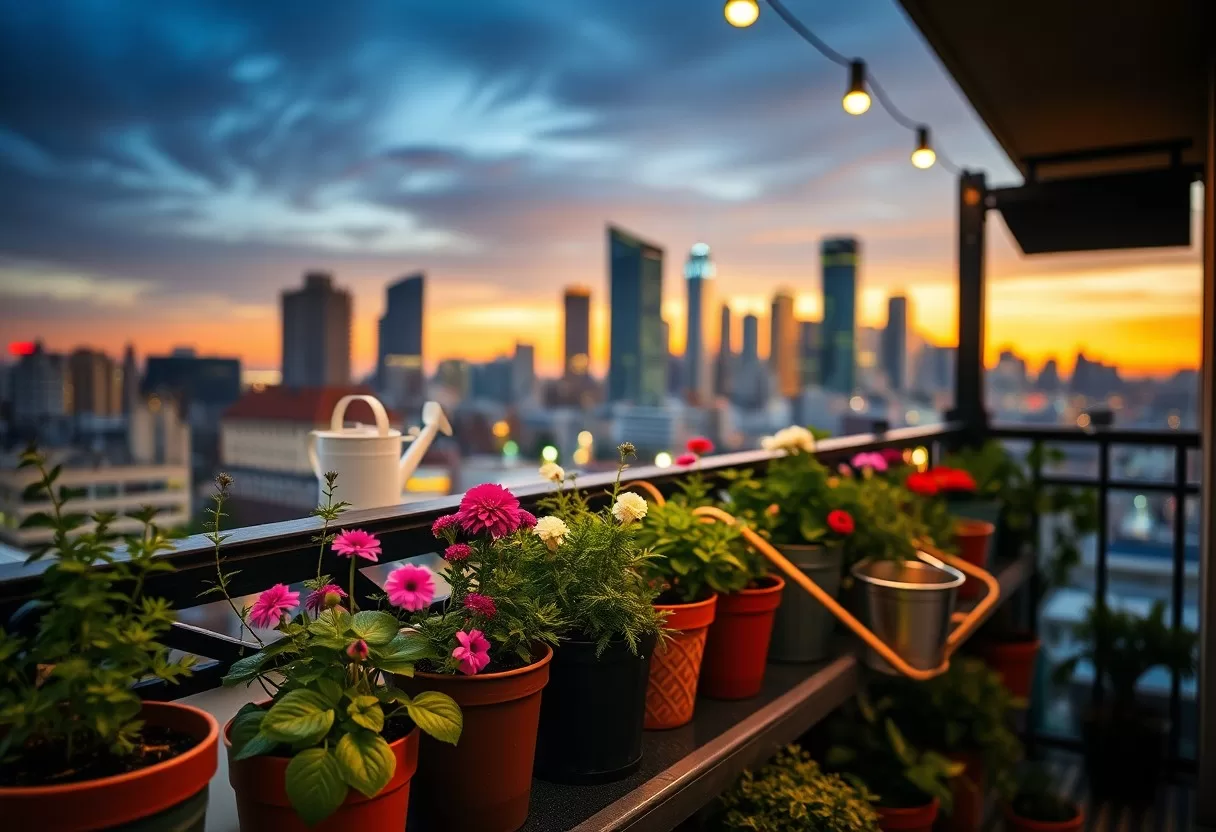
Container gardening is ideal for busy homeowners who want flexibility. You can grow something on a patio, a balcony or by the front door, even when you have no garden beds at all. Pots keep plants at a comfortable height, weeds are rare, and swapping out a tired plant takes minutes instead of an afternoon of digging. Choose fewer, larger containers, at least 14 to 16 inches across, because small pots dry out fast and need water every day in summer.
Self-watering pots, with a water reservoir in the base, can stretch watering to every few days or longer. Lightweight resin or fiberglass containers are easy to move, and a plant caddy on wheels helps with big pots. Mix flowers, herbs and compact vegetables like cherry tomatoes, peppers and lettuce for color and something to pick. If a plant struggles where it is, you can simply roll it to a spot with more or less sun instead of starting over.
Smart Strategies to Reduce Gardening Time
The biggest time savers are decided before you plant. Pick plants that need little care, buy a few good tools, such as sharp pruners, a hori-hori knife and a long hose or soaker hose, and keep them in one easy-to-reach spot. Then tackle jobs in small, regular sessions instead of big weekend marathons. Gardening for busy people works best when the garden is set up so that most tasks take ten minutes or less.
The Benefits of Mulching and Ground Covers
Mulch is the single best weed and water saver. Spread 2 to 3 inches of shredded bark, wood chips or straw over bare soil, keeping it a few inches away from stems and trunks. It blocks most weed seeds, keeps soil moist and breaks down into organic matter over time. Ground covers do a similar job on a larger scale. Clover handles light foot traffic and stays green with little water, while creeping thyme is better for edges and between stepping stones.
Incorporating Automated Watering Systems
Drip irrigation or a smart sprinkler controller takes watering off your to-do list. A drip line puts water right at the roots, so plants get a deep, steady drink and leaves stay dry, which also helps prevent disease. Hook it up to a simple battery timer at the faucet and set it to run early in the morning. Smart controllers go a step further and skip watering when rain is in the forecast, so you avoid both overwatering and dry spells.
An automatic system is one of the best investments a busy gardener can make. Drip irrigation loses far less water to evaporation and runoff than a sprinkler, which matters most in hot, dry climates. Moisture sensors and weather-based controllers adjust the schedule for you. A basic drip kit for a few beds can be installed in an afternoon. Check the lines each spring for clogs or leaks, and water deeply but less often to train roots to grow down.
Sustainable and Cost-effective Gardening Hacks
Sustainable habits often save time and money too. Compost kitchen scraps and yard waste in a simple bin and you will have free fertilizer each spring. A rain barrel under a downspout collects water for containers and new plantings; make sure it has a screened lid to keep out mosquitoes and an overflow pointed away from your foundation. Leave grass clippings on the lawn instead of bagging them, and let fallen leaves mulch your beds.
Using Native Plants to Lower Maintenance
Choosing native plants is one of the easiest ways to cut maintenance. Natives are adapted to your local rainfall, soil and temperatures, so once they are established, usually after the first year or two, they need little extra water, fertilizer or pest control. Coneflowers, black-eyed Susans, little bluestem and native shrubs are good starting points in many regions. Your local extension office or native plant society can suggest species that suit your area and also feed birds and pollinators.
DIY Solutions for Pest Control
Simple DIY pest control methods save money and keep harsh chemicals out of your yard. A spray of water with a little mild liquid soap knocks back aphids, and a strong blast from the hose alone often does the job. Ladybugs, lacewings and other beneficial insects will move in if you avoid broad-spectrum sprays. Strong-smelling herbs like basil and mint may help discourage some pests, but grow mint in a pot, since it spreads aggressively in beds.
A homemade garlic spray is easy to make: blend a few cloves with water, strain it and spray plants about once a week, or after rain. It discourages aphids and some chewing insects. Food-grade diatomaceous earth, sprinkled in a thin ring around plants, deters slugs and crawling insects with its sharp, gritty texture, but it stops working once it gets wet, so reapply after watering or rain. Keep it off flowers, since it can harm bees too.
Creating a Garden That Works for You
Design the garden around the time you actually have. Be honest: if you have one hour a week, plan for one hour. Stick with plants that thrive in your climate and choose features that need little care, such as gravel paths, sturdy perennials and a small lawn or no lawn at all. Gardening for busy people means skipping things that look great in photos but need constant attention, like fussy annual beds or a large vegetable plot.
Time-efficient Garden Layouts
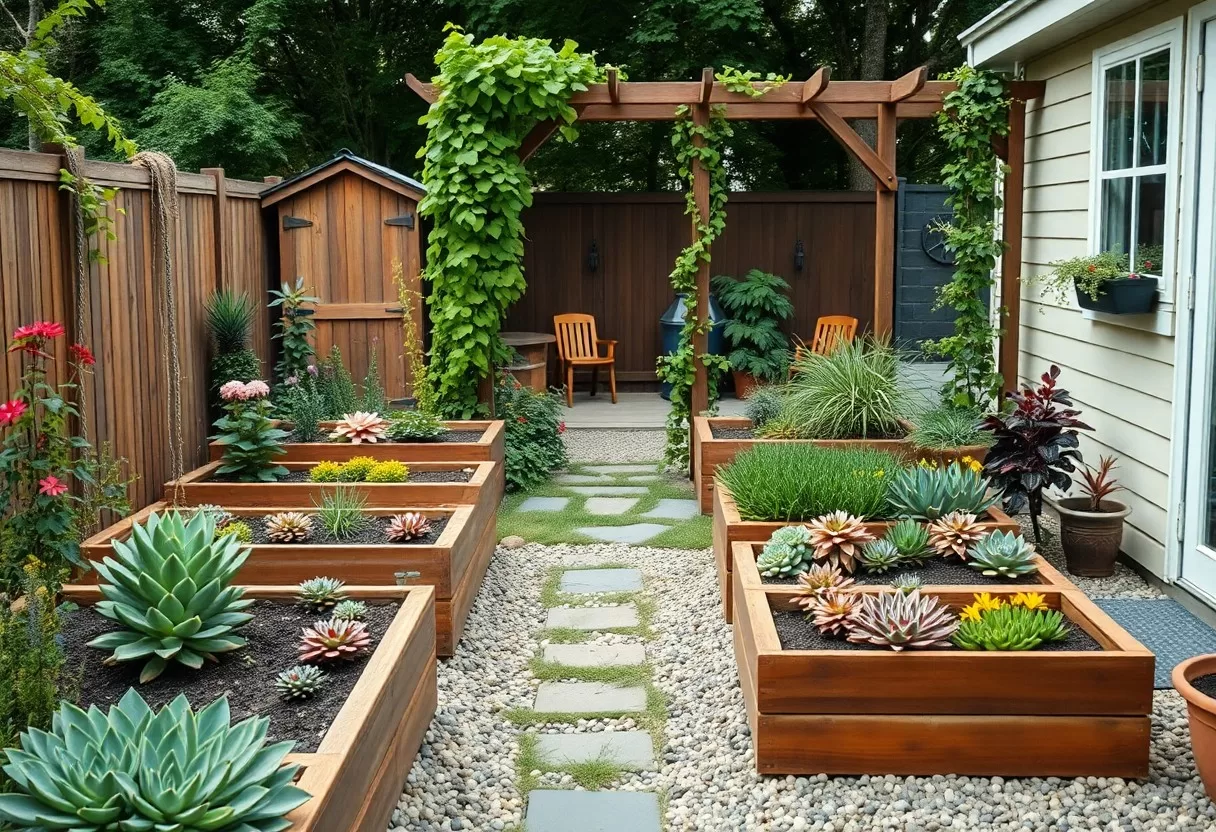
Choose a layout that makes every job quick. Keep beds no wider than about 4 feet so you can reach the middle from either side without stepping on the soil, which compacts it. Raised beds and containers warm up faster in spring, drain better and have fewer weeds. Leave paths at least 2 to 3 feet wide so a wheelbarrow fits, and put the plants you check most often, like herbs and salad greens, closest to the kitchen door.
The Power of Perennials for Long-term Enjoyment
Perennials come back year after year, so you are not replanting every spring. Most need only a yearly cleanup and to be divided every few years when clumps get crowded. They also handle swings in weather better than many annuals once their roots are established. Pick varieties that are hardy in your USDA zone, and favor natives or long-proven garden plants, since they usually do well without extra attention.
Lavender, echinacea, daylilies, sedum and hardy salvia are reliable choices that need only basic care. Group perennials so something is blooming in spring, summer and fall, and plant in clusters of three or five of the same plant for a fuller look with less fuss. Leave seed heads standing over winter to feed birds, and cut everything back in early spring before new growth starts. With a good mix, your beds stay colorful from spring to frost with little effort.
Finding Balance: Gardening and Time Management
Fitting a garden into a busy life is mostly about planning. Decide which jobs matter most, such as watering new plants and pulling weeds before they seed, and let the rest wait. A garden that works with your routine feels like a reward, not another chore. Keep a short seasonal checklist on your phone so you always know what needs doing this week, and you will spend your time on the tasks that make a difference.
Scheduling Quick Gardening Tasks
Short sessions work better than long ones. Set aside 10 to 15 minutes a few times a week for essential tasks like checking the drip system, deadheading and pulling small weeds while they are easy. Weeding right after rain or watering is much quicker because roots slide out of damp soil. Early mornings and evenings are cooler and pleasant, and a quick walk around the yard with your coffee is often all the inspection you need.
Involving the Family in Gardening Activities
Getting your family involved turns garden jobs into shared time outdoors. Give each person a clear role, such as watering the pots, picking vegetables or looking after one small bed. It lightens your workload and builds a sense of teamwork. Kids especially enjoy seeing something they planted grow, and they learn where food comes from along the way. Keep the tasks short and simple so everyone wants to come back next week.
Start with age-appropriate tasks. Young kids can plant large seeds like beans, sunflowers and peas, water with a small can and hunt for ripe strawberries. Older kids can plan and look after their own bed or container. A simple weekly schedule on the fridge spreads the work so no one is stuck doing it all. Celebrate the small wins, like the first tomato or a sunflower taller than your child, and the garden becomes something the whole family cares about.
Final Words
Gardening for busy people comes down to a few simple choices. Grow plants that suit your site, mulch your beds, automate watering and keep the layout easy to reach. Use containers and raised beds where they make sense, and lean on perennials and natives instead of replanting every year. Start with one or two changes this season, see how much time they save you, and build from there. You will end up with a yard you enjoy instead of one that keeps you busy.
Q: What are some low-maintenance plants that are ideal for busy homeowners?
A: Busy homeowners looking for low-maintenance plants should consider options such as succulents, which require minimal watering and thrive in bright light. Perennials like daylilies and hostas are also excellent choices, as they come back year after year with little effort. Ornamental grasses, like blue fescue, are drought-tolerant and can beautify any garden without demanding much attention. Additionally, herbs such as rosemary and thyme are not only easy to care for but also useful for cooking.
Q: How can I simplify garden maintenance tasks to fit a busy lifestyle?
A: To simplify garden maintenance, start by creating a realistic gardening schedule that allocates small time slots for tasks throughout the week rather than overwhelming yourself with large projects. Implementing mulch can significantly reduce weeding by suppressing weeds and retaining moisture. Choosing automated irrigation systems can save time and ensure your plants receive consistent watering without daily effort. Additionally, grouping plants with similar water and light requirements can streamline care routines.
Q: What are some easy landscaping ideas for homeowners with limited time?
A: For homeowners with limited time, incorporating hardscaping elements such as gravel paths, stone borders, or wooden decks can reduce the area needing upkeep. Creating a tiered garden with raised beds can also limit maintenance by defining areas and making access easier. Utilizing ground cover plants instead of traditional lawns can minimize mowing and weeding. Implementing container gardening allows for easy rearrangement and care, making small outdoor spaces versatile and manageable.
Plan a low-effort garden with the free AI garden and landscape designer.
Garden bed soil & mulch calculator
Work out how much soil, compost and mulch you need for raised or in-ground beds.
Frequently Asked Questions
How much time does a low-maintenance garden need?
A well planned low-maintenance garden can need as little as 30 to 60 minutes a week in the growing season, mostly for quick weeding, deadheading and checking irrigation.
What plants are best for busy gardeners?
Perennials, ornamental grasses, shrubs and native plants that suit your climate. They come back every year and need less watering and care than annuals.
Is automatic irrigation worth it?
Yes, for most busy homeowners. A simple drip system on a timer saves time and water and keeps plants healthier than irregular hand watering.
Related Guides
