
Low-Maintenance Plants Every Beginner Should Have in Their Garden
The easiest way to succeed as a new gardener is to start with forgiving plants. These low-maintenance plants tolerate missed watering and imperfect soil while still looking great. Here are the best picks for beginners, plus simple watering, soil and sunlight tips.
Table of Contents
Key Takeaways: Low Maintenance Plants for Beginners
- Succulents are a great first plant because they need little water and handle a range of bright spots.
- Native plants suit your local climate, so they usually need less watering and fussing.
- Rosemary and thyme are easy herbs to grow, and mint is too, as long as you keep it in a pot.
- Drought-tolerant plants need less water and fit well in a low-maintenance yard.
- Group plants with similar water and light needs so one routine covers them all.
The Top Low-Maintenance Plants for Beginners
Starting with the right plants is the simplest way to make gardening easy. The picks below look good with very little work, and they forgive the mistakes every beginner makes, like a missed watering or a pot in the wrong spot. You get a garden you can enjoy instead of one you worry about, and you learn the basics as you go.
Succulents: Nature’s Stress-Free Beauties
Succulents are a beginner favorite thanks to their sculptural shapes and wide range of colors, from blue-gray to deep red. They store water in their thick leaves, so you only need to water when the soil has dried out completely. Most want a bright spot with some direct sun; in low light they stretch and lose their color. Give them a gritty cactus mix and a pot with a drainage hole, and they will mostly look after themselves.
Snake Plants: Resilient Green Companions
Snake plants are about as close to indestructible as houseplants get, which makes them ideal if you are just starting out. They tolerate low light and long gaps between waterings, and they keep going when you forget about them for a while. Their stiff, upright leaves add a clean, architectural shape to a room, and they fit into narrow corners where wider plants won’t.
Snake plants usually need water only every two to six weeks, depending on the season, the light and the size of the pot. Water less in winter, and always let the soil dry out fully first, since soggy soil is the main way people kill them. They grow faster in bright, indirect light but put up with dim corners too, so you have plenty of placement options around your home. They are also slow growers, so you rarely need to repot them.
Pothos: The Vine That Thrives Everywhere
Pothos is a great choice for beginners, with trailing vines and heart-shaped leaves. It grows in low light but does much better in bright, indirect light, where variegated types keep their stronger color. Water when the top inch or two of soil is dry, and the leaves will droop slightly to tell you when you’ve waited too long. It perks up quickly after a drink, which makes it a forgiving teacher.
Let pothos trail over a shelf or hang it in a basket, and it softens a room quickly. It grows fast, and it is easy to propagate: snip a stem just below a node, set it in a glass of water, and roots usually appear in a few weeks. Pot the rooted cuttings and you have new plants for free. Trim long vines now and then to keep the plant full rather than leggy. Keep it out of reach of pets, since pothos is toxic if chewed.
Watering Wisely: The Secrets to Plant Survival
Watering is where most beginners go wrong, and usually it’s too much rather than too little. Instead of watering on a fixed day of the week, check the soil and adjust for the weather, the pot and the plant. Most low-maintenance plants prefer to dry out between waterings. Watering this way saves water and encourages roots to grow deeper, which makes plants tougher in dry spells.
The Art of Infrequent Watering
Deep, infrequent watering builds a strong root system and better drought tolerance. Water thoroughly until it runs out of the drainage hole, then wait. For succulents and snake plants, let the soil dry out completely; for most other easy plants, water when the top two inches feel dry to the touch. In practice that often works out to every one to two weeks, but the soil, not the calendar, should decide.
Signs of Overwatering to Avoid
Too much water starves roots of oxygen and leads to a range of problems. Look for yellowing leaves, a mushy stem, or soil that remains soggy for days after watering. Leaves that wilt even though the soil is wet, a sour smell from the pot and black, soft roots are other signs you are giving the plant more moisture than it can use.
Act as soon as you notice these signs, because overwatering damage gets harder to reverse the longer it goes on. Yellow leaves often mean the roots are short of oxygen in waterlogged soil, while a mushy stem usually points to rot. Empty saucers after watering so pots never sit in standing water. If the soil stays wet, slide the plant out, trim any black, mushy roots and repot it in fresh, dry mix. Then water less often from now on.
Soil and Sunlight: Crafting the Perfect Environment
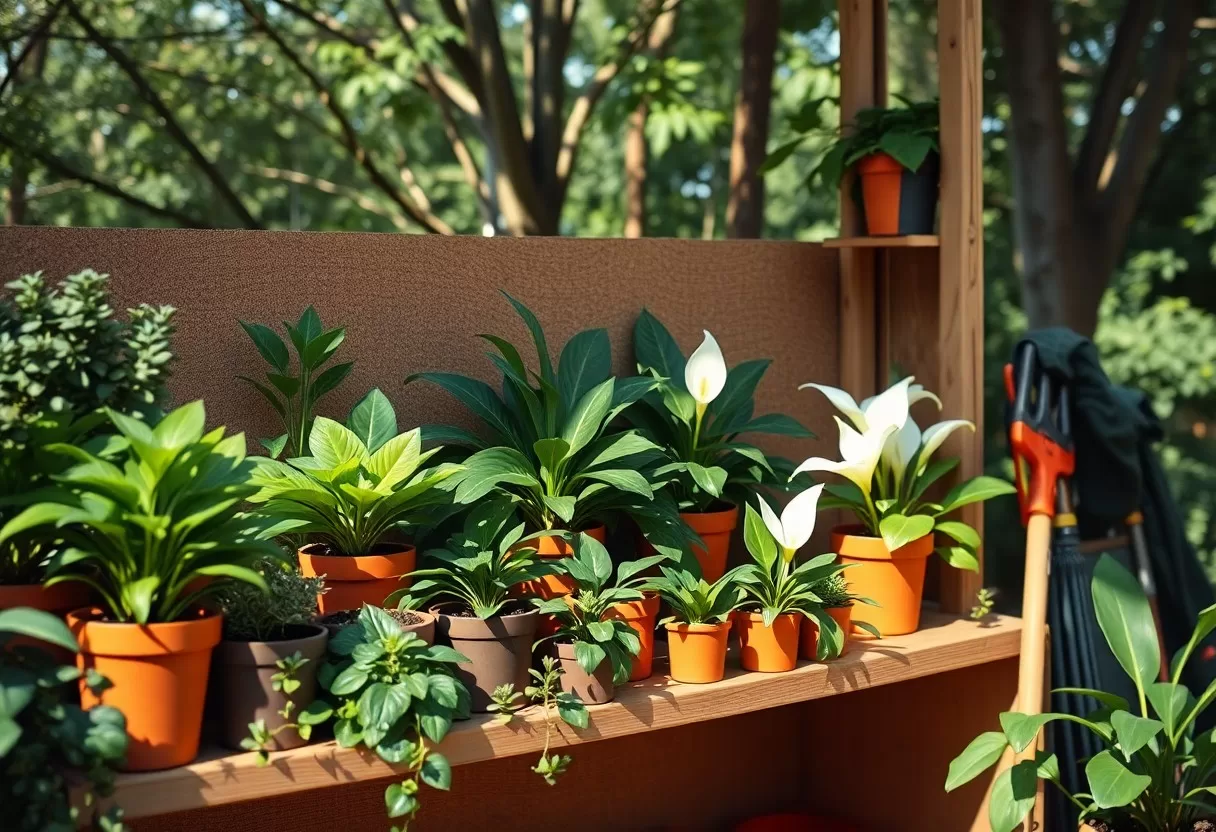
Healthy plants start with the right soil and the right light. Each species has its own preferences, so match the plant to the conditions you have rather than trying to change the conditions. Good soil and suitable light lead to steady growth, better flowering and fuller foliage. Take a few minutes to check your sun exposure and pick the right potting mix before you plant, and you avoid most problems later.
Selecting the Right Potting Mix
A good potting mix makes a big difference. Look for a blend with organic matter, good aeration and free drainage, so it holds some moisture without suffocating the roots. A bagged all-purpose potting mix works for most plants. You can also make your own from peat moss or coir, perlite and compost. For succulents and cacti, add extra perlite or grit, or buy a cactus mix. Never use plain garden soil in pots, since it packs down and drains poorly.
Understanding Sun Exposure Needs
Knowing how much sun each plant needs lets you put it in the right place. Full sun plants need at least six hours of direct sunlight a day, while partial sun/sheer shade plants do best with about three to six hours of direct sun, ideally in the morning. Shade-tolerant plants manage with less direct sun or with bright, filtered light, which makes them useful for spots near trees or walls. Check your space at a few times of day so each plant ends up where it will grow well.
To map your light, check the garden in the morning, at midday and in the afternoon, and note where shadows fall. Morning sun is gentler, while afternoon sun is hotter and can scorch shade lovers. In the Northern Hemisphere, south-facing spots away from trees get the most sun, so save those for full-sun plants. Hostas and ferns tolerate shade and do well in dappled light under trees. A quick light map now saves you from moving plants around later.
Common Pitfalls: What to Avoid in Your Garden Journey
Every new gardener makes a few mistakes, and most of them are easy to avoid once you know what to look for. Knowing the common pitfalls helps your plants grow well instead of struggling along. It also saves you time, money and the frustration of replacing plants that died for avoidable reasons.
Ignoring Drainage: The Silent Killer
Poor drainage suffocates roots and leads to root rot, one of the most common ways beginners lose plants. Standing water cuts off the oxygen roots need and encourages fungus gnats and disease. Use pots with drainage holes, and if you love a decorative pot without one, put a plastic nursery pot inside it and empty any water that collects. In the ground, avoid low spots where puddles linger after rain, or plant in a raised bed.
Choosing the Wrong Size Pots
Pots that are too small or too large both cause problems. A pot that is too small cramps the roots and dries out quickly, while an oversized pot holds extra wet soil that the roots can’t reach, which invites rot. When you repot, go up just one size. A common rule of thumb is a pot about 1 to 2 inches wider than the root ball for small plants, and 2 to 4 inches wider for larger ones.
Maintenance in Minimalism: Essential Tasks for Success
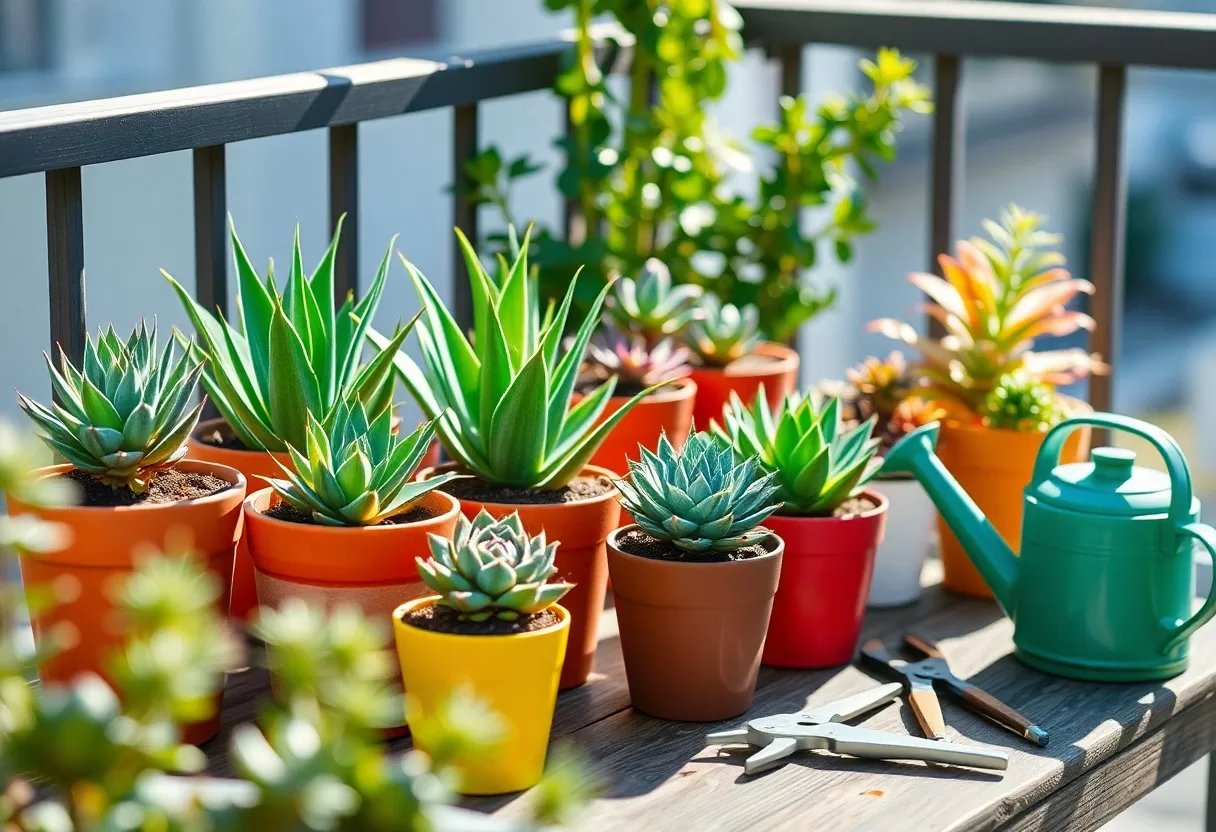
Easy plants still need a few simple habits. Set aside a few minutes each week to look for pests and disease, check whether the soil needs water and pull any weeds. Remove yellow or dead leaves as you go. A short, regular check-in keeps the garden healthy and looking good, and it stops small problems from turning into big ones, without taking over your weekend.
Pruning Basics: Keeping Your Plants Healthy
Pruning is quick and keeps plants healthy and tidy. Removing dead or diseased stems improves the look of the plant and lets more air and light reach the center, which helps prevent disease. Many shrubs and perennials can be pruned in late winter while dormant, though spring-flowering shrubs should be pruned right after they bloom. A pair of clean, sharp pruning shears is all you need for most jobs.
Fertilizing Without Fuss: A Simple Guide
Fertilizing sounds complicated, but it doesn’t have to be. A slow-release fertilizer feeds plants steadily for a couple of months, so you don’t need to remember frequent applications. A balanced formula with roughly equal nitrogen, phosphorus and potassium suits most plants. Apply it in spring and summer when plants are actively growing, and skip it in winter. Follow the label rate; more fertilizer is not better and can burn roots.
Organic fertilizers make feeding even easier. Compost and worm castings add nutrients gently and support the soil life that keeps plants healthy, and they are very hard to overdo. Spread a thin layer on the soil surface every couple of months during the growing season, and that is usually enough for most low-maintenance plants. With these simple habits, your garden stays healthy and your workload stays light.
Houseplant finder
Tell us about your light and routine to get plants that will actually survive indoors.
To wrap up
Starting with low maintenance plants for beginners is the smartest way to build confidence as a gardener. Hardy choices like succulents, lavender and ornamental grasses give you a good-looking garden without constant upkeep. You get to enjoy the process and learn the basics without feeling overwhelmed. Pick a few, give them the right light and drainage, and you may find gardening becomes a hobby that fits easily into your week.
FAQ
Q: What are low-maintenance plants suitable for beginners?
A: Low-maintenance plants that are great for beginners include succulents, snake plants, pothos, ZZ plants, and lavender. These plants are known for their ability to thrive with minimal care, making them perfect choices for new gardeners.
Q: How often should I water low-maintenance plants?
A: There is no fixed schedule. Water when the top inch of soil is dry, which may be every few days for outdoor plants in summer heat and much less often for succulents or indoor plants in winter. The right timing varies by plant, season, pot size and light, so always check the soil first to avoid overwatering.
Q: Can low-maintenance plants thrive indoors?
A: Yes, many low-maintenance plants grow well indoors. Snake plants, pothos and ZZ plants tolerate lower light and occasional missed waterings, though they grow faster and stay fuller in bright, indirect light. Sun lovers like succulents and lavender need a very sunny window to do well inside.
Q: What are some common mistakes beginners make with low-maintenance plants?
A: Some common mistakes include overwatering, placing plants in inappropriate light conditions, and neglecting to repot them when they outgrow their containers. Understanding the specific needs of each plant can help avoid these issues.
Q: How can I enhance the growth of my low-maintenance plants?
A: To help them grow, give your plants the right amount of light, use a well-draining soil suited to each type and feed lightly during the growing season instead of overfertilizing. Dusting the leaves now and then helps them absorb light, and repotting when roots fill the container gives them room to keep growing.
Plan an easy-care garden with the free AI garden and landscape designer.
Related Guides
