
Container Gardening For Small Spaces – Grow Big In A Small Garden
A small balcony, patio or sunny windowsill is enough to grow herbs, flowers and even a few vegetables. Containers let you garden in limited space because you control the soil, the water and where each plant sits. Pick the right pots, match them with ideal plants for your light, and you can get a real harvest from a few square feet. The University of Minnesota Extension guide to container gardening for small spaces is a good companion to the tips below.
Table of Contents
Key Takeaways: Container Gardening Small Spaces
- Pots, planters and vertical structures let you grow a wide range of plants in very little floor space.
- Pick containers with drainage holes, a size that fits the plant’s roots and a material that suits your climate.
- Use a potting mix made for containers, never plain garden soil.
- Group plants that share the same light and water needs, and add flowers to draw in pollinators.
- Water, feed and trim regularly, since container plants depend on you for almost everything.
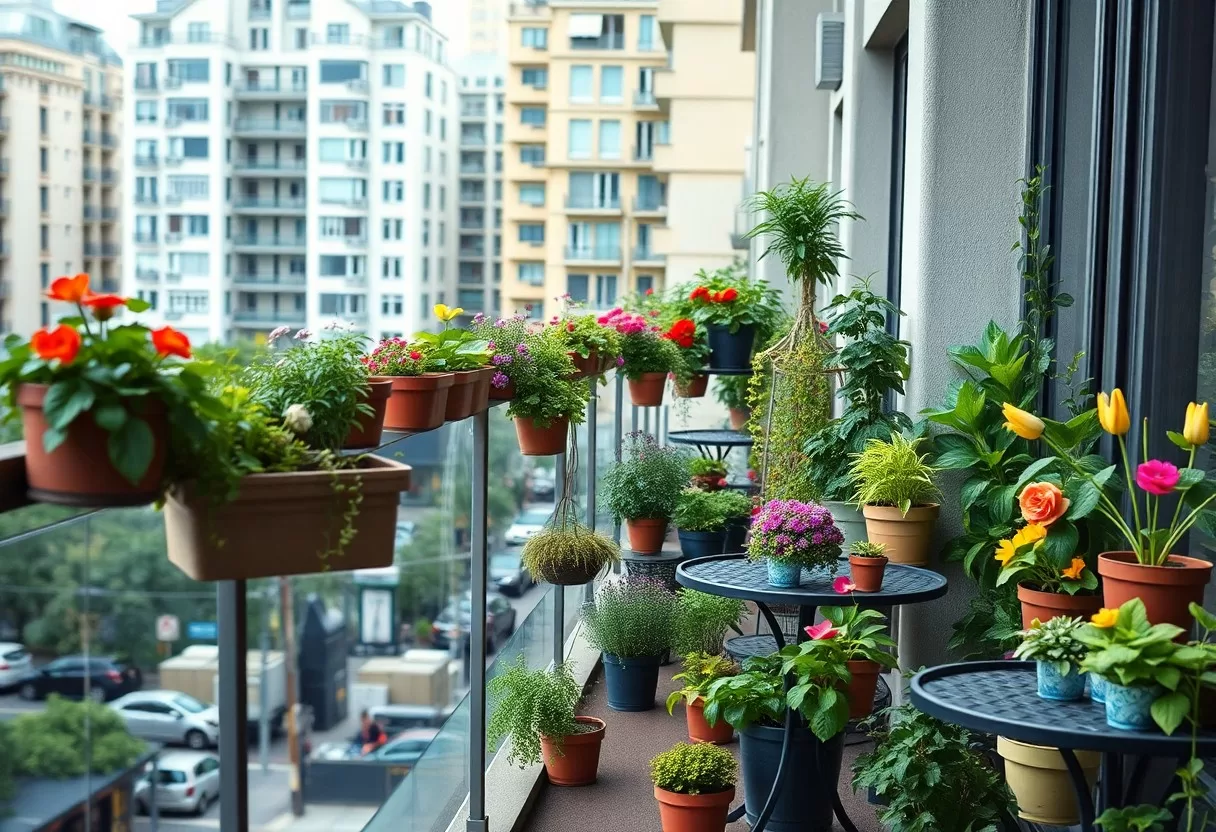
The Magic of Container Gardening: Transforming Small Spaces Into Green Oasis
Containers can turn a bare balcony or doorstep into a small, productive garden. Classic pots work, and so do repurposed crates, buckets or old tubs, as long as you drill drainage holes. You can move them to follow the sun, swap them out each season and fit them around how you actually use the space. Even a narrow ledge or a corner by the door can hold a pot of herbs.
Understanding the Benefits of Container Gardening
Containers have real advantages when space is tight. You can move and rearrange them, place them where the light is best and reach them without kneeling. Fresh potting mix drains better than heavy clay soil and starts out free of the weeds and soil-borne diseases found in many old beds. You can also try new plant combinations each year and grow herbs and vegetables right outside your kitchen. The trade-off is that pots dry out faster and need more frequent watering and feeding.
Before you buy anything, watch how the sun moves across your space for a full day. Fruiting crops like tomatoes, peppers and cucumbers need at least 6 hours of direct sun, and 8 is better. Leafy greens, herbs like parsley and mint, and many flowers can manage with around 3 to 4 hours. A spot with only bright shade still works for ferns, begonias and impatiens. Matching plants to the light you have prevents most disappointments.
Assessing Available Space: Creative Solutions for Tiny Gardens
Start by looking at all the space you have, not just the floor. Vertical gardening, hanging planters and tiered shelving use height that usually goes to waste. Balconies, porches, steps and window sills can all hold containers. Measure each spot and note how much sun it gets, then decide what goes where. A corner you never use can become one of your most productive areas.
Think about unusual places for pots too. Wall-mounted shelves work well for herbs or trailing flowers. Railing planters turn the edge of a balcony into a planted border without taking up floor space. Stackable containers let you build layered arrangements on a single footprint. On balconies, keep in mind that wet soil is heavy, so place large pots near the wall, and check your building’s rules before you hang anything over the edge.
Selecting the Right Containers: Size and Material Matter
Your choice of containers has a big effect on your results. The size and material should match what your plants need. Bigger pots hold more soil and water, so roots have room to grow and the soil dries out more slowly. Clay and terracotta look great but dry out faster and can crack in a freeze. Plastic and glazed pots hold moisture longer, and fabric grow bags let roots breathe. Use taller pots for deep-rooted crops and smaller ones for shallow-rooted herbs.
The Best Container Types for Various Plants
Different plants prefer different containers. Use this quick guide as a starting point:
- Herbs – Small pots or window boxes keep them close to the kitchen and drain well.
- Vegetables – Deep containers (12-18 inches) for root crops like carrots and potatoes.
- Annual flowers – Hanging baskets and window boxes show off trailing and upright blooms.
- Perennials – Medium to large pots give roots room to grow from year to year.
- Shrub varieties – Large, heavy planters keep them stable in the wind.
Knowing what each plant needs helps it grow well and flower or fruit on time.
A good rule of thumb for vegetables: a tomato or pepper plant needs a container of at least 5 gallons, and bigger is easier to keep watered. Lettuce, spinach and radishes are happy in pots about 6 to 8 inches deep. Most herbs do fine in pots 6 to 12 inches wide. When in doubt, go one size up, because small pots dry out fast in summer.
| Container Type | Best For |
| Small Pots | Herbs |
| Deep Containers | Root Vegetables |
| Hanging Baskets | Annual Flowers |
| Medium to Large Pots | Perennials |
| Large Planters | Shrubs |
Drainage and Soil Considerations for Healthy Growth
Good drainage and soil are the foundation of a healthy container garden. Pots need drainage holes so extra water can escape; otherwise water collects at the bottom and roots rot. Use a potting mix, which usually blends peat moss or coconut coir with compost and perlite or vermiculite. This kind of mix stays light, holds moisture and lets air reach the roots. Garden soil is too dense for pots and compacts quickly.
Compost in the mix adds some nutrients, and perlite keeps it airy. Check your pots after watering to make sure water drains freely and the holes aren’t blocked. Skip the old advice to put gravel in the bottom of the pot; it doesn’t speed up drainage and actually moves the soggy zone closer to the roots. A piece of mesh or a coffee filter over the hole keeps the soil in. Don’t let pots sit in saucers full of water for long, either.
Plant Pairing Strategies: Achieving Balance in Limited Spaces
Pairing plants well helps a small garden look good and produce more. Combine plants with different growth habits, such as an upright plant, a bushy one and one that trails over the edge. Tall plants can also give afternoon shade to lettuce or cilantro, which tend to bolt in hot sun. The most important rule is to group plants that like the same light and water, so one pot doesn’t stay too wet for one plant and too dry for another.
Companion Planting for Groves of Color and Flavor
Companion planting brings color and flavor together in the same pot. Tomatoes and basil are a classic pair because they like the same sun and water, and you’ll use them together in the kitchen. Flowers such as marigolds, nasturtiums and sweet alyssum mixed in with vegetables attract pollinators and helpful insects like hoverflies. Some gardeners also find that strong-scented plants confuse pests, though results vary. Either way, you get more color and food from the same space.
Layered Planting Techniques for Vertical Space Optimization
Layering plants by height lets you make the most of every container. Put shorter plants such as lettuce or herbs in front of taller ones like tomatoes or peppers. That way each plant gets its share of light, and the arrangement looks full and tidy. In the Northern Hemisphere, place the tallest plants on the north side of a group so they don’t shade the rest.
Vertical planters and tiered shelving add depth to a small garden. Put trailing plants such as strawberries or ornamental sweet potato vine at the top and let them spill down. Mix plants of different heights, leaf textures and colors for interest, but keep the tall ones from blocking light to the smaller ones. Vertical setups dry out faster at the top, so water the upper level more often or give it drought-tolerant plants. Done well, this approach gives you a bigger harvest from the same floor area.
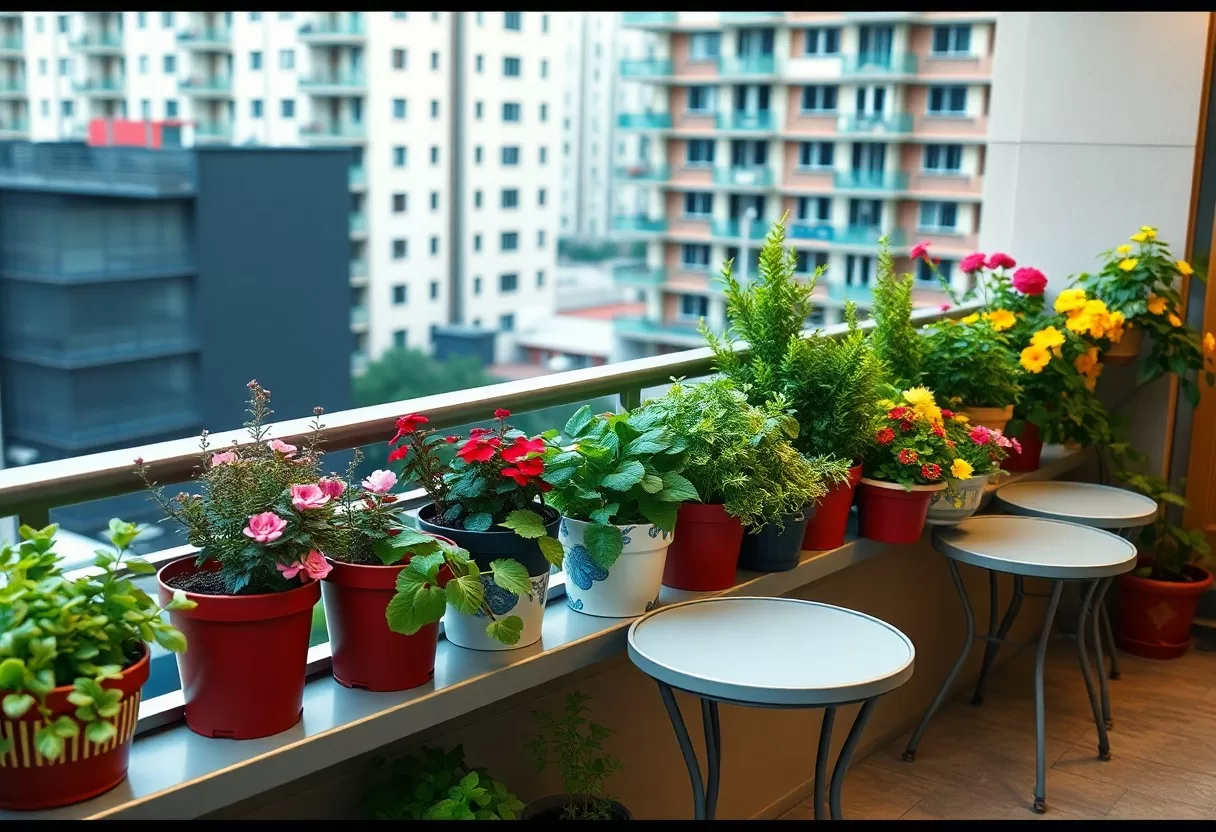
Seasonal Planning: Timing is Everything for Success
Timing matters as much as space in a container garden. Learn how the seasons affect your plants and look up your average last and first frost dates. A local planting calendar tells you when to start seeds indoors, when to move seedlings outside and when to sow straight into pots. For more on growing food in a small space, see Container Gardening 101: Growing Food In A Small Space.
Choosing the Right Plants for Every Season
Choose plants that suit each season. In spring, grow cool-season crops like lettuce, peas and radishes. Summer is the time for heat lovers such as tomatoes, peppers and basil. In fall, switch to kale, chard and turnips, which handle light frost. In winter, keep parsley, chives or other hardy herbs in a sheltered spot, or bring a few pots indoors to a sunny window. Rotating crops this way keeps your containers productive most of the year.
Techniques for Extending Your Growing Season in Containers
You can stretch your season with simple tools. Cloches, row covers and cold frames protect plants from frost, so you can plant earlier in spring and keep harvesting later into fall. Bricks, stone or water jugs placed near pots soak up heat during the day and release it at night. Moving containers into full sun in the cooler months helps too, and pots on casters make that easy.
Containers also let you create small microclimates. A pot set against a south- or west-facing wall gets shelter from wind plus heat reflected from the wall, which helps when nights turn cool. Dark pots absorb more sunlight and keep the soil warmer in spring. In the heat of summer, the same dark pots can cook roots, so shade them or switch to lighter colors. With a little planning, you gain a few extra weeks of growth at each end of the season.
Maintenance Essentials: Keeping Your Small Garden Thriving
Regular care keeps a container garden going strong all season. That means steady watering, sensible feeding and an eye out for pests. Container plants rely on you for almost everything, but the routine is quick once you set it up. Five minutes a day checking soil moisture and leaves catches most problems early, and your small garden can then give you a steady supply of herbs, flowers and vegetables.
Watering and Fertilization Best Practices
Watering container plants takes a light touch. Keep the soil evenly moist but never soggy. Push a finger about an inch into the mix; if it feels dry, water slowly until it runs out the bottom. In hot weather, small pots may need water every day. Frequent watering washes nutrients out, so feed regularly. Mix a slow-release fertilizer into the soil at planting, then add a liquid fertilizer every one to two weeks for heavy feeders like tomatoes during peak growth. Always follow the label rates.
If you travel or work long hours, self-watering containers help a lot. They have a reservoir in the base that wicks water up into the soil as the plant needs it. A drip kit on a timer is another option if your balcony has a tap nearby. Grouping pots together also slows drying, because the plants shade each other and keep the air around them more humid.
Pest Control Tactics for Container Gardens
Pest control starts with regular checks. Look under leaves and along stems for aphids, spider mites and whiteflies. For a light problem, pick pests off by hand or knock them off with a strong spray of water. Ladybugs and lacewings feed on aphids, though on a balcony they may not stay long. For heavier infestations, use insecticidal soap or neem oil, spray in the evening to protect bees and follow the label.
Keeping pests away doesn’t have to be complicated. Mix flowers and herbs among your vegetables to attract the beneficial insects that eat pests. Remove dead leaves and fallen fruit, and keep the area around your pots clean, since debris gives pests places to hide. Healthy plants that get enough light, water and food resist pests better, so good basic care is your best defense.
Garden bed soil & mulch calculator
Work out how much soil, compost and mulch you need for raised or in-ground beds.
To wrap up
Containers give you a flexible, practical way to grow a real garden in a small space. Choose the right pots, plants and techniques, and you can enjoy flowers, herbs and vegetables no matter how little room you have. Use your vertical space, pick plants that like life in pots and keep up with watering and feeding. With some care, even a tiny balcony can feel green and productive.
Arrange containers on your patio or balcony with the free AI garden and landscape designer.
Frequently Asked Questions
What size containers do vegetables need?
Herbs and lettuce grow in 6 to 8 inch pots, peppers need about 2 to 3 gallons and tomatoes 5 gallons or more. Bigger containers dry out more slowly.
What soil is best for containers?
Use a quality potting mix, not garden soil. It drains well and stays light. Add compost and a slow-release fertilizer for heavy feeders.
Related Guides
