
Low Maintenance Landscaping – The Future of Effortless Gardening
Busy schedules make it hard to find time for the garden. Low maintenance landscaping solves that by giving you an attractive yard that needs very little upkeep. It saves you hours every month, and it keeps your garden sustainable and ecologically friendly. With a few smart design choices and the right plants, you can build a yard that looks good on its own, adds to your home’s appeal and leaves your weekends free.
Table of Contents
Key Takeaways:
- Low maintenance landscaping relies on native plants and simple, sustainable habits to cut upkeep and resource use.
- Hardscaping like paths, patios and stone walls looks good and means less watering and weeding.
- Smart irrigation controllers and soil sensors help you use less water and spend less time on chores.
The Environmental Imperative of Low Maintenance Landscapes
Low-care landscapes are more than a trend. They’re one of the easiest ways to make a yard better for the environment. As towns grow and green space shrinks, gardens that need less water, fuel and chemicals matter more. Cutting back on mowing, spraying and watering shrinks your footprint and still gives you a calm, natural-looking space. Less fuss for you usually means healthier soil, cleaner runoff and more room for wildlife.
Sustainability and Water Conservation
Low maintenance landscaping is one of the simplest ways to save water. Choose drought-tolerant plants, group them by water needs and switch from sprinklers to drip lines in beds, which put water right at the roots with less lost to evaporation and runoff. Xeriscaping takes this further by designing the whole yard around plants that handle dry spells. You’ll water less, pay less and still have a garden that looks good in midsummer.
Biodiversity Promotion through Native Planting
Native plants are a great way to support biodiversity in a low-care yard. They give bees, butterflies and birds the food and shelter they’ve adapted to, which helps keep local populations healthy. Because natives suit your soil and climate, they rarely need chemical fertilizers or pesticides, so your garden stays safer for wildlife, pets and kids. Ask your local extension office for a list of natives that do well in your area.
Native plants bring plenty of practical benefits. They’re adapted to your local climate and soil, so they usually need less water and attention than non-native species once established. They also support a wide range of wildlife, from pollinators to the birds that eat garden pests, so the whole system runs with fewer artificial inputs. Expect to water new natives regularly through their first season while roots develop. After that, many can get by on rainfall in a normal year, and you’ll be helping protect your local environment at the same time.
Choosing the Right Plant Palette
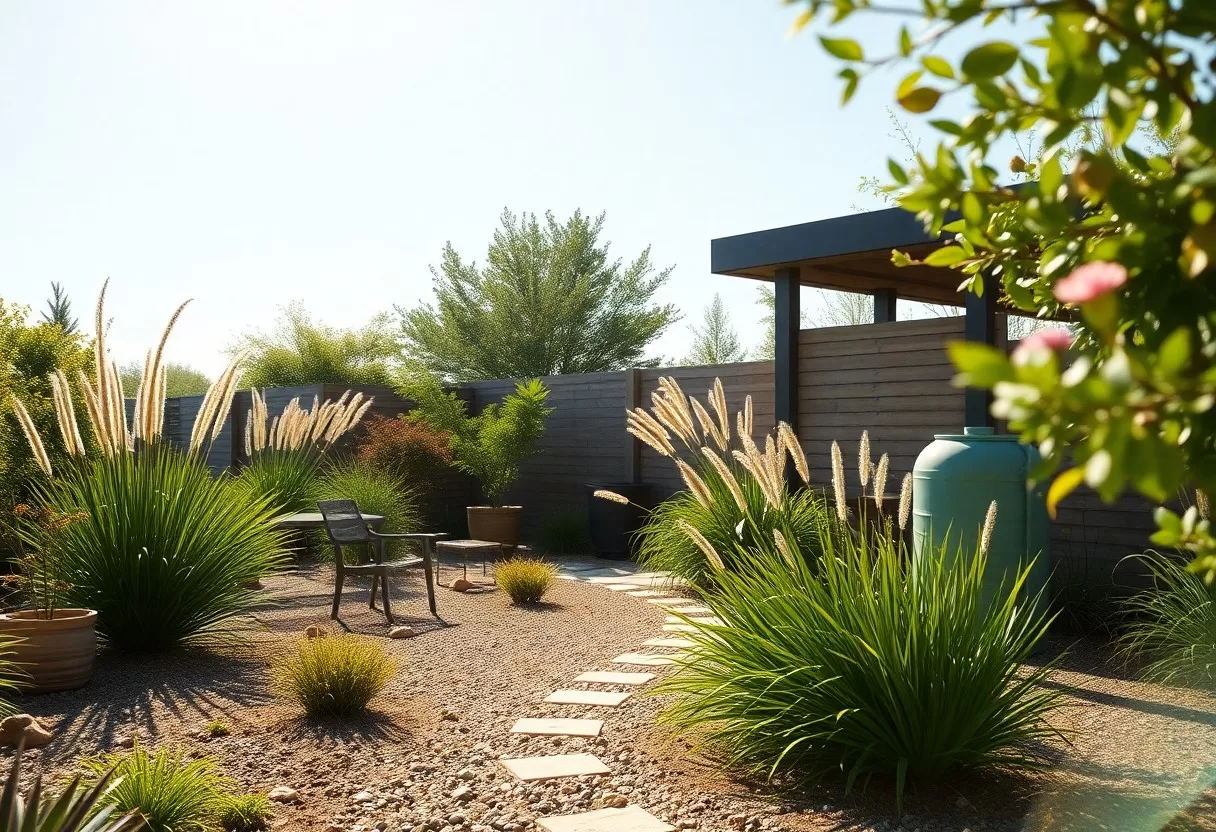
The key to low-care gardening is picking plants that like your climate, need little attention and work well together. Start with natives, which usually need less water and care than exotic varieties. Then mix leaf textures and colors for interest, such as fine grasses next to broad-leaved perennials. Check each plant’s mature size before you buy. Plants that fit their space don’t need constant pruning, and that alone saves hours every year.
Drought-Resistant and Perennial Plant Selections
Focusing on drought-resistant and perennial plants can cut your garden’s water use and chores a lot. Succulents, lavender and ornamental grasses look good and get by on little water once they’re established. Perennials come back every year, so you skip the cost and work of replanting each spring. Most need only a quick cut-back in late winter or early spring to stay tidy, and many can be divided every few years to fill new spots for free.
The Role of Ground Covers in Reducing Maintenance
Ground covers do a lot to cut maintenance. They shade bare soil, which keeps weeds down, holds moisture and helps stop erosion. Creeping thyme and sedum spread quickly in sunny spots and add color and texture without much care. Space new plants so they’ll knit together within a season or two, and mulch between them until they do. Once they’ve filled in, you’ll need far less mulch and very little weeding.
Ground covers can turn problem areas into easy zones. Instead of fighting weeds in a shady corner, plant a shade-tolerant ground cover like vinca minor and let it fill in. Before you do, check that vinca isn’t listed as invasive in your state, since it can escape into woodlands in some regions; native options like wild ginger work well too. Ground covers also protect soil from erosion and add layers of texture to your garden while cutting the time you spend on upkeep.
Innovative Techniques for Effortless Design
Easy-care design comes down to a few smart techniques that cut labor without giving up good looks. Choose features and materials that need little upkeep, keep the layout simple and give every area a clear purpose. Fewer, larger planting beds are easier to mulch and weed than lots of small ones. With the right choices, your garden becomes a calm retreat that suits your style and doesn’t demand constant attention.
Embracing Hardscaping Elements
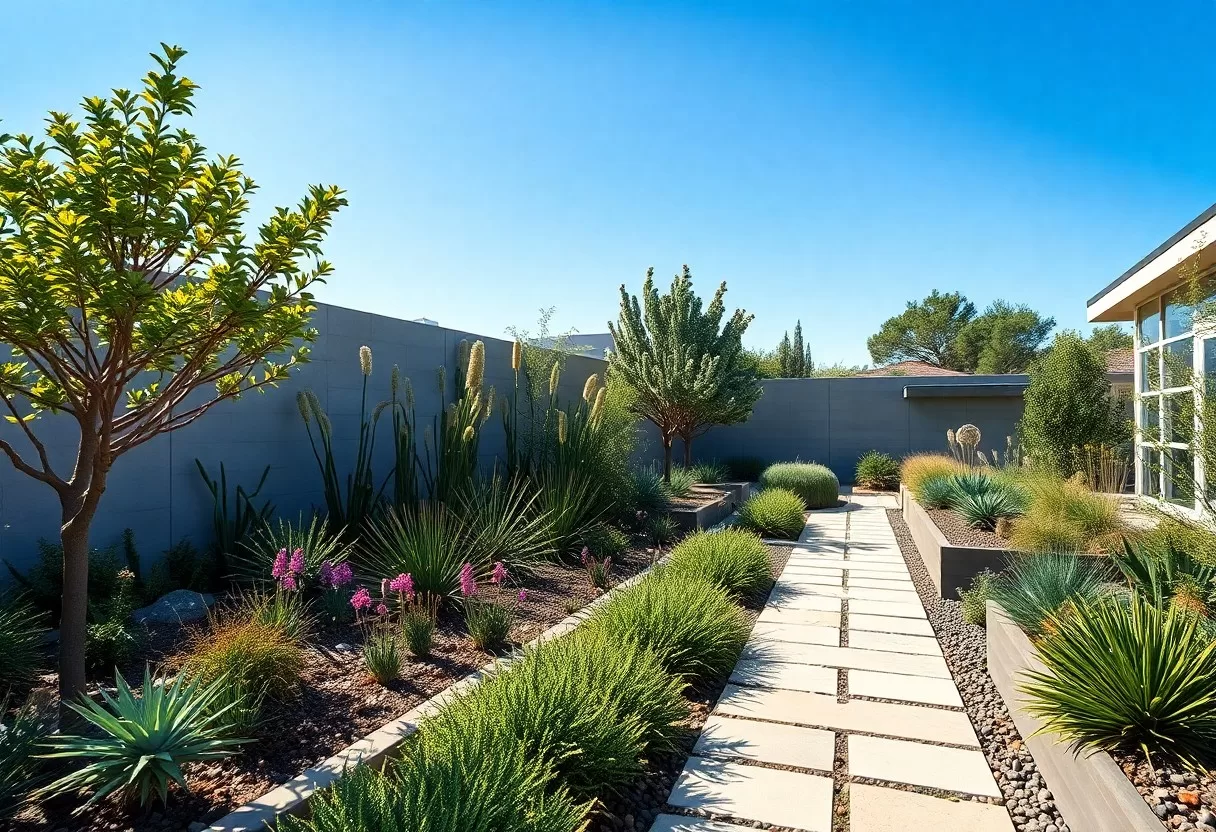
Adding hardscaping elements such as patios, pathways and retaining walls cuts maintenance a lot. They give your yard structure and function, and they replace areas that would otherwise need mowing, watering and weeding. Permeable pavers and decorative gravel are good choices because they let rain soak into the ground instead of running off. Lay landscape fabric and a compacted base under gravel so weeds don’t push through, and use steel or stone edging to keep gravel and mulch in place.
Utilizing Smart Technology in Garden Management
Adding smart technology to your routine can change how you look after your yard. Smart irrigation controllers adjust watering schedules based on local weather and skip a cycle when it rains, so your plants get the right amount of moisture without you checking every day.
Soil moisture sensors, plant monitors and automated watering systems all save time and effort. Many Wi-Fi sprinkler controllers let you set and change schedules from your phone and adjust them based on real-time weather data. Garden apps can also give care tips for the plants you grow, which takes some of the guesswork out of feeding and pruning. Used well, this tech saves water and keeps your garden healthy with very little labor on your part.
The Economic Benefits of Simplified Gardening
Low maintenance landscaping also brings real economic advantages. When your yard needs less upkeep, you spend less on materials, labor and utilities, and those savings add up year after year. Many homebuyers like the idea of a yard that looks good without weekend chores, so an easy-care garden can be a selling point when it’s time to move.
Cost-Effectiveness Over Time
Investing in low maintenance landscaping pays off with long-term cost savings. You need less water, less fertilizer and less paid help, so the garden becomes a budget-friendly asset. Plants that suit your climate are also less likely to die, which keeps replacement costs down. Expect higher costs up front for hardscaping and new plants. Over the following years, lower water bills and fewer purchases help balance that out.
Value Addition to Property Through Low Maintenance
Homes with easy-care gardens tend to make a good first impression on buyers. Drought-resistant plants and well-built hardscaping cut upkeep and improve your home’s curb appeal. A tidy, low-care yard tells buyers the property has been looked after and won’t eat up their weekends, which can help your home stand out when you sell.
As more buyers care about sustainability, low maintenance landscaping has become a popular choice that can bring added value to your property. A well-designed yard that looks good with little care is easier to show and easier to live with. Xeriscaping, which relies on drought-tolerant plants, keeps your yard attractive while cutting water use, and that appeals to buyers in dry regions in particular. Keep a list of what you planted and installed, since buyers often like to know how to care for it.
Transforming Your Ordinary Yard into a Low Maintenance Oasis
Creating an easy-care yard takes some planning and careful choices. Start by walking your property and noting the spots that are weedy, soggy, bare or always need attention. Native plants that suit your climate will cut down on extra watering and fertilizer. Hardscape elements like stone paths, gravel beds and raised planters give you a durable outdoor space that needs little upkeep. Fix the problem spots first, and you’ll soon have a calm, pleasant yard without the constant chores.
Steps for a Seamless Transition
Start your makeover by deciding what you want. Do you prefer lots of greenery, or a clean, minimal look? Then shrink the lawn, replacing grass with drought-tolerant ground covers or decorative stone. Create clear zones, such as a seating area framed by easy-care perennials and shrubs. Pick versatile plants that work as both background and focal points. Once the design feels right, make the changes over a few seasons so you can adjust as you go and spread out the cost.
Common Pitfalls to Avoid in Conversion
When switching to low maintenance landscaping, many people overlook a few things that cause trouble later. A common mistake is guessing how much sun each part of the yard gets, which leads to poor plant choices. Watch your yard over a full day before you buy, and note which spots get six or more hours of direct sun. Spacing plants too closely is another problem, since they compete for water and light and need more pruning. Finally, cheap materials often cost more in repairs. Plan ahead and you’ll avoid these costly missteps.
Going all in on one plant or showy feature can lock you into the very upkeep you wanted to avoid. Many homeowners also forget about drainage, and standing water ends up damaging plants and paving. Tight budgets tempt people to buy cheaper, less durable materials, which leads to repairs down the road. Always check how big a plant will get and how fast it spreads, so it works well with its neighbors. Knowing these common pitfalls helps you build a garden that really is easy to care for.
Summing up
Low maintenance landscaping makes gardening easier and fits right into a busy life. With native plants, xeriscaping and smart design, you can build an attractive outdoor space that needs very little upkeep. You’ll save time and effort and make your garden more sustainable. Start with the area that bothers you most, whether that’s a thirsty lawn or a weedy bed, and work outward from there. Before long you’ll spend more time enjoying your yard than working in it.
Q: What are some key features of low maintenance landscaping?
A: Low maintenance landscaping focuses on designing outdoor spaces that require minimal care and upkeep. Key features include the use of native plants, which are adapted to the local climate and soil, reducing the need for supplemental watering and fertilizers. Additionally, xeriscaping techniques, such as grouping plants with similar water needs and utilizing mulch, help conserve moisture and minimize weeds. Incorporating hardscaping elements like pathways and patios can also reduce the area that requires mowing or trimming, making the landscape easier to manage.
Q: How can I choose the right plants for a low maintenance garden?
A: Choosing the right plants is essential for an easy-care garden. Start by researching native species that grow well in your region, as they typically need less water once established and cope better with local pests and diseases. Favor perennials and shrubs over annuals, since they come back year after year without replanting. Drought-tolerant plants and ground covers can replace lawn areas that need regular mowing. Group plants with similar sun and water needs to simplify care, and include a few with seasonal interest so the garden looks good all year.
Q: What landscaping techniques can enhance the low maintenance aspect of my garden?
A: Several techniques make a garden easier to look after. Layered planting, with trees, shrubs and ground covers, covers the soil, shades out weeds and keeps moisture in. Dense ground covers and ornamental grasses reduce the need for regular weeding, and a 2 to 3 inch layer of mulch does the same in open beds. A rain garden can handle runoff from roofs and paving in a low spot, using plants that tolerate both wet and dry spells. Finally, drip irrigation on a timer delivers water straight to the roots, so plants get what they need without daily hand watering.
Plan an easy-care yard with the free AI garden and landscape designer.
Lawn-to-garden water savings calculator
See how much irrigation water you save by replacing lawn with drought-tolerant planting.
Frequently Asked Questions
What is the lowest maintenance landscaping?
Native and drought-tolerant plants, mulched beds, gravel or paving areas and a smaller lawn require the least work. Group plants with similar water needs and use drip irrigation to cut watering time.
Is replacing lawn with plants cheaper long term?
Usually yes. Lawns need regular mowing, watering and fertilizing. Planted beds and groundcovers cost more to install but save time, water and money every year after.
How can I keep weeds down without chemicals?
Use thick mulch, plant densely so soil is covered, and pull young weeds early. Landscape fabric helps under gravel but is less useful in planted beds.
Related Guides
