
Artificial Turf – The Low-Maintenance Lawn Solution You’ve Been Looking For
Artificial turf promises a green lawn with no mowing or watering. It can save time and water, but it also gets hot in sun, has an upfront cost and environmental trade-offs. Here is an honest look at costs, performance and myths to help you decide.
Table of Contents
Key Takeaways:
- Artificial turf cuts out mowing, watering and fertilizing, though it still needs occasional cleaning and brushing.
- It stays green all year, which suits play areas, shady spots and dry climates where grass struggles.
- It saves water and chemicals, but it is plastic, gets hot in the sun and offers no habitat, so weigh both sides.
The Environmental Impact of Artificial Turf
Artificial turf has some clear environmental pluses, along with real trade-offs. On the plus side, it needs no irrigation, fertilizer or pesticides, so less chemical runoff reaches storm drains and streams. It also removes the need for gas mowers and trimmers. On the minus side, it is made from plastic, it doesn’t support insects, birds or soil life the way living plants do, and it eventually ends up as waste. Knowing both sides helps you decide where it makes sense in your yard.
Reducing Water Consumption in Drought-Prone Areas
In dry regions, the water savings are the biggest draw. Lawn irrigation is one of the largest uses of water around many homes, and in hot, arid climates it is often the biggest. Fake grass needs no regular watering, which can lower your bills and help you stay within local watering restrictions during droughts. You will still use a little water to rinse it, especially if you have pets, and to cool the surface on very hot days.
Mitigating Pesticide and Fertilizer Use
Without living grass to feed, you no longer need fertilizer, weed-and-feed products or most pesticides. That keeps chemicals out of runoff that can reach storm drains, streams and groundwater. It also means fewer products stored in your garage. Weeds can still sprout along the edges or in debris that settles on top, so plan for a good weed barrier under the base and occasional hand-pulling or spot treatment.
Skipping lawn chemicals is a real benefit for families and pets who use the yard every day. Excess fertilizer on lawns can wash into nearby waterways, where it feeds algae growth and harms water quality. A synthetic lawn removes that source, and you save money on lawn care products and services. Keep in mind that the surrounding beds, trees and shrubs still need care, and choosing native plants for those areas cuts water and fertilizer needs even further.
The Cost-Benefit Analysis of Going Artificial
Deciding whether to go artificial means weighing a high upfront cost against lower running costs. Installation costs much more than seeding or laying sod, because it includes excavation, a compacted gravel base, edging, the turf itself and infill. Over the years, you save on water, mowing, fertilizer and pest control. How quickly that adds up depends on your lawn size, local water rates and what you spend now, so get quotes and compare them with your actual lawn bills before you commit.
Upfront Investments vs. Long-term Savings
Prices vary widely with turf quality, site preparation and region, so get at least three written quotes that list the base depth, infill type and warranty. Higher-quality products with denser fibers and better backing cost more but tend to hold up longer. When you weigh the longevity of synthetic grass against its cost, include the water bills, mowing, fertilizing and pest control you would no longer pay for. A simple spreadsheet covering ten years gives you a fair comparison.
Evaluating Maintenance Costs: Artificial vs. Traditional
Running costs differ a lot between the two. A natural lawn needs regular spending on water, fertilizer, weed control, mower fuel and repairs, or a lawn service. Synthetic grass mainly needs a rinse now and then, brushing to lift the fibers, topping up infill in busy spots and the odd seam repair. Pet owners may also want an enzyme cleaner to control odors. Overall, the yearly upkeep is usually much lower, though it is not zero.
Natural grass needs ongoing water and chemicals, while fake grass needs very little of either. Your actual water savings depend on lawn size, climate and how much you irrigate now, and your past summer water bills are the best guide. Lower bills are only part of the gain. Upkeep takes much less time, so weekends that went to mowing and edging are free for other things. Many owners spend just a few minutes a month on a quick rinse and a brush.
Performance and Aesthetic Benefits of Artificial Turf
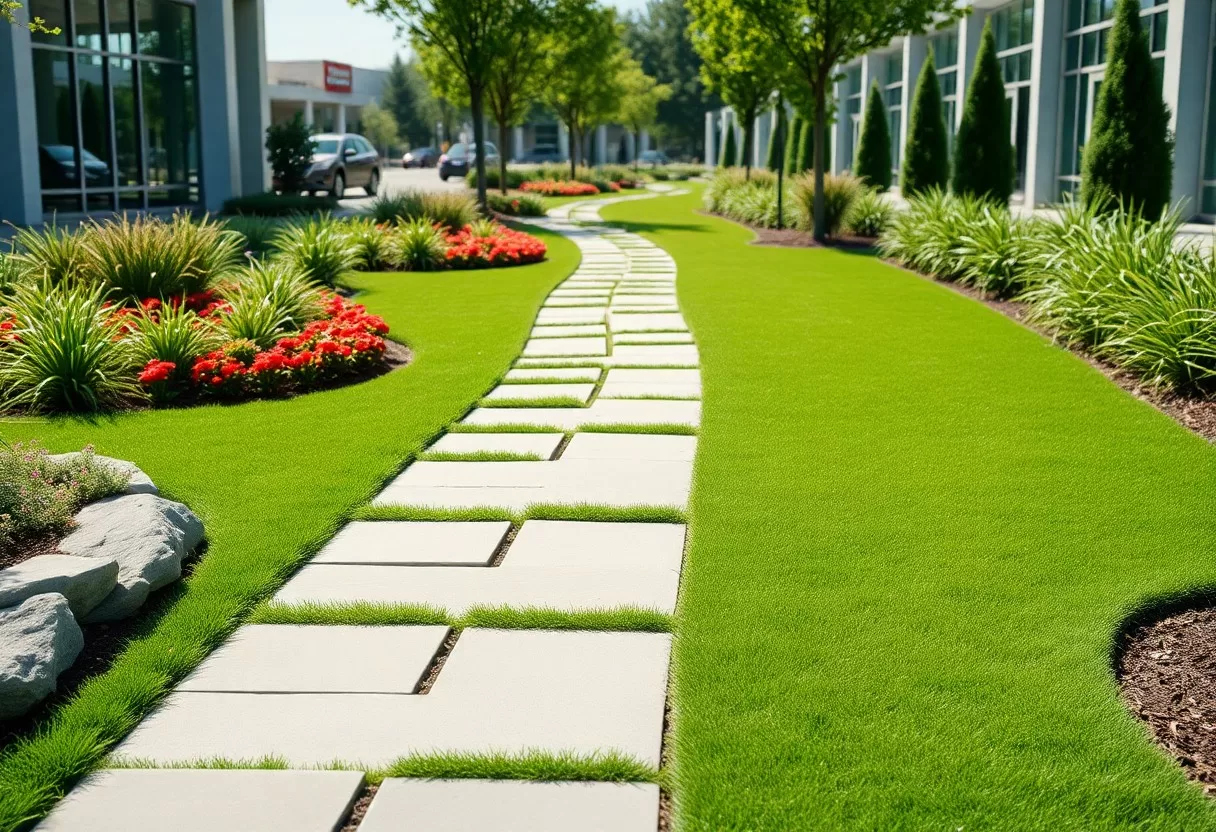
Artificial turf also performs well where real grass struggles. Good products resist wear and keep an even green color, with no dead patches or muddy spots after rain. That makes it useful under trees with deep shade, in narrow side yards and in high-traffic areas where grass never recovers. The trade-off is feel and temperature: it does not have the cool, soft feel of living grass on a hot day.
Year-Round Green: The All-Weather Appeal
It stays green 365 days a year. It handles drought, frost and heavy foot traffic without browning or going dormant, so it looks the same during water restrictions as it does in spring. The big caveat is heat. In direct summer sun, synthetic fibers can get far hotter than natural grass, often hot enough to be uncomfortable for bare feet and paws. Shade, lighter-colored or heat-reducing products and a quick rinse before use all help.
Customized Solutions for Every Landscape
Every yard is different, and turf comes in many styles, colors and pile heights. Some products mimic a fine-bladed lawn, others look like a thicker fescue, and many mix green and tan fibers for a more natural look. Specialized surfaces are made for particular uses, such as sports, play areas, pet runs or putting greens.
Pick turf for function as well as looks. For a dog area, choose a durable, shorter pile with a fully permeable backing so urine drains through, and plan for regular rinsing. A putting green needs a very short, dense surface. For a family lawn, a medium pile of around 1.5 to 2 inches feels softer underfoot. Always order samples, walk on them and look at them outside in daylight before you decide.
Debunking the Myths: Addressing Common Concerns
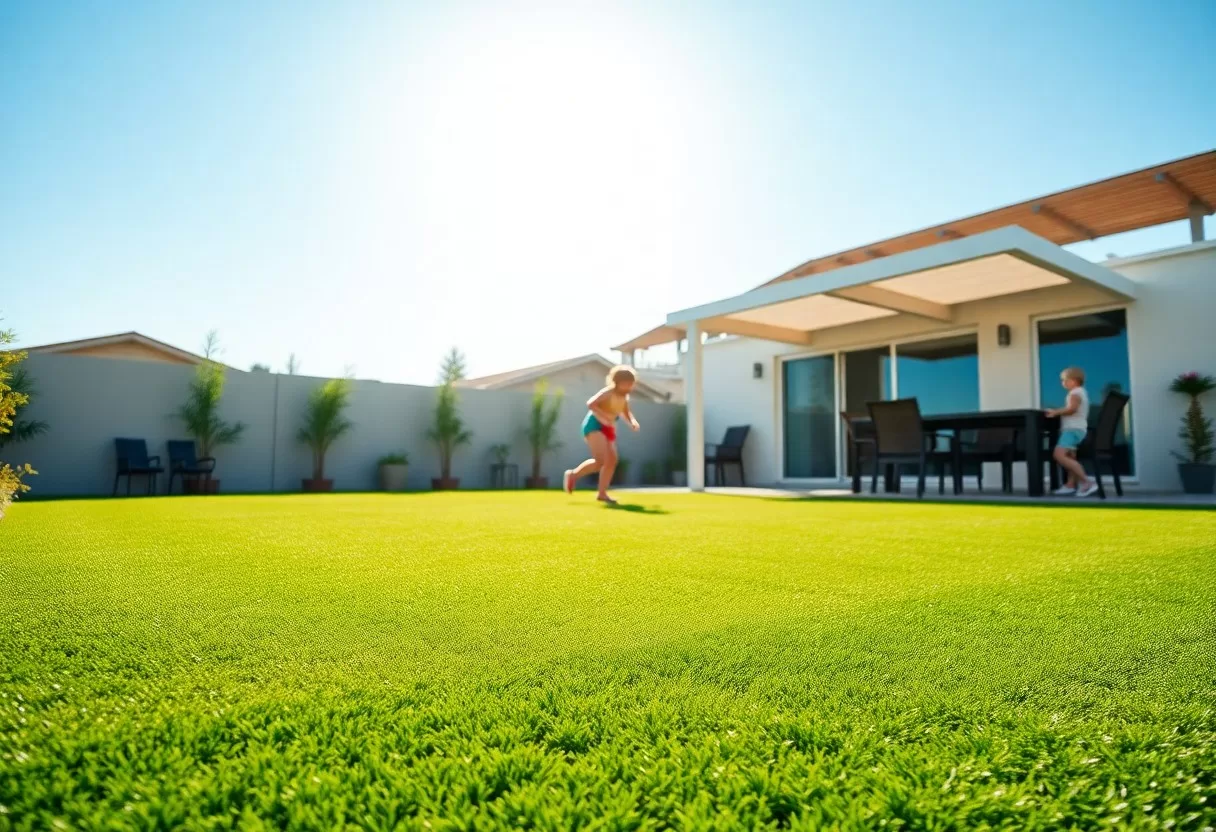
Plenty of myths surround fake grass, both for and against it. Some worries are overblown, while others are fair. Heat is a real issue, and so is the fact that it is plastic. On the other hand, modern products look far more natural than older versions, drain well when installed on a proper base and hold up to kids and pets. Separating marketing from reality helps you decide with clear eyes.
Safety and Health Implications of Turf Materials
Questions about potential health risks usually focus on infill. Many older sports fields used crumb rubber made from recycled tires, which has raised concerns about chemicals, and research is still ongoing. For a home lawn, many people choose alternatives such as coated silica sand or organic infills like cork or walnut shell. Ask suppliers for product test results and look for non-toxic, lead-free materials from reputable manufacturers.
Longevity and Warranty Insights
How long artificial turf lasts depends on product quality, sun exposure and how hard it is used. Many residential products are rated for roughly 10 to 15 years, and heavy use, pets and strong sun can shorten that. Warranties vary widely by brand, so read what they actually cover, such as fading, fiber loss and backing failure, and check whether the installer guarantees the base and seams separately.
Quality matters for longevity. Look for UV-stabilized fibers, which slow fading and breakdown from sunlight, a sturdy backing with good drainage and a well-built base underneath. Installation matters as much as the product, because a poorly compacted base leads to dips and wrinkles. Regular care, such as brushing high-traffic areas, removing leaves and rinsing, helps the surface stay upright and clean for longer.
Adapting to Modern Living: Beyond Lawns
Synthetic grass fits many modern outdoor spaces beyond the classic front lawn. It works in small courtyards, rooftop terraces, balconies and pet zones, where real grass is hard to grow or maintain. For busy families or city dwellers, a small patch of green that needs almost no care can make an outdoor area much more usable. Check weight limits and drainage before laying it on a roof or balcony.
Innovative Uses in Urban Spaces and Playgrounds
Cities and schools use artificial grass in parks, on rooftops and in playgrounds because it stays clean and usable in all weather. In play areas, installers usually add a shock-absorbing pad under the turf so it meets fall-height guidelines for the equipment above it. Without that pad, turf alone is not soft enough under climbers and swings. Ask any installer to confirm the critical fall height their system is rated for.
The Role of Artificial Turf in Sustainable Landscaping
Can synthetic grass be part of sustainable landscaping? In some cases, yes. With no need for watering, it saves water in drought-prone areas, and it removes the need for chemical fertilizers and pesticides. But it does not absorb carbon, cool the air or feed wildlife the way plants do, and it is hard to recycle at the end of its life. It works best in limited areas, combined with native plants, trees and permeable paving.
If you do use it, keep the footprint modest and plan for the long term. Using it only where grass truly fails, such as a shady play strip or a dog run, keeps more of the yard alive with plants. Some products include recycled content, and a few companies offer take-back or recycling programs, so ask about end-of-life options. Pair the turf with native plantings, a shade tree and a rain garden, and the yard as a whole stays far kinder to the environment.
Lawn-to-garden water savings calculator
See how much irrigation water you save by replacing lawn with drought-tolerant planting.
Conclusion
So, if you want a low-maintenance lawn, artificial turf can be a practical choice for the right spot. It stays green all year, needs little upkeep and saves water and chemicals. Weigh that against the upfront cost, summer heat and its plastic footprint. Get several quotes, order samples and consider using it in just part of the yard. Chosen and installed well, it gives you an easy-care space that fits the way you live.
Q: What are the main benefits of installing artificial turf compared to natural grass?
A: Artificial turf needs much less routine care than natural grass: there is no mowing, watering or fertilizing, which saves time and, over the years, money on water and lawn care. It stays green all year, so it suits shady spots, play areas and dry climates where grass struggles. It can also help people who are allergic to grass pollen. It still needs occasional brushing, rinsing and removal of leaves and pet waste to stay clean and looking good.
Q: Is artificial turf environmentally friendly?
A: It has trade-offs. On the plus side, artificial turf removes the need for lawn fertilizers and most pesticides and saves a lot of water, which matters in drought-prone areas. On the other hand, artificial turf is made of plastic, gets hot in the sun, does not support soil life or wildlife, and is hard to recycle at the end of its life. Some products use recycled or plant-based materials. A good compromise is to use artificial turf only in high-traffic spots and keep planted areas elsewhere.
Q: How long does artificial turf last, and what kind of warranties are typically offered?
A: Many residential artificial turf products are rated for roughly 10 to 15 years, depending on product quality, sun exposure, foot traffic and pets. Warranties often run around 8 to 10 years and usually cover UV fading and fiber breakdown rather than damage from wear or poor installation. Read the warranty details carefully before you buy, and keep the turf in good shape with regular brushing, rinsing and topping up infill so it looks good and performs well for as long as possible.
Compare turf, plants and paving in your yard with the free AI garden and landscape designer.
Frequently Asked Questions
How long does artificial turf last?
Good quality artificial turf usually lasts about 10 to 15 years depending on foot traffic, sun exposure and maintenance. Regular brushing and rinsing help it stay upright and clean.
Does artificial turf get hot?
Yes. In direct summer sun it can become much hotter than natural grass. Light-colored infills, shade and occasional cooling with water reduce the problem.
Is artificial turf eco-friendly?
It saves water and removes the need for fertilizers and mowing, but it is made of plastic, does not support wildlife and is hard to recycle. Many gardeners use it only in high-traffic areas and plant the rest.
Related Guides
