
Smart Irrigation Systems – The Future Of Water-Efficient Gardening
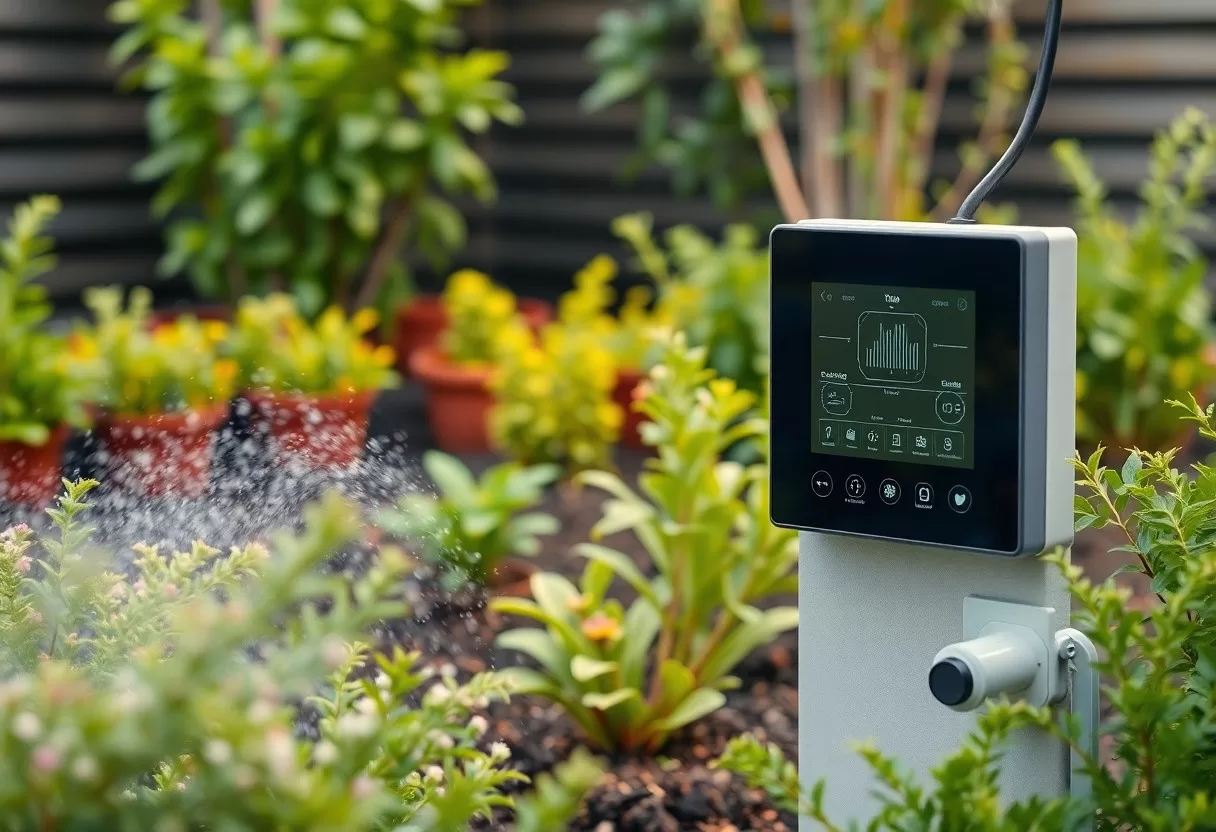
Picture a garden that stays healthy through a dry summer while using less water. A smart irrigation system makes that realistic. It adjusts watering to what your plants and soil actually need, using sensors, weather forecasts and a controller you can run from your phone. That helps you avoid both overwatering and underwatering, protect valuable water resources and get better water efficiency from every zone. Below you’ll learn how these systems work, what to buy and how to set one up.
Table of Contents
Key Takeaways:
- Smart irrigation systems use sensors and weather data to give plants the right amount of water.
- You can control most of them from a phone app, wherever you are.
- Cutting wasted water makes your garden more sustainable and saves a shared resource.
- Connected sensors let the system adjust in real time when the weather changes.
- Over time, you can expect healthier plants and lower water bills.
Rethinking Resource Management: The Crisis of Water Scarcity
Water scarcity is changing how many of us garden. Growing populations and hotter, drier summers put more pressure on fresh water supplies. The UN estimates that around 2 billion people live in countries with high water stress. Even if your area isn’t one of them, summer watering restrictions are becoming common, so it pays to rethink habits that waste water.
The Global Water Crisis: Causes and Consequences
The causes are a mix of city growth, industry and farming, all drawing from the same rivers and aquifers. When supplies run low, the effects reach food prices, health and local wildlife. Home gardens are a small part of total use, but outdoor watering peaks on the hottest days, exactly when supplies are under the most strain.
The Impact of Traditional Gardening on Water Resources
Traditional watering habits add to the problem. The EPA’s WaterSense program estimates that as much as half of the water used outdoors is lost to evaporation, wind or runoff from inefficient watering. Most of that comes from watering too often, at the wrong time of day, or with sprinklers that hit pavement. Take an honest look at your own routine and you’ll likely find easy fixes.
High-volume sprinklers that soak the whole yard are the classic example. Much of the water runs off or evaporates before it reaches the roots. Compacted, bare soil makes it worse, because it sheds water instead of absorbing it. Switching beds to drip irrigation, adding 2 to 3 inches of mulch and choosing drought-tolerant plants (the idea behind xeriscaping) can cut your water use a lot. Water early in the morning, when it’s cool and calm, so less is lost to evaporation.
Revolutionizing the Garden: Features of Smart Irrigation Systems
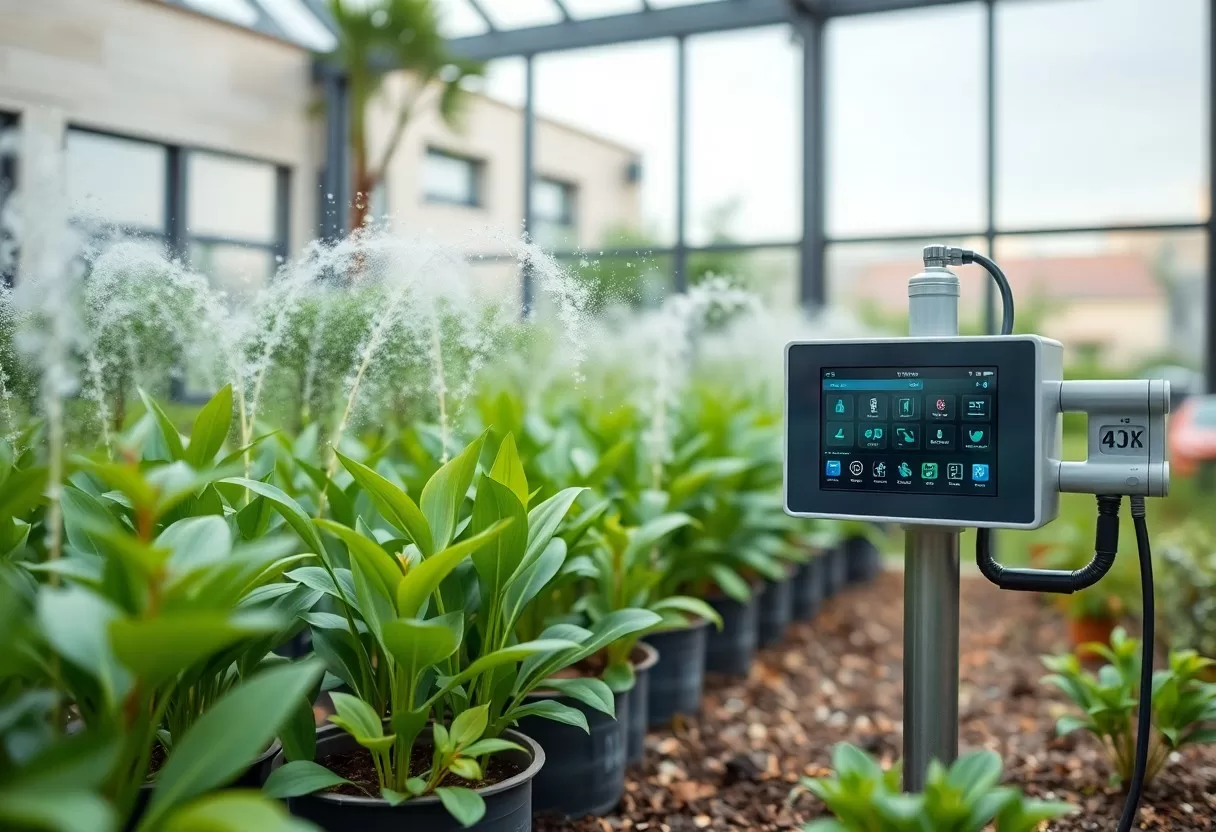
Smart irrigation systems replace the old timer-based approach with technology that saves water. You get real-time monitoring, flexible schedules and links to other smart home devices, so managing the garden takes less effort. The system reacts to weather and plant needs, skipping a cycle after rain or adding time during a heat wave. With precise control over each zone, your plants stay healthier and less water goes to waste.
Key Technologies Behind Smart Irrigation
Your smart irrigation system relies on a few key technologies: weather-based controllers, soil moisture sensors and cloud-based software. Weather-based controllers use local forecasts plus recent rainfall, temperature and humidity to adjust run times. Soil moisture sensors measure how wet the root zone is and tell the system when to water. The software stores your schedules and history, so you can check and change settings from anywhere.
How Sensors and Automation Optimize Water Usage
Soil moisture sensors check the root zone continuously, so the system waters only when the soil is actually drying out. That avoids wasted water and encourages deeper roots, because plants watered less often but more deeply grow roots that reach further down. Automation also handles the day-to-day swings in weather that are hard to track by hand. The result is less water used and, in most cases, a lower utility bill.
A simple rule of thumb: most established lawns and shrubs do better with deep watering once or twice a week than with a short daily sprinkle. Water until the top 6 inches or so of soil is moist, then let the surface dry before the next cycle. A smart controller makes this easy to stick to, because it tracks rainfall and soil moisture for you instead of running on a fixed calendar.
Many controllers also adjust through the season. They combine local weather with settings like plant type, soil type, slope and sun exposure to calculate how much water each zone needs, then raise or lower run times as conditions change. How much you save depends on how wasteful your old schedule was, so compare your water bills before and after to see the real difference. Take time to enter accurate zone settings, because the controller’s math is only as good as the information you give it.
Environmental and Economic Advantages of Smart Solutions
Smart irrigation systems bring real environmental and economic benefits. They use water more precisely, cut waste and keep your garden healthier. You spend less time adjusting timers by hand, and the savings show up on your utility bill. Read more about these innovative solutions to water scarcity – smart irrigation.
Reducing Water Waste and Lowering Bills
Smart systems reduce water waste by applying water only where and when it’s needed. Because they track soil moisture and weather, they skip cycles a regular timer would run anyway, such as the morning after a storm. Those skipped cycles add up to real savings over a summer. Many controllers also show your water use by zone in the app, so you can see which areas use the most and adjust them first.
Benefits for Plant Health and Crop Yields
Better plant health is one of the biggest benefits. With watering matched to each zone, plants get steady moisture, which supports strong roots and even growth. Vegetables in particular do better with consistent watering. Tomatoes, for example, are prone to blossom-end rot and split fruit when the soil swings between dry and soggy. Avoiding soggy soil also lowers the risk of root rot and fungal diseases linked to overwatering.
When plants get water on a steady schedule, they handle heat and dry spells better. Smart systems adjust to the seasons, giving more water during a drought and holding back during rainy weeks so the soil doesn’t stay waterlogged. That balance keeps beds productive year after year, whether you grow a small vegetable patch or a large planting of shrubs and perennials.
From Design to Implementation: Building Your Smart System
Building a good smart irrigation system starts with planning around your garden’s layout. Note your soil type, sun exposure, slopes and where your water source is, since these shape the design. Sandy soil drains fast and needs more frequent watering, while clay absorbs water slowly and does best with short cycles separated by soak breaks to prevent runoff. Then combine soil moisture sensors, a weather-based controller and automatic valves to fit each area.
Choosing the Right Equipment for Your Needs
Choosing the right equipment is key to the success of your smart irrigation system. Start with a smart controller that uses weather data and soil moisture to set schedules; a WaterSense-labeled model is a good benchmark. Use drip irrigation in beds and containers, since it delivers water right to the roots, and save sprinklers for lawn areas. Add rain sensors so the system shuts off in wet weather. Make sure the controller has enough zones for your yard, plus a spare or two for future beds.
Practical Steps for Integrating Smart Irrigation in Your Garden
Adding smart irrigation to your garden works best step by step. First, watch your current watering for a week and note dry spots, puddles and overspray. Next, install a smart controller and soil moisture sensors. Then map irrigation zones so plants with similar needs share a valve: lawn, shrubs, vegetable beds and containers should each get their own. Finally, keep the app and firmware updated and walk the system once a month to catch clogged or broken heads.
When you choose a controller, pick one with Wi-Fi so you can monitor it from an app. Place soil moisture sensors in the root zone of a typical plant in each zone, not right next to a dripper or a downspout, where readings will be off. Group plants by water needs so each zone gets its own schedule. Recheck settings each spring and fall, as sun angles and temperatures change. Done right, you’ll have a thriving garden and lower water use.
Watch for a few common mistakes. Don’t mix drip lines and spray heads on the same zone, since they put out water at very different rates. Don’t set the controller once and forget it; check the app after the first few weeks and after any big storm. And clean drip filters each spring, because a clogged filter can quietly starve a whole bed.
The Future of Gardening: Trends and Innovations on the Horizon
As gardening changes, technology is playing a bigger role in dealing with water shortages and hotter summers. Newer systems aim to make gardening simpler and more sustainable at the same time. They connect to data tools that show how much water each zone uses, so you can make smarter decisions and build a more resilient garden.
Emerging Technologies in Smart Irrigation
New sensors and AI tools are changing how irrigation works. Some controllers combine soil moisture readings with weather forecasts to predict what plants will need over the next few days. You get precise schedules that save water and lower bills while keeping plants healthy, with less guesswork on your part.
The Role of Policy and Community Initiatives in Promoting Adoption
Government incentives and community programs help more people adopt smart irrigation systems. Many water utilities offer rebates on WaterSense-labeled controllers or sensors, and some areas offer other credits. Check your water utility’s website before you buy, because a rebate can cover part of the cost. These programs support your own efforts and help the wider community conserve water.
Many local governments also run education programs on water conservation and smart irrigation. Workshops and demonstration gardens show current equipment in action, and some local partnerships help fund water-saving products. Joining these programs is an easy way to upgrade your own garden and share ideas with neighbors. As more communities focus on efficient water use, watering rules may increasingly favor smart irrigation systems, making them a standard part of modern gardening.
Final Words
Taken together, smart irrigation systems are one of the most practical ways to make your garden more water-efficient. They give plants the right amount of moisture, support better growth and cut waste. To learn more about how they work, read Smart Irrigation: Water Conservation and Efficiency. Your garden, the environment and your water bill will all benefit.
Map irrigation zones in your yard with the free AI garden and landscape designer.
Lawn-to-garden water savings calculator
See how much irrigation water you save by replacing lawn with drought-tolerant planting.
Frequently Asked Questions
How do smart irrigation systems save water?
They adjust watering using weather forecasts, soil moisture sensors and plant needs, skipping cycles after rain and avoiding overwatering.
Are smart sprinkler controllers worth it?
For most yards yes. They often pay for themselves through lower water bills within a few seasons and may qualify for local rebates.
Related Guides
