
How to Design a Home That Ages Well Over Time
Many homes lose function as you age, but yours doesn’t have to. Design with long-term accessibility from the start-single-level living, wide doorways, and non-slip flooring prevent accidents. Choose timeless materials and flexible layouts that adapt to changing needs, ensuring comfort and safety for decades.
Table of Contents
Key Takeaways: Design a Home That Ages Well
- Choose durable, timeless materials like solid wood, natural stone, and ceramic tile that withstand daily use and changing trends without showing wear or feeling outdated.
- Design flexible spaces that can adapt to different life stages, such as multi-purpose rooms and open layouts, allowing for easy reconfiguration as needs change.
- Integrate universal design principles from the start, including step-free entries, wider doorways, and accessible fixtures, to support comfort and mobility over time.
Prioritizing Universal Design Factors for Accessibility
Designing for lifelong usability means integrating universal design principles from the start. Features like step-free access, open floor plans, and intuitive controls benefit everyone, regardless of age or ability. You’ll future-proof your home by focusing on ease of movement and independence. The long-term value of your home increases when accessibility is built in, not added later.
How to implement zero-threshold entries and wider hallways
Zero-threshold entries eliminate tripping hazards and allow smooth transitions between indoor and outdoor spaces. Wider hallways-minimum 36 inches-accommodate mobility devices and improve traffic flow. Install slip-resistant flooring that extends seamlessly across thresholds. The ease of movement they provide supports independence at every life stage.
Tips for planning single-story living or elevator-ready shafts
Single-story living simplifies daily routines as mobility changes over time. If multi-level living is necessary, plan an elevator-ready shaft during initial construction. Position key rooms like bedrooms and bathrooms on the main floor. Knowing where mechanicals and structural supports will go saves cost and disruption later.
- Designate a main-floor bedroom with adjacent accessible bathroom
- Reserve a 36” x 36” interior space for future home elevator installation
- Align the shaft with stairwell footprints to share structural supports
- Pre-wire nearby for lighting and power if installing later
Knowing how and where to integrate vertical access early ensures your home adapts without major renovation.
Essential factors for bathroom safety and walk-in shower design
Walk-in showers with no curb reduce fall risks and improve accessibility. Include grab bars, a bench seat, and adjustable showerheads for flexibility. Use slip-resistant tiles and proper drainage to prevent pooling. Knowing how to balance safety with style ensures the space remains functional and inviting.
- Install reinforced walls for future grab bar placement
- Choose a linear drain for efficient water removal
- Use large-format tiles with minimal grout lines for easier cleaning
- Set shower controls at seated and standing heights
Knowing these details upfront prevents costly retrofits and ensures true accessibility.
Selecting Timeless Materials That Endure Wear
Choosing materials that stand the test of time ensures your home remains beautiful and functional for decades. Focus on natural durability, proven performance, and low maintenance to avoid frequent renovations. The right selections age gracefully, gaining character without sacrificing integrity.
How to choose high-quality flooring that resists aging
Opt for solid hardwood with a matte finish and tight grain patterns like oak or maple. These handle foot traffic well and can be sanded multiple times. The long-term value of resilient flooring enhances both comfort and resale appeal.
Tips for picking durable finishes that require minimal refinishing
Look for surface treatments that resist scratches, moisture, and UV exposure. Water-based polyurethane, ceramic tile glazes, and powder-coated metals maintain appearance with little upkeep. The smartest finishes protect without demanding constant attention.
- Select pre-finished materials to ensure factory-level consistency
- Choose textured surfaces that hide minor wear and scuffs
- Use chemical-resistant coatings in high-moisture areas
- Prefer metal alloys like brushed nickel or stainless steel over plated options
Surface longevity depends on both material and treatment. Finishes that combine hardness with subtle texture reduce visible wear while resisting environmental damage. The best options look better over time, not worse.
Factors to consider when selecting classic vs. trendy aesthetics
Classic designs favor neutral palettes, balanced proportions, and time-tested forms. Trendy choices may feel exciting now but often date quickly. Perceiving the difference helps you invest in style that lasts.
- Ask if the design element has remained popular for over 20 years
- Assess whether color choices are adaptable to future decor shifts
- Consider how easily materials can be repaired or replaced in kind
- Look for proportion and symmetry, which rarely go out of style
Designs rooted in function and proportion tend to endure, while those driven by novelty fade fast. Materials and forms that have proven their appeal across generations offer quiet confidence. Perceiving lasting value means looking beyond initial excitement to how a space will feel in 30 years.
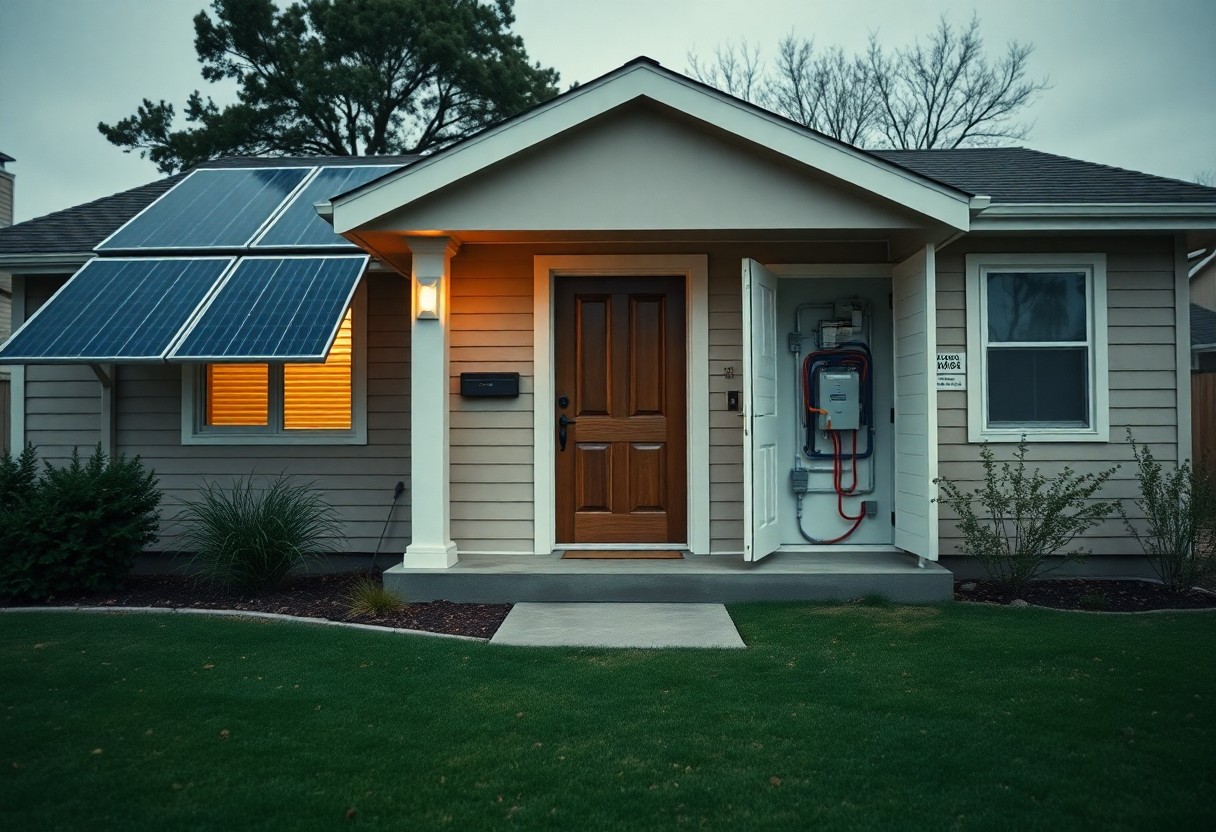
Future-Proofing Your Home’s Infrastructure
Building a home that supports your lifestyle decades from now means planning beyond aesthetics. Smart upgrades today reduce stress and expense tomorrow, especially as needs change with age or ability. Explore the Aging In Place Home Design Checklist to stay ahead of common challenges.
How to integrate smart home technology for long-term convenience
Automation simplifies daily tasks and enhances safety over time. Voice-controlled lighting, remote thermostat adjustments, and smart locks support independence. Systems that adapt to changing mobility or vision needs offer lasting comfort. Assume that intuitive interfaces will matter most as you age.
- Install scalable smart hubs that allow future device integration
- Choose voice-activated systems to reduce physical strain
- Use remote monitoring for security and energy management
- Opt for wireless sensors in bathrooms and entryways to detect falls or leaks
Tips for optimizing electrical and plumbing access for future repairs
Easy access to systems prevents costly demolition later. Strategic panel placement and shutoff valves save time during emergencies. Use removable wall sections or access panels near key fixtures. Recognizing that aging infrastructure will need updates ensures smarter initial layout choices.
- Place electrical panels in spacious, well-lit areas for safe servicing
- Install shutoff valves in accessible locations under sinks and behind toilets
- Use removable access panels near showers and water heaters
- Run wiring and pipes through service cavities instead of sealed walls
Planning for repairs before problems arise keeps your home functional and safe. Concealed systems may look clean now, but they complicate fixes later. Exposed shutoffs and modular wiring trays make upgrades simple. Recognizing that maintenance is inevitable leads to smarter, more flexible designs from the start.
Critical factors in energy efficiency and sustainable insulation
High-performance insulation and efficient systems lower bills and improve comfort year-round. Sealing air leaks and choosing durable materials reduce long-term environmental impact. Assume that energy costs will rise, making upfront investments worthwhile over time.
- Use eco-friendly insulation like cellulose or mineral wool
- Install energy-efficient windows with low U-values
- Seal air gaps around doors, windows, and ductwork
- Choose high-efficiency HVAC systems with zoning options
Durable insulation doesn’t just cut energy use-it stabilizes indoor temperatures and reduces strain on heating and cooling units. Materials that resist moisture and mold support healthier indoor air. Assume that sustainability and comfort go hand in hand when selecting components for walls, attics, and foundations.
Designing Flexible and Adaptable Living Spaces
Spaces that adapt to life’s changes ensure your home remains functional and comfortable for decades. Thoughtful planning today allows rooms to shift purpose as needs evolve, from home offices to caregiving suites. Flexibility isn’t just convenient-it’s a long-term investment in your home’s usability. Any well-designed adaptable space starts with foresight and simple, smart choices.
How to create multi-generational suites or guest quarters
Private entrances, compact kitchens, and en-suite bathrooms make guest areas feel independent and welcoming. Designing for multi-generational living supports aging parents or adult children while preserving privacy. Include sound insulation and flexible furniture to maximize comfort. Any suite should balance connection with separation, ensuring harmony for all household members.
Tips for designing flex rooms that evolve with family needs
- Use neutral finishes that suit multiple purposes over time
- Install multi-functional furniture like Murphy beds or fold-out desks
- Plan for easy reconfiguration with movable partitions or open layouts
- Include universal design features such as wide doorways and non-slip flooring
- Ensure ample storage that adapts as room use changes
Rooms that serve multiple purposes today can transform seamlessly tomorrow. A playroom now might become a home gym or office later. Adaptability lies in simplicity, durable materials, and smart layouts. Any successful flex room anticipates change without requiring major renovations.
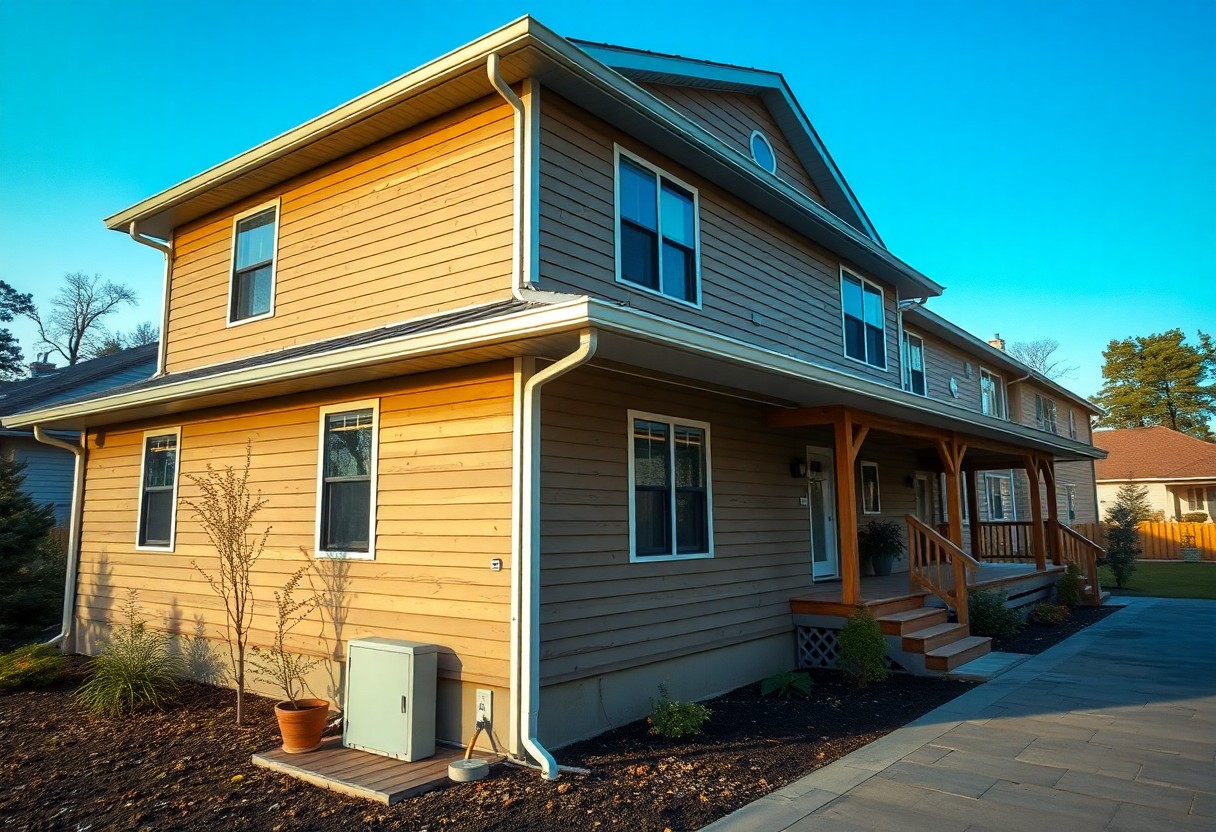
Minimizing Long-Term Maintenance Requirements
Choosing materials and systems that stand up to wear ensures your home remains functional and attractive for decades. Focus on durability, weather resistance, and ease of repair when making selections. For deeper insights into practical Aging in Place Home Modifications: Room-by-Room Tour, explore real-world examples that align with long-term living goals. This reduces future costs and effort while supporting independence.
How to select low-maintenance exterior cladding and roofing
Opt for fiber cement, metal roofing, or engineered wood that resist rot, insects, and fading. These materials hold up well in extreme weather and require minimal upkeep. This preserves your home’s integrity and curb appeal for years.
Tips for choosing hardware and fixtures built for longevity
- Select solid brass or stainless steel fixtures with ceramic disc valves
- Choose lever-style door handles for ease of use and durability
- Install low-maintenance finishes like brushed nickel or matte black
- Look for ADA-compliant designs that support aging in place
Quality hardware withstands daily use and resists corrosion. Durable finishes prevent tarnishing and wear. This ensures reliable performance and reduces replacement needs.
Long-lasting fixtures begin with smart material choices and thoughtful design. Solid construction prevents wobbling, sticking, or premature failure. Look for lifetime warranties and high-cycle testing ratings. This investment pays off in comfort, safety, and reduced service calls over time.
Optimizing Outdoor Environments for Ease of Use
You can maintain independence and comfort outside your home for years by designing outdoor spaces that adapt to changing mobility and energy levels. Thoughtful planning now prevents hazards and limitations later, ensuring your yard remains inviting and functional across life stages. Safety, accessibility, and low maintenance should guide every decision.
How to design low-impact landscaping and automated irrigation
Choose drought-tolerant plants and group them by water needs to reduce upkeep. Install an automated irrigation system with timers and moisture sensors to prevent overwatering. Use mulch to suppress weeds and retain soil moisture. After setting up smart watering zones, you’ll spend less time managing your yard.
Factors for creating safe, slip-resistant outdoor pathways
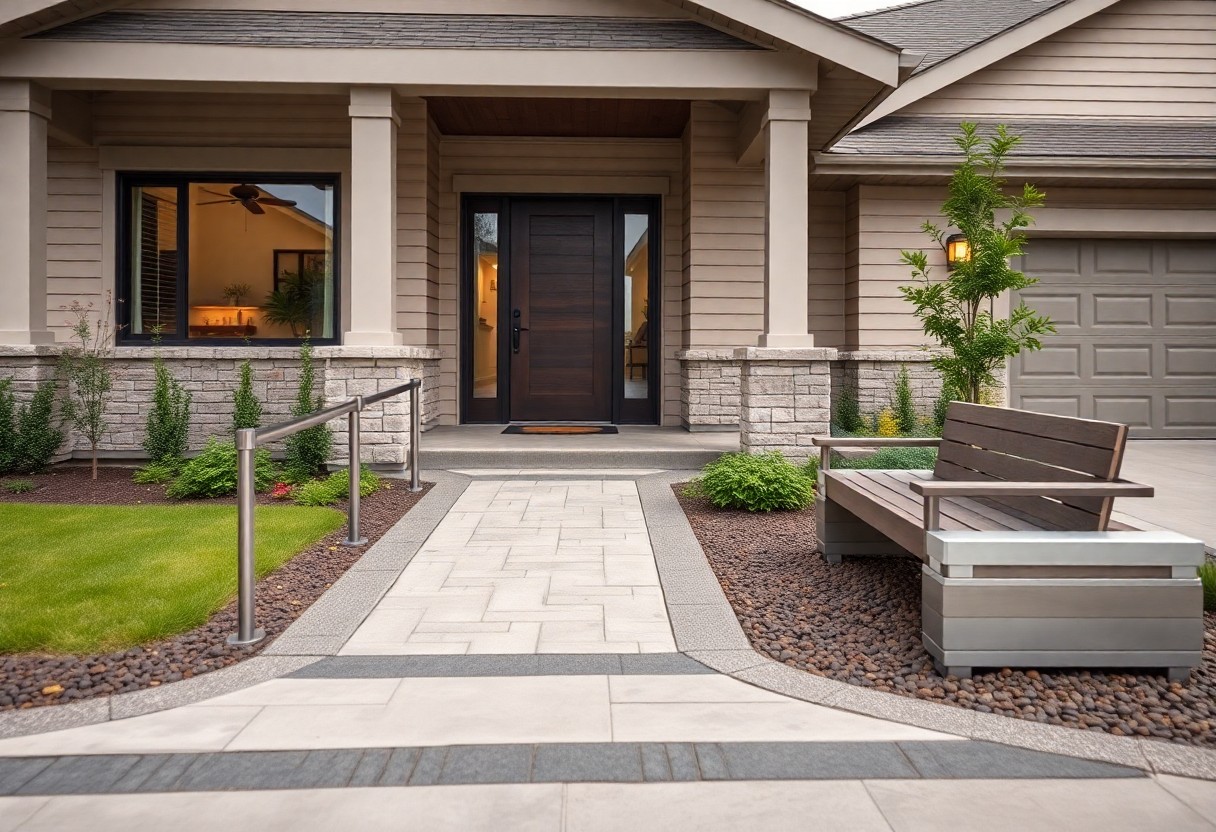
Build pathways with non-slip surfaces like textured concrete, pavers with grit finish, or bonded aggregates. Ensure even elevation and avoid abrupt level changes. Include adequate lighting and contrast edging for visibility. After installing secure, level walkways, you’ll reduce fall risks significantly.
Slip-resistant outdoor pathways start with material selection-smooth surfaces become dangerous when wet. Opt for finishes that provide traction in all weather. Maintain a minimum width of 36 inches for accessibility and add handrails where slopes exceed 5%. Avoid glossy sealers and keep drainage clear to prevent pooling.
- Textured pavers offer grip without compromising aesthetics
- Contrasting borders help those with low vision detect path edges
- Proper slope (1/4 inch per foot) directs water away safely
- Shade-tolerant lighting ensures visibility at night
After prioritizing these elements, your outdoor routes become safer and more usable for everyone.
Summing up
To wrap up, designing a home that ages well means choosing durable materials, flexible layouts, and timeless aesthetics. You prioritize accessibility, natural light, and low-maintenance solutions that adapt to changing needs. Your choices today ensure comfort, function, and beauty for decades, creating a home that truly grows with you.
FAQ
Q: What does it mean for a home to age well over time?
A: A home that ages well maintains its functionality, comfort, and appeal as the years pass. It adapts to changing needs, such as mobility limitations or family growth, without requiring major renovations. Materials resist wear, layouts remain practical, and design choices avoid extreme trends that quickly feel outdated. Good aging-in-place design considers how people and their lifestyles evolve.
Q: How can I make doorways and hallways more accessible for long-term use?
A: Wider doorways and hallways allow easier movement, especially for wheelchairs or walkers. Aim for at least 36 inches of clear passage width for main pathways and door openings. Avoid narrow corridors and tight turns. Pocket doors save space and improve access. Removing thresholds or using low-profile ones between rooms helps prevent trips and allows smooth transitions, particularly in bathrooms and entry areas.
Q: What bathroom features support independence as people get older?
A: Install walk-in showers with no thresholds, grab bars near toilets and in showers, and a shower seat if space allows. Use lever-style faucets instead of knobs-they’re easier to operate with limited hand strength. Choose slip-resistant flooring and consider a handheld showerhead. Positioning the water heater to deliver safe, consistent temperatures prevents scalding. These changes support safety without making the space feel clinical.
Q: Can lighting affect how well a home ages?
A: Yes. As people age, they need more light to see clearly. Use layered lighting with ambient, task, and accent options. Install bright, glare-free fixtures in kitchens, bathrooms, and hallways. Add motion-sensor lights in closets, bathrooms, and along pathways to bedrooms. Place switches at both ends of hallways and at the top and bottom of stairs. Choose controls that are easy to see and operate, such as rocker switches with illuminated edges.
Q: Should I plan for a bedroom and bathroom on the main floor?
A: Yes. Stairs become harder to navigate with age or injury. Having a bedroom and full bathroom on the ground level allows someone to live comfortably on one floor if needed. This is useful even if current occupants are young and mobile. Future buyers may also value this layout. Design the space so it can serve as a guest room now and a permanent bedroom later without feeling isolated or inconvenient.
Plan wider circulation, single-level living and flexible rooms in the free 3D house layout planner to future-proof your layout.