
Building For The Future – The Importance Of Climate-Responsive Buildings In Urban Environments
Cities face hotter summers, heavier storms and rising energy costs, so if you plan or develop buildings, it pays to understand climate-responsive design. These buildings work with the local climate instead of fighting it. They reduce energy consumption, stay comfortable during heat waves and power cuts, and add to the resilience of communities facing extreme weather. Choosing sustainable practices also protects your investment as building codes and energy prices change.
Table of Contents

Key Takeaways: Climate Responsive Buildings
- Climate-responsive buildings use design strategies matched to the local climate to cut energy use.
- They help cities cope with heat waves, storms and flooding, and keep occupants healthier and more comfortable.
- Green roofs, natural ventilation and low-carbon materials shrink a building’s footprint and support urban wildlife.
- Codes, incentives and smart policy speed up the shift to better buildings.
- Architects, planners and policymakers need to work together so buildings, streets and infrastructure perform as one system.
The Climate Emergency: A Call to Action
Heat waves, intense rainstorms and flooding are becoming more common, and cities feel them first. Dense streets trap heat, hard surfaces send stormwater straight into drains, and older buildings were never designed for today’s extremes. Cutting emissions matters, but so does adapting. Climate-responsive measures do both: they lower energy use and keep people safe and comfortable when the weather turns. The most vulnerable residents, such as older adults and low-income households, benefit most.
Urbanization and Its Environmental Impact
As cities grow, they use huge amounts of energy, water and materials. Cities produce roughly 70% of global energy-related CO2 emissions, a figure widely cited by the UN and the IPCC, largely from transportation, heating and cooling. Dense development also creates the urban heat island effect, where pavement and rooftops absorb sun all day and release it at night, keeping cities several degrees warmer than surrounding countryside. Rethinking how urban buildings and streets are designed is one of the most effective ways to tackle these problems.
The Role of Buildings in Climate Change
Buildings are a big part of the climate problem. Heating, cooling, lighting and running them accounts for roughly a third of the world’s energy use, and producing cement, steel and other materials adds a large share of emissions on top of that. As demand for housing and offices grows, an inefficient building locks in high energy bills for decades. Supporting low-carbon, energy-efficient buildings, whether you are a developer, a tenant or a homeowner, is one of the most direct ways to help.
A building’s energy use and how well it handles changing weather shape the sustainability of the whole neighborhood. Good insulation, airtight construction, high-performance windows and efficient equipment cut energy use in every season. Designing for daylight and cross-ventilation reduces how often lights, fans and air conditioning need to run. Green roofs add insulation and slow stormwater. Together, these measures mean lower bills, lower emissions and spaces that stay usable during a power outage.
Principles of Climate-Responsive Design
Climate-responsive design starts with the local climate: sun angles, prevailing winds, rainfall and temperature swings. From there, a few core principles guide decisions about orientation, shading, materials and water. Passive solar heating, natural ventilation and rainwater harvesting are classic tools, and they cost little to run once built. For a deeper look at how these ideas scale to whole neighborhoods, see Climate-Responsive Urbanism.
Harnessing Natural Resources: Light, Air, and Water
Daylight, fresh air and water are free resources, so design to use them well. In the Northern Hemisphere, put most windows on the south side and size roof overhangs to block high summer sun while letting low winter sun in. Place operable windows on opposite walls so breezes can cross the room. Green roofs, rain gardens and permeable paving soak up rainwater, reduce runoff and give plants and pollinators a foothold in the city.
Materials Matter: Choosing Sustainable Options
Your choice of materials has a big effect on a building’s footprint. Locally sourced, recycled and sustainably harvested materials cut transport emissions and support local suppliers. Pay attention to embodied carbon, the emissions from making and delivering materials, which can match years of operating energy. Timber from certified forests, recycled steel, and concrete mixes that replace part of the cement with fly ash or slag are common ways to bring it down.
Also look for materials that improve energy performance, such as insulated concrete forms, structural insulated panels and high-performance glazing. Durable finishes that need little upkeep save resources over the building’s life. Biophilic design, which brings in natural materials, daylight, plants and views of greenery, makes spaces more pleasant to live and work in. Choose low-VOC paints, adhesives and sealants for better indoor air, and talk to local suppliers about new low-carbon products as they come to market.
Transformative Architecture: Pioneering Projects Around the Globe
Around the world, a growing number of buildings show what climate-responsive design looks like in practice. They combine passive strategies, such as shading, daylighting and natural ventilation, with renewable energy and smart water management. They are not all expensive showpieces, and many of their ideas scale down to ordinary homes and offices. Studying them is a good way to see which features deliver real results.
Innovations in Green Building: Successful Case Studies
A few well-known green buildings show how these ideas come together. Some notable examples include:
- The Edge, Amsterdam: an office building with solar panels on its roof and south facade and an underground thermal storage system for heating and cooling.
- Copenhagen’s 8 Tallet: a figure-eight housing block with large sloping green roofs and a path residents can walk or cycle up to the top floors.
- One Central Park, Sydney: towers covered in vertical gardens, with a cantilevered heliostat that reflects sunlight into the shaded park below.
- The Bullitt Center, Seattle: an office building designed to make as much solar electricity as it uses over a year, with rainwater collection and composting toilets.
Urban Revitalization: Lessons from Climate-Responsive Developments
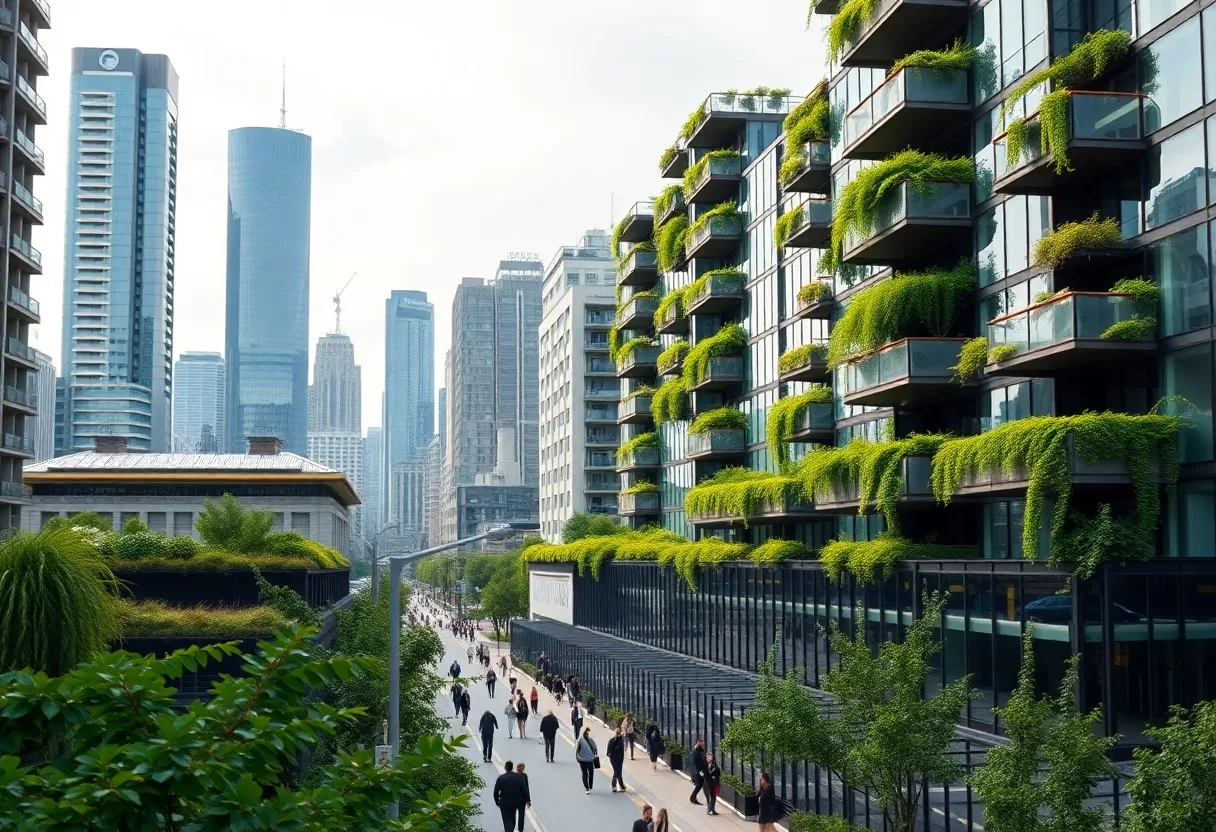
Climate-responsive projects also show how to bring neighborhoods back to life. Developments that add parks, street trees, bike lanes and renewable energy tend to become places people want to live and spend time. Natural elements, like shade trees, planted swales and water features, cool the streets and handle storm runoff while giving residents places to meet.
The best revitalization projects start with what the community needs. Walkable streets, protected bike routes and green corridors linking parks reduce car trips and make neighborhoods more social. Retrofitting existing buildings for efficiency, rather than tearing them down, saves the carbon already built into them. With careful planning, cities can turn vacant lots, old rail lines and empty warehouses into useful, healthy places for both people and the planet.
The Economic Argument: Investments in Sustainability
Sustainability also makes economic sense. Energy-efficient buildings cost less to run, which matters for owners and tenants alike. Well-built, healthy buildings tend to attract and keep tenants, and many buyers now look at energy ratings before they buy. Cleaner air and cooler streets also mean fewer heat-related illnesses, which eases pressure on local health services and keeps communities more productive.
Long-Term Cost Savings vs. Short-Term Expenses
Upfront costs for better insulation, windows and equipment can be higher, but they usually pay back over time through lower utility bills. Durable materials and simpler systems also reduce maintenance costs. The smartest time to invest is during design or a major renovation, when adding efficiency costs least. Run the numbers for each upgrade, comparing extra cost with yearly savings, so you can put your money where it will have the most effect.
Incentives and Policies That Encourage Green Building
Many governments offer incentives for green building, such as tax credits, grants, low-interest loans and faster permitting for projects that meet efficiency targets. These can make sustainable construction affordable for developers and homeowners alike. Some cities have also adopted stricter energy codes or green building standards, which set a baseline that every new project has to meet.
Certification programs like LEED (Leadership in Energy and Environmental Design) give owners a clear framework for energy-saving technology and sustainable materials, and some local governments tie incentives or permitting perks to them. Utilities and cities often offer rebates for solar panels, heat pumps and insulation, and federal tax credits may apply too. Check with your local building department and utility before you finalize plans, since programs change often and can cover a meaningful share of the cost.
Community Engagement: The Social Dimensions of Climate-Responsive Buildings
Involving the community in the design of climate-responsive buildings makes sure the result fits the people who will use it. Active participation brings local knowledge into the process, such as which streets flood, where people gather and what services are missing. Workshops, public meetings and simple surveys give a wide range of residents a voice. When people help shape a project, they are more likely to look after it, and the building becomes part of a stronger, fairer neighborhood.
Inclusive Design: Meeting Diverse Needs
Inclusive design makes climate-responsive buildings work for everyone, regardless of age or ability. Step-free entrances, ramps with a gentle 1:12 slope, doorways at least 32 inches clear and flexible rooms that can adapt over time serve people with disabilities, older residents and families with strollers alike. Shaded seating, cooling centers and accessible green space protect those most at risk during heat waves. Good design treats sustainability and fairness as parts of the same goal.
The Importance of Public Spaces in Urban Sustainability
Public spaces are a key part of urban sustainability. Parks, plazas and community gardens give residents a place to meet and a way to connect with nature close to home. Trees and planted areas cool the air through shade and evaporation, absorb stormwater and filter pollutants. Safe, attractive public spaces also encourage walking and cycling, which supports healthier habits and reduces car use.
Well-designed public spaces offer recreational opportunities and bring people together. They host markets, festivals and everyday gatherings that strengthen a neighborhood. New York City’s High Line, a disused elevated railway turned into a planted park, is a well-known example that drew new visitors and businesses to the area. Focus on spaces that are accessible, shaded and planted with native species, and they will serve both the environment and the community for decades.
Summing up
Investing in climate-responsive buildings is one of the most practical steps cities can take toward a sustainable future. They use less energy, handle extreme weather better and make daily life more comfortable for the people inside and around them. Whether you are planning a single home or a new district, start with the local climate, design for passive comfort first and choose materials carefully. These choices pay off for your budget, your community and the generations that follow.
Estimate savings from climate-smart upgrades with the energy efficiency savings calculator.
Sun angle & roof overhang calculator
Size an overhang that blocks hot summer sun but lets low winter sun warm your rooms.
Frequently Asked Questions
What is a climate-responsive building?
A building designed for its local climate, using orientation, shading, insulation, ventilation and materials to stay comfortable with minimal energy.
Why are climate-responsive buildings important in cities?
They reduce energy demand, lower urban heat island effects and keep people safer during heat waves and storms.
Related Guides
