Net-Zero Energy Buildings – Designing For Energy Efficiency And Sustainability In The 21st Century
Efficiency sits at the center of modern sustainable architecture. As you explore Net-Zero Energy Buildings (NZEBs), you’ll see how they cut energy demand first and then use renewable energy sources and advanced design strategies to produce as much energy as they use over a year. Net zero energy buildings are no longer experimental; homes and offices built this way are going up in many climates. Your design choices can bring real savings on energy bills and a smaller footprint for years to come.
Table of Contents
Key Takeaways: Net Zero Energy Buildings
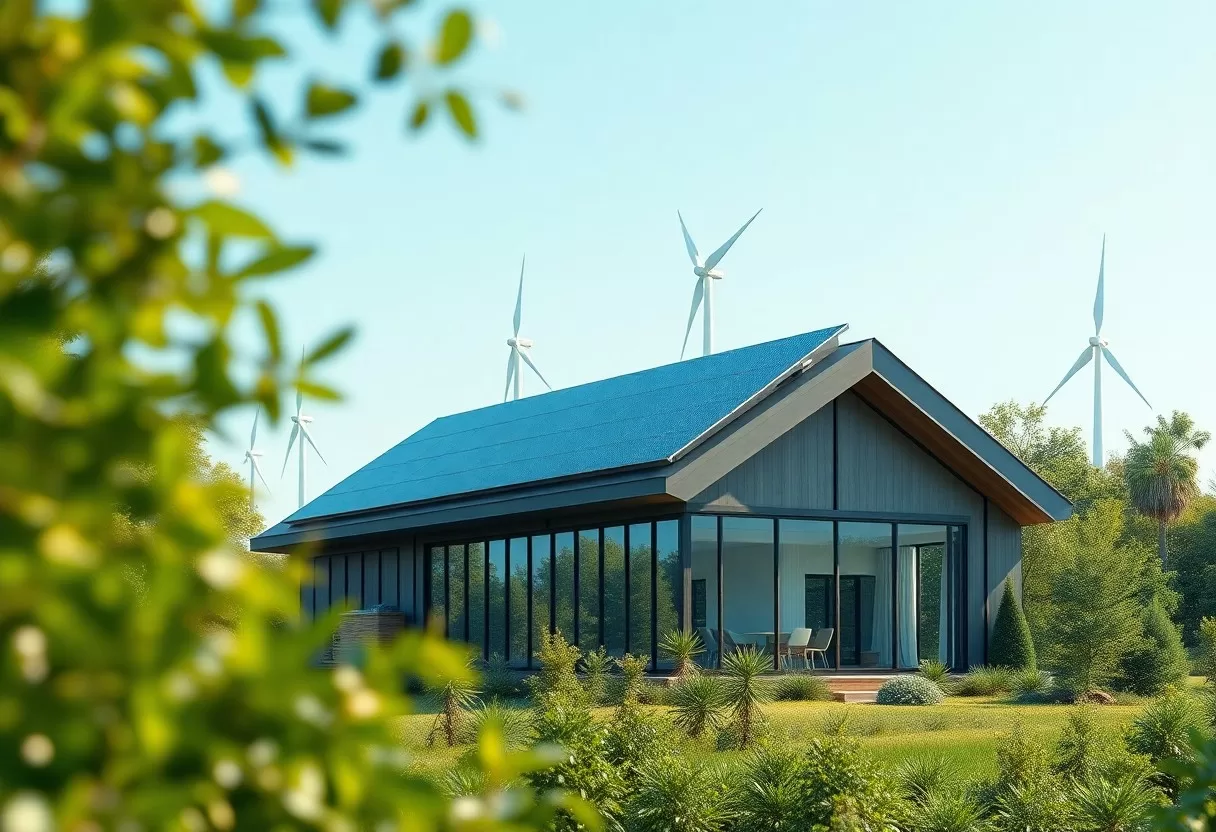
- Net-zero energy buildings (NZEBs) produce as much energy as they use over a year.
- Good orientation, insulation, windows and airtightness cut energy demand before you add any panels.
- Solar panels, and sometimes small wind turbines, supply the energy that remains.
- Smart controls and energy monitoring help you track and fine-tune energy use.
- Architects, engineers and builders need to plan together from the start to hit net-zero targets.
Reimagining Energy Consumption in Building Design
Good design thinking changes how you approach energy use in a building. When you build efficiency into the earliest sketches, you cut running costs and make the building more comfortable. Energy modeling software lets you test options before you build: how much daylight a room gets, how much insulation pays off, and what size of heating and cooling system you really need. Orientation is the cheapest win, so in the Northern Hemisphere put most glazing on the south side, with overhangs to block high summer sun.
The Evolution of Energy Standards
Energy standards have grown from basic efficiency rules into broad frameworks for sustainable building. Early codes set minimum requirements, while current versions of the International Energy Conservation Code (IECC) and ASHRAE standards push for much tighter envelopes and better equipment, and many programs now reward renewable energy as a path to net-zero energy goals. Programs such as the U.S. Department of Energy’s Zero Energy Ready Home give builders a clear checklist to follow.
Integrating Renewable Energy Solutions
Renewable energy is what turns an efficient building into a net-zero one. Solar panels, small wind turbines and geothermal heat pumps let you draw on natural sources and rely far less on fossil fuels. Combined with an efficient design, they let the building produce as much energy as it uses over a year, or even more. The order matters: first cut demand, then size the renewable system to cover what is left, because every kilowatt-hour you save means fewer panels to buy.
Solar photovoltaic (PV) panels are the most common choice. They turn sunlight into electricity, often covering daytime needs, while surplus power is stored in batteries or sent back to the grid under net metering where it is available. Wind turbines only make sense on open, consistently windy sites, so check local wind data first. Geothermal (ground-source) heat pumps handle heating and cooling very efficiently by using the steady temperature of the ground. Together, these systems can help a building meet or beat current energy codes.
The Role of Insulation and Building Materials
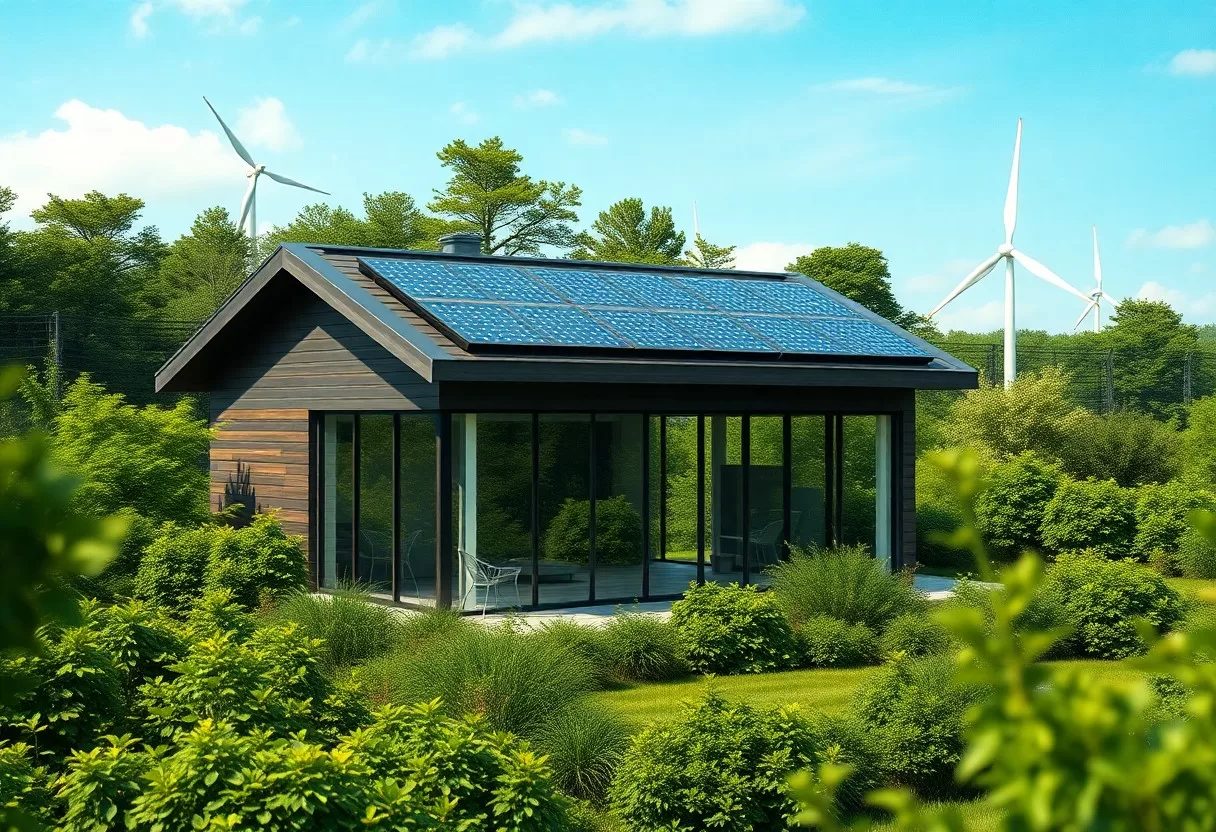
Insulation and building materials are the first line of defense against heat loss and heat gain in net zero energy buildings. High-performance insulation keeps indoor temperatures steady, so heating and cooling systems run less and can be smaller. Airtightness matters just as much: sealing gaps around windows, outlets and framing joints stops drafts that waste energy. Choosing materials with low embodied carbon, and sourcing them locally where possible, also cuts the footprint of making and shipping them.
Innovative Materials Enhancing Efficiency
Newer materials give designers more options. Vacuum insulation panels offer much higher thermal resistance than conventional insulation for the same thickness, which helps where wall space is tight. Phase change materials absorb heat as they melt and release it as they solidify, which smooths out temperature swings during the day. These products cost more than standard insulation, so use them where they solve a real problem, such as thin walls in a renovation.
The Science of Thermal Performance
Thermal performance is about how well a building resists heat flow. R-values measure thermal resistance: the higher the R-value, the better the insulation. Recommended levels depend on your climate zone; in cold U.S. climates, attics are often insulated to around R-49 to R-60. Watch out for thermal bridges, such as studs, slab edges and balcony connections, where heat bypasses the insulation. Good orientation and window placement add free solar heating in winter and natural cooling in summer.
Heat moves through a building by conduction, convection and radiation, and a good design deals with all three. Insulation slows conduction through walls and roofs, air sealing stops convection through gaps, and low-emissivity window coatings reflect radiant heat. Thermal mass, the ability of materials like concrete or masonry to store heat, can even out temperature swings when it sits where winter sun can reach it. Balancing these elements gives you comfort with very little energy, which is the foundation of net-zero performance.
Smart Technologies and Automation in Net-Zero Buildings
Smart technologies and automation help you reach and keep net-zero status. They fine-tune energy use, maintain comfort and make it easy to see whether the building is on track. Using Zero Energy monitoring and control tools, you can follow consumption patterns day and night and spot waste quickly, such as equipment left running overnight. The goal is a close match between the energy you produce and the energy you use, so the building stays at net zero year after year.
Impact of IoT on Energy Management
The Internet of Things (IoT) makes energy management much more practical. Smart meters and connected devices give you real-time data on energy use, so you can see which loads matter most. Smart thermostats learn your schedule and adjust heating or cooling, cutting waste without making you uncomfortable. Circuit-level monitors can show how much the water heater, dryer or EV charger uses. That data helps you decide where to invest next and keeps operating costs down.
The Future of AI-Driven Building Systems
AI-driven building systems are the next step in energy management. They analyze data from many sources, such as weather forecasts, occupancy and utility rates, and adjust operations automatically. A building might pre-cool before a hot afternoon when electricity is cheaper, or charge its batteries when solar output is high. This predictive approach can save energy and reduce a building’s carbon footprint, although the payoff depends on good sensors and a well-designed building to begin with.
Machine learning can keep improving how a building runs over time. These systems adjust lighting, heating and ventilation based on occupancy patterns and conditions inside and out. Predictive maintenance can warn you that a fan or pump is starting to fail before it breaks, which reduces downtime and repair costs. As these tools become more common and affordable, they will help more buildings meet their sustainability goals, from large offices down to single-family homes.
Economic Implications of Going Net-Zero
Investing in net-zero buildings makes economic as well as environmental sense. Upfront costs are usually higher, but lower energy bills, protection from rising energy prices and strong resale appeal often outweigh the extra expense over time. Building codes and buyer preferences are also moving toward energy efficiency, so a net-zero building is less likely to need costly upgrades later. For developers and homeowners alike, that makes net zero a sound long-term strategy.
Cost-Benefit Analysis for Developers
For developers, a careful cost-benefit analysis is the place to start. Net-zero projects may cost more to build, but lower operating costs and growing demand for efficient, healthy buildings can improve returns. Efficient technologies and materials may also qualify a project for incentives, faster permitting in some cities, or green building certification that helps with marketing and leasing. Run the numbers over the full life of the building rather than the construction budget alone.
Long-Term Financial Incentives for Homeowners
Homeowners can often reduce the cost of going net zero with incentives. Tax credits, rebates and grants are available in many areas and can offset part of the upfront cost. On top of that, an efficient home with solar panels has much lower utility bills, so the savings keep adding up year after year. Ask your installer for a payback estimate based on your actual energy use and local rates.
Many programs help homeowners move toward net-zero living. Depending on where you live, federal, state or local programs may offer tax credits or rebates for solar panels, heat pumps, insulation and battery storage. These programs change often, so check the current rules before you sign a contract; in the U.S., the DSIRE database lists incentives by state. Many utility companies also offer rebates for efficient appliances and home energy audits. Combined, these incentives can shorten the payback period and make net-zero living a smart financial choice too.
The Social Responsibility of Sustainable Design
Sustainable design is also part of a wider social responsibility. Buildings use a large share of the world’s energy, so efficient design is one of the most direct ways architects can respond to climate change. It also supports a healthier, more resilient society, in line with the growing focus on ethics in the building industry. Resources such as the Zero-energy building | EBSCO Research Starters overview explain why managing energy and resources in your projects matters for a sustainable future.
Community Engagement in Energy Solutions
Your approach to energy efficiency should involve the communities you serve. Bringing local residents and stakeholders into the design process helps you understand their energy needs, habits and concerns. Community solar projects, shared batteries or neighborhood energy workshops are good examples of what can come out of these conversations. Working together makes sure efficient designs meet local expectations and gives people a sense of shared ownership of the results.
Addressing Social Equity Through Green Architecture
Social equity belongs in sustainable architecture too. Low-income households often spend a larger share of their income on energy, so efficient housing can make a real difference to them. When you design affordable homes with good insulation, efficient heating and solar power, you help make sure the benefits of green building reach everyone, not just people who can pay a premium.
Designs that put equity first tackle unequal access to efficient housing. Affordable housing projects that include green technologies can lower residents’ bills and make homes more comfortable year-round. Solar panels, rainwater harvesting and efficient appliances all help, and they give residents more control over their living costs. Weatherization programs for existing homes, which add insulation and seal air leaks, are another proven way to spread the benefits. In this way, sustainable architecture becomes a tool for fairer access to energy.
Final Words
Designing net zero energy buildings puts you in a good position to lead the move toward a sustainable future. Focus on energy efficiency first, then add renewable technologies, and you cut environmental impact while making spaces more comfortable to live and work in. This balance of comfort, cost and ecological responsibility is what modern sustainable architecture is about. It helps the planet and keeps your designs relevant as standards continue to tighten through the 21st century.
Estimate your path to lower energy use with the energy efficiency savings calculator.
Solar panel size & payback calculator
Estimate the system size, number of panels and payback time for your home.
Frequently Asked Questions
What is a net-zero energy building?
A building that produces as much renewable energy on site as it uses over a year, usually by combining very high efficiency with solar panels.
Can an existing home become net zero?
Often yes, step by step: improve insulation and airtightness, switch to heat pumps, use efficient appliances and add solar. Measuring consumption first shows where to start.
Related Guides
