
Keeping Cities Cool: Europe’s Response to Rising Temperatures
Europe is facing record-breaking heatwaves, with temperatures topping 46°C in parts of the Iberian Peninsula. That kind of heat fuels wildfires, strains power grids and puts older people, young children and anyone without air conditioning at real risk. Cities are responding with practical cooling plans. From shaded Cool Spots in Antwerp to Valencia’s growing network of climate shelters, there are practical solutions designed to give residents relief on the hottest days, and many of the ideas scale down to your own home and garden.
Key Takeaways: Cities Cooling Strategies
- European cities cooling strategies combine trees, shade and water.
- Green infrastructure reduces urban heat islands.
- Homeowners can apply similar passive ideas.
Table of Contents
Urban Innovations: Belgium’s Cool Hotspots
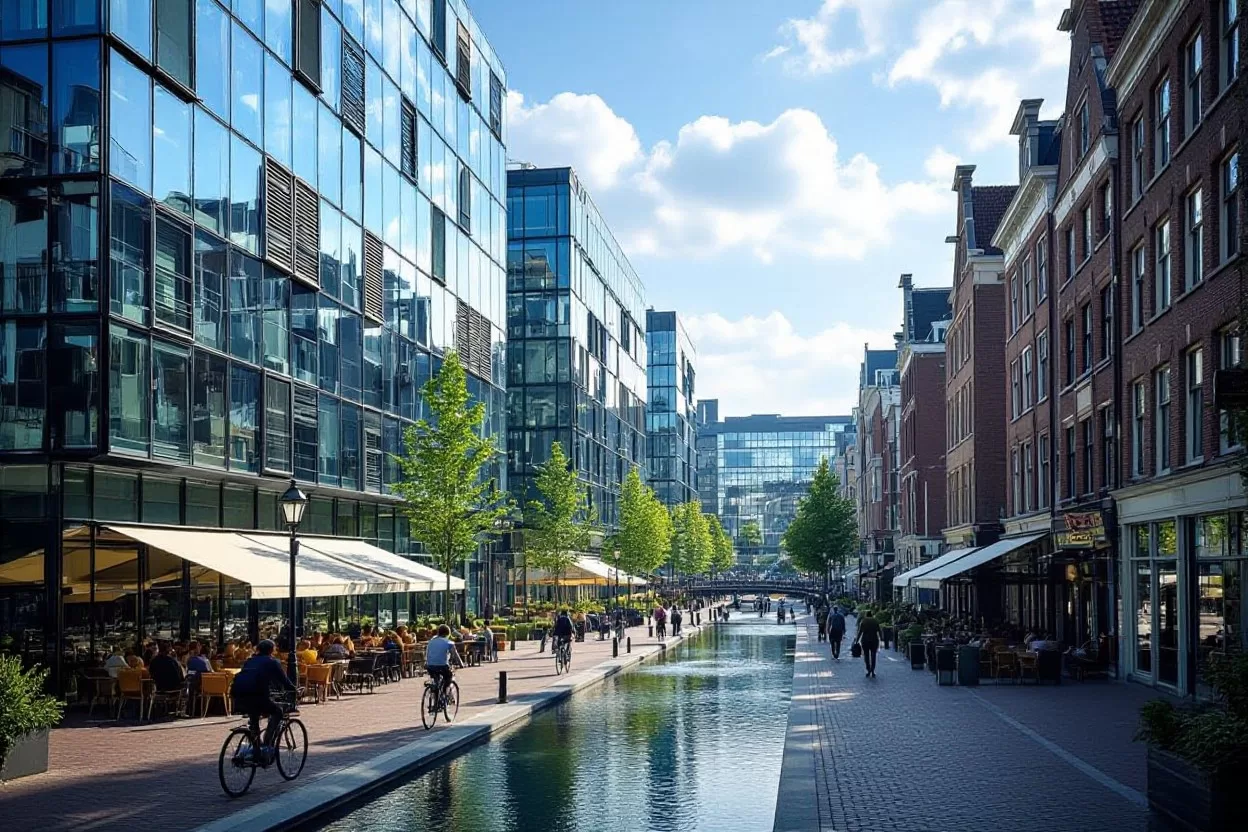
Belgian cities are trying creative ways to cool public spaces and protect residents from extreme heat. Antwerp and Ghent take complementary approaches. Antwerp’s Cool Spots offer immediate shade and respite during heatwaves, while Ghent’s Green Routes aim for long-term sustainability and connectivity through a network of green corridors. Both cities use heat mapping and community input to decide where to act first, with a focus on vulnerable neighborhoods. Together, they show how quick relief and long-term planning can work side by side.
Antwerp’s Cool Spots: Crafting Urban Oasis
Antwerp’s Cool Spots turn small public areas into shaded places to rest, with dense tree canopy, seating and drinking water. Redesigned squares such as Den Bell show how swapping hard paving for trees, planting and water features makes a space noticeably cooler on hot days. The city uses heat maps and the Wet Bulb Globe Temperature index to choose locations, putting children and older residents first. The goal is simple: everyone should be able to reach a cool, shaded spot within a short walk from home.
The Wet Bulb Globe Temperature index is worth knowing about. Unlike a standard thermometer reading, it combines air temperature, humidity, sun and wind into one figure that better reflects how much heat stress the body is under. That’s why a humid 32°C afternoon in full sun can be more dangerous than a dry, breezy day at the same temperature. Planners use it to find spots where shade and airflow will make the biggest difference.
Ghent’s Green Routes: A Path to Sustainability
Ghent is linking the city through a network of Green Routes designed to add tree cover, improve air quality and create cooler paths for walking and cycling. The corridors help reduce urban heat islands and make it easier to get around without a car. They connect parks, riverbanks and street greenery, so you can walk or bike through shade rather than across hot asphalt. Wildlife benefits as well, since the same corridors link habitats across the city.
Running across many kilometers, Ghent’s Green Routes connect neighborhoods with continuous stretches of trees and planting. They double as ecological corridors that support biodiversity while easing heat stress. Along the routes, the city adds rain gardens and permeable surfaces to absorb stormwater and lower flood risk, which matters more as heavy downpours become more common. Shaded, planted streets stay cooler than bare pavement on sunny days, so everyday commutes and walks become more comfortable all year.
Spain’s Strategic Climate Response
Spain is stepping up efforts to protect residents from extreme heatwaves by combining building upgrades with community programs. Cities like Valencia and Getafe go beyond emergency responses and build heat resilience into the urban fabric. The aim is to give vulnerable people access to safe, cool places while physical changes reduce heat exposure overall. For a detailed overview of these city programs, see Cooling the City: How European Cities are Adapting to Extreme Heat.
Valencia’s Climate Shelters Network: A Safety Net for Citizens
Valencia’s Climate Shelters Network turns public buildings into cool refuges during lengthy heatwaves. The shelters offer air conditioning or natural ventilation, drinking water and basic amenities, and they stay open beyond official alert periods. Since its launch, the network has been growing step by step, with a focus on fair access for vulnerable groups. Community training programs like Coolturate build local know-how, pairing low-tech cooling methods with awareness of energy poverty so residents can protect themselves at home.
Getafe Rehabilita: Reviving Urban Spaces for Resilience
Getafe Rehabilita tackles urban heat by improving building insulation and adding green infrastructure in vulnerable neighborhoods. Working with universities and NGOs, the project runs pilots in Margaritas and La Alhóndiga, addressing energy poverty and extreme heat together. Passive cooling and façade retrofits reduce indoor temperature peaks, while outdoor shading and planting make the streets more comfortable. It shows how housing upgrades and public space design can solve two problems at once.
The initiative also includes an action catalogue that builds on lessons from the UIA EPIU Healthy Homes project. It covers techniques such as façade insulation with heat-reflecting finishes, rainwater harvesting to support street greenery, and community workshops on climate-smart habits. The pilot neighborhoods act as living labs, where results are monitored and refined before a citywide roll-out. Pairing building renovation with urban greening is a practical model that other cities can adapt to reduce heat vulnerability.
France’s Fresh Perspectives on Heat Management
French cities are combining quick relief with long-term changes to public space. In Toulouse, the Toulouse + fraîche plan brings together a set of experimental measures, from new shading prototypes to large tree-planting campaigns, with a stated goal of more than 100,000 new trees by 2030. The work focuses on protecting vulnerable groups and reshaping streets and squares. French cities also make practical adjustments on hot days, such as longer pool hours, adapted staff schedules and incentives to use public transport.
Toulouse + Fraîche: Engaging Communities in Thermal Solutions
Toulouse is testing shading structures such as canvas pergolas, Andalusian-style shade sails stretched over streets, and inflatable mobile shades, to learn which work best in different settings. It pairs them with extensive planting, especially around schools and care homes, so vulnerable people benefit first. Longer swimming pool hours and cheaper public transport on hot days encourage people to avoid the worst heat and stay engaged with city life. This mix of design trials and social measures puts residents at the center of the city’s heat response.
The Swimmable Cities Alliance: New Paradigms for Urban Water Use
The Swimmable Cities Alliance wants to make urban rivers, canals and harbors clean enough to swim in, so they can serve as cool, public places during hot weather. In the run-up to the 2024 Paris Olympics, when cleaning up the Seine drew global attention, a large group of organizations from cities in many countries pledged to bring their waterways up to bathing water standards. The idea is to turn neglected water into a shared climate asset that helps people cope with heat.
The alliance’s Swimmable Cities Charter centers on a Right to Swim, framing clean, open water as a matter of fairness and public health. Its principles stress universal access, care for ecosystems and inclusive design. The movement goes beyond restoring rivers. It treats swimming as an everyday climate adaptation tool. Several cities have opened safe swimming zones with water quality monitoring, lifeguards and simple changing facilities, creating lively social spaces that also help people cool off.
The Power of Green Infrastructure: Lessons from Europe
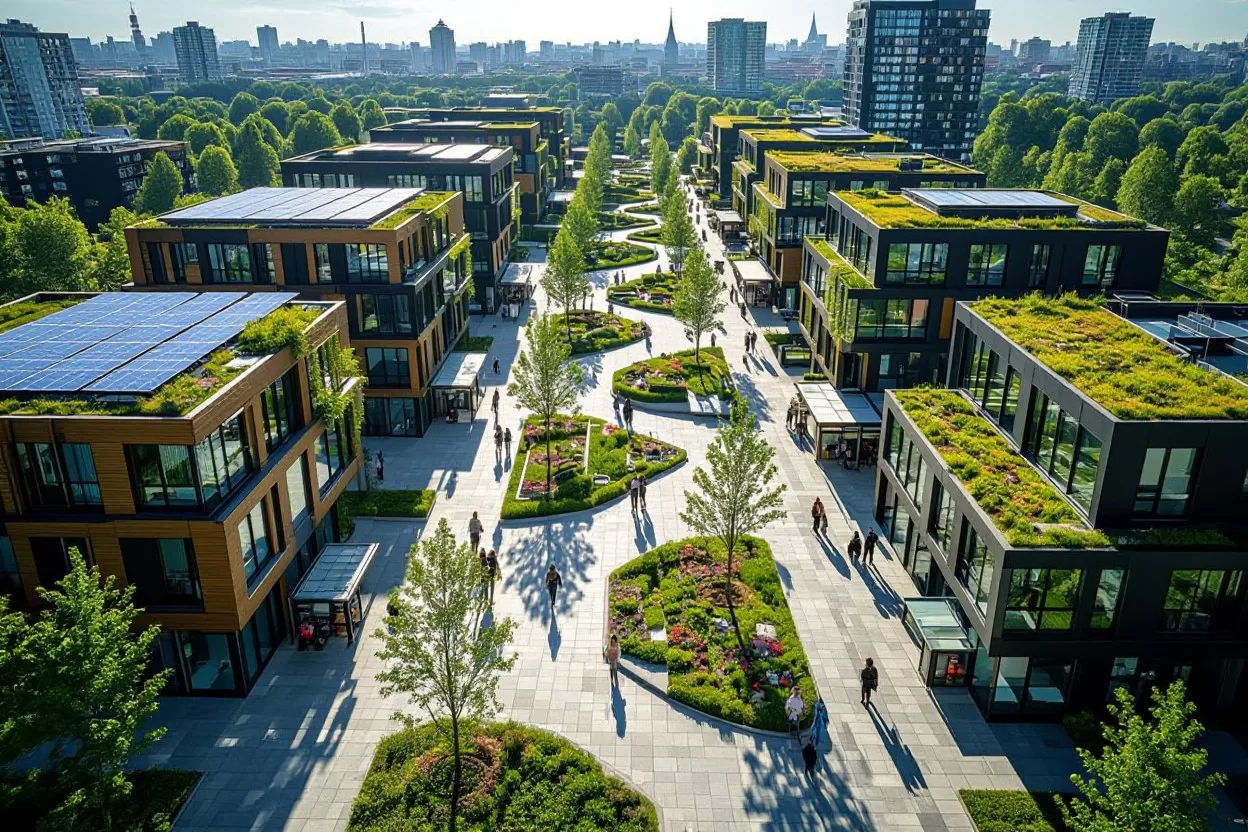
Green infrastructure is proving its worth as a first line of defense against heatwaves. Trees, shaded spaces and water features spread through a city lower air temperatures and improve air quality. Projects like Antwerp’s Cool Spots and Guimarães’ Green Radial Strategy show how nature-based solutions give immediate cooling while also supporting wildlife, managing stormwater and improving well-being. For a global perspective, see how these global cities are better prepared for heatwaves, with practices other places can adapt.
Guimarães’ Radial Green Strategy: A Blueprint for Urban Cooling
Guimarães, in northern Portugal, links heritage preservation with climate action through its Green Radial Strategy. Its green corridors restore river habitats and expand tree cover. The plan creates urban forests and rain-fed meadows that lower temperatures, support biodiversity and manage flood risk. It ties into the city’s 2030 climate neutrality goals, using connected nature-based solutions to fight the urban heat island effect while improving public spaces for residents.
Innovative Approaches to Urban Heat through Nature
Across Europe, cities are trying new nature-based ways to cool their streets, from shaded pergolas in Toulouse to passive cooling and green façades in Getafe. These projects mix technical design, resident input and ecological knowledge, and they aim to share the benefits fairly. When green infrastructure is built into urban planning from the start, one space can provide shade, manage stormwater and support wildlife at once. Natural solutions are now a core part of how cities plan for heat.
Beyond planting trees, cities are using porous pavements, green roofs and water retention basins to improve local microclimates. Getafe’s façade insulation, paired with street greenery, lowers indoor temperatures and reduces the need for energy-hungry air conditioning. Toulouse’s mobile shading structures can move between public spaces and offer quick comfort during heat peaks. Combining nature, simple technology and local knowledge gives cities better tools to handle record heat.
Many of these ideas work at home too. Plant deciduous trees on the south and west sides of your house, so they shade walls and windows in summer and let the sun in after their leaves drop. Exterior shading, such as awnings, shutters or external blinds, blocks heat before it reaches the glass, which works much better than indoor curtains. A light-colored or reflective roof absorbs less heat, and opening windows at night to flush out warm air helps when evenings cool down.
In your garden, swap some paving for planting, gravel or permeable pavers, since hard surfaces soak up heat and release it after sunset. A pergola with climbing plants or a shade sail creates a cooler outdoor seating area, and well-watered planting cools the air a little through evaporation. Indoors, ceiling fans make a room feel cooler for far less energy than air conditioning, as long as you switch them off when you leave.
Reflecting on the Future of Urban Climate Resilience
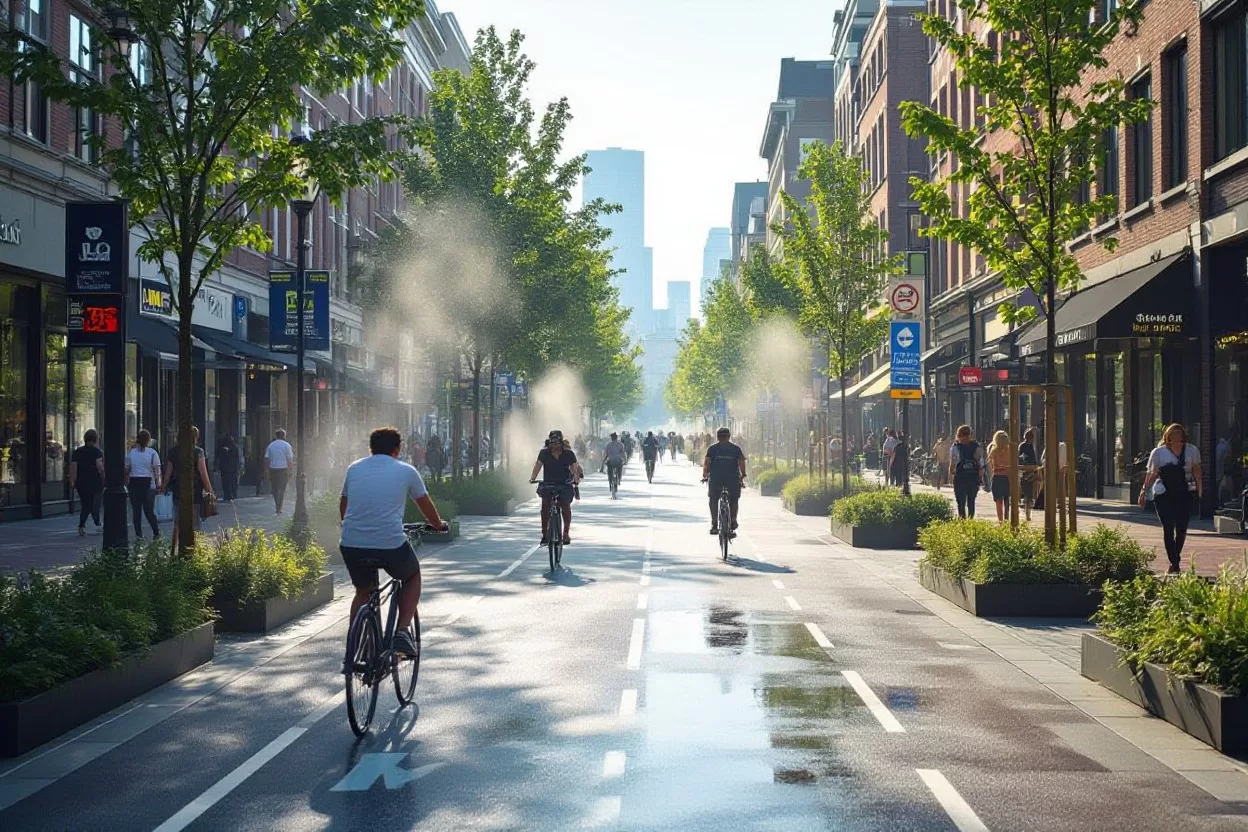
Europe’s cities are adapting quickly as record heatwaves change urban life. Antwerp’s Cool Spots and Valencia’s Climate Shelters show how targeted design, data-driven planning and early action can improve heat resilience. Scaling these ideas up will take steady investment, regional coordination and cooling built into every stage of urban development. Pilot projects and long-term goals, such as Toulouse’s plan to plant 100,000 trees by 2030, show that urban climate resilience is a long-term task that needs flexible governance and community involvement.
The Role of Public Participation in Sustainable Initiatives
Residents shape the success of urban cooling projects, as Antwerp’s co-designed Garden Streets and Valencia’s Coolturate training programs show. Local knowledge and community action help make sure projects address real needs, from older residents living alone to households struggling with energy costs. When residents, NGOs and city planners work together, results are fairer and green spaces are better cared for. People who help design a project are more likely to look after it and adopt simple habits, like closing shutters during the day.
Challenges and Opportunities in a Warming World
Heatwaves are becoming more frequent, with peaks like the 46°C recorded on the Iberian Peninsula. Cities have to balance urgent adaptation needs against tight budgets. Overloaded power grids, higher wildfire risk and social inequality make the challenge harder, but they also push cities to try new approaches. Nature-based projects like Guimarães’ Green Radial Strategy and building retrofits like Getafe’s show how a crisis can lead to lasting improvements in comfort, health and fairness. Public support helps keep these projects funded and moving.
Extreme heat strains critical infrastructure, pushing cities to rethink energy use, water management and emergency plans. Toulouse’s public transport discounts on hot days encourage greener travel, while urban forests cool streets and support biodiversity. Still, balancing upfront costs, technical limits and fair access takes coordinated policy. Longer wildfire seasons, which have forced large evacuations in places such as the area around Izmir in Turkey, call for better land management and clear risk communication. Guimarães shows that historic preservation and climate resilience can go hand in hand.
Sun angle & roof overhang calculator
Size an overhang that blocks hot summer sun but lets low winter sun warm your rooms.
To wrap up
As temperatures rise across Europe, cities are using a wide range of strategies to stay cool and resilient. Antwerp’s greening and Cool Spots, Valencia’s climate shelters and Toulouse’s shading trials all combine immediate relief with long-term adaptation. With community participation and nature-based solutions, cities can reduce heat risks, protect public health and improve quality of life. Staying informed, backing local projects and applying the same ideas at home all help build a cooler, more comfortable future.
See how cooling upgrades could cut your energy bills with the energy efficiency savings calculator.
Frequently Asked Questions
How are cities reducing urban heat?
By adding trees and parks, green roofs, reflective pavements, shaded streets, water features and cooling centers. Many European cities are also redesigning squares and schoolyards to reduce heat islands.
What can homeowners do to stay cool in heat waves?
Shade windows from outside, ventilate at night, use light-colored roofs and walls, plant trees and insulate attics. These passive strategies lower indoor temperatures and reduce air conditioning use.
Related Guides
