
Sustainable Skylines – The Rise of Eco-Friendly Architecture
Eco-friendly architecture is changing city skylines. Green roofs, high-performance facades, renewable energy and low-carbon materials are becoming standard in new buildings, driven by climate goals and lower running costs. Here are the technologies, the economics and the projects leading the way.
Key takeaways
- Eco-friendly architecture is changing what city skylines look like.
- Green roofs, efficient facades and renewables are becoming standard.
- Lower running costs make sustainable buildings attractive.
Table of Contents
Urban Jungle: The Necessity of Sustainable Architecture
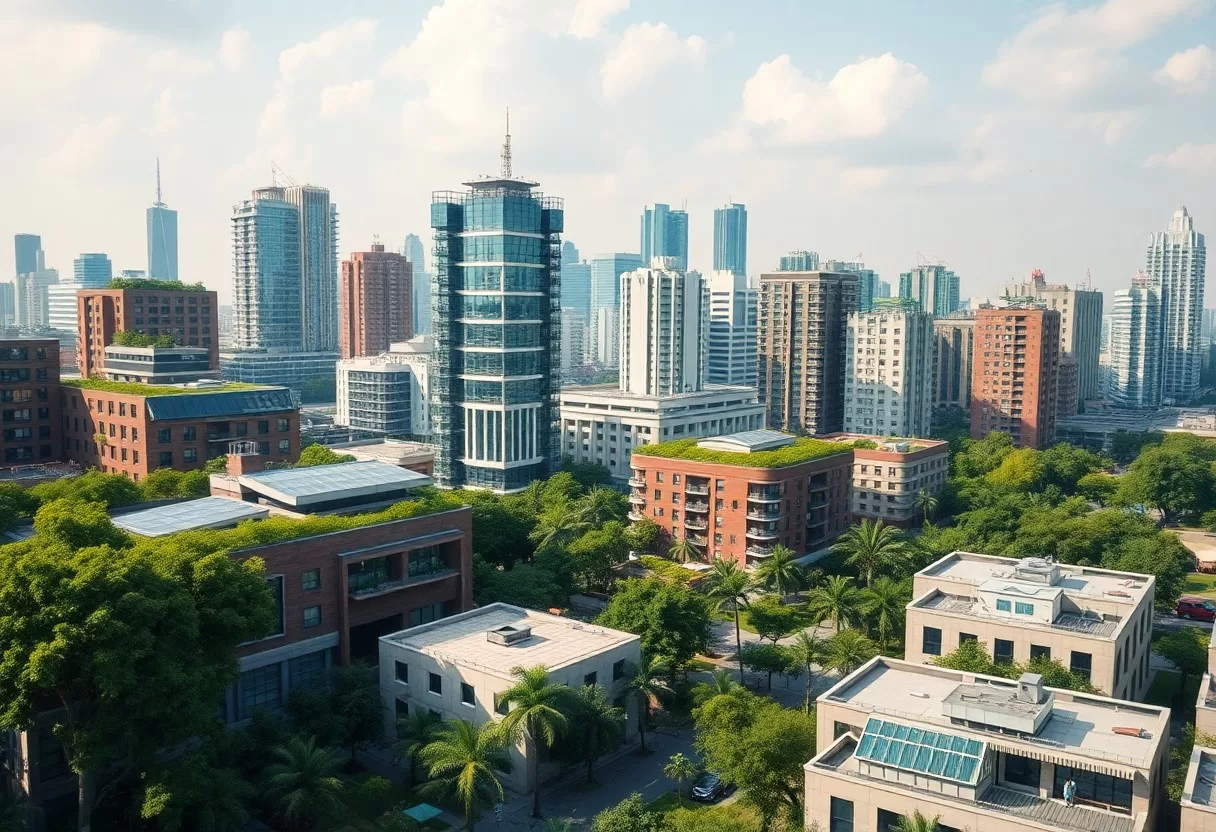
You may not think about it much, but the buildings around you affect both your health and the environment. Sustainable architecture is a direct response. It brings green space, daylight and lower-impact materials into the design, so buildings look good and are healthier to live and work in. Well-planned new structures can cut energy use, reduce emissions and leave room for birds, insects and plants, turning a dense city into something closer to an urban jungle.
Environmental Impact of Traditional Building Practices
Traditional building methods use a lot of non-renewable resources and create a lot of waste. Making cement and steel takes huge amounts of energy and releases large amounts of carbon dioxide. Buildings and construction together are often cited as responsible for close to 40% of global energy-related CO2 emissions, counting both the energy buildings use and the materials that go into them. That’s why architects are looking hard at alternatives with a smaller footprint.
Shifting Urban Populations and Their Demands
City life is changing fast as more people move to urban areas. The United Nations projects that about 68% of the world’s population will live in cities by 2050. That growth calls for buildings that fit more residents while putting energy efficiency and innovative green design first. With higher density and tighter resources, people now expect new developments to be pleasant to live in, cheap to run and connected to the neighborhood around them.
As cities fill up, the pressure on housing, transit and utilities grows. Developers need to meet that demand without adding to the environmental load. Co-housing projects, which share kitchens, laundry and outdoor space, and vertical gardens both make good use of limited land and give neighbors a reason to meet. In that setting, sustainable design stops being a nice extra and becomes the practical way to build.
Green Innovations: Technologies Shaping Eco-Friendly Building
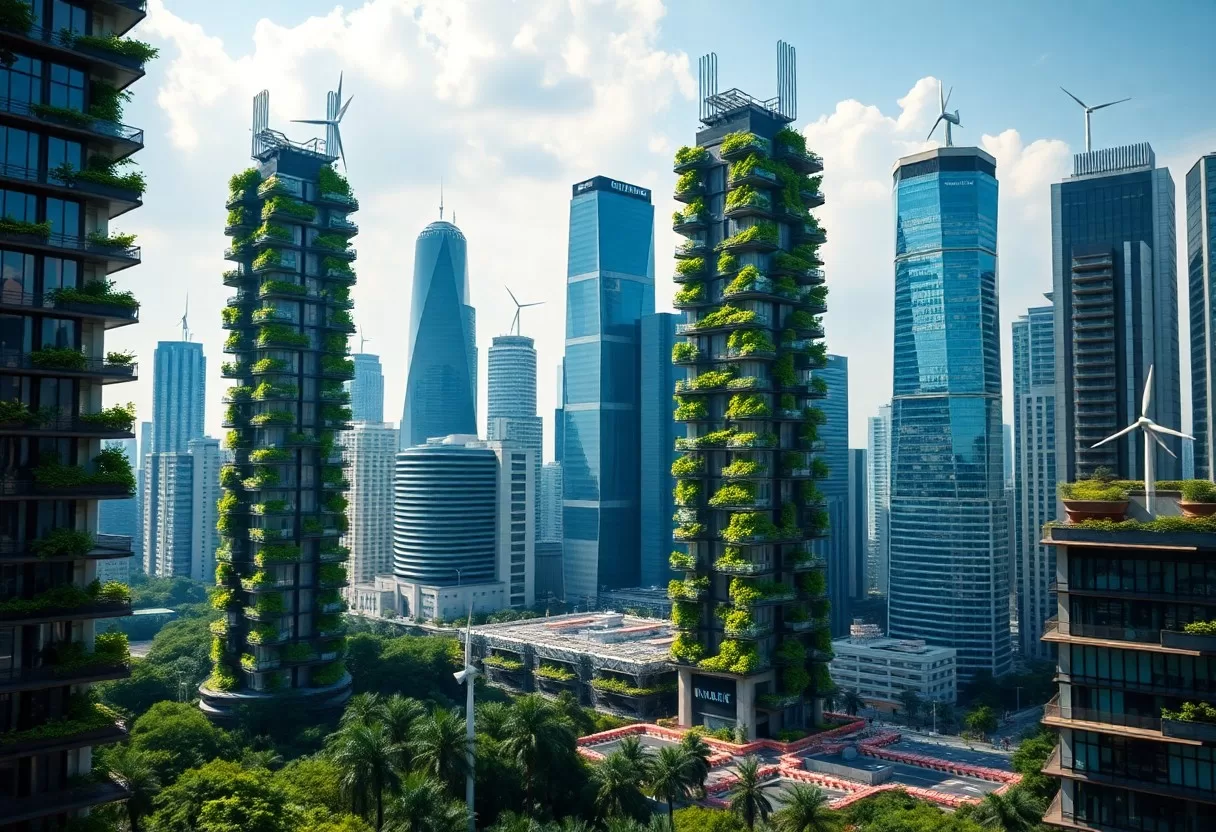
New technology is making eco-friendly architecture easier and more practical. Solar panels can now be built into roofing and facade materials, and heat pumps heat and cool far more efficiently than older furnaces and air conditioners. Smart building systems track energy use and adjust lighting, heating and ventilation as rooms fill and empty. The result is a building that costs less to run and stays comfortable year-round.
Renewable Materials and Their Role in Construction
Using renewable materials in construction lowers a building’s environmental impact. Bamboo, reclaimed wood and recycled metal can replace many traditional materials and reduce the demand for new resources. When you choose finishes, look for low-VOC paints, adhesives and sealants. They release fewer fumes into your home and give you healthier indoor air, which matters in tightly sealed, efficient buildings.
Smart Design Principles that Enhance Sustainability
Smart design principles can do more for sustainability than any gadget. Passive design uses the sun, shade and natural airflow to keep a building comfortable with less mechanical heating and cooling. Green roofs and living walls add insulation and give wildlife a foothold in the city. Most important, a good design responds to the local climate and site, so the building isn’t fighting the weather all year.
In practice, smart design starts with orientation. In the Northern Hemisphere, larger south-facing windows bring in low winter sun, while roof overhangs block the high summer sun. Good insulation and airtight construction keep temperatures steady and cut heating and cooling loads. Add water-saving features such as rainwater harvesting and low-flow fixtures. When these pieces work together, the building is greener and more comfortable for the people inside.
Financial Gains: The Economics of Going Green
Investing in eco-friendly architecture is good for the planet and often good for your budget. Owners usually see lower operating costs, and green features can support resale value. Many regions also offer tax credits, rebates or utility incentives for efficient equipment and renewable energy. As more buyers and tenants look for efficient buildings, green projects are well placed in the market.
Cost Savings Through Energy Efficiency
Energy-efficient buildings cost less to run month after month. Good insulation, efficient heating and cooling, LED lighting and on-site renewables all chip away at utility bills. How much you save depends on your climate, the building’s size and what you’re replacing, so run the numbers for your own project. Over time, those savings can cover much of the extra upfront cost.
If you’re upgrading an existing home, the order matters. Start with an energy audit to find where heat is escaping. Then seal air leaks and add insulation, which are usually the cheapest fixes with the quickest payback. Only after that should you size new heating and cooling equipment or solar panels, since a tighter house needs a smaller system.
The Market Value of Eco-Friendly Properties
Green features can also help a property’s market value. Buyers increasingly ask about energy bills, insulation and solar panels, and a recognized certification such as ENERGY STAR or LEED gives them proof. Lower running costs and healthier indoor air are easy selling points, which can help your property stand out when it’s time to sell or rent.
Efficient homes can also be easier to sell, because buyers understand the long-term savings. Keep records of upgrades, certifications and utility bills so you can show buyers real numbers. A home energy audit or rating report helps too. Choosing green features makes sense for the environment and can be a smart financial move at the same time.
Exemplars of Excellence: Pioneering Projects Redefining Skylines
Projects around the world show what sustainable design can look like. From the vertical forests in Milan to low-energy buildings in Scandinavia, these buildings cut their environmental impact and add character to the skyline. They are good places to look for ideas, because they prove that sustainability and good architecture can go together.
Notable Buildings Leading the Way
The Bosco Verticale in Milan shows how trees and shrubs on balconies can bring greenery to a dense city and give residents a bit of nature at home. In Sydney, One Central Park uses plant-covered facades and a cantilevered heliostat that reflects sunlight into shaded areas below. Both projects show that green features can be a central part of a building’s identity, not an afterthought.
Lessons from Global Eco-Centric Developments
Successful eco-focused projects share a few strategies you can borrow. They use local materials where possible, involve the community early and plan energy systems from the start. Adaptive reuse, which means giving an existing building a new purpose instead of tearing it down, saves the carbon already locked into its structure and keeps tons of debris out of landfills.
The High Line in New York City turned an abandoned elevated rail line into a popular public park, showing how neglected spaces can become green, well-used places. The Bullitt Center in Seattle was designed as a net-zero energy office building, relying on a large rooftop solar array and careful, efficient design. Both projects show that creative ideas and practical sustainability work best together.
The Future of Our Cities: Visionaries and Their Voices
Cities are changing because of designers who put sustainability first. Architects and planners are testing new tools, such as 3D printing and smart materials, to build structures that use less material and respond to their surroundings. What ties this movement together is a shared goal: buildings that look good and are better for the environment, pointing toward a greener future.
Architects and Planners Driving Change
Many architects and urban planners now build renewable energy into their designs from day one. Firms such as Bjarke Ingels Group and Foster + Partners are known for high-profile projects that put sustainability front and center. Biophilic design, which brings plants, daylight and natural materials into buildings, is part of this shift. Paired with a focus on energy efficiency and sustainable materials, it creates places that work for both people and the planet.
Community Engagement: The Key to Sustainable Development
Involving local communities makes sure sustainable projects match what residents actually need. Workshops, surveys and feedback sessions help shape plans before they’re set in stone, and they give people a sense of ownership. When neighbors take part, the final design is more likely to be environmentally sound and to fit the culture and daily life of the area.
Programs like Participatory Budgeting, used in a number of cities, let residents vote on how part of a public budget is spent on local projects. When people help decide, sustainability stops being an abstract goal and becomes practical: a new park, safer bike lanes or trees planted on their street. Shared decisions like these help cities grow into lively, resilient places that reflect the people who live there.
Embodied carbon calculator
Compare the up-front carbon of building a home with different structural materials.
Conclusion
Looking at the rise of eco-friendly architecture, it’s clear that it is reshaping cities into sustainable skylines that serve both the environment and the people living there. Smart design and better materials lead to a healthier planet and a better balance between nature and city life. You can help, too, by supporting green projects and choosing efficient upgrades in your own home. Each step moves cities toward resilient spaces that put the environment and residents’ well-being first.
FAQ
Q: What is eco-friendly architecture?
A: Eco-friendly architecture is the design of buildings that reduce their impact on the environment. It uses sustainable materials, energy-efficient systems and less wasteful construction to lower carbon emissions and create healthier, more comfortable spaces for the people inside.
Q: How does eco-friendly architecture contribute to urban sustainability?
A: Eco-friendly architecture supports urban sustainability by cutting the energy buildings use and the emissions they produce. Green roofs, planted courtyards and parks give wildlife more habitat and help cool hot city streets, and good access to transit, walking and cycling reduces car use.
Q: What are some examples of eco-friendly building materials?
A: Examples of eco-friendly building materials include recycled steel, bamboo, reclaimed wood, straw bales and low-VOC (volatile organic compound) paints. They reduce environmental impact, and many are also attractive and durable when chosen and installed well.
See what efficiency upgrades could save in your own home with the energy efficiency savings calculator.
Related Guides
