
From Garage to Glam – Creative ADU & Garage Conversions That Add Serious Value
Converting a garage into an accessory dwelling unit, or ADU, is one of the fastest ways to add living space and rental income. The structure already exists, but insulation, plumbing, egress and local rules need careful planning. Here are design ideas, permit basics and the numbers behind a successful conversion.
Table of Contents
Key Takeaways: Garage Conversion ADU
- A well-done garage conversion can add value to your home as well as usable living space.
- Smart layouts, good daylight and a clean modern finish make a converted garage feel like a real home.
- Efficient insulation, windows and appliances lower running costs and appeal to renters and buyers.
Understanding ADUs
Accessory dwelling units (ADUs) let you add a second living space on your existing lot. You can use one as a rental, a guest suite, a home office or a place for a family member, and converting an existing structure is often cheaper and faster than building new. Many homeowners like the flexibility, since the unit’s purpose can change as the household does.
Definition and Types of ADUs
ADUs are secondary housing units located on the same lot as a primary residence, often featuring their own entrance, kitchen, and bathroom. Common types include:
- Detached ADUs (stand-alone structures)
- Attached ADUs (integrated with the main house)
- Garage conversions (repurposed garages into livable spaces)
- Above-garage units (living spaces built over garages)
- Basement conversions (finished basements turned into apartments)
Knowing the options helps you pick the type that suits your property, budget and plans.
| Type of ADU | Description |
| Detached | Free-standing buildings on the lot. |
| Attached | Units connected to the main residence. |
| Garage Conversion | Transforming existing garages into living spaces. |
| Above Garage | Living units constructed above garages. |
| Basement Conversion | Finishing basements to create apartments. |
Benefits of Adding an ADU
An ADU can help both your lifestyle and your finances. It can add to your home’s resale value, bring in rental income, and give family members or guests their own private space. Some owners even move into the ADU themselves and rent out the main house, which lets them downsize without leaving the neighborhood.
The financial side is a big draw. Rent from an ADU can help offset your mortgage or pay back the construction cost over time, though how quickly depends on local rents, your build cost and any financing. ADUs also make multigenerational living easier, giving aging parents or adult children a home close by with their own front door. And because you design the interior from scratch inside the existing shell, you can tailor the layout to how it will be used.
Garage Conversion Basics
Converting your garage can add a lot to your property, both in living space and potential rental income. A studio apartment and a home office need very different things, so understanding the process early is key. For a step-by-step walkthrough, see How To Convert A Garage To An ADU In 10 Steps.
Planning and Design Considerations
Good planning makes or breaks a garage conversion. Think about the layout, zoning rules and how the space will be used. A rental unit needs a kitchen, a bathroom and proper insulation to be livable, while an office may only need heat, power and good light. Don’t overlook daylight and finishes, since they shape how the space feels and what it’s worth.
Start with a quick check of the existing structure. Measure the ceiling height, since most codes require about 7 feet in habitable rooms. Look at the slab for cracks or dampness, and find out where the nearest sewer and water lines run. Garage floors usually sit a few inches below the house and slope toward the door, so plan for a raised, insulated subfloor or leveling compound. These details affect the cost more than the finishes do.
Common Challenges and Solutions
Turning a garage into a living space comes with challenges, such as structural limits, plumbing runs and code requirements. Most of them can be solved with careful design. A reliable contractor and some research up front help you spot problems early, when they are cheaper to fix.
Poor insulation and a lack of natural light are the most common complaints in converted garages. Insulate the walls, ceiling and floor early so the space stays comfortable year-round. Add windows or a skylight where you can, and replace the big garage door with an insulated wall and a window or glass door. Talk to your local building department early to confirm zoning limits and keep permitting on track.
Creative Design Ideas
When you rethink your garage, good ideas make the difference. A few well-chosen features can make the space both practical and attractive. For inspiration, browse Garage conversion ideas for extra family space, where you’ll find designs that mix practicality with style and show what a converted garage can become.
Transforming Your Garage Space
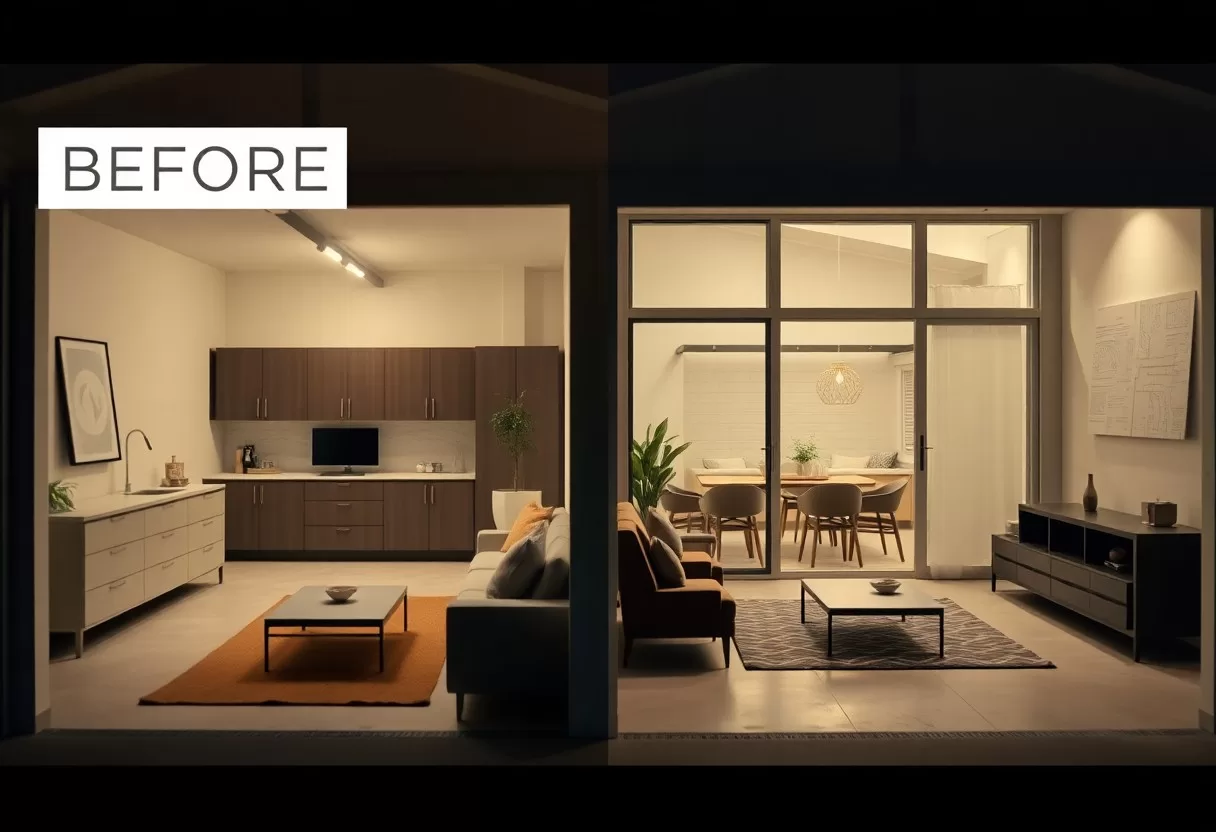
To make the space work, focus on natural light, an open floor plan and multi-purpose furniture. Large windows or glass doors where the garage door used to be bring in daylight and make the room feel less like a garage. Murphy beds, sofa beds and drop-leaf tables help a small footprint do more. A consistent color scheme and durable flooring, such as luxury vinyl plank or sealed concrete, tie it all together.
Maximizing Functionality and Aesthetics
A good conversion balances function and looks. Streamlined cabinets combined with a few open shelves give you storage without clutter. Choose lighting that does real work, like recessed ceiling lights for general light and a pendant over the kitchen counter, so the space feels bright and finished.
Built-in storage and sustainable materials help on both fronts. Built-ins along one wall use space efficiently, and reclaimed wood adds character while holding up well. Plan layers of light, including task lights at the kitchen and desk and dimmable fixtures for the evening, so the space feels comfortable at any time of day. Those choices make the unit more pleasant to live in and more appealing to renters or buyers.
Legal and Regulatory Considerations
Getting the legal side right is essential for any garage conversion or ADU. Local rules, building codes and zoning laws all affect what you can build. Understanding them up front helps you avoid fines and makes sure the new space counts as legal living area, which matters when you rent or sell.
Permitting and Zoning Laws
Your first step is getting the right permits, which vary by city and county. Zoning rules set where ADUs are allowed and may cover setbacks, height limits and parking. Parking rules differ a lot. In California, for example, state law generally doesn’t require you to replace parking lost to a garage-to-ADU conversion. Read your local guidelines carefully or ask the planning department before you change anything.
Code Compliance and Inspections
Meeting building codes is non-negotiable. Codes cover structure, electrical, plumbing, fire separation and safety features. Expect inspections at several stages during construction to confirm the work meets local requirements.
Inspectors check your project from the foundation to the final finishes. Typical stages include framing, rough electrical and plumbing, insulation and a final inspection. They pay close attention to life-safety items such as egress windows in sleeping rooms and smoke and carbon monoxide alarms. Learning these requirements at the start helps you avoid delays and rework. A contractor or designer who knows your local codes can make the process much smoother.
Egress is a common sticking point. Under the International Residential Code, which many US areas use, a bedroom window generally needs a net clear opening of at least 5.7 square feet, with the sill no higher than 44 inches above the floor. If the converted garage is attached to the house, you may also need fire-rated separation between the two units. Check your local version of the code, since many cities add their own rules.
Financial Implications
Look at the full financial picture before you start. That means construction costs, financing options and the effect on your property taxes. Local zoning rules and realistic rent figures for your area help you judge the long-term return.
Budgeting for Your Project
Set a realistic budget. Estimate costs for materials, labor, permits, design fees and utility connections, then add a contingency of around 10 to 20 percent for surprises. Get at least three quotes from licensed contractors and compare what each one includes, not just the total price.
Return on Investment (ROI) Insights
Knowing the likely return helps guide your choices. Whether an ADU adds value, and how much, depends heavily on your local market, the quality of the work and whether the unit is fully permitted. Ask a local real estate agent or appraiser about comparable sales. You can improve your return by adding features renters and buyers in your area look for, such as in-unit laundry, a private entrance and some outdoor space.
A garage conversion can be a smart investment, but returns vary. In areas with strong rental demand, long-term or short-term rent can help pay back the initial cost, though some cities restrict short-term rentals in ADUs. Getting the essentials right, such as a good kitchen and bathroom, sound insulation and full code compliance, makes the unit easier to rent and easier to value when you sell.
Case Studies and Success Stories
Looking at common types of conversions can help you picture what your garage could become. Each one suits a different goal and budget.
- Studio rental: a garage turned into an open studio with a compact kitchen, a full bathroom and a sleeping area.
- Family suite: a converted garage near the main house that gives an aging parent or adult child privacy and step-free access.
- Guest suite or office: a simpler conversion with a bathroom and good light that can later be upgraded to a full rental.
Inspirational Conversions
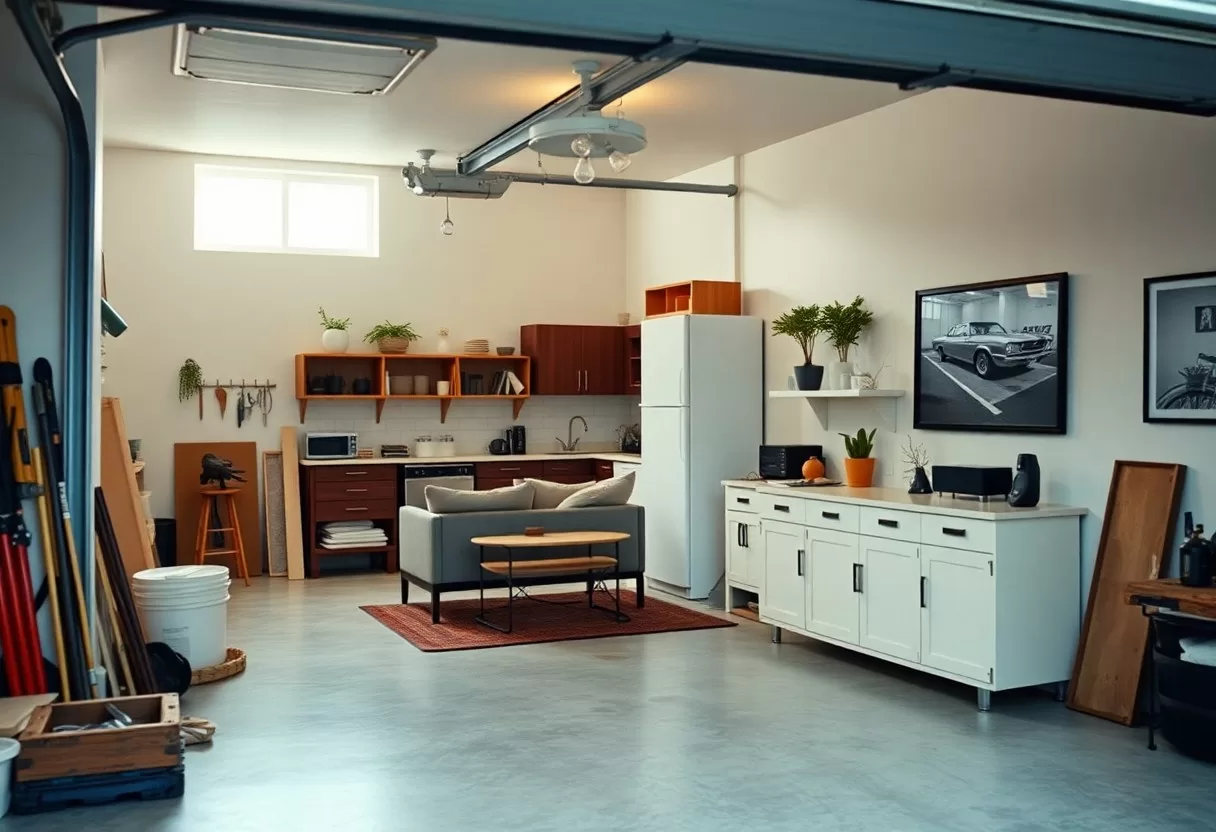
Seeing other conversions can spark ideas for your own. Garages often make good studios or workshops because of their open floor and wide door openings, which can become big glass doors. Exposed rafters and large windows give an airy, creative feel. Some owners use the space for a home business, such as a small studio or teaching space, if local zoning allows it. Your garage may have more potential than you think.
Lessons Learned from Successful Projects
Successful conversions tend to share a few traits. Careful planning, a clear understanding of local zoning and good craftsmanship come up again and again. Energy efficiency matters too. Good insulation, a ductless mini-split heat pump and efficient windows make a small unit cheap to run and appealing to renters who watch their utility bills.
Budget and schedule are where most projects struggle. Surprises are common in older garages, like an uneven slab or undersized electrical service, so keep a contingency fund. An experienced contractor can help you work through local codes and avoid costly delays. The best projects balance good ideas with practical choices, and that is a useful benchmark for yours.
Renovation budget estimator
Get a quick cost range for your project, including a contingency buffer for surprises.
Conclusion
A garage conversion ADU can add living space, flexibility and value to your property. Focus on good design, real function and local regulations, and you can turn an underused garage into a comfortable home that suits your needs and appeals to future renters or buyers. Start with a measured plan and a clear budget, and your garage can become one of the most useful spaces on your lot.
FAQ
Q: What is an ADU and how does it differ from a garage conversion?
A: An Accessory Dwelling Unit (ADU) is a secondary housing unit located on a property with a primary residence. It can be a separate building or a converted space within an existing structure. A garage conversion involves transforming an existing garage into a livable space, which can qualify as an ADU if it meets local regulations.
Q: What are the potential benefits of converting a garage into an ADU?
A: Converting a garage into an ADU can add usable living space for family or guests and, where local rules allow, provide rental income. It may also add to your property’s value, though how much depends on your market and the quality of the work. Reusing an existing structure is often cheaper and less wasteful than building a new unit from scratch.
Q: What factors should I consider before starting a garage conversion project?
A: Check local zoning laws, ADU rules and building codes first, along with permits, parking requirements and whether the slab, insulation, plumbing and electrical service can be upgraded. Set a realistic budget and decide how the space will be used. Consulting professionals, such as an architect or contractor, helps ensure the project meets regulations and turns out the way you want.
Estimate your conversion costs by category with the house renovation cost calculator.
Related Guides
