
Mood Matters – Designing Rooms That Change How You Feel
Room design affects mood more than most people realize. Color, light, layout and contact with nature can make a space energizing, calming or cozy. Here is how each element influences emotions and how to design rooms that support the way you want to feel.
Key Takeaways: Room Design and Mood
- Room design and mood are closely linked through color, light and layout.
- Contact with nature makes spaces feel calmer.
- Design each room for the feeling you want there.
Table of Contents
The Psychological Impact of Color Choices
Understanding Color Psychology
Color is often the first thing you notice in a room, and it shapes how the space feels. Many hues carry common psychological associations: blue tends to read as calmness, while red suggests energy or passion. These links aren’t strict rules, and personal taste matters, but they’re a useful starting point. Think about what each room is for, then pick colors that support that feeling.
Case Studies: Color Schemes That Alter Mood
There’s no magic formula, but some color schemes work reliably in homes. Soft green is restful and pairs well with wood and plants, so it suits spaces where you want to think freely and encourage creativity. Muted blue feels calm and clean, a good fit for rooms where you need focus. Use the examples below as starting points, then test paint samples on your own walls.
Always test before you commit. Paint large swatches, at least two feet square, on more than one wall and look at them in morning, afternoon and evening light. Colors shift a lot depending on which way a room faces. North-facing rooms get cooler, bluer light, so warm whites and soft yellows often look better there. South-facing rooms can handle cooler shades without feeling cold.
- A sage or olive green home office feels calm but not sleepy, a good backdrop for creativity.
- Soft blue or blue-gray suits bedrooms and study corners where you want rest or steady productivity.
- Warm colors like terracotta or a muted red make a dining room feel lively and welcoming for guests.
- A touch of warm yellow in a kitchen or entry adds cheer and a sense of happiness without overwhelming the room.
Lighting: The Emotion-Influencing Power of Illumination
Lighting changes the mood of a room as much as color does. The same space can feel bright and energizing at noon and soft and cozy at night, just by changing the light. Good lighting also makes everyday tasks easier and safer. Plan it room by room, thinking about what you do there and at what time of day.
Designers usually work in three layers. Ambient light, such as ceiling fixtures or recessed lights, fills the room. Task light, like a reading lamp or under-cabinet strips, puts brightness where you work. Accent light, such as picture lights or LED strips on shelves, adds depth and interest. Put each layer on its own switch, and add dimmers wherever you can so you can shift the mood in seconds.
Natural vs. Artificial Light
Daylight tends to lift people’s mood and helps keep your sleep and wake cycle on track. Large windows, skylights and glass doors let more of it in. Keep window treatments light, and place mirrors across from windows to bounce sunlight deeper into the room. Artificial light gives you control after dark, but it rarely feels as lively as the sun. A mix of both works best through the day.
Warm vs. Cool Tones: What Works Best?
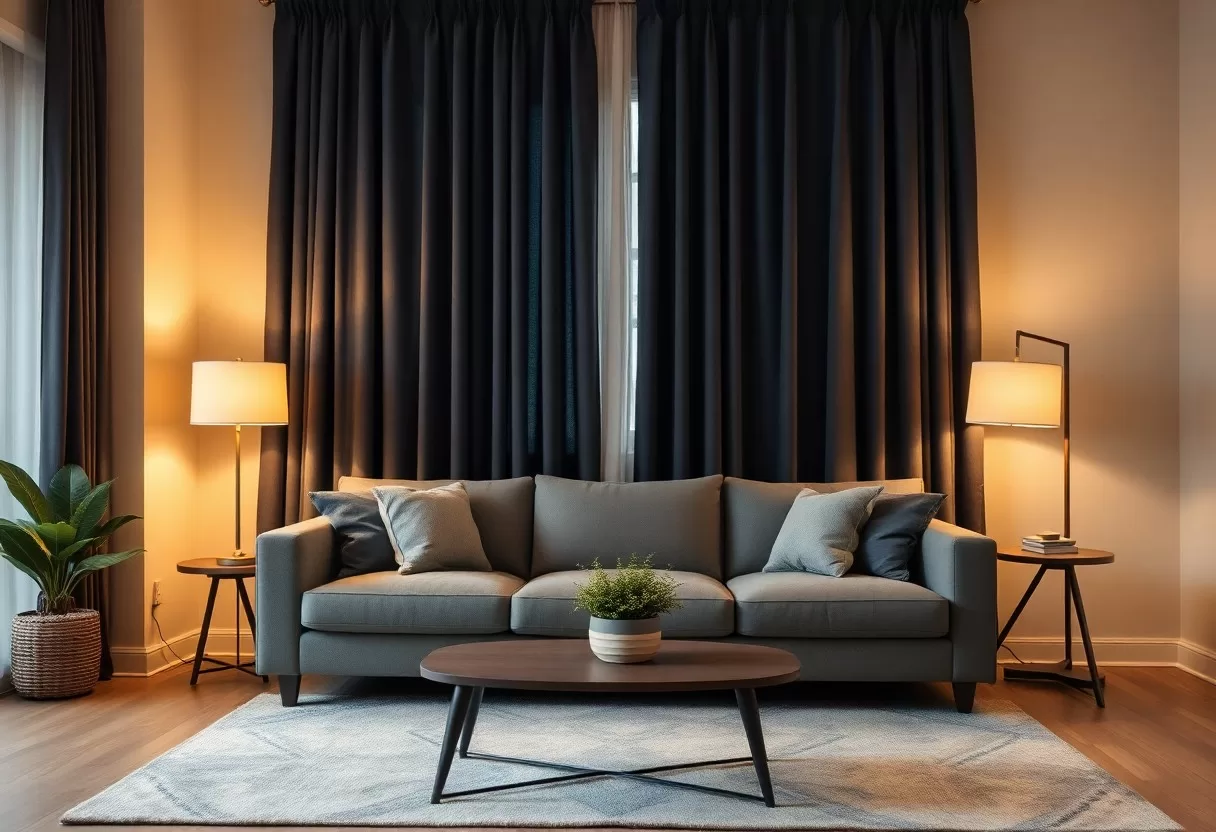
Color temperature makes a big difference. Warm light, around 2700K to 3000K, feels cozy and relaxing, so it’s ideal for living rooms, bedrooms and dining areas. Cool light, around 4000K to 5000K, feels crisp and keeps you alert, which suits home offices, garages and task areas. Check the Kelvin number on the bulb box, and try to use the same temperature within one room so it doesn’t look patchy.
Warm tones, such as soft yellows and oranges, make living rooms and bedrooms feel inviting. People tend to linger and talk longer under warm light. Cool tones feel clean and bright, which helps you concentrate at a desk or prep food in a kitchen. Many homes use both: cool, bright task light over a counter and warm, dimmable lamps nearby for the evening. Tunable LED bulbs let you switch between the two from your phone.
Spatial Design: How Layout Shapes Emotional Well-being
Layout shapes how a room feels as much as color and light. A clear, balanced arrangement makes it easy to move around and relax. A crowded or awkward one can leave you feeling tense without knowing why. Think about how you walk through the room, where you sit and what you look at, because those everyday patterns affect your comfort.
A few standard clearances help. Leave about 36 inches for main walkways and about 18 inches between a sofa and coffee table. Allow at least 24 inches on each side of a bed if you can, and around 36 inches behind dining chairs so people can pull them out. When these spaces are right, the room feels easy to use instead of cramped.
Open vs. Closed Spaces: The Feelings They Evoke
Open plans tend to feel airy and social. They’re great for families who like to cook, eat and relax together. Closed rooms give you privacy and quiet, which is better for focused work, sleep or a phone call. Many homes need both. If your plan is open, you can still create cozy zones with rugs, lighting and furniture groupings, or add sliding doors or bookcases to close off a space when needed.
The Role of Furniture Arrangement in Mood
Furniture placement changes how people use a room. Seats that face each other encourage conversation, while a single chair turned toward a window feels quiet and private. A rough circle of seating, with chairs no more than about eight feet apart, makes talking easy. A straight-line arrangement suits task-focused spaces like a desk wall or a media room.
Think about movement and flow as well. Clear paths through the room keep it from feeling cramped, and nobody should have to walk through a conversation area to reach another door. A comfortable armchair by a window with a small side table and a lamp makes a natural reading spot. Clutter, on the other hand, can make a room feel stressful. Good closed storage keeps surfaces clear, so the space feels calm when you host friends and when you spend a quiet night alone.
Nature’s Influence: Bringing the Outdoors Inside
Bringing natural elements indoors makes most rooms feel calmer. Plants, wood, stone, daylight and views of the outdoors all help. When indoor and outdoor spaces connect, through big windows, glass doors or a patio just outside, your home feels larger and more relaxed. This connection to nature is one of the simplest ways to make a room feel restful.
Biophilic Design: Connecting with Nature
Biophilic design is the name for this approach. It draws on natural forms, patterns and materials. Think organic shapes, wood grain, natural textiles and earthy colors, along with plenty of daylight. Large windows, a green wall or even a group of potted plants help you feel more connected to the outdoors, which many people find helps them stay focused and refreshed.
The Benefits of Indoor Plants for Mental Health
Indoor plants are an easy way to add nature to any room. Many people find that caring for plants and seeing greenery every day helps them feel calmer and happier. Plants also add color, texture and life to a corner that feels flat. Don’t count on them to clean the air in a meaningful way, though; good ventilation does that job much better.
Choose plants that fit your light and your schedule. Snake plants, ZZ plants and pothos tolerate low light and some neglect. Fiddle-leaf figs and rubber plants like bright, indirect light near a window. Water when the top inch of soil is dry rather than on a fixed schedule, since overwatering is the most common way houseplants die. Group a few plants of different heights together for more impact than single pots spread around the room.
Personalization: Making Spaces Reflect Individual Identities
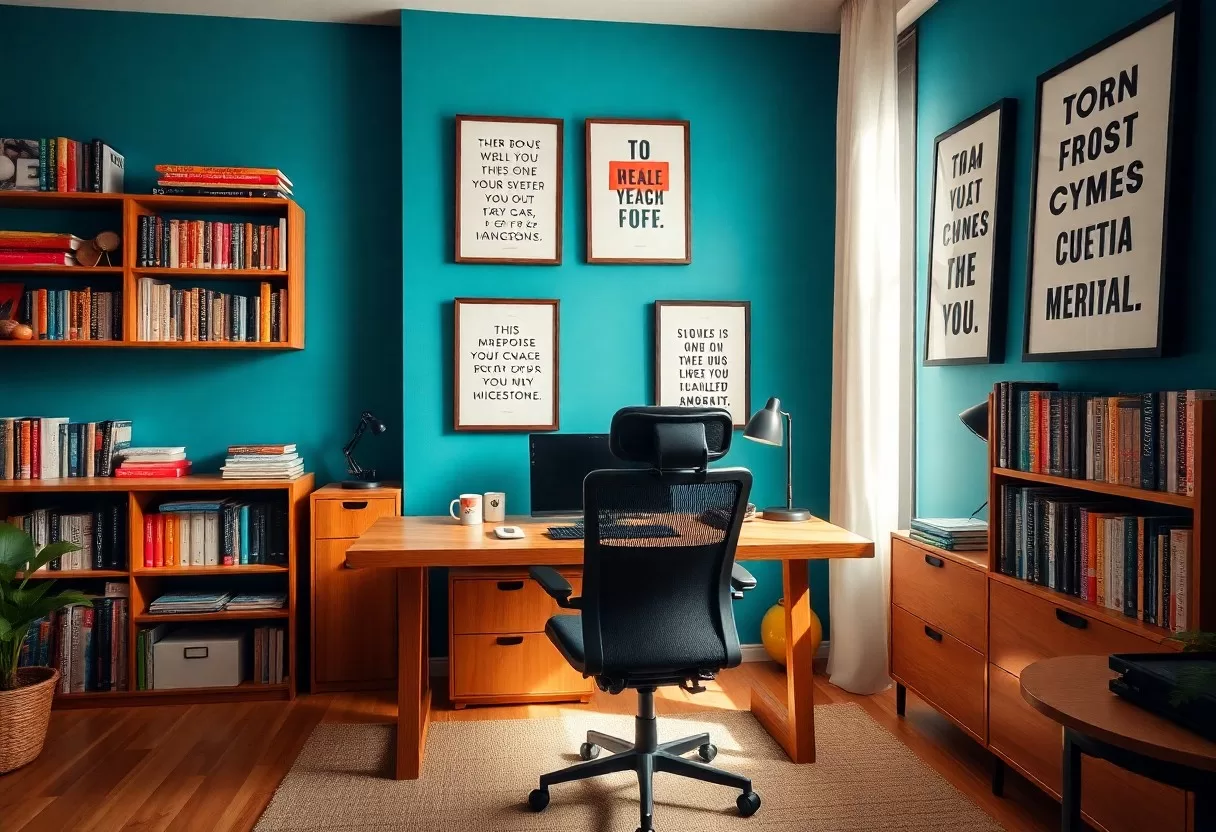
Personal touches turn a nicely designed room into a place that shows who you are. When your colors, objects and furniture reflect your interests and history, the room feels more comfortable and more like home. Display what you love, whether that’s books, travel finds or your kids’ artwork, and the space will reflect you instead of a catalog page.
The Importance of Personal Touch in Design
Meaningful objects add warmth that new decor can’t. Sentimental items, like a family heirloom, a quilt from a grandparent or art from a place you love, give a room depth and make it feel lived in. Group these items so they read as a collection rather than clutter. A single shelf or wall dedicated to them often has more impact than scattering them around the house.
Stories Behind Personalization Choices
Almost every item in your home can carry a story, from a vintage chair found at a flea market to a print by a local artist. Those stories bring back memories each time you see them. They also give guests something to ask about, which makes conversations easier and helps visitors feel welcome.
Think of your home as a place to show your history. A bookshelf filled with favorite novels, a gallery wall of family photos or a rug from a trip all tell part of your story. To keep a gallery wall tidy, lay the frames out on the floor first, keep about two to three inches between them and hang the center of the group at roughly 57 to 60 inches from the floor. Personal pieces like these make your home feel like yours.
60-30-10 color palette generator
Pick a color you love and get a balanced room palette using the designers’ 60-30-10 rule.
To wrap up
Room design and mood go hand in hand. When you understand how color, light, layout, nature and personal touches affect how you feel, you can shape each room around the feeling you want there. Start with one space. Change the bulbs, move a chair, add a plant or repaint a wall, and notice how the room feels afterward. Small, deliberate changes can make your whole home more comfortable and restful.
FAQ
Q: How can color influence the mood of a room?
A: Many people find that warm colors like red and orange feel energetic and cozy, while cooler colors like blue and green feel calmer and more relaxing. Reactions vary from person to person and depend on the shade, the light and the rest of the room, so test samples on the wall before you commit to a palette.
Q: What role does lighting play in creating a mood in interior design?
A: Lighting is one of the biggest factors in how a room feels. Natural light tends to make a space feel bright and cheerful, while soft, warm artificial light makes it feel cozy and inviting. Layering different light sources (ambient, task and accent) lets you change the mood based on the activity or time of day.
Q: How can furniture arrangement affect the emotional feel of a space?
A: The arrangement of furniture shapes how people move through a room and how it feels to be in it. An open layout makes conversation and moving around easier, while a more enclosed grouping feels more intimate and comfortable. Keeping clear sightlines and easy paths also makes the space feel more relaxed.
Test layouts and lighting for each mood in the free 3D room designer.
Related Guides
