
Designing for Pets – Creating a Stylish and Practical Pet‑Friendly Home
Pet-friendly home design keeps animals comfortable without sacrificing style. Durable, scratch-resistant flooring, washable fabrics, built-in feeding and sleeping spots and smart storage make life easier for everyone. Here is how to design a home that works for pets and people alike.
Table of Contents
Key Takeaways: Pet Friendly Home Design
- Choose durable, easy-to-clean materials that stand up to claws, fur and spills.
- Give pets their own spots for sleeping and eating that fit in with your decor.
- Pick multi-purpose furniture that works for both pets and people.
- Store pet food, medicine and cleaning supplies safely and out of reach.
- Design around your pet’s habits, such as climbing spots for cats or a quiet den for anxious dogs.
Understanding Pet Needs
Designing your home with pets in mind starts with how they actually live. A young Labrador, an elderly dachshund and an indoor cat all need different things. Think about your pet’s size, energy level, age and habits. A dog with stiff joints may need a ramp or a low bed, while a cat needs high perches and a quiet spot for the litter box.
Space and Safety Considerations
Give pets enough room to move around freely, and keep main walkways clear so nobody trips over a dog bed in a doorway. Set up a calm zone where your pet can rest without being disturbed. Pet-proof the room as you would for a toddler: tuck away electrical cords, secure trash cans with lids and keep toxic plants, medicines and small objects out of reach.
Think about how your pet moves through the house, too. Dogs often patrol the same routes, such as from the back door to the kitchen, so put durable flooring and washable rugs along those paths. For cats, place the litter box in a quiet, easy-to-reach spot away from food and water bowls, with a little privacy but no risk of being cornered.
Choosing Durable Materials
Durability matters more than almost anything else in a home with pets. Choose fabrics and finishes that resist stains, scratches and wear from claws and paws. Upholstery that’s easy to clean and flooring that shrugs off spills will help your interiors last much longer and look better between cleanings.
Tightly woven fabrics like microfiber and canvas are hard for claws to snag, and pet hair wipes off them easily. Leather doesn’t hold fur or odors and wipes clean, although it will show scratches over time; distressed leather hides them better. For floors, porcelain tile and high-density laminate or luxury vinyl resist scratches, but choose a water-resistant product, since standard laminate can swell if water sits on it. Indoor-outdoor rugs and washable mats add extra toughness in busy areas.
Stylish Pet Furniture
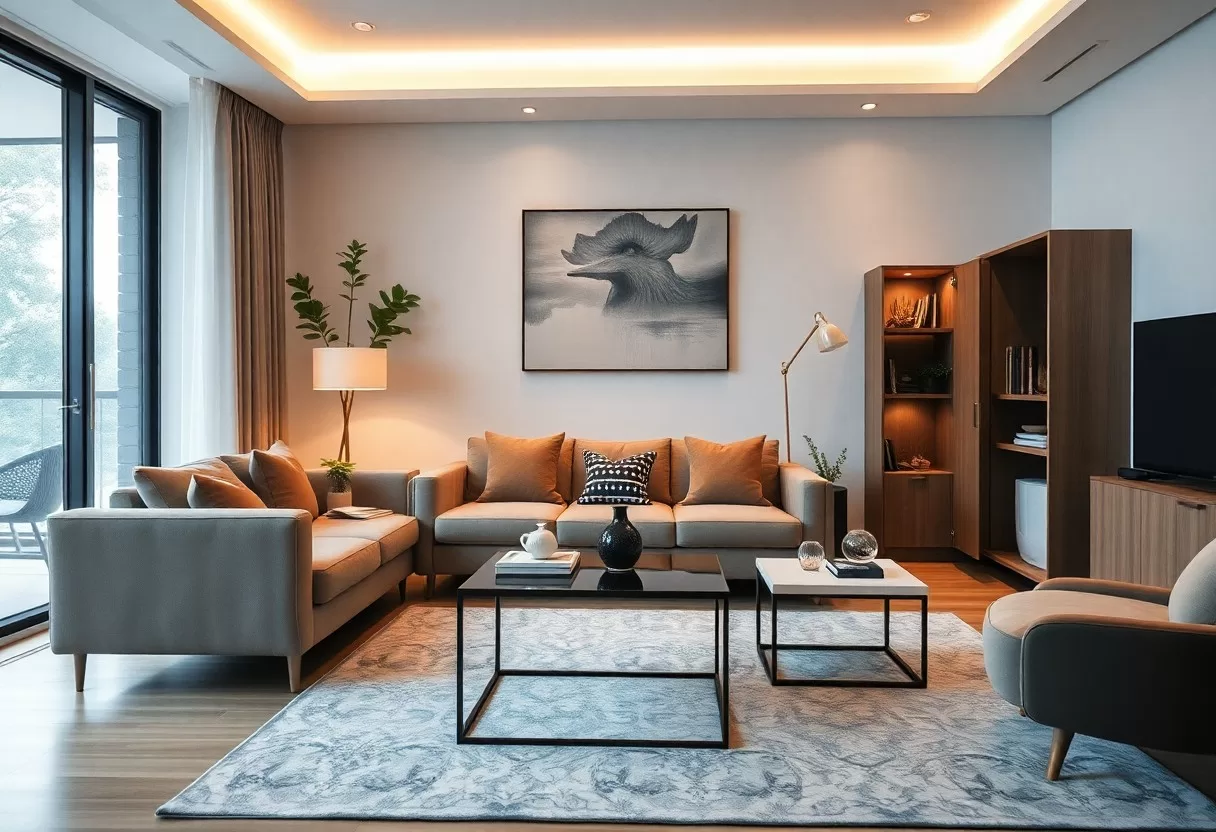
Pet furniture doesn’t have to look out of place. Many dog beds, cat trees and crates now come in simple shapes and fabrics that fit with your decor. Choose a bed with a removable, washable cover and enough support for your pet’s size and age. A crate made of wood or metal that matches your furniture can sit in the living room without looking like an afterthought.
Blending Design with Functionality
Aim for a balance between looks and function in pet furniture. Look for items that do double duty, such as an end table that hides a dog crate or a bookcase with a lower cubby that works as a cat bed. Window seats with built-in storage give cats a sunny perch and give you a place to keep leashes and toys. These pieces fit your design while supporting your pet’s routine.
Multi-Purpose Pet Accessories
Multi-purpose pet accessories save space and keep things neat. A raised feeding station with a drawer for food and treats keeps meals in one place. Lidded baskets or bins that match your other storage hide toys in plain sight. Choose accessories that are easy to wash, sturdy enough for your pet and sized to suit the room.
Good accessories make daily life easier. Collapsible bowls fold flat for walks and trips. Pressure-mounted or freestanding pet gates can block off rooms without drilling into walls, and many come in wood or slim metal that looks tidy. A mat with a raised edge under the food bowls catches spills. Focus on solid materials and simple designs, so each piece works well for your pet and fits the way your home looks.
Pet-Friendly Flooring Options
Flooring is one of the most important choices when you design a pet-friendly home. It should be durable, easy to clean and suited to your style. Luxury vinyl, porcelain tile and quality laminate are popular because they resist scratches and spills. For more inspiration, check out Ideas for a Stylish and Efficient Pet-Friendly Remodel.
Best Materials for Active Pets
For homes with lively pets, luxury vinyl and tile are among the toughest options. They resist stains and scratches and handle the rough play of active dogs and cats. Luxury vinyl is also a bit softer and quieter underfoot than tile. Very smooth, glossy floors can be slippery for older or large dogs, so choose a matte or textured finish and add rugs with non-slip pads in play areas. Wall-to-wall carpet traps hair and odors, so many pet owners prefer hard floors with washable rugs.
Aesthetic Combinations
You can get a stylish look while still planning for pets. Laminate or vinyl with a warm wood look gives you the feel of hardwood with more scratch resistance. Indoor-outdoor area rugs add texture and color but clean up easily. Choose a consistent color palette, ideally one close to your pet’s coat color, so hair shows less between cleanings.
Mixing good looks and durability is easier than it sounds. Textured tile or matte vinyl in a mid-tone color hides paw prints and scratches better than very dark or very light floors. Add washable throw rugs in colors you like, and swap them out when they wear. The result looks put together and stays safe and comfortable for your pets.
Creating Designated Pet Areas
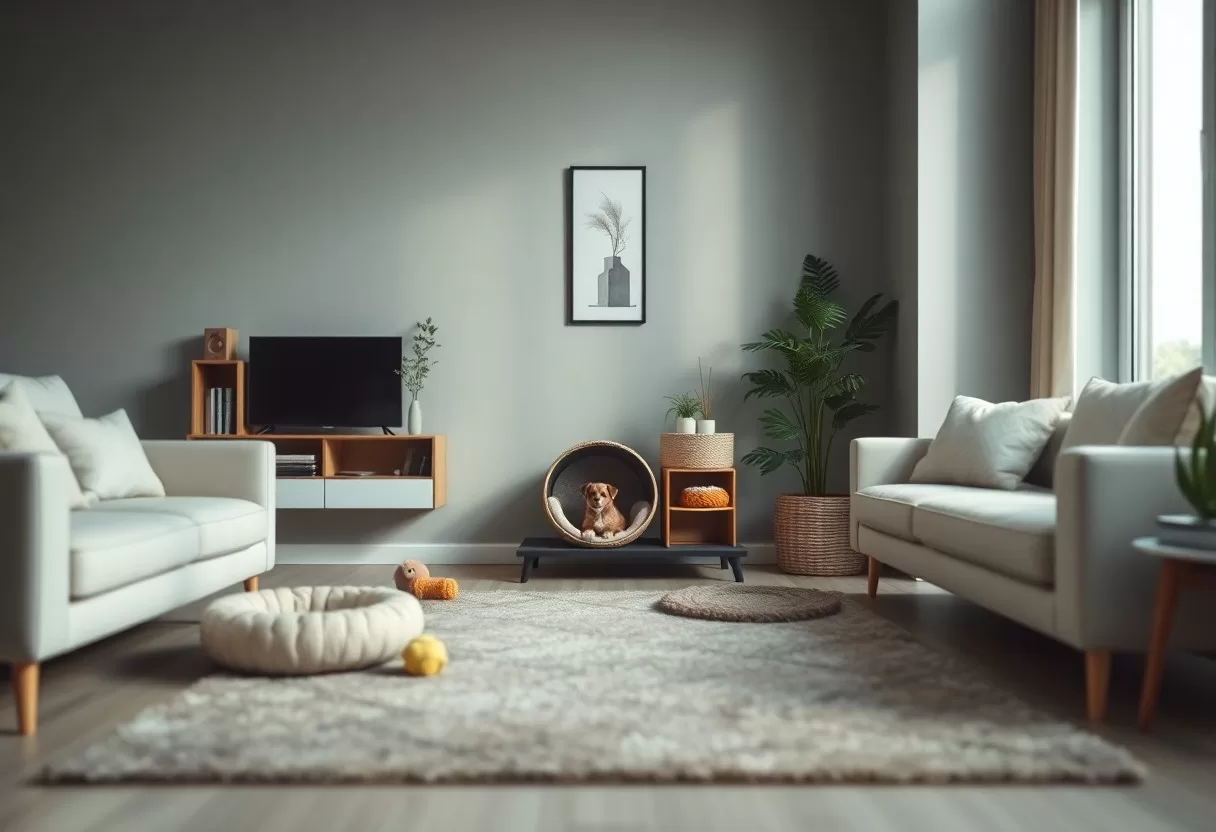
Specific pet zones make your home easier to manage. Feeding, sleeping and play areas keep mess contained and give your pet a predictable routine. You can make these spaces both practical and attractive with washable mats, wipeable surfaces and storage close by. For more tips on getting the balance right, check out How to Create a Pet-Friendly Home Without Sacrificing Style.
Designing a Cozy Pet Space
A cozy pet space should suit your pet’s personality. Most dogs and cats like a quiet corner away from foot traffic but still within sight of the family. Use a bed with sides if your pet likes to curl up, and keep it away from drafty doors and heating vents. A throw in a color that matches your room can protect the bed and tie it into your decor. Keep a small basket of toys nearby.
If you’re building or remodeling, consider built-in pet spaces. A nook under the stairs, a cabinet with the doors removed below a kitchen counter or a low niche in a mudroom can become a snug bed. A mudroom with a dog-washing station, such as a raised shower tray with a handheld sprayer, makes muddy walks much easier to handle.
Incorporating Play Zones
Play zones keep pets active and give them a place to burn off energy. Cats love scratching posts, wall shelves and climbing trees, ideally placed near a window. Dogs benefit from a clear space for tug or fetch and a spot for chew toys. Rubber mats or rugs with non-slip pads give good footing, especially for larger breeds. Built-in shelves or bins keep toys and treats organized.
Add variety to keep play interesting. Tunnels, puzzle feeders and treat-dispensing toys give pets a mental challenge as well as exercise. Rotating toys every week or so keeps them feeling new. Pets with enough physical and mental activity are less likely to chew, scratch or dig where they shouldn’t, which also helps protect your furniture.
Incorporating Natural Elements
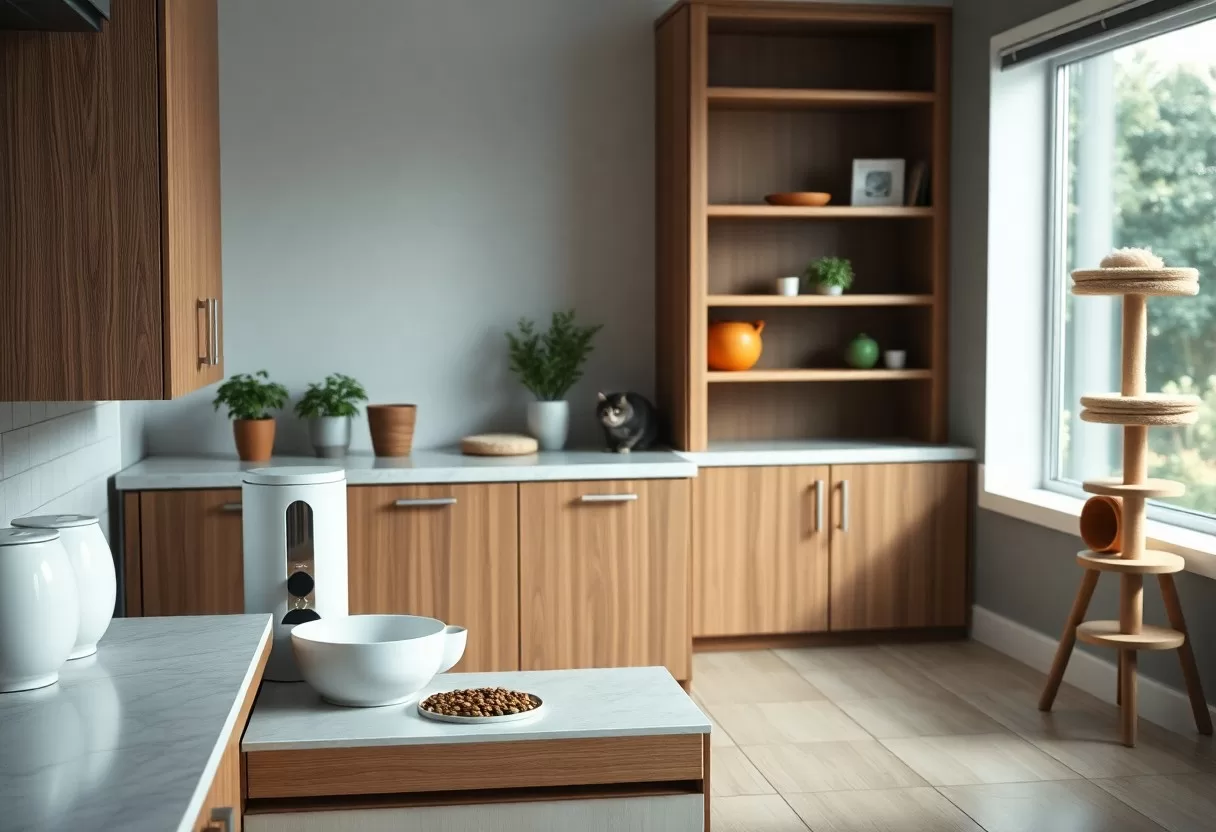
Natural materials make a home feel warm and calm for you and your pets. Wood, stone and natural fibers add texture and are generally durable. Choose sealed wood finishes that resist scratches, tightly woven wool or jute rugs in low-traffic areas and stone or tile near doors where muddy paws come in. Solid wood furniture can be sanded and refinished if it gets scratched.
Using Plants Safely Around Pets
Choose houseplants that are safe for pets. Common houseplants like spider plants, Boston ferns and areca palms are considered non-toxic to cats and dogs, while lilies and pothos are toxic. Lilies are especially dangerous for cats. Check the ASPCA’s list of toxic and non-toxic plants before you bring a new plant home, and place even safe plants where curious pets can’t knock them over.
Natural Light and Its Benefits
Natural light makes a home more pleasant for pets as well as people. Sunlight helps set daily rhythms of sleep and activity, and most cats and many dogs love a warm sunny spot for a nap. Large windows, glass doors and skylights create those spots naturally. A low window seat or a sturdy perch by a window gives pets a place to lounge and watch the world outside.
Make the most of daylight with open layouts, light wall colors and well-placed mirrors. Sheer curtains or light-filtering blinds soften strong sun while still letting your pet bask. Keep an eye on overheating, especially for dogs with thick coats or short noses, and make sure there’s always a shady spot and fresh water nearby. Choose cordless blinds, since dangling cords can tangle pets.
Practical Storage Solutions
Practical storage keeps pet gear organized and your home looking tidy. Ottomans and benches with hidden storage are great places for pet essentials like brushes, blankets and spare toys. Wall-mounted shelves or hooks near the door can hold leashes, harnesses and poop bags. Store food in sealed containers to keep it fresh and away from pests.
Organizing Pet Supplies
Organizing your pet supplies makes daily care easier. Use labeled bins or baskets for toys, grooming tools and food. Keep the things you use every day within easy reach, and store extras higher up. An entryway station with hooks, a small shelf and a towel for muddy paws is a handy spot for leashes and bags, so you’re ready to head out quickly. Keep medicines in a closed cabinet out of reach.
Keeping Your Home Tidy
A simple routine keeps a pet-friendly home clean. Set a regular time for vacuuming pet hair and wiping up messes, ideally a few times a week. A vacuum designed for pet hair and a lint roller by the door make quick work of it. Use washable blankets or throws to protect your furniture, and choose pet-safe cleaning products, since pets walk on and lick the surfaces you clean.
Pet-friendly home checklist
Tick what your home already offers your pets. Unchecked items are easy upgrades for safety and less mess.
Conclusion
A stylish, practical pet-friendly home comes from planning for both your taste and your pet’s needs. Choose durable materials, multi-purpose furniture and dedicated areas for sleeping, eating and play. Keep plants and supplies safe, and plan storage so gear has a home. With those basics in place, your home will look good, stay easier to clean and keep your pets comfortable and safe.
FAQ
Q: How can I create a stylish yet functional space for my pets?
A: Consider integrating pet-friendly materials such as durable fabrics and easy-to-clean surfaces. Choose furniture with sleek lines and neutral colors that complement your home’s aesthetics while providing comfort for your pets.
Q: What are some tips for incorporating pet accessories into home decor?
A: Select pet accessories that blend with your interior design. Use storage solutions like stylish baskets for toys, choose designer pet beds that match your furnishings, and consider decorative feeding stations that enhance the overall look of your space.
Q: How can I ensure my pet-friendly home is safe for my pets?
A: Install pet gates to restrict access to certain areas, use non-toxic plants, and secure loose cords and small objects. Opt for furniture with rounded edges and avoid sharp objects that could pose risks to your pets.
Plan feeding, sleeping and washing spots with the online room layout designer.
Related Guides
