
How to Design a Home That Feels “Custom” Without Hiring Experts
Many homeowners assume a personalized space requires costly designers, but you can achieve a custom look on your own with smart planning and attention to detail. By focusing on cohesive color schemes, purposeful layouts, and unique finishes, your home reflects your taste without professional help. The biggest risk? Inconsistency-but with a clear vision, you avoid mismatched elements and create a polished, intentional result.
Table of Contents
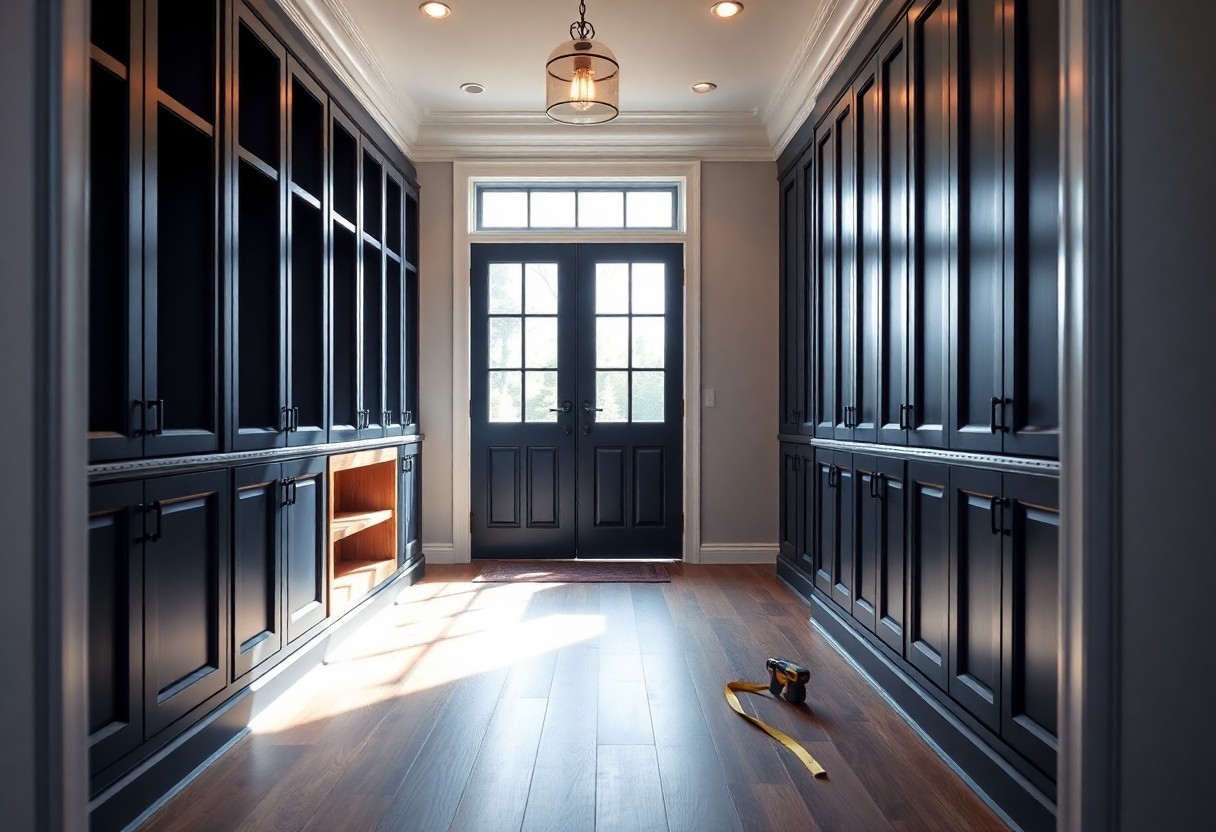
Key Takeaways: Custom Home Look Without a Designer
- Focus on personal details-choose colors, textures, and objects that reflect your daily life and memories, turning your home into a space that feels uniquely yours.
- Invest in a few well-made, timeless pieces instead of filling rooms quickly; letting your home evolve over time creates a more authentic, lived-in feel.
- Use paint, lighting, and layout to define areas and moods; even small changes like a bold accent wall or strategic lamp placement can make a space feel intentional and thoughtfully designed.
Defining Your Aesthetic Vision Factor
Your home’s personality starts with a clear vision, not a decorator’s portfolio. You shape it by reflecting on what spaces make you feel most like yourself. Pull inspiration from places you love-whether it’s a sunlit café, a quiet forest trail, or your grandmother’s living room. Authenticity matters more than trends. Consistency in tone, color, and texture builds cohesion. Clarity in your preferences prevents costly missteps. Recognizing your true style is the foundation of a home that feels uniquely yours.
How to identify your unique interior design style
Start by asking what emotions you want your space to evoke-calm, energy, warmth, or focus. Flip through design platforms and save images that pull you in, then look for repeating elements like color palettes, furniture shapes, or material choices. Notice if you’re drawn to clean lines or layered textures. Over time, patterns reveal your instinctive preferences. Recognizing these subtle cues defines your personal design language.
Tips for creating a professional-grade digital mood board
Use tools like Canva or Pinterest to compile high-resolution images that reflect your ideal space. Include furniture, lighting, fabrics, and architectural details that align with your vision. Limit your color swatches to three to five core tones for cohesion. Arrange elements to show balance and flow. Recognizing visual harmony in your board ensures real-world consistency.
- Select only high-quality images to maintain a polished look
- Group similar textures and tones to test visual compatibility
- Incorporate real product links or specs for future reference
- Label sections with keywords like “coastal minimalist” or “warm modern” for clarity
- Revisit and refine your board as your vision sharpens
Build your mood board like a designer would-intentionally and iteratively. Treat it as a living document that evolves with your confidence. Seeing all elements side by side exposes mismatches in scale or tone before you buy a single item. Recognizing these details early saves time, money, and disappointment down the line.
Mastering Architectural Upgrades Through DIY
You can achieve a custom-built feel in your home by tackling architectural details yourself. With careful planning and the right tools, projects like crown molding, wainscoting, and trim upgrades add character and value without requiring a contractor. Precision matters-measure twice, cut once, and always match your home’s existing lines. The impact of well-executed details surprises even seasoned renovators.
How to install custom wall molding and trim
Start by measuring your walls and choosing pre-primed molding that matches your style. Use a miter saw to cut corners at precise angles and secure pieces with a nail gun and construction adhesive. Caulk seams for a seamless finish, then paint after installation. The transformation makes any room feel thoughtfully designed.
Factors to consider when selecting high-end hardware
- Match the finish to existing fixtures for visual consistency
- Choose durable materials like solid brass or forged steel
- Ensure proportions complement your cabinetry or doors
- Test ergonomics-comfortable grip matters daily
Hardware acts as jewelry for your home, so invest in pieces that feel substantial and align with your aesthetic. The long-term satisfaction comes from quality you can see and feel.
Selecting the right hardware means balancing form and function. Pulls and knobs in matte black, brushed nickel, or oil-rubbed bronze can define a room’s tone. Pay attention to backplates and mounting hardware-cheap screws undermine even the finest handles. Test samples in your space to see how light affects the finish. The difference between generic and refined lies in these subtle choices.
Elevating Your Space with Strategic Lighting
Lighting shapes how you experience every room, influencing mood, depth, and focus without altering walls or finishes. Thoughtful placement and fixture selection allow you to highlight architectural details, guide movement, and create intimacy in open areas. You don’t need built-in systems to achieve a custom feel-just intention and layering.
Tips for layering ambient, task, and accent lighting
Balance is key when combining ambient, task, and accent lighting. Use ceiling fixtures or recessed lights for overall illumination, add under-cabinet or desk lamps for focused work zones, and install picture lights or floor lamps to draw attention to art or textures. The right mix transforms flat spaces into dynamic, inviting environments.
- Start with ambient lighting to ensure even coverage across the room
- Layer in task lighting where you read, cook, or work
- Use accent lighting to highlight decor, shelves, or architectural features
- Control intensity with dimmers and smart switches for mood flexibility
- The perceived size and comfort of your space improves dramatically with layered light
How to replace standard fixtures with statement pieces
Swapping out basic ceiling domes or builder-grade sconces instantly upgrades your home’s aesthetic. Choose fixtures with bold silhouettes, unique materials, or artisan finishes that reflect your taste. The impact far exceeds the effort, making any room feel intentionally designed.
Statement lighting doesn’t require rewiring or professional installation-many plug-in pendants or hardwired replacements can be installed in under an hour with basic tools. Look for sculptural floor lamps, colored glass pendants, or vintage-inspired chandeliers that anchor a space visually. These pieces act as functional art, drawing the eye and defining zones in open layouts. The transformation is immediate and deeply personal, turning generic rooms into spaces that feel uniquely yours.
Customizing Storage and Built-In Solutions
You can create a home that feels uniquely yours without hiring architects or designers. Thoughtful storage and built-in elements add both character and utility. By focusing on your daily routines and spatial needs, you shape areas that look intentional and function seamlessly. The key is personalization-transforming standard solutions into something that feels custom-crafted. Thou can achieve this through smart hacks and careful planning.
How to hack modular furniture for a bespoke look
Start by reconfiguring modular units beyond their intended use-stack shelves sideways or combine cabinets of varying heights. Paint or refinish pieces to match your palette for a unified appearance. Add custom knobs or trim to mimic built-in cabinetry. These tweaks create a tailored aesthetic without custom pricing. Thou can make mass-produced items feel one-of-a-kind.
Factors for designing functional and stylish shelving
Consider room proportions, daily usage, and visual balance when placing shelves. Open shelving highlights personal collections but requires mindful styling. Use durable materials that support weight and resist wear. Align shelf heights with your most-used items for ease. Include lighting or backing for depth and warmth. Thou will enjoy both beauty and practicality.
- Match shelf depth to the items you store-deep for books, shallow for décor
- Anchor tall units to the wall for safety and stability
- Use consistent finishes across nearby furniture for cohesion
- Incorporate negative space to avoid visual clutter
- Install at eye level to highlight favorite objects
Shelving should reflect how you live, not just how it looks in a catalog. Measure your tallest frequently used items before cutting any wood or mounting brackets. Floating shelves give a clean, minimalist impression but need proper wall support. Mix closed storage with open sections to balance accessibility and tidiness. Integrate LED strips underneath for ambient glow and functionality. Thou will find that well-planned shelves become both a storage solution and a design feature.
- Choose wood tone or paint that complements surrounding surfaces
- Allow for flexibility with adjustable shelf pins
- Use bookends or baskets to maintain order
- Highlight with art or greenery for personality
- Ensure proportions align with the wall and furniture nearby
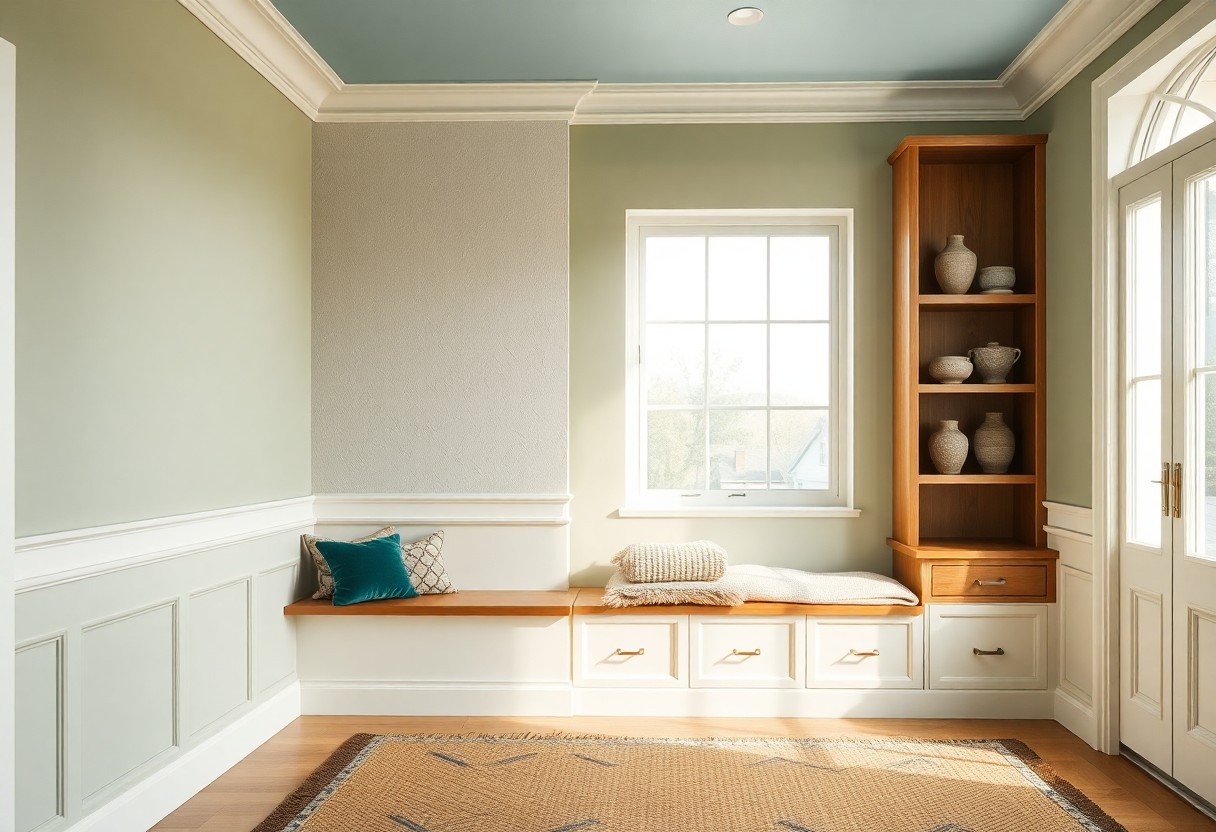
Applying Color and Texture for Depth
Color and texture transform blank walls into living experiences. You don’t need a designer to create depth-just intention. Use layered tones and varied materials to give each room dimension and mood. Explore how simple choices in paint and fabric can make your space feel uniquely yours. For more guidance, check out these 5 Tips for Building a Custom Home that emphasize personal expression from the ground up.
Tips for choosing a sophisticated whole-house color palette
A cohesive color story ties your home together with quiet elegance. Choose neutral base tones and layer in complementary hues that flow from room to room. Limit bold accents to focal areas. After selecting a balanced range, your home will feel intentionally designed, not decorated.
How to mix textiles to create a curated, high-end feel
Different fabrics add warmth and dimension when layered thoughtfully. Combine a linen sofa with a wool throw and cotton-rag rug for subtle contrast. Vary weave and weight, not just pattern. After introducing diverse textures, your rooms will feel collected over time, not staged.
- Start with a dominant fabric like cotton or linen for furniture
- Incorporate natural fibers such as wool, jute, or silk for richness
- Use varied weaves-twill, bouclé, or herringbone-to add visual interest
- Repeat textures across rooms to create rhythm and harmony
- Balance softness with structure, like a velvet pillow on a leather chair
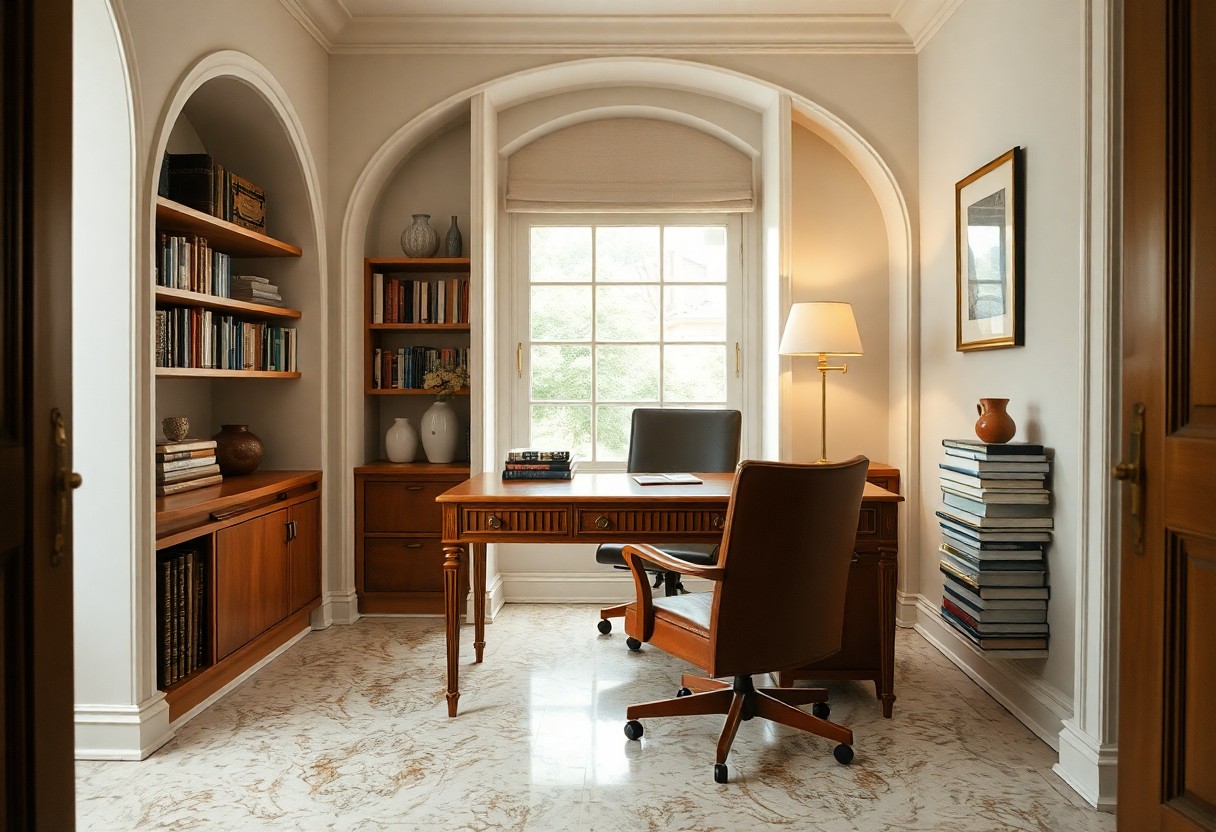
Curating Art and Decor with Designer Precision
You don’t need a decorator to hang art like one. Scale, placement, and personal meaning matter more than price tags. Start by measuring wall space and arranging pieces at eye level-usually 57-60 inches from the floor to the center. Mix framed photos, mirrors, and textiles for depth. For more insight, check out The 5 Keys To Designing Beautiful, Custom Spaces For Every Lifestyle. Any thoughtful choice can transform a blank wall into a statement.
Factors for scaling and positioning wall art correctly
Proper proportions prevent art from looking lost or overwhelming. Match the artwork’s width to the furniture below-ideally 60-75% of its span. Hang pieces at eye level unless creating a gallery wall. Leave 2-3 inches between frames for clean spacing. Any misstep in scale or alignment breaks the flow.
- Wall size dictates how large your art should be
- Furniture alignment anchors floating arrangements
- Eye-level centering ensures natural viewing comfort
- Consistent spacing creates visual harmony
How to style vignettes that reflect your personality
A shelf or console can tell your story. Layer books, small objects, and greenery in odd numbers for balance. Use height variation to draw the eye upward. Include items with meaning-a souvenir, heirloom, or handmade piece. Any arrangement should feel intentional, not cluttered.
Think of a vignette as a snapshot of your life. Begin with a backdrop like a lamp or frame, then add depth with stacked books turned horizontally. Top with a sculptural object or plant. Rotate pieces seasonally to keep it fresh. The goal is cohesion with character-each item earns its place by sparking joy or memory. Any surface can become a personal gallery when styled with care.
To wrap up
Following this approach, you shape a home that reflects your taste by choosing materials, colors, and layouts that align with your daily life. You control the details-built-ins, lighting, finishes-and prioritize craftsmanship over trends. Your decisions, not a designer’s, define the space. A custom feel comes from consistency, intention, and personal meaning, all within your reach.
FAQ
Q: How can I make my home feel custom without hiring a designer?
A: Start by defining your personal style through observation. Walk through your favorite spaces-whether in person or online-and note what draws you in. Is it the color palette, furniture layout, or mix of textures? Use these insights to guide your choices. Paint one wall an accent color that reflects your mood, arrange furniture to create intimate conversation areas, or display meaningful objects like travel souvenirs or handmade art. These small, intentional decisions give a home character that feels uniquely yours, not pulled from a catalog.
Q: What’s the most impactful way to personalize a space on a budget?
A: Focus on walls. Blank walls make any space feel temporary. Instead, create a curated gallery wall using a mix of framed photos, postcards, children’s drawings, or thrifted art. Arrange them in a cohesive layout-like a grid or organic cluster-before hammering nails. Use consistent frame colors or matting to unify the look. Add floating shelves to display books, plants, or small sculptures. These elements tell your story and make the space feel lived-in and intentional, without requiring expensive renovations.
Q: Can furniture choices really make a home feel custom?
A: Yes. Avoid matching sets. Instead, mix and match pieces from different sources-vintage stores, family hand-me-downs, and modern retailers. A mid-century sideboard paired with a rustic farmhouse table and a contemporary lamp creates visual interest. Reupholster old chairs with bold fabric, or paint a dated dresser in a rich tone that ties the room together. The goal is to build a collection over time that reflects your journey, not a single shopping trip.
Q: How do lighting and textiles influence a custom feel?
A: Lighting sets the mood. Swap out builder-grade ceiling fixtures with unique pendants or sconces. Use layered lighting-overhead, task, and accent-to add depth. A floor lamp in the corner, a table lamp on a sideboard, and string lights behind a curtain create warmth. Textiles like rugs, curtains, and throw pillows add softness and color. Layer a vintage rug over a neutral one, hang linen curtains with simple clips, or sew your own pillow covers. These layers make a space feel thoughtfully assembled, not staged.
Q: Is it possible to design a custom-feeling home while renting?
A: Absolutely. Renters have more flexibility than they think. Use removable wallpaper on a single wall or inside bookshelves for instant character. Adhesive hooks and tension rods allow for curtains, plants, and art without damaging walls. Invest in area rugs to define spaces in open layouts. Choose freestanding room dividers or tall plants to create privacy. When you move, take your personal touches with you. A rental can feel like home when it reflects your taste, not just the landlord’s paint color.
Try built-ins, lighting and furniture placements in the free 3D room designer before committing to any DIY upgrade.