
Dog Washing Stations & Pet Spas – Grooming Areas That Blend Into Your Home
A dog washing station saves your bathroom, your back and your floors. With non-slip flooring, adjustable water temperature, good drainage and smart storage, a pet spa can be practical and still match the style of your home. Here is how to plan one, from plumbing and ventilation to finishes and safety.
Table of Contents
Key Takeaways:
- Integrate design and placement with existing laundry, mudroom, or bathroom layouts using matching finishes, concealed plumbing, and built-in storage to keep the space cohesive with the home.
- Prioritize functionality and safety with non-slip surfaces, adjustable-height tubs, handheld sprayers, proper drainage, and easy-to-clean materials to simplify grooming and protect pets.
- Choose home-friendly aesthetics and multi-use features that reduce indoor mess, add convenience, and can enhance resale value by presenting the grooming area as a purposeful, attractive part of the home.
Planning & Design Principles
You should prioritize workflow, materials and safety: route wet zones near existing plumbing, specify non-porous surfaces like FRP or tile, and design a linear flow from soiling to drying to storage. Aim for ergonomic heights (tub tops usually 30-36 inches) and a gentle floor slope (about 1/8-1/4 in/ft) for drainage. Emphasize slip resistance, GFCI-protected electricals and ventilation to control moisture and odors.
Assessing space, workflow and pet needs
Measure clearances and map tasks: allow at least 36-42 inches of clear aisle for handlers, 6-8 feet of linear staging for wet-to-dry flow, and a separate containment zone for reactive animals. If you groom multiple sizes, plan a low-entry tub and a raised tub, and include a quiet drying alcove to reduce stress. For heavy-duty use, plan storage within 3-5 feet of workstations for shampoos, towels and tools.
Sizing, placement and multi-pet considerations
Pick tub dimensions by pet size: small dogs do well in 20×12-28×18 inch tubs, medium-to-large need 36×48 inches or larger; raised tubs at 30-36 inches save your back. When you expect more than two pets per session, install dual bays or one extra drying station so you can stage animals efficiently; many high-use setups use two tubs per grooming table to avoid bottlenecks.
For multi-pet flow, place tubs adjacent to a common drying wall and install 8-12 foot hoses and retractable reels to reach any corner. Use a dedicated 2nd drain or increase drain capacity if you bathe multiple dogs back-to-back, and specify chemical-resistant grout and anti-slip flooring. Add removable grooming arms rated for 25-50 lbs and position storage cabinets within arm’s reach to speed turnaround and reduce handling stress.
Plumbing, Drainage & Ventilation
You should size supply lines to hold 40-60 psi and aim for 1.5-2.5 GPM at the spray head, fit a thermostatic mixing valve set to 120°F to prevent scalding, and add a hose-bib vacuum breaker to stop backflow. Mount a recessed reel or swivel faucet for tidy hose management and a wall-accessible clean-out for maintenance. For layout ideas and built-in examples see What are some ideas for built-in dog wash stations?
Water supply, temperature controls and hose integration
You’ll want supply lines that maintain 40-60 psi, a thermostatic mixer set to 120°F, and quarter-turn isolation valves for fast shutoff. Use flexible 1/2″ supplies and a 6-12 ft anti-kink hose on a recessed reel or wall bracket; choose a pistol-grip nozzle with flow settings (1.5-2.5 GPM) for rinsing. Fit a hose-bib vacuum breaker or backflow preventer at every external connection to protect potable water.
Key water & hose specifications
| Supply pressure | 40-60 psi steady |
| Temperature control | Thermostatic mixing valve, max 120°F |
| Hose | 6-12 ft anti-kink, braided; 1.5-2.5 GPM nozzle |
| Valves | Quarter-turn ball valves for isolation |
| Backflow | Hose-bib vacuum breaker or dedicated backflow device |
| Mounting | Recessed reel, swivel faucet, or wall bracket |
Drains, traps, waterproofing and odor control
You should slope floors at 1/4″ per ft toward a durable floor drain (commonly 2″ or larger), fit a P-trap with a minimum 2″ trap seal where required, and use removable hair/debris strainers to prevent clogs. Waterproof the room with a continuous membrane up the walls at least 6″ and choose non-porous finishes; failing to maintain a trap seal risks sewer gas and odors.
Provide accessible clean-outs and a trap primer or automatic primer where drains sit unused so the P-trap seal never dries out; electronic or mechanical primers add small volumes of water after nearby fixtures run. Install a removable hair basket ahead of the trap to catch fur, and place the floor drain on a branch with a proper vent to avoid gurgling. For heavy-duty or commercial-style spas consider stainless trough drains with welded flanges and a dedicated gray-water path for easy cleaning and maintenance.
Surfaces, Materials & Finishes
Choose materials that perform as well as they look: porcelain tile (<0.5% water absorption), quartz or solid-surface counters, and stainless steel or molded polyethylene tubs resist stains and odor. You can study successful layouts in Five Pet Washing Stations That Will Make Bath Time … for real-world examples of integrated finishes and space-saving details that keep a pet spa feeling like part of the home.
Durable, non-slip flooring and wall solutions
Install textured porcelain tile, commercial-grade rubber sheet (3-5 mm), or safety vinyl with welded seams for wet traction; use epoxy grout and a gentle 1/4″ per foot slope toward a central drain to prevent pooling. Walls benefit from tile wainscoting or PVC-backed panels up to 48″ to stop moisture intrusion and simplify rinsing after muddy baths.
Easy-clean tubs, countertops and protective coatings
Pick stainless steel (304 or upgraded 316 for coastal homes), molded polyethylene tubs, or quartz counters with coved edges for seamless cleaning; finish metal with a clear protective coating or electropolish to reduce scratches. Solid-surface materials let you form rounded transitions so hair and soap wash away instead of catching in seams – a big time-saver between clients.
For maintenance, wipe tubs and counters after each use and perform a weekly deep clean: a pH-neutral detergent followed by a 1:10 bleach solution for disinfection works on most non-porous surfaces; avoid harsh acids on quartz and reapply protective topcoats annually on high-wear stainless or composite finishes to preserve corrosion and scratch resistance.
Storage, Tools & Workflow
You’ll want built-ins that keep gear accessible: 24-30″ deep cabinets, labeled pull-out drawers for shampoos, and open shelves for folded towels. Install a lockable cabinet for chemicals and GFCI-protected outlets near work zones. Add wall hooks, magnetic scissor strips and cord reels so tools don’t clutter counters. Good ventilation rated ~200-300 CFM and non-slip flooring complete a safe, efficient space where every item has a place.
Built-in storage, drying stations and grooming tool organization
Place heavy items low and frequently used tools at eye level: 3-5 adjustable shelves, 12-18 labeled bins for accessories, and a pull-out laundry hamper sized for 20-30 lb loads. Integrate a heated drying drawer or shelf for towels and a dedicated downdraft or forced-air drying station with hose management. Use magnetic strips and cord wraps to secure clippers and shears so your counters stay clear and tools last longer.
Efficient workflows: bathing, drying and staging areas
Design a linear flow-wash, rinse, dry, brush, stage-to minimize backtracking: place the tub within 6-8 ft of a drying station and the grooming table downstream. Aim for 10-20 minutes per small dog and 30-45 minutes for larger breeds when workstations are optimized. Include a gated staging area for 2-4 pets and 6-8 ft retractable hoses so you keep movement smooth and safe.
Consider layout choices: a straight-line setup handles steady throughput, while an L-shape lets one person bathe while another dries. Adding a second drying shelf or a 36″ wide grooming table can boost capacity-many small spas see a ~40% increase in throughput by splitting drying and bathing zones. Prioritize ventilation, downdraft drying, and reachable storage to keep cycles short and reduce stress on pets and staff.
Safety & Accessibility
Safety planning ensures you prioritize non-slip surfaces, clear walkways and reachable controls so you can reduce falls, slips and stress for pets and handlers.
Restraints, non-slip fittings and pet-safe hardware
Harnesses and adjustable restraints should be secure yet gentle so you can control movement without injury; pair with non-slip mats and rounded, pet-safe fittings to avoid cuts or pinches.
Accessibility for elderly or disabled pets and handlers
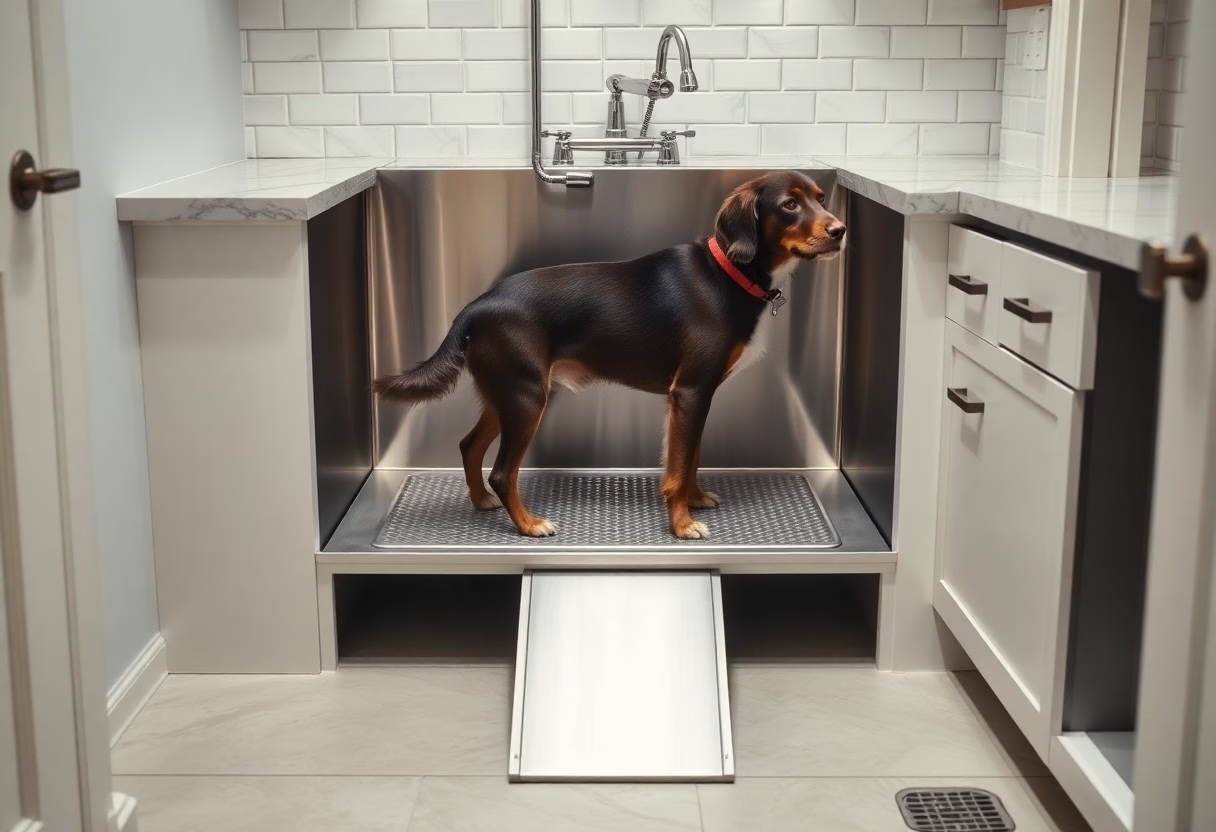
Ramps, low thresholds and wide entries let you move pets with limited mobility easily; include gentle slopes, grab bars and reachable controls to minimize strain and fall risk.
You can add adjustable-height tubs, transfer benches and slip-resistant flooring to ease transfers. Provide handheld sprayers, seating for handlers, reachable storage and clear lighting so bathing stays comfortable and safe. Use padded harnesses and soft-lined ramps, and train handlers in gentle transfer techniques to reduce panic and injury.
Aesthetics & Home Integration
You can integrate grooming spaces with surrounding rooms by matching materials, finishes and scale so the area reads like furniture rather than a utility zone; prioritize durable, easy-clean surfaces and hidden drains to keep style without sacrificing safety.
Concealing grooming areas within cabinetry and furniture
Cabinetry can conceal tubs, hoses and storage while giving you access panels for plumbing and ventilation, and you should plan lockable drawers for chemicals plus non-slip flooring to reduce risk.
Lighting, color palettes and matching home decor
Lighting choices, color temperature and finishes let you match grooming areas to your home while using glare-free task lighting, warm palettes and washable wall finishes to keep pets calm and spaces clean.
Consider layering ambient, task and accent lighting so you can adjust brightness for bathing, drying and styling without startling your pet. Choose bulbs with high CRI and a 2700-3000K color temperature for true color and a calming feel. Install dimmers and waterproof fixtures near wet zones, and match trim and paint undertones to adjacent rooms for cohesion.
Conclusion
The best dog washing stations and pet spas let you integrate grooming into your home with style and function; when you choose built-in tubs, non-slip flooring, ample storage, proper drainage and ventilation, you simplify care, reduce mess, protect finishes and make grooming safer and more comfortable for your pet-planning and quality materials pay off long term.
FAQ
Q: How can a dog washing station or pet spa be designed to blend seamlessly with my home’s decor?
A: Prioritize built-in cabinetry, concealed plumbing, and coordinated finishes so the station reads like a piece of furniture rather than utility equipment. Use materials found elsewhere in your home-wood-look cabinets, stone or quartz countertops, and muted tile-paired with discreet hardware and a cabinetry-front access panel for drains. Choose a tub profile and height that fit the room scale, and add a folding ramp or retractable step that tucks away when not in use. Soft-close doors, integrated storage for towels and grooming tools, and optional sliding or pocket doors keep the area visually calm and cohesive.
Q: What practical features improve safety, ease of use, and cleanup in a pet-grooming area?
A: Install non-slip surfaces on tub floors and ramps, rounded edges, and a secure grooming arm with a quick-release tether to reduce animal movement. Use a handheld sprayer with an adjustable-pressure setting and a thermostatic mixing valve to prevent sudden temperature changes. Design with seamless, water-resistant materials-solid-surface surrounds, coved grout lines, and vinyl or tile flooring with a properly sloped drain-for fast drainage and minimal trapped dirt. Include ample lighting, a low-lint exhaust fan to control humidity and odor, washable mats, and accessible storage for cleaning supplies and first-aid items.
Q: What are the options, costs, and installation considerations for adding a pet spa to my home?
A: Options range from portable tubs and prefabricated kits ($300-$2,500) to custom built-ins ($3,000-$15,000+) depending on size, materials, and plumbing complexity. Retrofit locations like mudrooms, laundry rooms, or garages minimize demolition, while new builds allow full integration and better placement for drains and water lines. Ensure adequate water heater capacity and a dedicated drain or drain line sized for pet hair capture; consider a hair trap or inline filter. Hiring a plumber and carpenter typically avoids common mistakes and speeds compliance with local codes; DIY installs are possible for simple kits but factor in venting, waterproofing, and floor reinforcement as needed.
Fit a pet wash area into your mudroom or laundry plan with the online room layout designer.