
The Secret Behind Homes That Always Feel Clean and Organized
It’s not magic or endless cleaning that keeps some homes perpetually tidy-it’s a consistent system you can adopt. By focusing on daily habits and smart storage, you create a space that resists clutter. The positive impact is immediate: less stress, more time, and a home that feels calm and inviting every single day.
Key Takeaways:
- Consistent daily habits-like making the bed each morning and putting items back immediately after use-create a foundation for lasting cleanliness without requiring major cleaning sessions.
- Smart storage solutions that match how people actually live, such as designated spots for frequently used items, reduce clutter and make tidying up effortless.
- Design choices like easy-to-clean surfaces, neutral colors that hide minor messes, and furniture with hidden storage help homes look neat even with regular use.
The Philosophy of the Daily Reset
What the Daily Reset Really Means
You don’t need hours of deep cleaning to maintain a home that feels consistently fresh. The real power lies in the daily reset-a short, intentional routine performed at the same time each day to return your space to a baseline of order. This isn’t about perfection; it’s about consistency. By dedicating just 10 to 15 minutes every evening to return items to their homes, wipe surfaces, and prepare for the next day, you prevent clutter from accumulating and eliminate the need for weekend marathons of cleaning. The most dangerous misconception is that cleaning must be an all-or-nothing effort. In truth, small actions done daily create lasting results far more effectively than occasional bursts of effort.
How to Build Your Reset Routine
Your reset should reflect the rhythms of your household. Start by identifying the three areas that tend to gather clutter fastest-often the kitchen counter, entryway, and living room. Each night, focus on returning these zones to neutral. Put dishes in the sink or dishwasher, hang up coats, and stow remotes or toys in their designated spots. One positive habit that amplifies this process is lighting a candle or playing the same short playlist during your reset-it signals your brain that it’s time to wind down and creates a calming ritual. Over time, this routine becomes automatic, not burdensome.
Why Timing Matters More Than You Think
Performing your reset at the same time every day strengthens its effectiveness. Most people find success between 8:00 and 9:00 PM, after dinner but before bedtime. This timing ensures that the day doesn’t end with visible chaos, which can subconsciously increase stress. When you wake up to a space that already feels collected, your entire mindset shifts. The most important detail is not how much you do, but that you do it daily-without exception. Skipping even one night makes it easier to skip two, and the momentum breaks quickly.
The Geometry of Storage
Shape Determines Function
You’ve likely noticed how some cabinets feel effortless to use while others become dumping grounds within weeks. The shape of your storage spaces directly influences how consistently you maintain order. Rectangular drawers accommodate most household items efficiently, but oddly shaped nooks-like triangular kitchen corners or sloped attic eaves-often go underused. When storage doesn’t align with the geometry of your belongings, clutter accumulates simply because items don’t fit naturally. Designing or adapting compartments to match the actual dimensions of what you store eliminates guesswork and wasted space.
Vertical Space Is Underutilized
Most people treat shelves and closets as two-dimensional zones, stacking items flat and ignoring the air above. Vertical stacking, when done correctly, can double your usable storage in seconds. Use risers in kitchen cabinets to create layered zones for plates and bowls. Install hanging baskets inside pantry doors for spices or snacks. Even in your wardrobe, cascading hangers allow multiple garments to occupy the space of one. The key is maintaining visibility-stacking too high buries items, defeating the purpose. Aim for no more than three layers deep in any vertical system.
Consistency Creates Calm
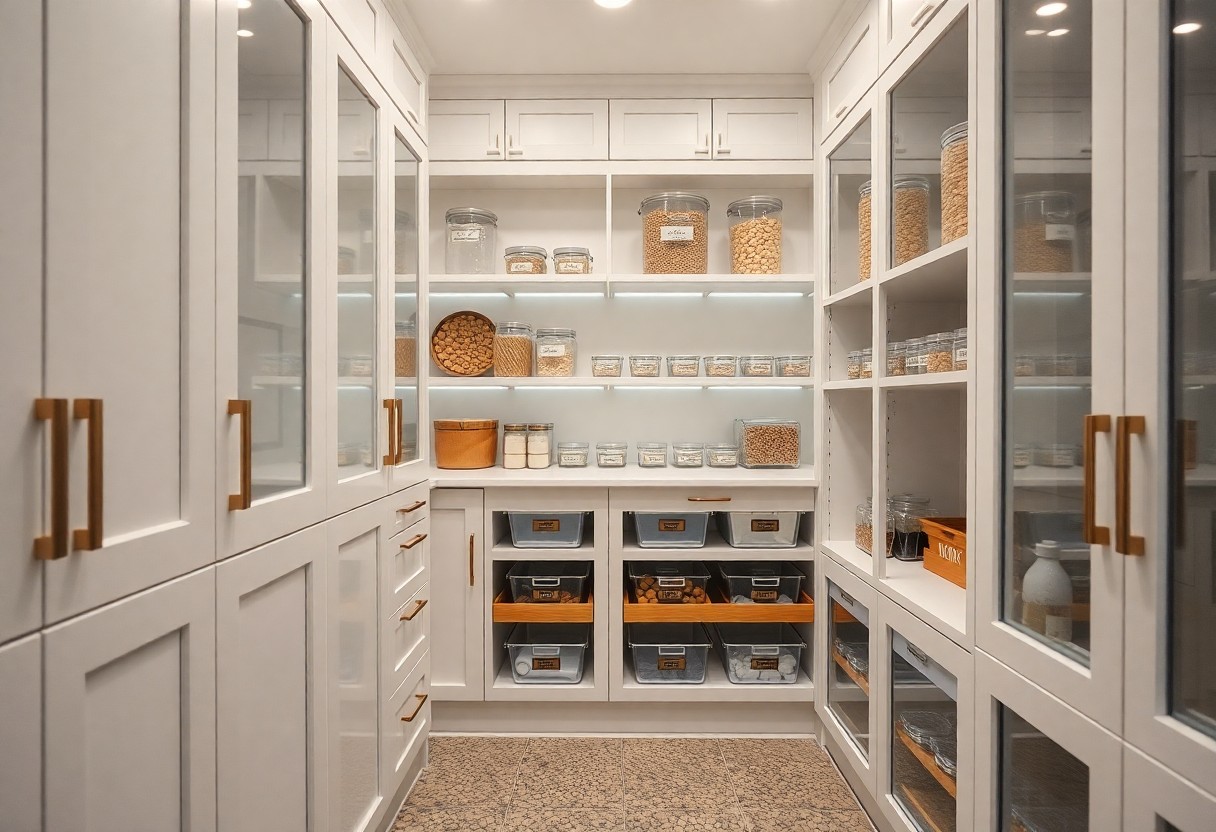
Open a drawer filled with mismatched containers and chaotic angles, and your mind registers subtle tension. Uniform containers and aligned edges create visual harmony that makes a space feel instantly calmer. This isn’t about perfection-it’s about reducing visual noise. Use the same style of bins for similar items: clear square containers in the pantry, identical fabric boxes in the bedroom closet. When everything lines up flush and faces the same direction, your brain doesn’t have to work as hard to process the scene. Order becomes automatic, not exhausting.
Depth Matters More Than You Think
A deep shelf might seem like a bonus, but if you can’t reach the back, it becomes a black hole for lost items. Shelves deeper than 14 inches often lead to forgotten or damaged contents. In kitchens, items get pushed behind others and eventually expire. In closets, shoes and bags vanish into the shadows. Opt for shallow, front-facing storage whenever possible. Use pull-out trays or turntables in deeper cabinets so everything stays accessible. When every item has a place you can see and reach, maintenance becomes effortless.
The Habit of Immediate Action
One Decision at a Time
You don’t need hours of cleaning to maintain a home that feels fresh-you need consistency. The most effective habit shared by people with perpetually tidy spaces is acting immediately on small tasks. Instead of letting dishes pile up, they rinse and load them right after use. That coffee mug? Washed before the next brew. This isn’t about perfection; it’s about momentum. Each tiny action prevents clutter from gaining a foothold, and over time, these micro-decisions compound into a home that stays ahead of mess.
Breaking the Procrastination Cycle
Delaying simple chores creates mental clutter just as much as physical mess. When you see a towel on the floor and think “I’ll get it later,” your brain registers an unfinished task. That lingering sense of incompleteness wears down focus and increases stress, even if you’re not fully aware of it. But when you hang the towel the moment you notice it, you close the loop instantly. No reminders, no guilt-just a quiet, clean space that supports your peace of mind.
How It Fits Into Daily Routines
Immediate action works because it aligns with how habits form: through repetition in context. You’re already in the kitchen-why not wipe the counter while the kettle boils? You’ve just taken off your shoes-step into the habit of placing them in the closet. These aren’t extra chores; they’re integrated behaviors that take seconds. How Do Some People Always Have a Clean House? … often comes down to this: they don’t clean more-they clean sooner. The difference is subtle but transformative over time.
Visual Silence and Surface Clarity
The Power of Empty Space
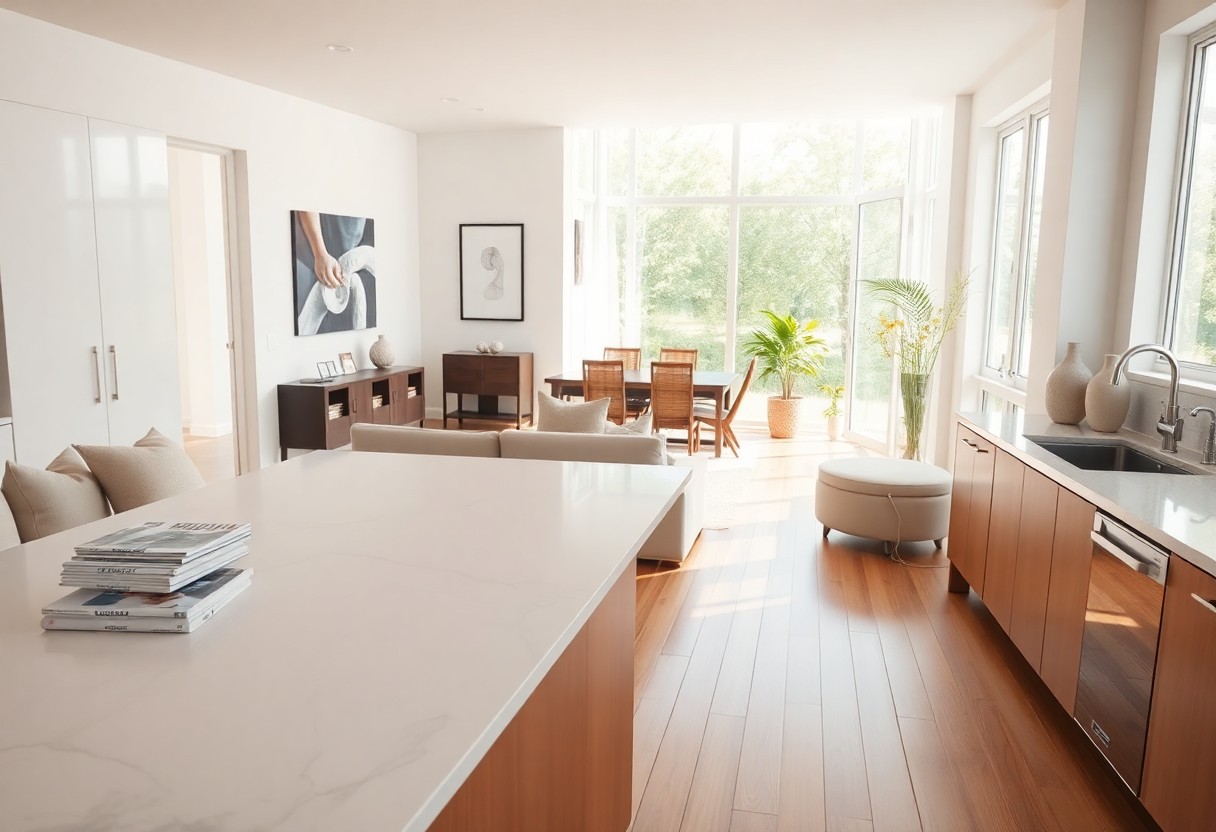
You’ve likely walked into a home that just feels calm, even if you couldn’t explain why. Chances are, it wasn’t packed with decor or cluttered surfaces. Instead, it embraced visual silence-a design principle where open space is treated as an necessary element. When countertops, tables, and shelves have breathing room, your mind follows suit. You don’t need to fill every inch to make a space feel complete. In fact, the opposite is true: less visual noise leads to greater mental clarity.
Why Clear Surfaces Matter
Surface clutter sends subtle signals that tasks are unfinished or chaos is near. Even small items like mail, keys, or coffee mugs left out can create a low-level sense of stress. Homes that always feel clean prioritize surface clarity by designating homes for everyday objects and returning them daily. This isn’t about perfection-it’s about consistency. A clear kitchen counter isn’t magic; it’s a habit. One simple rule: if it doesn’t belong there, it doesn’t stay there.
How to Achieve It Without Obsession
Perfection isn’t the goal-sustainability is. Start by identifying the surfaces that matter most: your entryway table, kitchen island, or bathroom vanity. Keep only what serves a daily purpose or brings genuine joy. For inspiration, check out this collection of real-life habits from people who maintain spotless homes: 30 Habits of People With Really Clean Houses. You’ll notice a pattern-many of them rely on routines that protect open space. They aren’t cleaning more; they’re exposing less.
The Emotional Payoff
When your environment stops shouting for attention, you begin to feel more in control. That sense of peace isn’t accidental. It’s engineered through deliberate choices to reduce visual load. You don’t need a minimalist home to benefit-just a commitment to keeping surfaces clear. Over time, this practice reshapes not just your space, but your relationship with it. A clean surface becomes a quiet promise: everything has a place, and you belong here.
Curating the Essential
Defining What Truly Serves You
Every item in your home should earn its place. Ask yourself if each object supports your daily routine, brings comfort, or solves a real problem. If it doesn’t have a clear purpose or positive emotional value, it’s likely adding invisible weight. Clutter isn’t just physical-it’s the mental load of managing things you don’t need. Be honest about what you actually use versus what you keep out of habit or guilt.
Creating a One-In, One-Out Rule
You gain control over accumulation when you tie every new item to a departure. That new sweater? One old one leaves. A kitchen gadget? An outdated tool gets donated. This simple boundary prevents slow buildup and forces mindful consumption. Over time, this habit reshapes how you shop and what you allow into your space, making maintenance effortless.
Designating a Home for Every Essential
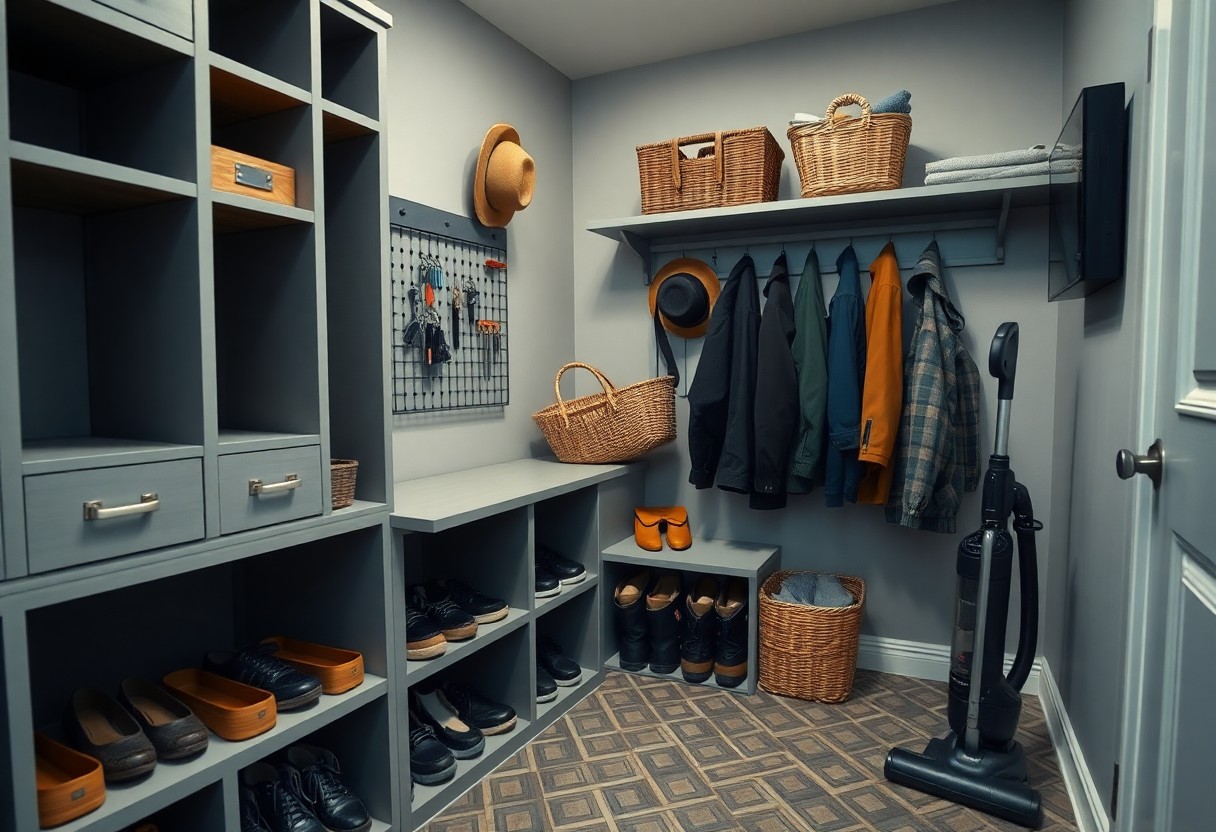
Even a small number of items can feel chaotic without assigned spots. When everything has a specific, logical location, putting things away becomes automatic. Surfaces stay clear because there’s no ambiguity about where things belong. Use drawer dividers, labeled bins, or consistent shelving to reinforce order. The fewer decisions you have to make at cleanup time, the more likely you are to keep up.
Reassessing Seasonally
Your needs change with the seasons, and so should your vitals. Every few months, take a close look at what’s in use and what’s been ignored. Items that haven’t been touched in 90 days are likely not serving you right now. Store, donate, or discard them without guilt. This regular refresh keeps your environment aligned with your current life, not outdated habits.
Maintenance as a Quiet Respect
The Daily Ritual of Care
You don’t need grand gestures to keep your home feeling fresh-just consistent, mindful actions. Spending five minutes each morning wiping counters or returning items to their place builds a rhythm that prevents clutter from taking root. This isn’t about perfection; it’s about showing up for your space every day, even in small ways. Over time, these micro-efforts compound into a home that feels effortlessly in order, not because you’re constantly cleaning, but because you’re consistently honoring the environment you live in.
Order as a Form of Listening
Your home speaks to you through its surfaces, corners, and storage spaces. A drawer that sticks, a shelf that overflows, a floor that collects dust too quickly-these are signals, not failures. Responding to them promptly, with attention and care, is how you maintain harmony. When you fix what’s broken, reorganize what’s chaotic, or clean what’s neglected, you’re not just managing objects. You’re acknowledging the role your surroundings play in your peace of mind. That act of listening and responding is where true order begins.
The Discipline of Returning
One of the most powerful habits you can adopt is returning things immediately after use. That single act-putting the book back on the shelf, hanging up your coat, rinsing the glass-prevents the slow creep of disorder. It’s not about rigid control; it’s about respect. Each return is a quiet affirmation that your space matters. Over time, this discipline becomes second nature, and your home stays balanced not because you’re fighting mess, but because you’re honoring the flow of daily life.
Respect That Builds Over Time
When you treat maintenance as a form of respect, your relationship with your home changes. You stop seeing cleaning as a chore and start seeing it as a conversation. The more you care for your space, the more it supports you-holding your belongings, calming your mind, welcoming your guests. This mutual care creates a feedback loop: the better you treat your home, the better it feels to be in it. And that feeling-of calm, of clarity, of belonging-is what makes some homes feel perpetually clean, even when lived-in.
Final Words
Now you know the secret behind homes that always feel clean and organized: consistency beats intensity. You don’t need hours of cleaning-just daily habits, clear spaces, and a place for everything. When you put things back immediately and limit clutter by design, order becomes automatic. Your environment stays calm because your system works quietly, every day.
FAQ
Q: What daily habits do people in clean homes practice without fail?
A: People who maintain consistently clean homes often follow simple routines like making their bed each morning, doing a 5-minute tidy-up before bed, and putting items back immediately after use. They avoid letting small tasks pile up. One common habit is the ‘one in, one out’ rule-when a new item comes in, an old one is donated. These actions take little time but prevent clutter from building and make deep cleaning less frequent.
Q: How do organized homes stay clutter-free even with kids or pets?
A: Homes with children or pets stay organized by assigning specific spots for everything-like labeled bins for toys or designated baskets for pet supplies. Families set clear expectations early, teaching kids to clean up after playtime. Storage solutions are built into the design, such as low shelves kids can reach. The key is consistency, not perfection. A 10-minute family cleanup after dinner keeps messes from spreading.
Q: Do people in clean homes deep clean often?
A: Most don’t deep clean weekly. Instead, they spread deep cleaning tasks across the month. One weekend, they’ll clean the oven. The next, they’ll wash baseboards. This rotating schedule prevents overwhelm. Daily upkeep reduces the need for marathon cleaning sessions. A clean home isn’t the result of constant scrubbing-it’s the product of smart routines that make messes rare in the first place.
Q: Is minimalism required to keep a home feeling clean?
A: Minimalism helps some people, but it’s not a requirement. The real secret is intentionality. People with organized homes know what they own and why it’s there. They avoid random purchases and assess whether new items add value. A home can be full of belongings and still feel calm if everything has a purpose and a place. It’s about control over your space, not the number of things in it.
Q: How do they handle laundry and dishes without falling behind?
A: They break chores into small, non-negotiable actions. Dishes are washed or loaded into the dishwasher after each meal-no stacking up. Laundry is handled in small batches: one load started in the morning, folded during a TV show, put away before bed. Procrastination is the real enemy. By treating these tasks as part of the daily rhythm, not weekend emergencies, they stay ahead without stress.