
Transform Your Outdoors – Creating the Ultimate Outdoor Living Space
A great outdoor living space feels like an extra room. A clear layout, hardscape for structure, planting for softness and comfortable seating, shade and lighting make the backyard usable from morning to night. Here is how to design one step by step.
Table of Contents
Key Takeaways:
- Plan zones for the way you actually live, such as lounging, dining and play.
- Choose durable, weather-resistant materials and furniture that still look good.
- Add plants to soften hardscape and make the outdoor living space feel calm and natural.
Designing the Perfect Layout for Your Outdoor Haven
Start your outdoor living space with the layout, before you buy a single chair. Think about how you will use it: dinners with friends, quiet mornings with coffee, kids playing, or all of these. List the activities, then sketch rough zones on a plan of your yard. Keep the most-used areas close to the house so carrying food and drinks is easy, and leave quieter spots farther out for privacy.
Pay attention to circulation as you sketch. Main paths between zones should be about 4 feet wide so two people can pass, and secondary paths can be around 3 feet. Leave at least 3 feet of clear space behind dining chairs so people can get up from the table. Mark the layout on the ground with a garden hose or marking paint and live with it for a few days before you build anything.
Assessing Space and Natural Elements
Begin by studying your yard. Note existing trees, slopes, drainage, views and where the sun falls in the morning, at midday and in the evening. These features shape your layout. A west-facing patio gets hot afternoon sun, so it needs shade for summer dinners. Low spots that stay wet after rain are poor places for a patio. Work with what you have rather than fighting it.
Also check the practical limits before you design. In the US, call 811 before you dig so buried utility lines are marked, and ask your city or HOA about setback rules, fence heights and permits for decks, pergolas or gas lines. Knowing where the property line is and which way water drains will save you from expensive changes later.
Creating Zones for Relaxation and Recreation
Defined zones make a yard easier to use. Most homes need a lounge area with comfortable seating, a dining area near the kitchen door, and a spot for activity, such as a fire pit or a play area for kids. A dining zone for a table of six needs roughly a 12 by 12 foot space, and a fire pit area needs a generous circle so chairs sit a comfortable distance from the flames. Clear zones help everyone know where things happen.
Give each zone details that support its purpose. Soft lighting suits the lounge area, and an outdoor rug helps define the dining spot and makes it feel like a room. Mix textures, such as wood, stone and fabric, so the space does not feel flat. Plan for flexibility too: a shaded patio can serve as a reading corner in the afternoon and a dining area at night if you choose furniture that is easy to move.
Elevating Aesthetics with Hardscape Features
Hardscape gives your yard structure. Patios, walkways, low walls and steps form the bones of the design, while plants soften the edges. The contrast between clean stone or concrete lines and loose, leafy planting is what makes many backyards look finished. Plan hardscape first, because it is the hardest and most expensive part to change later.
Choosing the Right Materials for Durability and Style
Choosing the right materials means balancing durability and style. Natural stone, pavers and poured concrete all work well, depending on the look you want and your budget. Flagstone gives a rustic, natural feel, while concrete pavers look clean and modern and are easy to replace one by one if they crack. In cold climates, choose materials rated for freeze-thaw cycles, and make sure any patio slopes slightly away from the house, about 1/4 inch per foot, so water drains off.
Integrating Pathways and Structures for Flow and Function
Good flow means you can move through your yard easily. Paths, pergolas and garden borders connect the different areas and guide people where you want them to go. A gently curving path that leads to a fire pit or a bench at the back of the yard invites people to explore. Use hardscape and planting to separate zones while repeating the same few materials so the yard looks connected.
Paths should look good and feel safe underfoot. Pick a surface that suits your garden, such as gravel, stepping stones or pavers, and make sure it is slip-resistant when wet. For stepping stones, space them to match a natural stride, about 24 inches center to center. Gentle curves feel relaxed and lead the eye through the landscape, while straight paths suit modern homes and get you somewhere quickly. Add low lighting along paths you use at night.
Bringing Life to Your Outdoor Space with Greenery
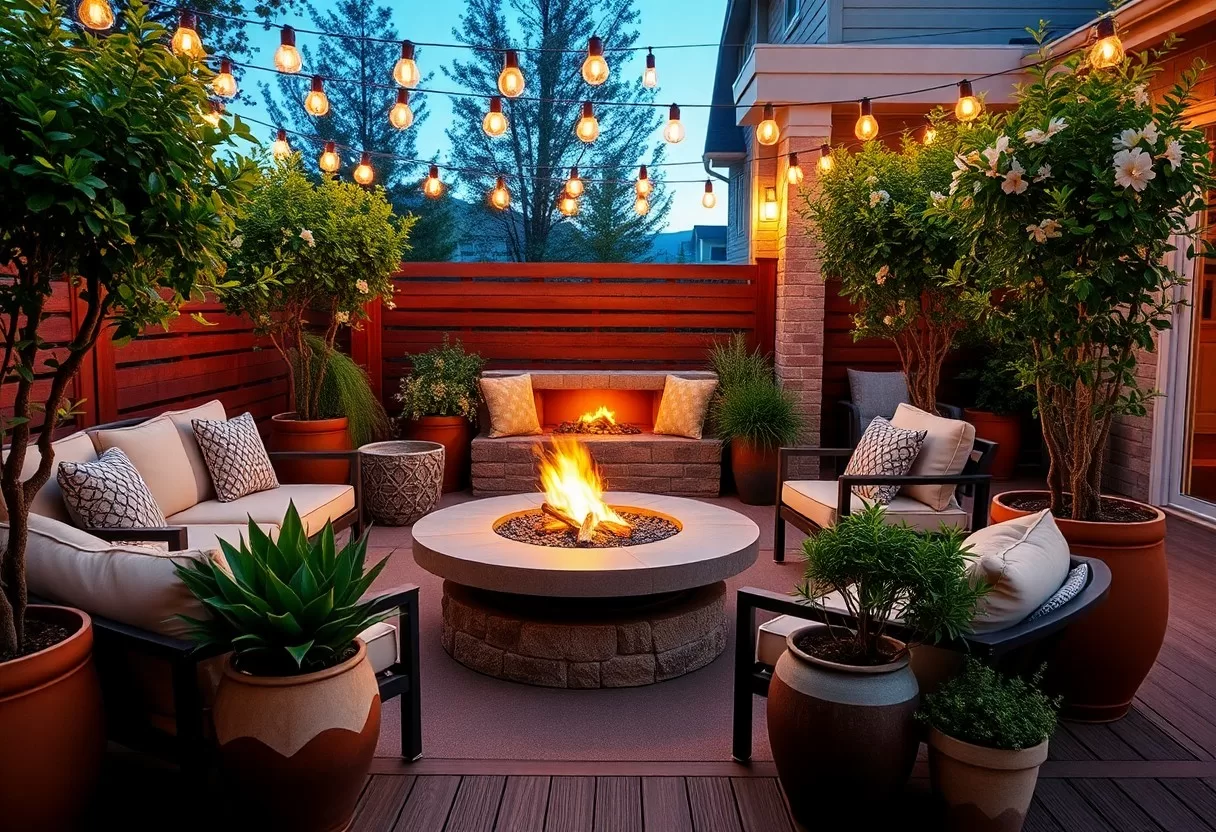
Plants make your yard feel alive. Trees give height and shade, shrubs add structure, and flowers bring color that changes through the year. Layering them, with tall plants at the back of beds and low ones in front, creates depth and gives birds and pollinators food and shelter. Even a small patio feels softer with a few large planters.
Selecting the Best Plants for Beauty and Maintenance
Choose low-maintenance plants that suit your climate and conditions. Native species are a good starting point because they are adapted to local rain and temperatures and support local pollinators. Check your USDA hardiness zone and how much sun each bed gets before buying. Use perennials for long-lasting structure and a few annuals in pots for seasonal color. Group plants with similar water needs so watering stays simple.
Designing Gardens that Flourish Year-Round
A garden that looks good all year includes plants that peak in different seasons. Use evergreen shrubs for winter structure, spring bulbs for early color, summer perennials for the main show and trees or shrubs with good fall color to finish the year. This mix keeps something interesting to look at in every month and offers food and cover for wildlife.
Layer plants by height, leaf texture and bloom time. For example, plant early bloomers like crocuses and daffodils near later ones such as asters and sedums, so the same bed carries on after the bulbs fade. Evergreens like boxwood or holly give a green backdrop in colder months. Ornamental grasses add movement and still look good when dry in winter. This combination keeps your garden changing through the seasons without a lot of extra work.
Comfort and Functionality: Essential Outdoor Furnishings
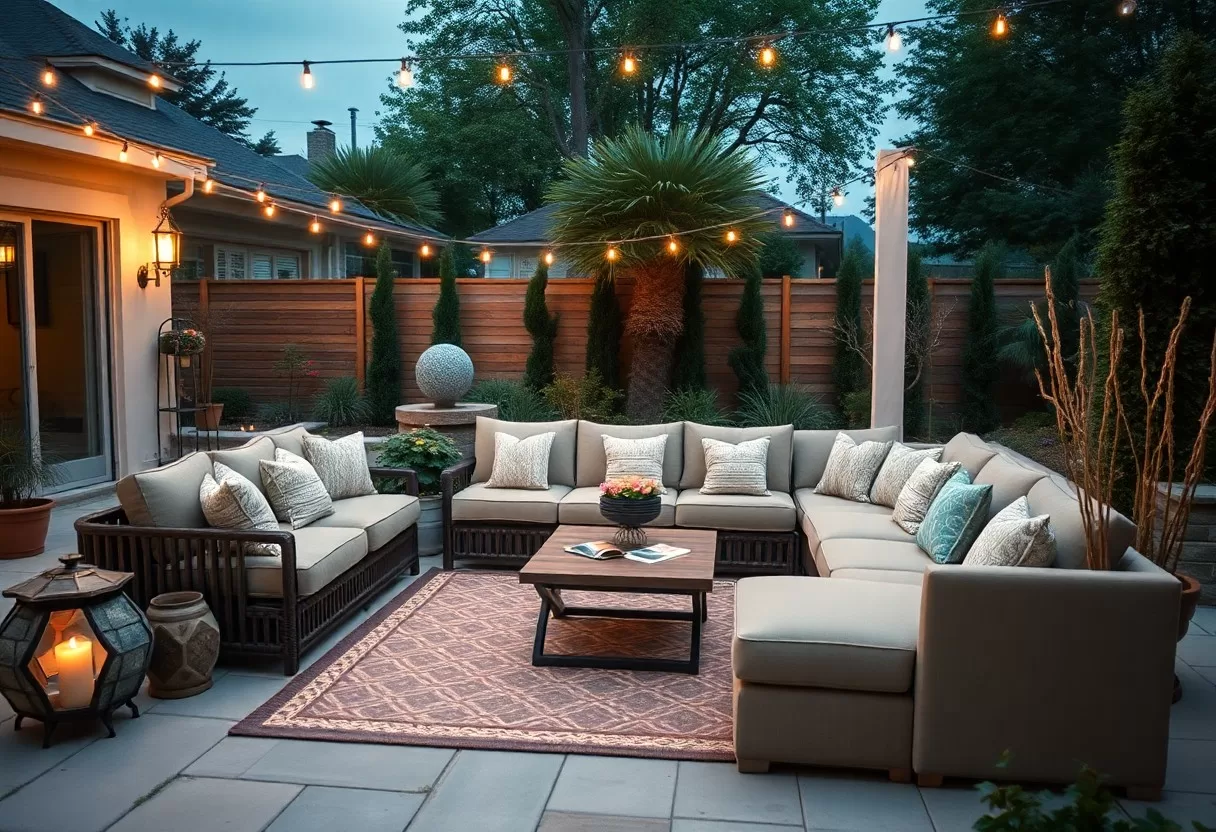
Comfort and function should guide your furniture choices. Think about how you will use each zone, then choose pieces that fit those activities. Weather-resistant materials like teak, powder-coated aluminum and all-weather wicker last well outdoors and still look warm and inviting.
Furniture Selection that Enhances Experience
Choose outdoor furniture you actually want to sit in. Modular seating can be rearranged for big gatherings or pulled into a smaller group for two. Cushions with quick-dry foam and solution-dyed acrylic fabric hold up better to sun and rain. Test seat depth and height in the store if you can, and plan where cushions will be stored in winter or during storms.
Incorporating Lighting for Ambiance and Safety
Good lighting makes your yard safer and sets the mood after dark. Use a mix of path lights, string lights and accent lights to create layers that handle both function and atmosphere.
Layered lighting means using different types of light for different jobs. Path and step lights help people walk safely, and solar models are an easy start, though low-voltage wired lights are brighter and more reliable. String lights overhead make the dining or lounge area feel cozy. Spotlights aimed up into a tree or along a stone wall add drama. Choose warm white bulbs around 2700 K, aim fixtures away from eyes and neighbors, and use a timer or photocell so they switch on by themselves.
Creating a Year-Round Retreat with Weather Considerations
Designing your outdoor living space for different kinds of weather lets you use it for more of the year. Think about sun, rain and wind. Shade and shelter turn a patio that is too hot at noon into a place you can enjoy all afternoon, and wind protection makes evenings more comfortable. These features also add structure and style to the yard.
Incorporating Shade and Shelter Solutions
Shade and shelter make a big difference in comfort. Retractable awnings, pergolas and shade sails block strong sun, while a solid roof or covered porch lets you stay outside during light rain. Market umbrellas and shade trees work well over dining tables. For windy sites, use outdoor curtains, a slatted screen or a row of tall planters with grasses or shrubs as a windbreak. Anchor any shade sail to strong posts, since wind puts a lot of force on fabric.
Designing for Seasonal Changes and Use
Your outdoor space should change with the seasons. Movable furniture lets you set up for warm summer nights or cool autumn evenings. A fire pit or outdoor heater can stretch your time outside well into fall. Choose weather-resistant fabrics for cushions and rugs, and bring cushions inside or into a deck box when you are not using them, so they last longer.
Safety matters with heat sources. Keep fire pits at least 10 feet from the house, fences and overhanging branches, and check local rules on open burning. Patio heaters need clearance from umbrellas and awnings, so follow the manufacturer’s spacing. Keep a hose or extinguisher nearby, and never leave a fire burning unattended.
A year-round retreat works with each season instead of against it. Choose plants that bloom at different times, and use movable planters to refresh the look. Pick flexible furniture, such as storage ottomans and lightweight tables, so you can host a summer party or gather around the fire in winter. Keep a basket of throws and blankets handy for cool nights, and the space stays inviting whatever the weather.
Final Words
With this guide, you have what you need to plan an outdoor living space that looks good and is easy to use. Start with the layout and hardscape, then add plants, furniture, shade and lighting. You do not have to do it all at once; many people build in phases over a few seasons. Focus on the zone you will use most, get it right, and expand from there.
Q: What are the key elements to consider when designing an outdoor living space?
A: When designing an outdoor living space, think about function, layout and looks together. Start by deciding how you will use it, whether for entertaining, relaxing or dining. Then measure the area and divide it into clear zones, such as a seating area, a dining table and a fire pit, with easy paths between them. Choose materials that suit your home’s architecture and stand up to your weather, and finish with planting, lighting and decor that make the space feel welcoming.
Q: How can I make my outdoor living space more comfortable and inviting?
A: To make an outdoor living space comfortable and inviting, start with the furniture and how you arrange it. Pick seating with weatherproof cushions and group it so people can face each other and talk easily. An outdoor rug defines the area and feels warmer underfoot, and soft lighting such as string lights or lanterns makes evenings cozy. Shade canopies, a pergola or an outdoor heater make the space comfortable in more kinds of weather, so you can use it across more of the year.
Q: What plants and landscaping features work best for an outdoor living area?
A: The right plants and landscape features make an outdoor living area feel finished and welcoming. Mix perennials, a few annuals and ornamental grasses for color and texture across the seasons, and add some evergreens so the garden still has structure in winter. Native plants suited to your climate usually need less water and care once established. Raised beds, containers or vertical planters add height and interest, and stone paths, a small water feature and well-chosen planters tie the planting and living areas together.
Design your outdoor living space with the free AI garden and landscape designer.
Frequently Asked Questions
How do I start planning an outdoor living space?
Decide how you will use it, such as dining, lounging, cooking or play, then map sun, shade, views and access from the house. Place the most used areas closest to the door and add structure with paving before choosing furniture.
What adds the most value to an outdoor living area?
A well-built patio or deck, shade, good lighting and an outdoor kitchen or fire feature usually add the most enjoyment and make the space more appealing to future buyers. Durable materials keep maintenance low.
How can I make my backyard usable all year?
Add a pergola or roof for shelter, outdoor heaters or a fire pit, good lighting and weatherproof furniture. Evergreen plants keep the space attractive in winter.
Related Guides
