
Building Your Dream Outdoor Space with Pergolas and Fire Pits
A pergola and fire pit together create a backyard you can enjoy from early summer evenings well into autumn. The pergola adds shade and structure; the fire pit brings warmth and a natural place to gather. Below, you’ll learn how to choose styles and materials, place both features safely, light and furnish the space, and plan a realistic budget so the project goes smoothly from start to finish.
Table of Contents
Key Takeaways: Pergola and Fire Pit
- Pergolas add structure and filtered shade, and they give an open yard a defined outdoor room.
- A fire pit gives friends and family a natural gathering point and extends evenings outdoors into cooler months.
- Planned together, a pergola and fire pit create a flexible space for relaxing and entertaining most of the year.
Crafting the Perfect Pergola: Design and Materials
A good pergola starts with thoughtful design and materials that can stand up to your climate. Look at the style of your house and garden first. A classic post-and-beam design suits traditional homes, a slatted modern frame fits contemporary architecture, and rough-sawn timber works for a farmhouse look. Most pergolas are about 8 to 10 feet tall, which feels open without losing shade. Size it around the furniture you plan to put underneath, with at least 3 feet of walking room around a dining table.
Top Materials That Blend Durability with Aesthetics
Your choice of materials affects how long the pergola lasts and how much care it needs. Wood such as cedar or redwood looks natural and resists rot, but it needs sealing or staining every few years. Pressure-treated pine costs less and is fine if you paint or stain it. Aluminum and vinyl resist decay and need little more than an occasional wash. Composite materials give you a wood-like look with less upkeep, though they usually cost more up front. Whatever you choose, set posts on proper footings, below the frost line in cold climates.
Innovative Design Ideas to Enhance Your Outdoor Space
A few design details can make a pergola much more useful. Gently curved beams soften a boxy frame, while hanging outdoor lighting or planters adds warmth and character. For more shade, train climbing plants such as grapevines or clematis up the posts, or add outdoor fabric panels you can slide open and closed. Wisteria is lovely but heavy and vigorous, so only plant it on a strongly built frame. Spacing the top slats closer together, or running a retractable canopy across them, gives you control over how much sun gets through.
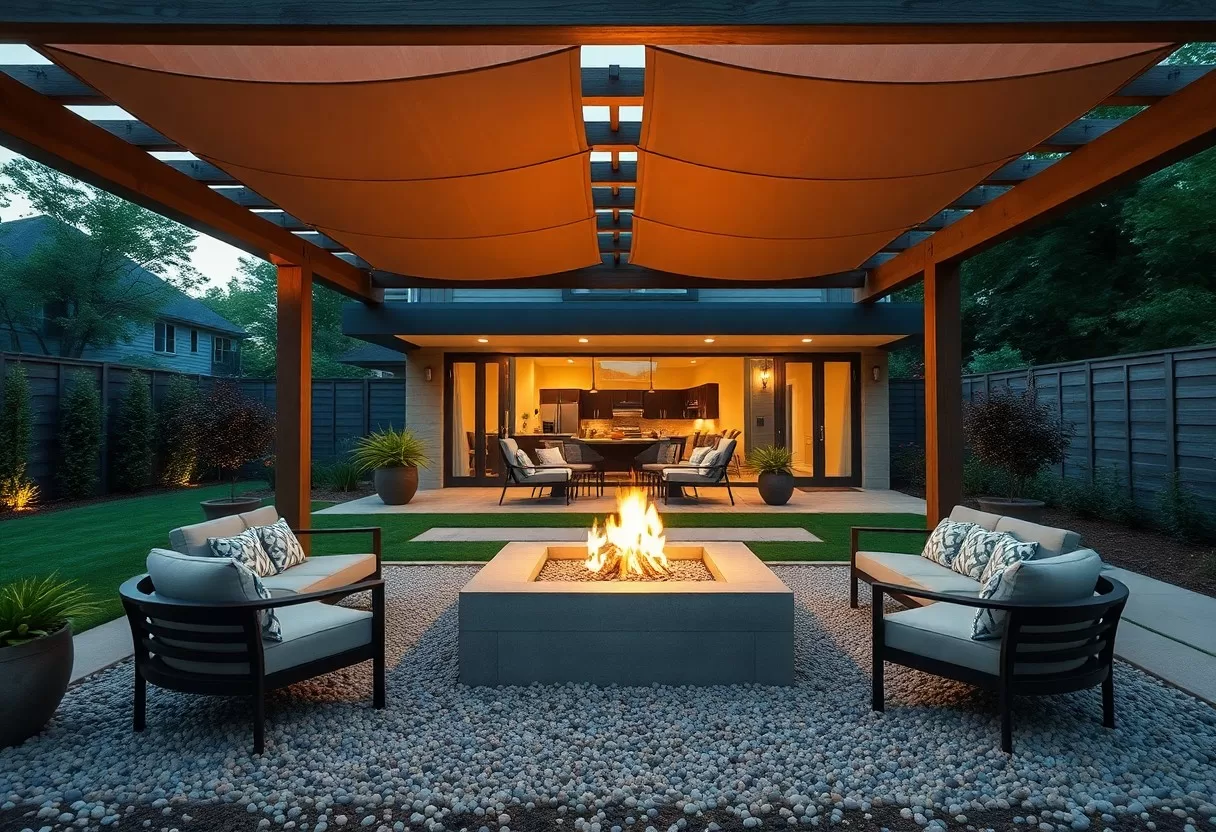
Built-in benches and planters along the edges of the pergola make it feel like part of the house rather than a separate structure. Pick a paint or stain color that relates to your home’s trim or siding so the two look connected. If you plan a pergola and fire pit in the same area, keep an open wood fire out from under the roof and place it just beyond the edge instead. Lanterns or string lights then tie the two zones together for evenings outdoors.
Before you build, check whether your town or homeowners association requires a permit for a pergola. Rules often depend on size, height and how close the structure sits to property lines. Call 811 before digging post holes so underground utility lines are marked. These steps take a little time but can save you from tearing out a finished project.
The Art of Fire Pits: Choosing the Right Style and Functionality
Choosing the right fire pit shapes how you’ll use the whole space. Some people want a quiet spot for two, others want room for a crowd or even a grill grate for cooking. Learn the basic styles and fuel types before you buy. From traditional stone rings to sleek modern bowls, the right fire pit should suit your outdoor decor and the way you actually like to spend your evenings.
Fuel type is the first big decision. Wood-burning pits give you real crackle and smell, but they produce smoke and sparks and leave ash to clean. Propane pits light at the turn of a knob and are easy to move, while natural gas pits run from a permanent line that should be installed by a licensed professional. Gas models are often allowed in more places than wood fires, but always check your local rules first.
Different Fire Pit Styles: Selecting What Fits Your Space
Fire pits come in several styles, each with its own advantages. A contemporary metal fire pit gives a clean, modern look, while a classic stone design feels rustic and permanent. In a small yard or on a patio, a tabletop fire pit gives you the glow of a flame without taking over the space. Most in-ground or freestanding pits are about 36 to 44 inches across, and seats placed around 3 to 4 feet from the edge stay warm without getting too hot. Pick a style that matches your pergola and garden.
Safety Considerations and Local Regulations to Keep in Mind
Safety and local rules come first when you install a fire pit. Check your city or county regulations on placement, size and allowed fuels, and find out whether you need a permit. Keep a wood-burning pit well away from your house, fences, trees and overhanging branches; at least 10 feet is a common minimum, and some local codes require more. Check for seasonal burn bans before each use, too, since they’re common in dry regions.
Build the pit and the area around it from non-combustible materials like stone, brick, gravel or concrete pavers, and keep leaves and other debris cleared away. A spark screen helps a lot with wood fires. Keep a bucket of water, a garden hose or a fire extinguisher close by, and never use gasoline or other accelerants to start a fire. Burn only dry, seasoned firewood, not trash or treated lumber, and fully put out the fire before you go inside.

Creating Cohesion: Integrating Pergolas and Fire Pits into Your Landscape
A backyard works best when its features feel connected, especially when you’re adding pergolas and fire pits. Aim for consistent design and materials between these features and the rest of your landscape. Repeat colors, textures and styles so each part of the yard relates to the others and the space feels planned as a whole.
Strategies for Harmonizing Elements in Your Outdoor Design
A consistent palette makes a big difference. Choose materials for your pergola and fire pit that share similar tones and textures, such as warm wood with natural stone, or black metal with dark gray pavers. Think about layout too. Place the two features within sight of each other and connect them with a clear path at least 3 feet wide, so people move easily between the dining and lounging areas.
Utilizing Lighting and Decor to Enhance the Ambiance
Layered lighting around your pergola and fire pit makes evening gatherings more welcoming. Drape string lights through the pergola for a soft glow, and use low path lights or lanterns near the fire pit to mark edges and steps. Bring in cushions, throws and potted plants that suit your style to tie everything together.
A well-planned lighting scheme makes the space feel cozy and welcoming. Use warm LED bulbs around 2700 K for a relaxed feel, and add a few small spotlights to pick out the pergola’s posts or a nearby tree. Choose fixtures rated for wet locations and plug them into GFCI-protected outdoor outlets. Add decorative accents, such as colorful cushions, patterned outdoor rugs or playful garden art, to create points of interest near the fire pit. Good lighting and comfortable details encourage longer evenings outside.
Personal Touches: Customizing Your Outdoor Retreat
Making the space feel like yours comes down to personal touches. Choose details that reflect your taste, from colorful planters filled with your favorite flowers to a sculpture or found object that starts conversations. Color affects the mood too: cool blues and greens feel calm, while terracotta, mustard and red feel warm and lively. Pick two or three colors and repeat them in cushions, pots and accessories so the look holds together.
Furniture and Accessories that Elevate Comfort and Style
The right furniture and accessories make a big difference to comfort. Choose weather-resistant materials like teak, powder-coated aluminum or all-weather wicker that suit the overall design. Outdoor sofas with removable cushion covers, rugs made for outdoor use and good lighting make the area warm and inviting. Make sure there’s enough seating for the people you usually host, plus a few stools or floor cushions for extra guests, so conversation flows easily.
Tips for Seasonal Decorating and Maintenance
Seasonal decorating keeps your outdoor area feeling fresh, and regular upkeep keeps it in good shape. Swap decor with the seasons: cozy blankets and warm colors in autumn, bright cushions and fresh flowers in spring. Clean out the fire pit regularly, check the pergola for loose fasteners or rot, and look over the furniture for wear. These small jobs keep the space looking good and give you a chance to change things that aren’t working.
- Incorporate seasonal decor to keep your space lively
- Maintain furniture to preserve comfort
- Rotate accessories to reflect personal style
- Focus on upkeep tasks for longevity
With these habits in place, your outdoor space can change with the seasons. Small seasonal touches, such as extra string lights, pumpkins on the steps or a simple centerpiece, make it feel welcoming at any time of year.
- Consider weather-resistant materials for your outdoor elements
- Include cozy blankets for colder months
- Add soft outdoor lighting for ambiance
- Incorporate natural elements like plants
Once seasonal maintenance and decorating are in hand, your outdoor space works for quiet evenings and for hosting guests. Regular small updates keep it interesting and inviting through every season. At the end of the year, store cushions indoors, cover the fire pit, and clean and seal wood surfaces as needed so everything is ready for spring.
Building Your Outdoor Paradise: Practical Implementation Steps
Turning your ideas into a working outdoor space takes careful planning. Start by measuring the yard and sketching where the pergola and fire pit will go, leaving enough room for furniture and for people to walk around them. Note sun and shade patterns, wind direction and views from the house. Once you have a layout, add lighting, planting and paths, and think about how the space connects to your back door so moving between inside and out feels natural.
Draw a simple plan to scale before you buy anything. Mark the pergola footprint, fire pit, seating and paths, then lay out the shapes on the ground with a hose or string to see how they feel in real life. Walk through the space as if you were carrying a tray of drinks. If you have to squeeze past chairs, give it more room now, when changes are free.
Budgeting and Planning for Your Dream Space
A clear budget keeps the project on track. Decide how much you can spend on materials, labor and extras, and set aside around 10 to 20 percent for surprises. Costs vary widely with size, materials and where you live, so get two or three written quotes or price out materials for your exact design rather than relying on averages. Rank your priorities. If money is tight, build the pergola and a simple fire pit first, and add built-in seating or lighting later.
Hiring Professionals vs. DIY: What You Need to Know
Whether to hire a professional or do it yourself depends on the project’s complexity and your comfort with construction. A kit pergola on a level patio is a reasonable DIY job for someone handy, with plenty of tutorials available. Custom designs, large structures or major landscaping work usually benefit from a professional who can make sure everything is level, solid and built to last.
Be honest about your skills, your time and the cost of mistakes. Experienced contractors can save you time and reduce the risk of costly errors, especially on complex jobs like building a stone fire pit, running a gas line or adding electrical circuits. Gas and electrical work should always be done by licensed pros. Many homeowners split the work, hiring out the structure and utilities, then handling painting, planting and decorating themselves. That balance can give you a well-built space you’re proud of.
Summing up
Adding a pergola and fire pit is one of the most practical ways to get more use out of your yard. Together they offer shade by day, warmth at night and a natural place for friends and family to gather. With careful planning, safe placement and the right materials, you can create a backyard retreat that suits your tastes and lasts for years. Start with a simple plan, and enjoy many evenings outside under the stars.
FAQ
Q: What are the benefits of adding a pergola to my outdoor space?
A: A pergola adds partial shade and gives your outdoor area a clear, defined spot for relaxing or entertaining. You can grow climbing plants over it, hang lights and arrange outdoor furniture underneath to make it a welcoming place for gatherings. It can also make your yard more attractive to buyers, but don’t count on it to add a set amount to your home’s value.
Q: How do I choose the right fire pit for my patio or backyard?
A: Selecting the right fire pit involves considering the size of your outdoor area, the materials that suit your style, and how you plan to use the fire pit. Options include wood-burning, gas, or propane styles, each with different maintenance needs. Think about whether you want a permanent fixture or a portable unit, and ensure it complies with local regulations regarding safety and usage.
Q: What are some design tips for creating a cohesive outdoor space with pergolas and fire pits?
A: Match the materials and finishes of your pergola and fire pit so they look like they belong together. A wooden pergola pairs well with a stone fire pit for a natural look. Add comfortable seating and outdoor decor that suits both, and use lanterns or string lights to tie the space together in the evening, keeping seating and the pergola a safe distance from the flames.
Plan your pergola and fire pit layout with the free AI garden and landscape designer.
Related Guides
