
Integrating Nature – How To Combine Aesthetics And Functionality In Your Home Garden
A good garden earns its keep. It looks lovely from the kitchen window, and it also gives you shade, privacy, somewhere to sit and maybe a few tomatoes. Smart home garden design is about getting both at once. By learning how to blend natural beauty with functional elements, you can build an outdoor space that fits the way you live. In this guide you’ll find practical steps for reading your site, choosing and placing plants, and maximizing your available space so every corner has a job.
Table of Contents
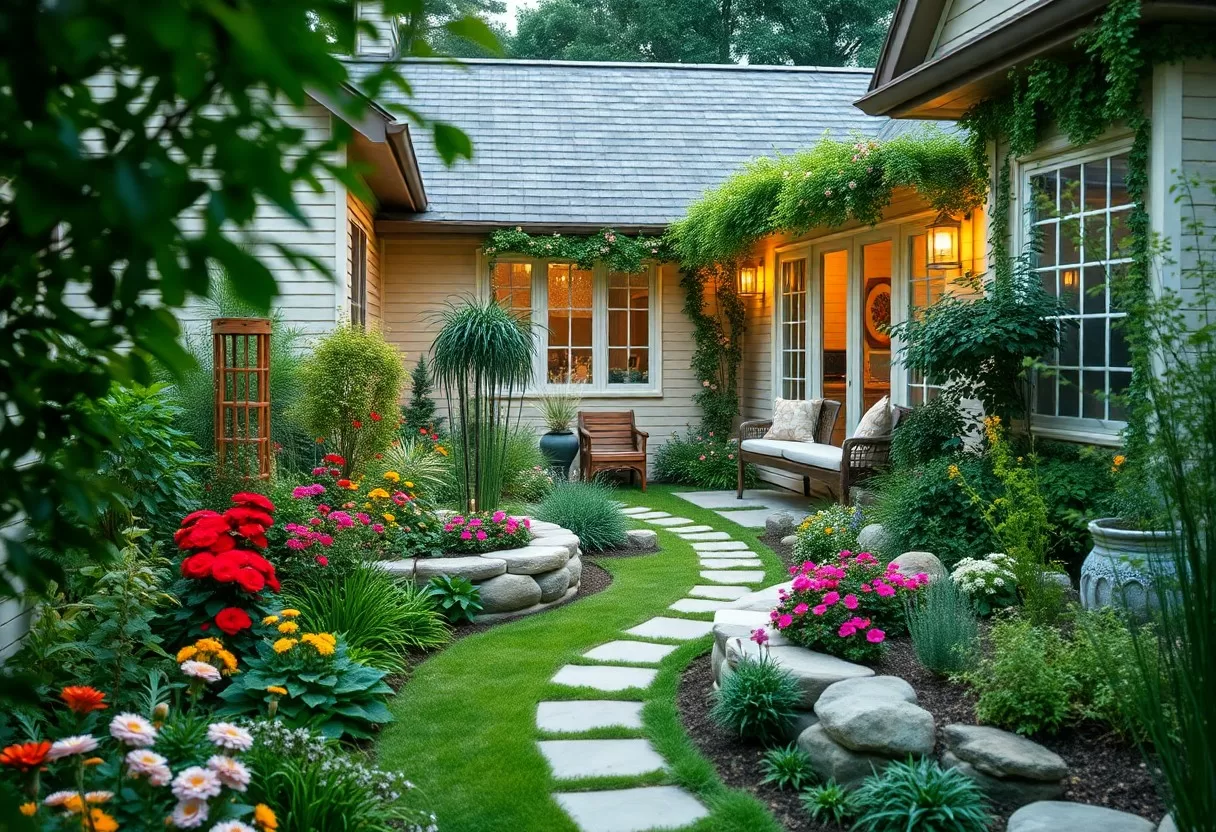
Key Takeaways: Home Garden Design
- Plant natives that suit your local climate; they need less water and support local wildlife.
- Layer plants by height to add interest and give pollinators and birds more places to feed and shelter.
- Use natural materials like stone, gravel and wood for paths and structures so the garden ties in with your house.
- Plan seating and gathering spots first, then build the planting around how you’ll use them.
- Choose plants for every season so the garden looks good all year without extra work.
Designing for Harmony: Blending Aesthetic Appeal with Practicality
A garden that works well is usually the one that looks best, too. Plants can screen a neighbor’s window, soften road noise and shade a hot patio while still looking beautiful. Start by listing what you want from the space: dining, play, growing food, quiet reading. Then connect those areas with clear paths, vary plant heights from front to back, and place practical features like a shed or compost bin where they’re handy but partly screened. That way the garden reflects your taste and still handles everyday life.
Assessing Your Space: Understanding Light, Soil, and Climate
Every garden has its own conditions, and they decide what will grow well. Watch your sunlight patterns for a full day: full sun means six or more hours of direct light, part shade is about three to six, and full shade is less. Check your soil type by squeezing a handful of moist soil; sandy soil falls apart, clay holds a sticky ball, and loam crumbles gently. Finally, look up your hardiness zone and typical rainfall for your climate, so you pick plants that will stay healthy and productive through the seasons.
Creating a Cohesive Vision: Color Theory and Plant Selection
A garden feels pulled together when the colors relate to each other. Basic color theory helps here. Warm colors like red, orange and yellow feel lively and seem to come toward you, so they suit patios and entry areas. Cool blues, purples and greens feel calm and appear to recede, which can make a small yard seem larger. Contrasting pairs, like purple and yellow, give a bold look. For a calm result, choose two or three main flower colors and repeat them through the beds, using green foliage to tie everything together.
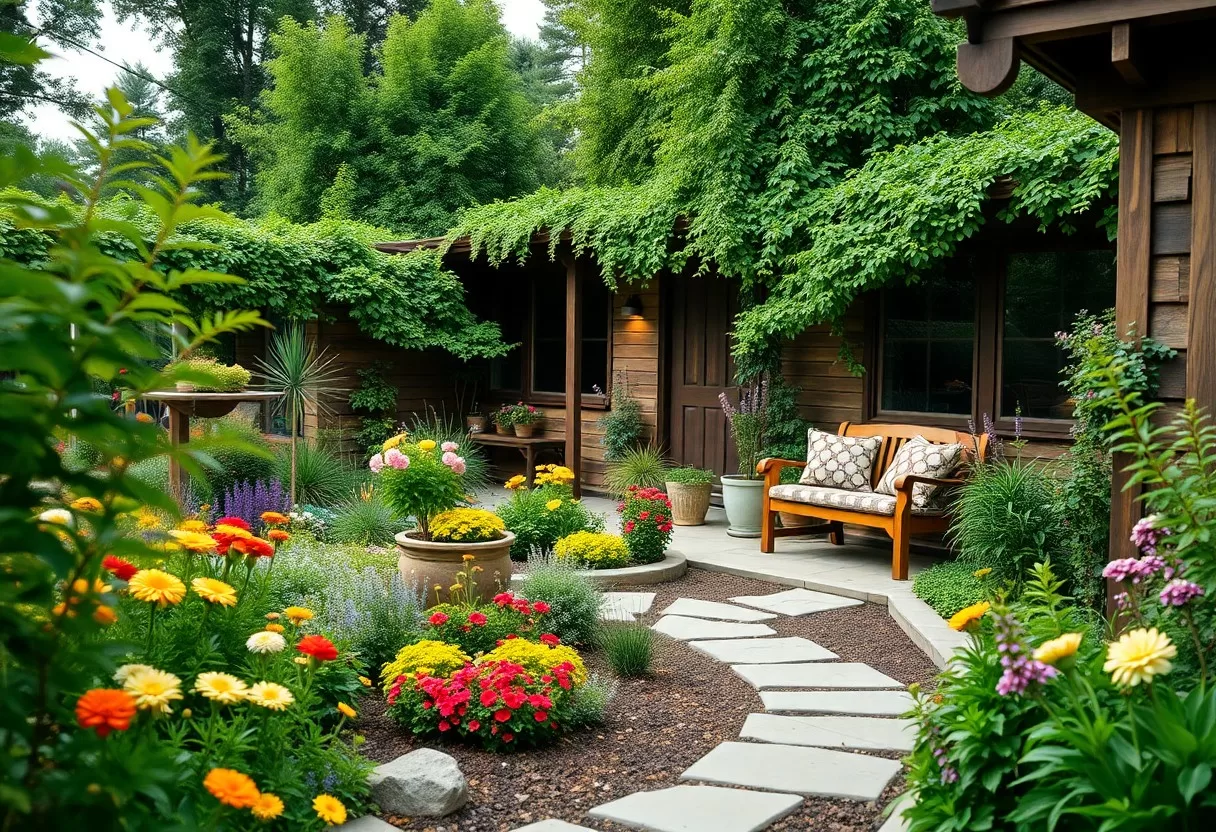
The Art of Plant Placement: Functional Design Principles
Good plant placement makes a garden easier to care for and nicer to look at. Put each plant where its sun and water needs are met, and give it room for its mature size, not the size in the pot; check the plant label for spread. Keep thirsty plants close to the hose or tap. Leave clear views from your main windows and seating areas, and repeat a few key plants along a bed so the eye moves smoothly. Planned this way, the garden almost looks after itself.
Layering: Utilizing Vertical Space for Visual Interest
Layering adds depth to your beds. Place tall plants and shrubs at the back, mid-height perennials in the middle and low groundcovers or edging plants at the front, so nothing hides behind something taller. Island beds you can walk around work the same way, with the tallest plants in the center. In tight spaces, go up: trellises, wall planters and climbers like clematis or climbing roses use vertical space, draw the eye upward and make a small garden feel fuller.
Creating Zones: Purposeful Grouping for Efficient Use
Dividing your garden into zones keeps it organized and easier to look after. Group plants with similar needs, so sun lovers share a bed and moisture-loving plants sit together in a damp spot. That way you water and feed each group the right amount without wasting effort. Zones also give each area a clear purpose, such as relaxing, growing vegetables or feeding pollinators, so the whole garden works harder for you.
Start by matching each zone to the right spot. Vegetables need at least six to eight hours of sun, so put raised beds in your brightest area, ideally close to the kitchen door. Keep beds around 4 feet wide so you can reach the middle from both sides. A shady corner suits ferns, hostas or a seating nook. Connect the zones with paths at least 3 feet wide for a wheelbarrow, or about 4 feet if two people will walk side by side. Sketching a simple map first saves a lot of digging later.
Sustainable Solutions: Eco-Friendly Practices for a Beautiful Garden
Eco-friendly habits make a garden healthier and cheaper to run. Start a compost pile or bin for kitchen scraps and yard waste, use organic fertilizers, and rotate vegetable crops each year to reduce pests and disease. Native plants and local materials, such as stone from a nearby quarry, cut down on watering and transport and give wildlife a home. For more ideas, read these effective ways to integrate natural elements into your garden design and outdoor spaces.
Water Conservation Techniques: Smart Irrigation and Rain Gardens
Water is easy to waste in a garden, so plan how you’ll use it. Drip irrigation and soaker hoses deliver water straight to the roots, and a timer with a rain sensor stops the system on wet days. Water early in the morning so less evaporates. A rain garden is a shallow planted dip that catches runoff from a roof or driveway and lets it soak in slowly, which reduces erosion and puddling. Add a few inches of mulch to beds to keep soil moist for longer.
Native Plants: The Role of Biodiversity in Garden Design
Native plants are the backbone of a low-maintenance, wildlife-friendly garden. They’re adapted to your area’s climate, soil and rainfall, so once they’re established they usually need less water, fertilizer and fuss than many imported ornamentals. They also feed the local insects that birds rely on. Your state’s native plant society or local extension office can give you a list of good choices for your region.
Native plants also boost biodiversity. Milkweed is the only food source for monarch caterpillars, and native grasses and seed heads give birds food and cover through the winter. Because natives are suited to local conditions, they tend to need less watering and fewer pesticides, which saves you time and money. Start small by swapping a few non-native plants for natives each season, and leave some seed heads standing in fall instead of cutting everything back.
Functional Accessories: Incorporating Features That Enhance Experience
Practical extras make a garden more comfortable to use. A bench in a shady spot, a birdbath you can see from the house and planters near the door all add charm and purpose. Outdoor lighting is worth planning early: low path lights make walking safe at night, and a few uplights on trees or warm string lights over a patio let you use the garden in the evening. Choose solar or low-voltage LED fixtures to keep running costs low.
Paths and Structures: Balancing Utility with Beauty
Paths should take you where you need to go while looking good along the way. Gentle curves feel natural, but don’t make them so winding that people cut across the lawn. Natural stone, gravel or wood chips blend into planting easily, and gravel drains well. Put stepping stones about 24 inches apart, center to center, to match a comfortable stride. An arbor or trellis can mark an entrance and support climbing plants, adding height and texture where the garden needs it.
Wildlife-Friendly Additions: Gardens that Attract Pollinators and Birds
A wildlife-friendly garden supports the pollinators and birds that keep plants healthy. Grow native plants that provide nectar, seeds and berries, and add birdhouses and a shallow water source. Leave a few areas a little wild, with leaf litter or a log pile for insects. Avoid broad-spectrum pesticides, which harm beneficial insects along with pests, and use untreated wood for structures. Small steps like these make your garden a welcoming place for wildlife.
To bring in more pollinators, plant nectar-rich flowers like echinacea, bee balm and zinnias in groups of three or more, which are easier for bees to find than single plants. Aim for something in bloom from spring through fall. A small water feature or birdbath gives birds a place to drink and bathe, and the sound of moving water is a bonus for you. Add native shrubs and small trees for shelter and nesting, and your garden becomes a busy, living place throughout the year.
Seasonal Transitions: Keeping Your Garden Dynamic Throughout the Year
A garden changes through the year, and you can plan for that. Choose plants that peak at different times, so something is always flowering, fruiting or showing good foliage. Think beyond flowers: bark, berries, seed heads and evergreen structure all carry interest through the colder months. When you plan color, texture and height for each season, your outdoor space stays appealing no matter what month it is.
Seasonal Planting Strategies: Ensuring Year-Round Aesthetics
For year-round interest, mix spring bulbs, summer perennials, plants with good fall color and a few winter evergreens. For example, early tulips, mid-summer daylilies and late-season asters keep color going for months. Add shrubs like dogwood with red winter stems, or ornamental grasses that stand through the cold, so the garden doesn’t look bare after the first frost.
Maintenance Made Easy: Simple Routines to Sustain Beauty
Keeping your garden looking good doesn’t take a lot of time if you stay on top of it. Spend a little time each week weeding and deadheading spent flowers, and do a quick check once a month for pests, disease and plants that need feeding. Small, regular sessions are much easier than one big cleanup.
Set up a simple routine you can stick with. Every couple of weeks, trim back plants that are crowding paths or neighbors, and top up mulch to hold moisture during dry spells. Once a month, walk the garden and note what’s thriving and what’s struggling, then adjust your watering or feeding. Keep tools clean, sharp and stored together near the garden so you can grab them quickly. These easy habits keep the garden beautiful without much stress.
Final Words
A garden that works with nature gives you beauty and function in the same space. Pick plants that suit your climate, design a layout that complements your house, and add paths, seating and water where they make the garden easier to use. Plan it in stages, start with the areas you’ll use most, and adjust as you learn what grows well. With careful planning, your garden can reflect your style, give you a calm place to relax and still be practical every day.
Design a functional, beautiful garden with the free AI garden and landscape designer.
Frequently Asked Questions
How do I design a garden that is both beautiful and practical?
Define zones for relaxing, growing food and storage, connect them with clear paths and choose plants that offer flowers, scent or harvests. Repeating plants and materials keeps it cohesive.
Where should I put vegetable beds?
In full sun, close to the kitchen and a water source, with easy access for daily care.
Related Guides
