
Minimaluxe Interiors – The Art Of Balancing Minimalism With Luxe Comfort
Minimalism can feel cold if you take it too far: bare walls, hard surfaces and nowhere soft to sit. Minimaluxe interiors fix that by keeping the clean, uncluttered look and adding comfort you can feel, like thick wool, warm wood and soft light. In this post you’ll learn how to bring luxurious elements into a simple room, how to balance clean lines with inviting textures, and which practical choices keep the space calm, easy to live in and easy to clean.
Table of Contents
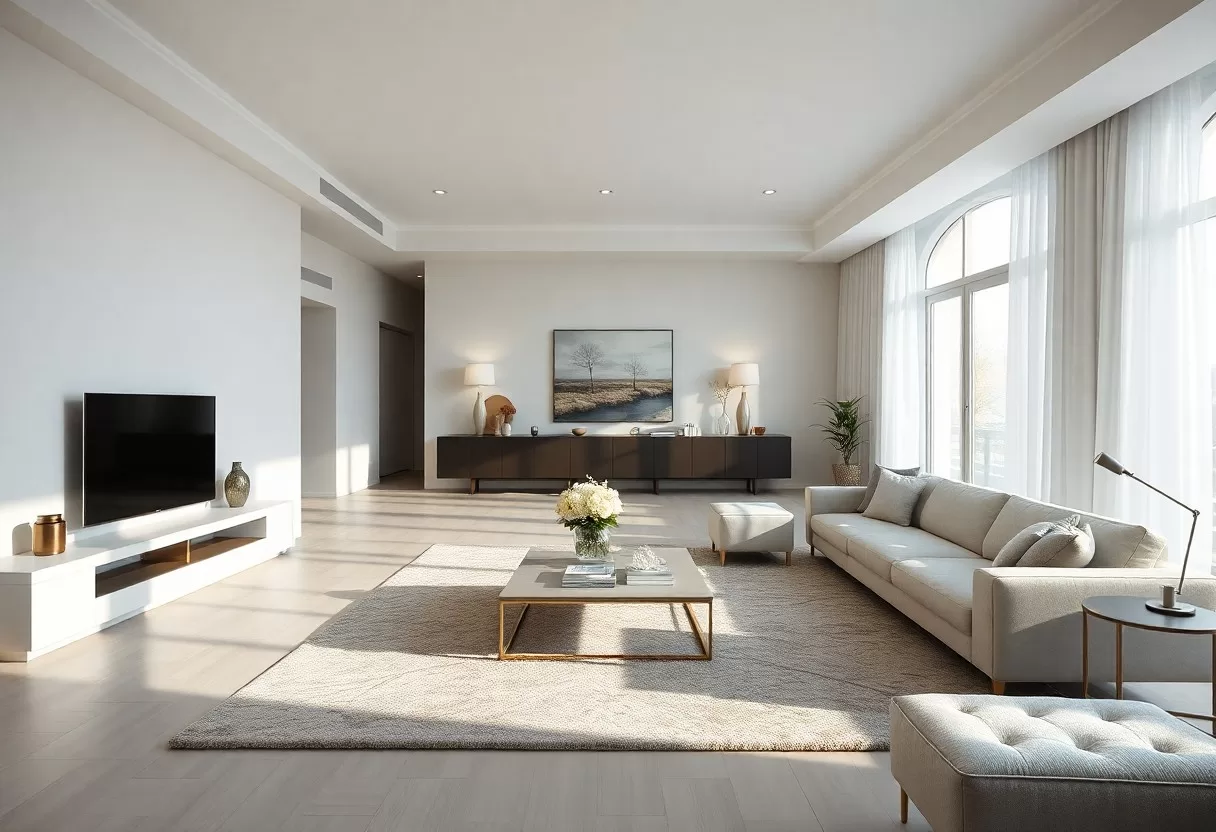
Key Takeaways:
- Minimaluxe interiors pair a pared-back layout with real comfort, so rooms look calm but still feel good to live in.
- Texture does the heavy lifting: wool, linen, bouclé and natural wood add warmth without adding clutter.
- Choose fewer, better pieces, and let one or two statement items set the tone for each room.
The Design Principles of Minimaluxe
Minimaluxe mixes the restraint of minimalism with the comfort of a well-run hotel room. The idea is simple: own fewer things, but make each one pleasant to look at and to use. A sofa should have clean lines and also be deep enough to curl up on. A side table should be simple and also solid enough to feel good under your hand. If you want background on where the term comes from, read the story behind Minimaluxe, then use the principles below to apply it in your own home.
The Essence of Minimalism in Interiors
Minimalism starts with editing. Clear surfaces, open floor space and simple shapes give your eye a place to rest. Before you buy anything new, remove what you don’t use or love, and you’ll be surprised how much calmer a room looks. Natural materials such as wood, stone, linen and brushed metal suit this approach because they bring quiet interest on their own. A good test: if you can wipe down a counter or shelf without moving more than a few items, you’re on the right track.
Luxurious Touches: Elevating Minimalist Spaces
Luxury in a minimal room comes from quality and touch, not quantity. Swap one or two everyday items for better versions: a wool or velvet throw, linen curtains that just kiss the floor, a solid wood dining table instead of a thin veneer. Add a little metal, such as brass or bronze hardware, and layer your lighting so the room never relies on a single ceiling fixture. Look for furniture with good joinery and comfortable proportions, because you’ll notice how a piece feels every day.
Small choices often make the biggest difference. A dense rug underfoot, ideally large enough that at least the front legs of your sofa and chairs sit on it, softens a room right away. One large piece of art usually looks calmer than a gallery of small frames. Layer textures within a tight color range, for example a linen sofa, a wool throw and a leather pouf, so the room feels rich without looking busy. Every object should earn its place, either because you use it often or because it makes you happy each time you see it. If an item does neither, store it or let it go.
Material Choices: The Balance of Texture and Elegance
Materials set the tone of a Minimaluxe room more than almost anything else. Aim for contrast in feel rather than in color: something soft (velvet, bouclé, wool cushions) next to something smooth (oiled oak, honed marble, brushed steel). That contrast keeps a simple room from feeling flat. Limit yourself to around three main materials per room, plus one accent, so the space stays cohesive. Before you commit, collect samples and look at them together in your own light at different times of day.
Natural vs. Synthetic: Finding the Right Materials
Natural and synthetic materials each have a place. Wood, stone, wool and linen age well and feel warm, but they need more care: stone counters may need sealing, and solid wood can mark or move with humidity. Performance fabrics, quartz and good laminates resist stains and scratches, which matters in kitchens, bathrooms and homes with kids or pets. A practical approach is to use natural materials where you touch and see them most, such as tabletops and textiles, and tougher synthetics where wear is heaviest.
The Role of Color Palettes in Minimaluxe Design
Color does a lot of quiet work in this style. Start with a restrained base of warm whites, soft greige, sand and stone tones, which let texture and form stand out. Pick paint undertones carefully: a white with a yellow or red undertone feels warmer than a stark blue-white, especially in north-facing rooms. Then add depth with one deeper shade or a metallic finish. Keeping the palette tight helps rooms flow into one another, which makes the whole home feel calm and considered.
Within that palette, vary the tone rather than adding more colors. Layering shades from the same family, such as warm beige walls, a taupe sofa and an oatmeal rug, creates depth without visual noise. If you want a richer note, bring in deep navy, forest green or chocolate brown on one element, like a velvet chair or a painted built-in. A handy guide is the 60-30-10 rule: about 60% main color, 30% secondary color and 10% accent. Minimaluxe interiors work best when color, texture and material all point in the same direction.
Functionality Meets Aesthetic
In Minimaluxe design, beauty and function go hand in hand. Every piece should have a clear job, and it should do that job comfortably. Before you buy, ask three questions: Do I need it? Will I use it every week? Does it fit the palette and materials I’ve chosen? This filter keeps rooms from filling up with near-misses. The result is a home that looks polished on an ordinary Tuesday, not just after a big tidy-up, and that stays easy to maintain.
Practical Design Solutions Without Clutter
Clutter works against this style, so plan storage before decor. Multifunctional furniture helps: a coffee table with a lift top or hidden drawer, a storage ottoman that doubles as extra seating, or an entry bench with baskets underneath. Built-in shelving and wall-mounted units free up floor space, which makes a room feel larger. Leave some shelf space empty, too. As a rough rule, keep about a third of each open shelf clear so the pieces you display have room to breathe.
Clever Storage Ideas for a Seamless Look
Good storage should almost disappear. Full-height cabinets with flat, handleless or push-to-open doors read as a wall rather than furniture, especially when painted the same color as the walls around them. Use high and low space for things you don’t need daily, and keep everyday items between hip and shoulder height so they’re easy to reach. Plan the inside layout before you order, measuring the things you’ll store, so books, files and hobby supplies each have a set place.
Look for storage in places you already have. Under-bed drawers, a bed frame with a lift-up base or a nightstand with a drawer instead of open shelves all hide everyday items. On open shelving, matching baskets or boxes in natural fiber keep mixed contents looking orderly. Give every category a home, and label the inside of boxes if it helps. When putting things away takes only a few seconds, your home stays tidy with very little effort, and that’s what makes the minimal look last.
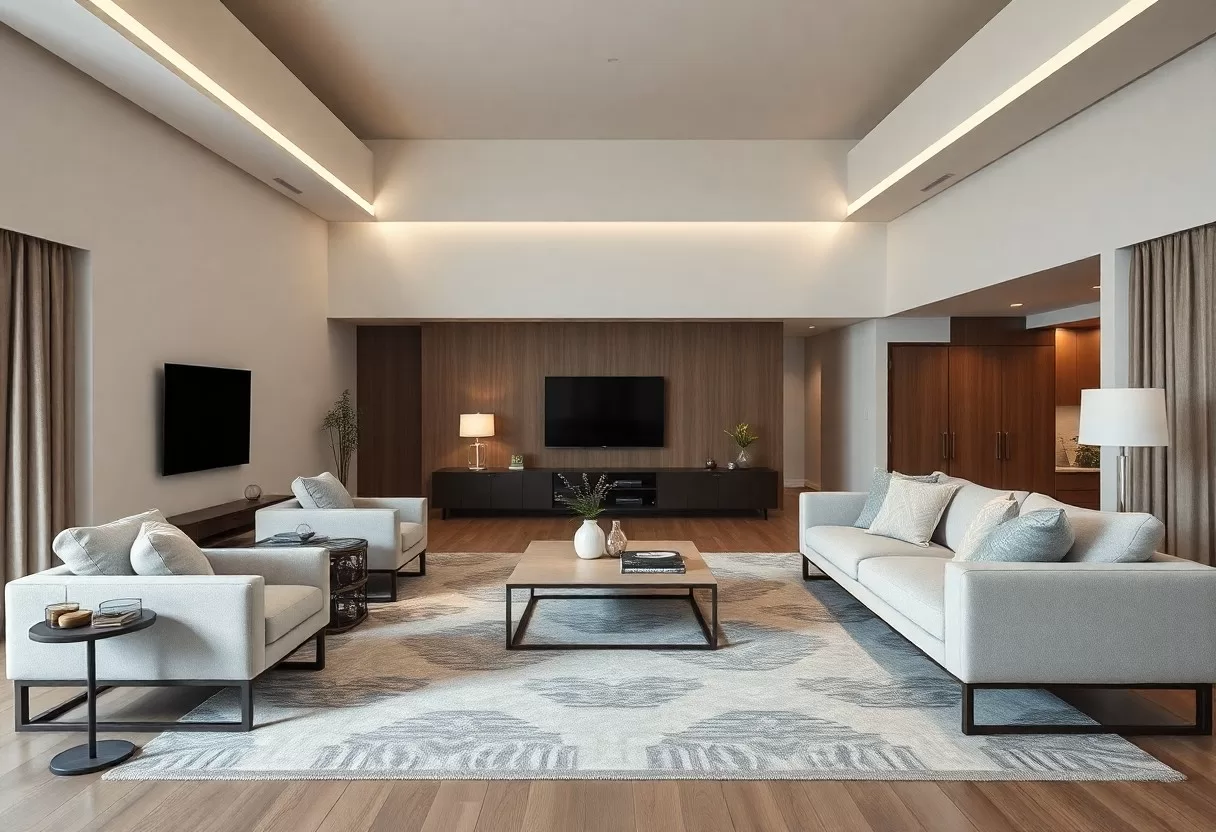
Crafting Atmosphere: Light and Space in Minimaluxe Interiors
In Minimaluxe interiors, light and space set the mood as much as any piece of furniture. Daylight brings out the grain of wood, the veining in stone and the weave of fabric, while good artificial lighting keeps rooms warm after dark. Arrange furniture so it doesn’t block windows or main walkways, and the room will feel both open and generous. For more background on the style, see Minimaluxe Interior Design: Everything You Must Know ….
Maximizing Natural Light for Depth and Warmth
Make the most of the daylight you have. Keep window areas clear, choose sheer linen or light-filtering shades instead of heavy drapes, and mount curtain rods a few inches above the frame and wider than the window so the panels stack off the glass. A large mirror near or across from a window bounces light deeper into the room. Light floors and walls reflect more light, too. After dark, use warm bulbs around 2700 K and put lamps at different heights so the room glows instead of looking flat.
The Impact of Spatial Arrangement on Comfort and Luxury
How you arrange furniture affects comfort as much as what you buy. Start by choosing a focal point, such as a fireplace, a view or one strong piece of art, and turn the main seating toward it. Keep main walkways about 36 inches wide, and leave roughly 16 to 18 inches between the sofa and the coffee table so legs and drinks are both easy to manage. In a conversation group, keep seats close enough that people can talk without raising their voices, about 8 feet apart at most.
Think in zones. Even an open-plan room can hold a lounge corner, a dining spot and a small work area if each zone has its own anchor, such as a rug, a pendant light or a change in furniture direction. Placing the dining table near a window makes everyday meals feel special, and pulling seating into a tight group makes a big room feel more intimate. Minimaluxe interiors depend on this kind of planning, because a clear layout lets fewer pieces feel generous rather than sparse. Sketching the room first, even roughly, helps you test spacing before you move anything heavy.
Key Trends Shaping Minimaluxe Interiors
Several trends are shaping Minimaluxe interiors right now. Rounded, softer furniture shapes are replacing hard edges. Warm neutrals have largely taken over from cool grays. Textured surfaces, such as limewash or plaster-look walls, fluted wood and bouclé, add interest without adding objects. Many designers also pair a neutral base with one bold accent, like a rust armchair or a dark stained cabinet. You don’t need to follow every trend; pick the ones that suit your home and will still feel right in ten years.
Sustainability in Minimaluxe Living
Sustainability fits naturally with Minimaluxe interiors, since the style already favors buying less and buying better. Look for reclaimed or responsibly sourced wood (FSC certification is a useful marker), natural fabrics like linen, wool and organic cotton, and low-VOC paints and finishes. Energy-efficient appliances and LED lighting lower running costs over time. Durable, well-made pieces also mean fewer replacements, which is good for your budget and creates less waste.
Technology Integration for Modern Convenience
Technology should stay out of sight in a minimal room. Smart home systems let you control lighting, heating and security from your phone or a wall panel, which means fewer switches and gadgets on display. Plan for it early: decide where the router, speakers and chargers will live, and run cables inside walls or furniture so surfaces stay clear.
Small upgrades go a long way. A smart thermostat can learn your schedule and avoid heating or cooling an empty house. Dimmable smart bulbs let you shift from bright task light to a soft evening glow with one tap. Motorized shades can close on their own in strong afternoon sun, which helps protect floors and fabrics from fading. Choose devices that work on the same platform so you’re not juggling several apps, and keep simple manual controls for guests. The goal is comfort with less effort, not more gadgets.
Final Words
Minimaluxe interiors are about balance: fewer things, chosen well, in a home that still feels warm and personal. Start with editing and storage, settle on a tight palette and a few quality materials, then add comfort through texture and layered lighting. Take it one room at a time, and buy slowly so each piece earns its spot. Done this way, your home will feel calm, refined and easy to live in every day.
See a minimaluxe version of your room with the free AI interior design generator.
What’s your interior design style?
Answer 6 quick questions to discover the style that fits you — and how to bring it home.
Frequently Asked Questions
What is minimaluxe style?
Minimaluxe combines minimalist restraint with luxurious materials: fewer pieces, clean lines and calm colors, but rich textures such as bouclé, marble, velvet and warm wood.
How is minimaluxe different from minimalism?
Classic minimalism focuses on reducing everything. Minimaluxe keeps the calm, uncluttered look but adds softness, warmth and tactile luxury so rooms feel inviting.
Related Guides
