
How to Declutter Your Space: A Step-by-Step Guide to Minimalism
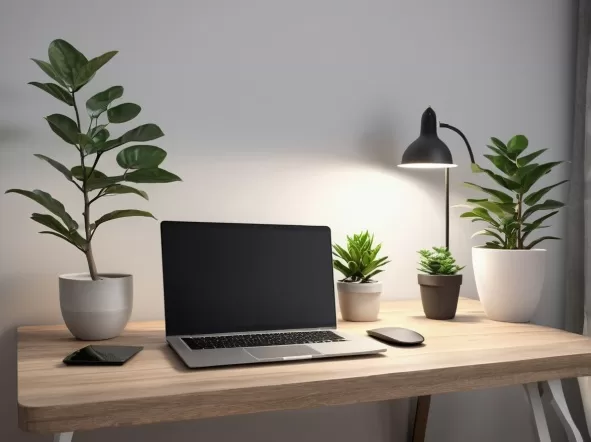
Your home should be the place where you unwind after a long day. For many of us, though, it slowly fills with stuff until it feels more stressful than restful. Decluttering is about more than tossing things. It is about taking back your rooms, clearing your head and keeping only what you actually use and love. That is the simple idea behind minimalism, and you can start with a single drawer.
Key Takeaways: How to Declutter
- How to declutter: start small, with low-emotion areas.
- Define why you want less, then sort room by room.
- Daily resets keep clutter from coming back.
Table of Contents
This guide walks you through decluttering your space and adopting minimalism step by step, with practical methods you can use this weekend and habits that keep the results from fading.
Introduction
Shopping is easy and storage fills up fast, so many people are turning to minimalism to simplify their lives. Minimalism isn’t only about getting rid of things. It’s a conscious choice to keep what serves you and let the rest go.
Clutter can also weigh on your mood. A study from UCLA’s Center on Everyday Lives and Families found that mothers who described their homes as cluttered tended to have less healthy daily patterns of cortisol, the stress hormone. Many people simply feel overwhelmed by the amount of stuff in their homes, and that feeling makes it harder to start.
Minimalism offers a way out of that overwhelm. Owning less means less to clean, store and keep track of, and a home that supports the way you want to live. The hardest part is knowing where to begin, so here is a clear path you can follow, one step at a time.
1. The Foundations of Minimalism
Before you start, it helps to understand the thinking behind minimalism. It means deliberately keeping the things you value most and removing what distracts you from them. You live with less stuff, but you gain more time, more clarity and more calm. It does not mean bare white rooms. A minimalist home can be warm and personal, as long as every item earns its place.
a. Why Minimalism?
By one often-quoted estimate cited in the LA Times, the average American home holds around 300,000 items. Whatever the exact figure, most of us own far more than we use. New purchases tend to give a short burst of happiness that fades quickly, which is why the urge to buy keeps coming back. Minimalism is about choosing fewer, better possessions and enjoying the freedom that comes with them.
b. The Benefits of Decluttering
- Mental Clarity: Clutter bombards the mind with excessive stimuli, making it difficult to focus and relax.
- Financial Freedom: By reducing the urge to constantly buy new things, minimalism encourages mindful spending.
- More Time: Less stuff means less cleaning and maintenance, so you have more time for what matters to you.
- Sustainability: Owning fewer items reduces our environmental footprint, aligning with eco-friendly living.

2. Step 1: Defining Your Why
Decluttering can stir up emotions, so define your motivation before you begin. Ask yourself why you want to live with less. Maybe you want more space, less stress, faster mornings or a home that is easier to clean. Write your reason down and keep it where you will see it. When you’re stuck holding an item you can’t decide on, your “why” gives you the resolve to keep going.
a. The Emotional Attachment to Stuff
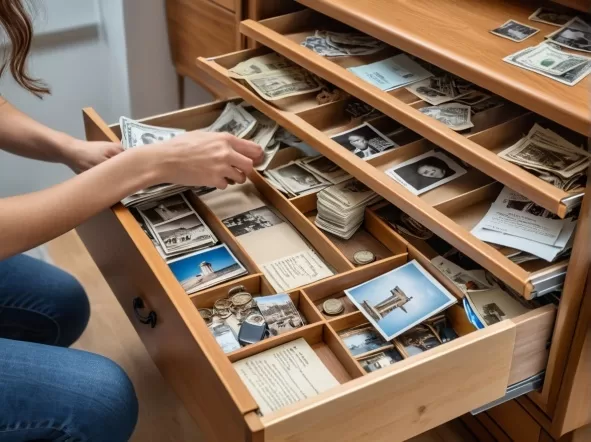
Many of us attach memories to objects. The trick is to separate the memory from the thing itself. Keeping items out of guilt or nostalgia only creates clutter. Photograph sentimental pieces before you let them go, or keep one small memory box per person for the few things you can’t part with. If an item was a gift, remember that the gift was the gesture, and you are allowed to pass it on.
b. Setting Realistic Goals
Start small. Trying to declutter an entire home in one weekend usually ends in burnout and half-sorted piles. Set manageable goals instead, such as one room at a time, one shelf a day or 15 minutes each evening. Finish each session by taking donations to the car and trash to the bin, so the work you did actually leaves the house.
3. Step 2: The Decluttering Process
Decluttering is a marathon, not a sprint. If you’re wondering how to declutter without getting overwhelmed, follow these steps in order:
a. The 4-Box Method
The 4-Box Method is a simple system that helps you make clear decisions about your belongings. Label four boxes: Keep, Donate, Trash and Relocate.
Work through each space and place every item in one of the boxes. This makes you handle each object and decide on purpose where it belongs. Relocate is for things that live in another room, and you empty it at the end of each session. Don’t let the Donate box sit around for weeks, or items will sneak back out.
b. Decluttering Room by Room
Start with the least emotional spaces, such as the kitchen, bathroom or linen closet. These areas hold fewer sentimental items, so decisions come quickly and you build momentum. Toss expired food, medicine and cosmetics, and donate duplicate gadgets. Then move on to harder spaces like the bedroom, living room or home office, and leave photos, letters and keepsakes for last.
c. Marie Kondo’s “Spark Joy” Method
Marie Kondo, a well-known figure in the decluttering world, suggests keeping only items that “spark joy.” It may sound a bit soft, but it works better than you might expect. Hold each item in your hands and notice how you feel. If it doesn’t bring you happiness or serve a clear purpose, thank it and let it go. Her method also sorts by category, all clothes first, then books, rather than room by room.
4. Step 3: Organizing Your Space
After decluttering, organizing is the next step. Here’s how to create a minimalist and functional space where everything has a home:
a. Storage Solutions for a Minimalist Home
While minimalism means owning less, it doesn’t mean owning nothing. The goal is to store what you keep so your home stays clean and open, and so each item is easy to find and easy to put back.
- Use multi-functional furniture like storage ottomans or beds with built-in drawers.
- Maximize vertical space with shelves or cabinets that go up to the ceiling.
- Limit visible storage: Instead of open shelves filled with items, opt for closed storage solutions to reduce visual clutter.
b. Embrace Negative Space
In minimalism, empty space is a good thing. Negative space gives your eyes room to rest and makes a room feel more open. Resist the urge to fill every surface. Leave part of a shelf bare, keep counters mostly clear and choose a few larger pieces of art over many small ones. A room with breathing room often looks more finished, not less.

5. Step 4: Maintaining Minimalism
Decluttering is only the first step. The real challenge is keeping your home that way over the long term, which comes down to a few simple habits.
a. One In, One Out Rule
For every new item you bring into your home, remove one. This keeps your space from filling up again and makes you think twice about new purchases. It works especially well for clothes, shoes, toys and kitchen gadgets. Keep a donation bag in a closet so letting go of the old item takes seconds.
b. Regular Decluttering Sessions
Minimalism isn’t a one-time project. Schedule regular decluttering sessions, monthly or with each change of season, to review what you own and keep your space clear. Seasonal wardrobe swaps are a natural time to do this. A quick daily reset of 10 minutes, putting things back where they belong, stops small messes from turning into big ones.
c. Mindful Consumption
Minimalism teaches you to be a more conscious consumer. Instead of buying on impulse, choose well-made items that last and serve a real purpose. Try waiting a few days, or even 30, before buying anything you don’t need right away. Often the urge passes. This cuts waste and fits the minimalist idea of owning less but owning better.
6. Minimalism in Other Aspects of Life
Minimalism isn’t just for your physical space. It’s a mindset you can apply to other areas of your life as well.
a. Digital Declutter
Your digital space can be as cluttered as your home. Unsubscribe from newsletters you never read, archive old email, sort your files into a few clear folders and delete apps you haven’t opened in months. Turning off non-essential notifications helps a lot too. Many people find that a clean desktop and a quiet phone make it easier to focus.
b. Minimalist Calendar
Reduce the chaos in your schedule by cutting out non-essential commitments. Focus on the ones that match your goals and values, and leave room for rest. Try keeping one evening a week completely free. A calendar with some white space is easier to manage, just like a shelf with some empty room.
c. Financial Minimalism
Minimalism in your finances means cutting unnecessary expenses and simplifying your budget. Cancel subscriptions you don’t use, consolidate accounts where you can and automate your savings. Spending less on stuff frees up money for paying down debt, saving and the experiences you care about.
Organized-home habit tracker
Tick the habits and systems you already have. Each one you add makes the house easier to keep tidy.
Conclusion
Decluttering your space is more than a weekend project. It’s a process that leads to lasting change. Minimalism teaches you to live with intention and focus on what matters to you. Follow this step-by-step guide and you’ll end up with a more organized home and a simpler, calmer mindset that reaches well beyond your living room.
Minimalism takes some effort at first, but the rewards are worth it: a home with more clarity, fewer distractions and the freedom to focus on what matters most.
Plan storage for what you keep with the online room layout designer.
Frequently Asked Questions
Where should I start decluttering?
Start with an easy, low-emotion area such as a bathroom drawer or the entryway. Quick wins build momentum before you tackle closets, papers or sentimental items.
How do I keep my home from getting cluttered again?
Give everything a home, follow a one-in-one-out rule and do a short daily reset. Regular small decluttering sessions prevent big buildups.
Related Guides
