
Japandi – How to Master the Serene Fusion of Japanese & Scandinavian Styles
Japandi blends Japanese minimalism with Scandinavian comfort and function, and you can build it up in your home over time. The Japandi style relies on clean lines, natural materials and a muted color palette to make a room feel calm and inviting at the same time. This guide walks you through the key design principles, from color and furniture to textiles and upkeep, so you can create a peaceful room that still reflects your personal taste.
Table of Contents
Key Takeaways:
- Keeps things simple and functional, with clean lines and only the pieces you really use.
- Relies on natural materials and earthy colors for a calm, grounded feel.
- Pairs Japanese craftsmanship with Scandinavian coziness.
Understanding Japandi Style
At its core, Japandi style blends Japanese and Scandinavian design so that every piece earns its place and the room stays calm. Both traditions value craftsmanship, simple forms and natural materials. Two ideas sit underneath it. From Japan comes wabi-sabi, the appreciation of imperfect, handmade and aging things. From Scandinavia comes hygge, the Danish idea of everyday coziness. Put together, they give you rooms that feel uncluttered but never cold.
The Basics of Japanese Design
Japanese design focuses on minimalism and a close link to nature. It values simplicity and careful detail, with features like shoji screens that soften daylight and tatami mats that define floor space. Muted colors and clean lines keep the eye at rest. Another key idea is ma, the deliberate use of empty space. In a Japanese room, the open areas matter as much as the objects, which is why a single vase on a low table can look complete.
The Essence of Scandinavian Aesthetics
Scandinavian design puts functionality and comfort first. Rooms tend to be bright and airy, built to make the most of limited winter daylight. Solid wood, good joinery and durable materials add warmth and last for years. Soft textiles like wool and linen bring texture, and a neutral palette keeps the mood relaxed. Where Japanese interiors can feel austere, Scandinavian ones add a lived-in softness.
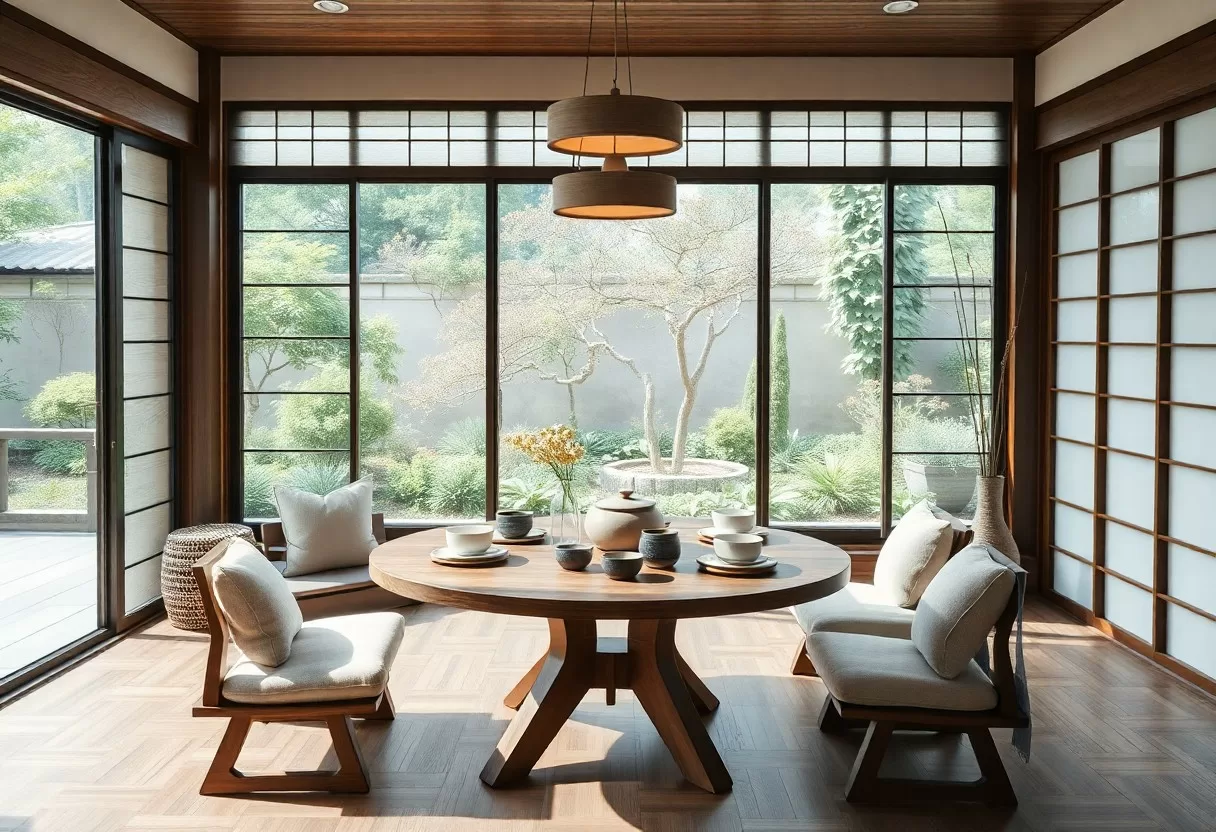
Much of that softness comes from hygge, the Danish idea of comfort and well-being. Think wooden furniture, functional decor and a few pieces with a personal story behind them. The style also favors open layouts and a strong connection to the outdoors, so rooms flow into one another. Simple pendant lights, table lamps and candles create pools of warm light in the evening, which is a big part of the Scandinavian feel.
How to Achieve Japandi Harmony
Getting the balance right in a Japandi room means pairing Scandinavian simplicity with Japanese calm. Start with functionality and serenity in your layout and furniture. Every piece should do a job and keep the room feeling quiet. Walk through the space and list what you actually use each day; that list is your starting point. For more background on the look, read Japandi Style 2025: Minimalist Luxury with a Soulful Twist.
Selecting the Right Color Palette
Your color palette ties the whole look together. Stick with muted, natural hues like soft beige, warm grey and earthy tones such as clay, sand and olive. Add a few darker accents, like charcoal or navy, to give the room depth without making it heavy. Keep walls and large surfaces light and put the dark shades into smaller items, such as a lamp base, a picture frame or a ceramic bowl. These colors let your natural materials stand out.
Wood tones are part of your palette too. Japanese interiors often use darker wood, while Scandinavian rooms lean toward pale oak, ash and birch. Mixing both is very Japandi, but pick one main tone for the big pieces and use the other as an accent. Paint with warm undertones keeps a neutral room from feeling chilly, so test samples on your wall in both morning and evening light before you commit.
Balancing Minimalism and Warmth
The hardest part of Japandi is keeping a room minimal without making it feel cold. Natural materials do most of that work, so lean on wood, rattan and soft textiles. Choose furniture with clean lines, then add a few warm touches such as a plush throw or a handmade vase. Plants help as well. A snake plant, a small olive tree or a single branch in a tall vase brings life to the room without adding clutter.
Layering textures is the simplest way to add warmth. Use natural-fiber rugs and linen curtains to soften the room while keeping the furniture streamlined. In a Japandi room, even a plain wooden shelf or a ceramic bowl can carry a lot of personality. Mix smooth and rough surfaces, such as a polished table with a nubby wool throw, so the eye has something to rest on. Keep each layer quiet and choose pieces that fit the way you live.
Key Elements of Japandi Decor
Japandi decor brings together Japanese minimalism and Scandinavian functionality to create rooms that feel calm and welcoming. The essentials are a muted color palette, natural materials and respect for good craftsmanship. Every piece of furniture and decor is chosen to balance looks and everyday use. The result is a home that feels peaceful but still works hard for you.
Furniture Choices for a Japandi Look
Choose furniture with clean lines and natural finishes. Look for pieces in light wood like oak or ash, or in bamboo, with simple shapes and visible joinery. Low-profile seating, such as a simple Scandinavian sofa or floor cushions on a tatami-style mat, keeps the room feeling grounded and calm. Low furniture also leaves more open wall above it, which makes a room feel larger. Leave about 18 inches between your sofa and coffee table so you can move around easily.
Incorporating Natural Materials
Natural materials are at the heart of the Japandi look. Use wood, stone, clay and fabrics made from natural fibers. These materials ground a room and connect it to the outdoors. Locally made or handmade pieces add authenticity, and small flaws in a hand-thrown bowl or a knot in a wooden tabletop fit the wabi-sabi idea perfectly. Avoid glossy plastics and high-shine finishes, which work against the look.
Natural materials are often a more sustainable choice as well. Reclaimed wood furniture adds character and history, and stone accents bring texture and weight. Cotton or linen cushions and throws add softness. Buying fewer, better-made pieces is also in the spirit of both traditions, since good furniture can last for decades and be repaired instead of replaced. Choose with care and your home will feel calm and comfortable for years.
Tips for Creating a Serene Space
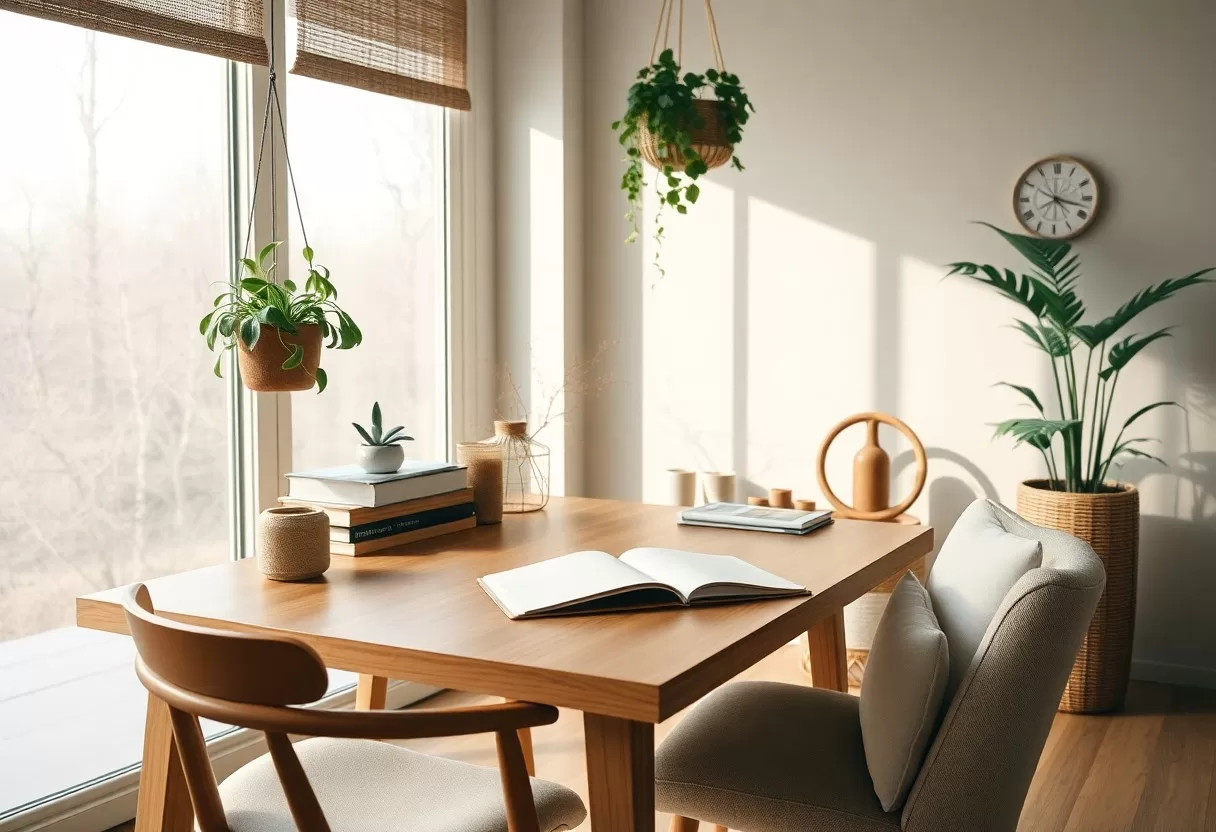
A few simple principles will keep your space serene. First, practice minimalism: declutter and make sure every piece has a purpose. Next, use natural materials such as wood, stone and bamboo for an organic feel. Keep the palette built on neutral tones. Finally, add a few meaningful objects that show your personality without crowding the room. Follow these steps and you’ll have a balanced space that captures what Japandi design is about.
Enhancing Natural Light
Natural light has a big effect on how a Japandi room feels. Place a mirror across from or beside a window to bounce light deeper into the room. Choose sheer linen or paper-style shades that let sunlight filter through while keeping your privacy. Light wall colors brighten things further. After dark, use warm bulbs around 2700 K and several low lamps instead of one bright overhead fixture, so the room keeps its soft, calm glow.
Choosing Textiles Wisely
The right textiles make a room cozy while keeping it minimal. Choose natural fabrics like cotton, linen and wool, which suit both Japanese and Scandinavian tastes. If you use patterns, keep them subtle, such as simple stripes or a small indigo print, and pair them with soft, neutral colors. Layering textiles adds warmth and comfort, but stop before the room feels crowded. A few well-chosen pieces will feel calmer than many.
Textiles also change how a space feels to live in. Pick pieces that are both practical and beautiful, like a wool throw for winter and light cotton cushion covers for summer. Handcrafted items, such as a hand-woven rug, add a unique touch and nod to the craft traditions of both cultures. Swap a few textiles with the seasons to keep the room fresh. Just don’t overdo the layers, because restraint is what makes the Japandi style work.
Factors to Consider in Japandi Design
When you plan a room in the Japandi style, a few factors shape both the look and how well it works. Start with your color palettes and keep to muted tones. Choose furniture that can do double duty, like a bench with storage. Favor natural materials such as wood and stone for warmth, and bring in elements inspired by nature, like plants and branches. Keeping these points in mind will guide your decor choices. For a fuller overview, read Japandi Style: Everything You Need to Know.
Functionality vs. Aesthetics
Japandi design needs a balance between functionality and aesthetics. Each piece should look good and serve a purpose. A low coffee table with a hidden drawer, a bed with built-in storage or a set of nesting side tables all save space without adding clutter. Before you buy something new, ask what it will do for you every day. If the answer is nothing, it probably doesn’t belong in the room.
Personalization in a Japandi Home
Personal touches make a Japandi home feel like yours. Add artworks or decorative pieces that reflect who you are and still fit the overall theme. Let your personality show, but keep the minimalist approach in mind. One large piece of art usually works better than a crowded gallery wall.
Beyond art, think about heirlooms or handmade items that tell your story. These pieces make a space feel warm and personal while keeping the simplicity of Japandi design. Set them against calm colors and clean lines so they stand out. Rotate a few objects each season instead of showing everything at once, a habit borrowed from Japanese homes. That way your favorite things get attention, and the room still reflects you.
Maintenance of Japandi Interiors
Keeping a Japandi interior looking its best takes regular, gentle care. Both traditions value things that last, so look after your pieces instead of replacing them. A short weekly routine of dusting, putting things away and checking for wear keeps the materials beautiful and the room calm.
Cleaning Practices for Natural Materials
Clean natural materials like wood and textiles gently. Dust with a soft, dry cloth and use water with a few drops of mild soap for deeper cleaning, then dry wood right away. Avoid harsh chemicals that can strip finishes or fade colors. Oiled wood benefits from a fresh coat of furniture oil about once or twice a year. Wash linen and cotton in cool water to limit shrinking, and air out wool throws instead of washing them often.
Keeping a Clutter-Free Space
A clutter-free space lets the simplicity of Japandi design shine. Review your belongings regularly and try a ‘one in, one out’ rule for new items. Give everyday things a set home, like a tray for keys or a basket for remotes, so surfaces stay clear and the room looks orderly.
Choose storage that blends into the decor, such as plain cabinets with flush doors or bins that slide under furniture. Ottomans and benches with hidden storage keep items out of sight. Declutter regularly by asking what you really use. A quick ten-minute reset each evening keeps things from piling up, and a tidy room tends to feel calmer to come home to.
What’s your interior design style?
Answer 6 quick questions to discover the style that fits you — and how to bring it home.
Conclusion
Mastering Japandi comes down to a few things: minimalism, natural materials and a balanced color palette. Keep your decor simple and use wood, ceramics and natural textiles that suit both traditions. Blend practical furniture with calm colors, and you’ll create a living space that feels peaceful. Make it personal too, so each piece adds to the quiet, welcoming mood you want.
Q: What are the key characteristics of Japandi style?
A: Japandi style combines minimalism from Japanese aesthetics and warmth from Scandinavian design. Key characteristics include natural materials, neutral color palettes, functional furniture, and a strong emphasis on craftsmanship. Balance and simplicity are vital, with an appreciation for space and light.
Q: How can I incorporate Japandi elements into my home?
A: To incorporate Japandi elements, focus on decluttering and choosing multifunctional furniture. Use organic materials like wood and bamboo, opt for a muted color scheme with earthy tones, and include plants for a touch of nature. Subtle decor items that celebrate craftsmanship, such as handmade pottery, enhance the aesthetic.
Q: What are some common mistakes to avoid when designing in Japandi style?
A: Common mistakes include over-accessorizing, which contradicts the minimalistic approach, and mixing too many contrasting styles, which can disrupt the peaceful ambiance. Avoid overly bold colors; instead, choose calming and cohesive shades. Also, neglecting functionality in furniture selection can hinder the practicality that defines Japandi.
See your room in Japandi style with the free AI interior design generator.
Frequently Asked Questions
What is Japandi style?
Japandi is a hybrid of Japanese and Scandinavian design. It combines the simplicity and craftsmanship of Japanese interiors with the coziness and function of Scandinavian homes, using natural wood, linen, stone and a calm, neutral palette.
What colors work in a Japandi interior?
Warm whites, beige, greige, soft clay and charcoal form the base, with muted greens or deep browns as accents. Contrast between light and dark wood is a signature of the style.
How do I make a room Japandi on a budget?
Declutter first, then add a few natural-material pieces such as a wooden stool, linen curtains or a ceramic vase. Low furniture, plants and simple lighting achieve the look without a full makeover.
Related Guides
