
Pattern Drenching – Mastering Maximalist Prints Across Walls and Upholstery
Pattern drenching covers walls, upholstery and accessories in bold prints for a confident maximalist look. It works when patterns share colors and vary in scale. Here is how to choose and combine prints so the room feels lively and curated rather than chaotic.
Table of Contents
Key Takeaways: Maximalist Patterns
- Bold prints look cohesive when you carry them across both walls and upholstery.
- Layering patterns works when you control color and scale, which keeps the room from feeling chaotic.
- Accessories and art that echo your prints add depth and tie the whole design together.
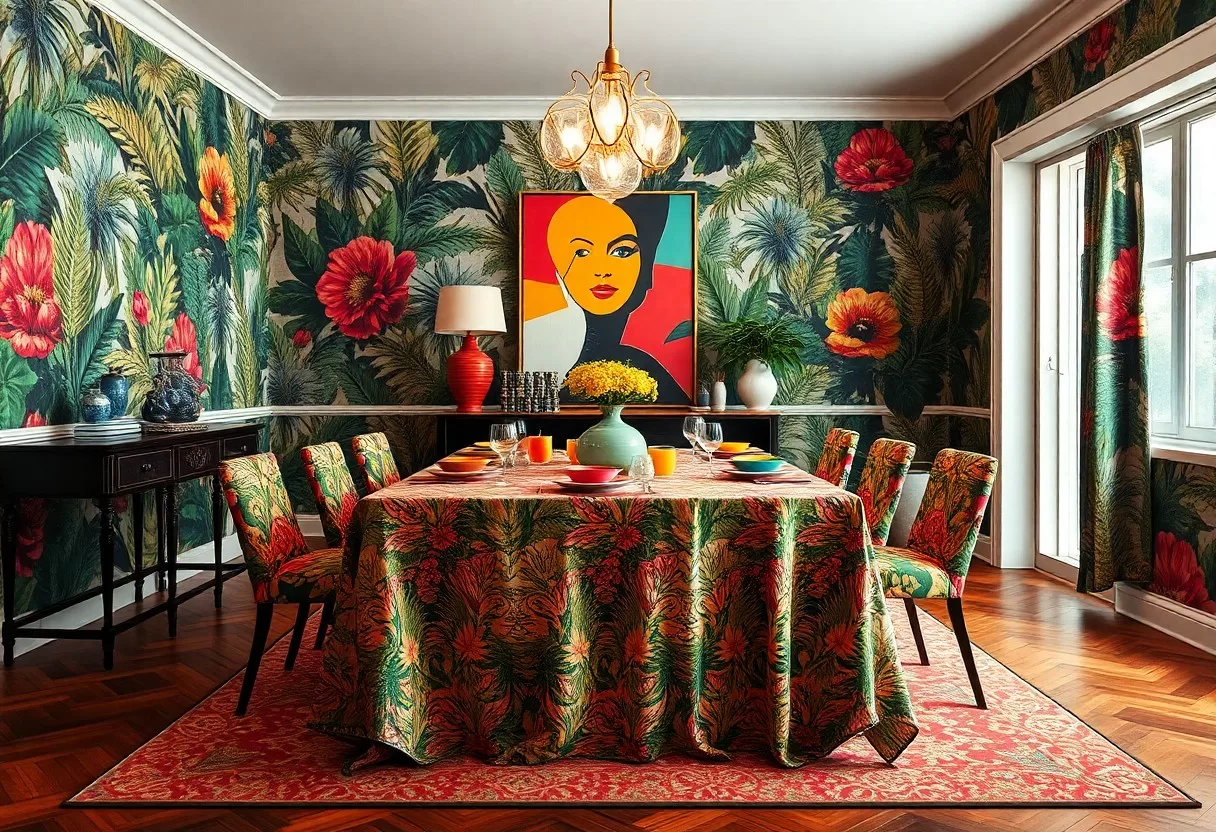
The Art of Maximalist Prints
Getting maximalist prints right comes down to knowing how to mix bold designs so they work together. You bring energy and personality into a room by layering patterns across walls, upholstery and decor. The style welcomes an eclectic mix of motifs, colors and textures, and it favors abundance over minimalism. Choose your combinations with care and the result feels lively and personal instead of busy.
Understanding Maximalism
Maximalism is all about boldness: rich colors, varied patterns and layered textures. It lets you show your personality freely and bend the usual design rules. The style celebrates abundance and encourages you to mix prints, shapes and styles that speak to your taste. Done well, the room feels immersive and full of things to look at. The trick is that it still needs a plan. A good maximalist room looks collected over time, not thrown together.
The History of Bold Patterns
Bold patterns have a long history in design across many cultures and eras. From the intricate textiles of the Ottoman Empire to the bright designs of 1960s psychedelic art, patterns have changed along with society and artistic taste. William Morris, a leading figure in the Arts and Crafts movement, showed how richly patterned wallpapers and textiles could shape a whole room. Today, many fabric and wallpaper makers have revived bold historical designs, so maximalist patterns are easier than ever to find for modern interiors.
Choosing the Right Patterns
Choosing patterns takes more than picking what catches your eye. Look at your existing decor first and think about how new designs will fit with it. Decide on the mood you want, whether that’s eclectic and lively or calmer and more muted. A clear plan helps you balance prints so the room feels full but not overwhelming. Bring home samples and tape them up together for a few days before you commit.
Complementary vs. Contrasting Prints
Choosing between complementary and contrasting prints shapes the story your room tells. Complementary prints share colors or motifs and blend smoothly, while contrasting prints bring energy and excitement. Most good maximalist rooms use both, with one or two calm, related patterns supporting a bolder statement print. Making these choices on purpose gives you a layered look that holds attention without tipping into chaos.
Scale and Proportion in Design
Scale and proportion make or break a print combination. Large-scale patterns grab attention and can dominate a room, while smaller prints add subtle texture. Aim for balance by mixing sizes. A simple rule many designers use is to combine one large print, one medium print and one small print, so no single pattern overpowers the others.
Getting scale right is about letting prints play off each other. If you choose a big, oversized floral for your sofa, pair it with small geometric shapes on pillows or curtains. That mix leads the eye around the room and keeps it lively but balanced. Think about room size, too. Large rooms can handle bigger, bolder patterns, while small, cozy rooms usually look better with a more restrained approach. Good use of scale adds visual interest and helps the whole design feel unified.
Color Theory for Maximalist Decor
A basic grasp of color theory makes it easier to put together striking maximalist rooms. Colors affect mood, so choose hues that set the tone you want in each space. Bright, saturated colors bring energy, while softer shades create calm spots amid all the pattern. Colors that sit next to each other on the color wheel feel restful together, and opposites like blue and orange add excitement and draw the eye.
Creating a Cohesive Color Palette
A cohesive color palette makes combining many prints far less overwhelming. Start with one dominant color that suits your style and mood, then add two or three supporting colors that either complement or contrast with it. Many designers use the 60-30-10 guideline: about 60% dominant color, 30% secondary and 10% accent. That leaves room for an extravagant look while keeping the space balanced. Using lighter and darker versions of the same color family also adds depth without overloading the senses.
Incorporating Neutrals into the Mix
Neutrals ground a maximalist design and make your colors and prints stand out. They give the eye a place to rest between bold patterns. Use neutral tones on a large piece of upholstery, a rug, some furniture or part of the walls to keep the room balanced while it still feels lively and pulled together.
Using neutrals doesn’t make a room bland. Deep grays, warm beiges and soft whites add warmth and texture and give your bright patterns the contrast they need. A plush beige sofa set against colorful wallpaper and patterned cushions, for example, becomes a focal point without overwhelming the eye. Natural materials like wood, rattan, linen or stone work as neutrals too, and they make a maximalist room feel inviting, lively and polished at the same time.
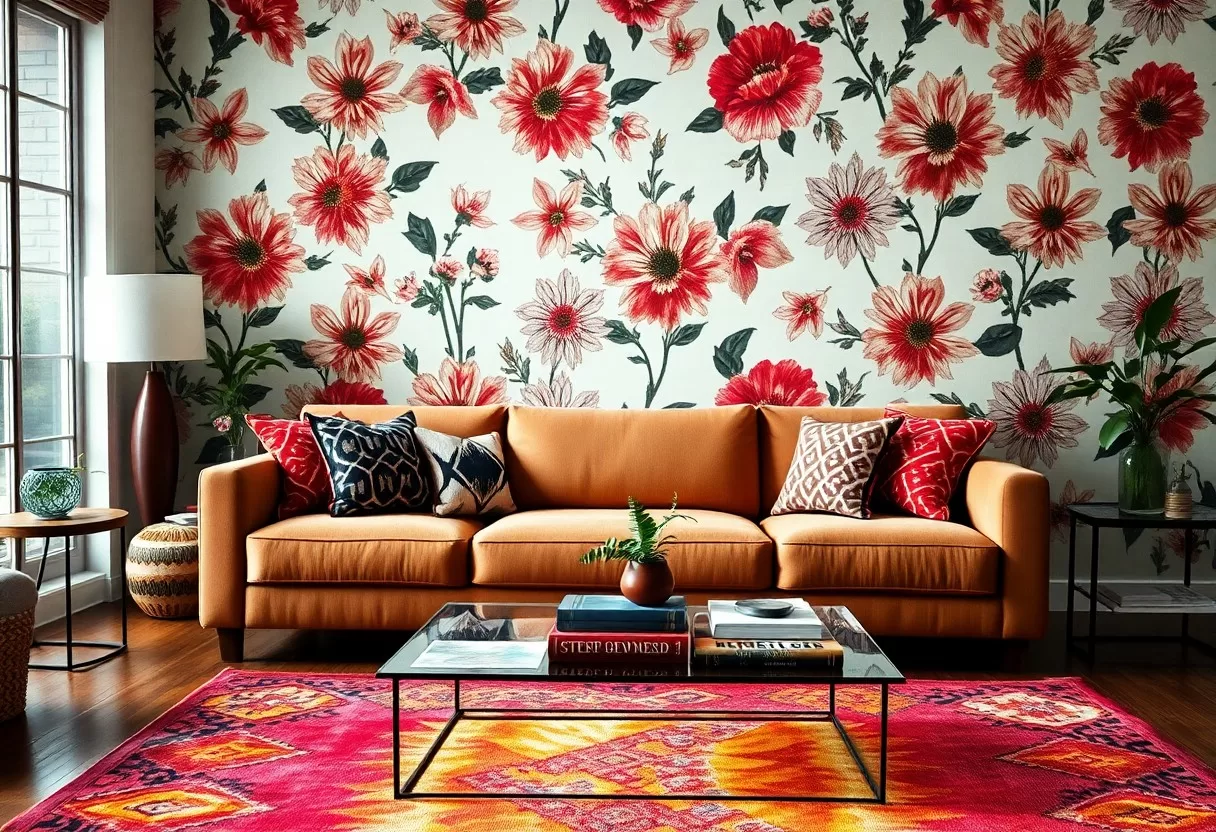
Applying Prints to Walls
Putting prints on your walls changes the whole feel of a room. Bold wallpaper and decorative paint techniques each give the space a different character. Maximalist prints add depth, drama and personality, turning plain walls into eye-catching focal points. Plan how the wall pattern relates to your furniture and textiles, and it will add interest without overwhelming the room.
Wallpaper vs. Paint Techniques
Wallpaper gives you a huge choice of ready-made prints that can change a room’s mood instantly, while paint lets you get creative with stencils, sponges or hand-painted motifs. Wallpaper can deliver detailed patterns and textures that paint can’t easily match, but paint is cheaper and quicker to change when your taste shifts. If you’re unsure, try a peel-and-stick wallpaper first, or test a stencil on a single wall. Both methods can support a maximalist look, depending on your style and how long you want it to last.
Accent Walls: Making a Statement
An accent wall is a strong design tool that can anchor a whole room. Bold color or a striking pattern on one wall draws the eye where you want it, usually behind a bed, sofa or dining table. Placed well, an accent wall works with your existing decor and adds exciting contrast that lifts the whole design.
A maximalist accent wall is a natural conversation starter. Try a bold floral wallpaper in one room and a quieter geometric design in the room next to it for balance. In an entryway, a large-scale mural can set the tone the moment people walk in. Repeat a color or motif from the wall in pillows, curtains or art so the look feels intentional rather than random. That small echo is what keeps a maximalist room feeling cohesive and deliberate.
Styling Upholstery with Bold Prints
Bold prints on upholstery create a striking focal point that ties into your overall design. Patterns add depth and personality and let you try Maximalist Interior Design with Pattern Drenching. Depending on your choices, layered prints can feel playful or sophisticated, so it’s easy to tailor the look to your taste. If you’re nervous, start with one patterned chair or ottoman before moving on to the sofa.
Selecting Fabrics for Furniture
Choose fabrics that show off patterns and hold their color. Cotton-linen blends and velvet take dye well and stand up to use. For a sofa that gets daily use, look for upholstery fabric rated for heavy-duty residential wear, often listed as 15,000 double rubs or more. Match fabric weight to the furniture style: heavier fabrics suit structured pieces, while lighter ones work best on relaxed, casual designs.
Mixing and Matching Upholstered Pieces
Mixing upholstery patterns brings a room to life. Pair geometric prints with florals for a playful contrast, but make sure they share at least one or two colors so they feel related. Watch the scale, too. Combine larger patterns with smaller ones so the space doesn’t feel crowded.
A good mix of upholstered pieces depends on color and scale. Patterns that share a color story look unified even when the motifs differ. For example, a large floral sofa with two smaller-scale geometric armchairs looks bold but balanced. Contrasting textures, such as soft velvet next to nubby linen, add another layer of interest and make the room feel inviting. This lets you show your style without giving up coherence or comfort.
Accessories to Enhance Pattern Drenching
Accessories bring pattern drenching together by repeating colors and motifs around the room. Layering patterns takes a good eye for balance, so use accessories to link everything and keep any single print from taking over. Well-chosen pieces add to the room’s energy while also making it comfortable and practical.
Textiles: Cushions and Throws
Cushions and throws are the easiest way to carry maximalist patterns around a room, with varied prints, textures and bold colors. Mix geometrics with florals, or layer contrasting colors for a rich look. A simple formula for a sofa is two large patterned pillows, two medium solids or textures and one small accent pillow. These textiles add comfort and act as accents that pull the eye across the room, keeping the space lively but balanced.
Art and Decorative Elements
Art and decor help define the maximalist look. Choose pieces that connect with your patterns, like oversized paintings, colorful sculptures or eclectic wall hangings. Make a statement with large framed prints, or group smaller pieces into a gallery wall that mixes styles. When hanging a gallery wall, keep the gaps between frames even, about 2 to 3 inches, and center the group around 57 inches from the floor so it feels organized.
Wall art should extend your pattern drenching, echoing the same bold prints and colors. Large botanical prints can complement a floral sofa, while abstract art with sharp geometric shapes can tie in with a geometric rug. Vintage finds and handmade crafts add story and personality, giving the room layers of depth while keeping the lively balance that maximalist design depends on.
60-30-10 color palette generator
Pick a color you love and get a balanced room palette using the designers’ 60-30-10 rule.
FAQ
Q: What is pattern drenching?
A: Pattern drenching involves the extensive use of bold, maximalist prints on various surfaces such as walls and upholstery to create a vibrant, cohesive look within a space.
Q: How can I choose the right prints for pattern drenching?
A: Selecting prints can be guided by factors such as color harmony, scale of the patterns, and the mood you wish to achieve. Combining prints with similar color palettes can enhance cohesion.
Q: Are there any tips for mixing patterns effectively?
A: To mix patterns effectively, ensure that they vary in scale (large and small), keep a consistent color scheme, and balance busy patterns with simpler designs to prevent visual clutter.
Q: What types of spaces are best suited for pattern drenching?
A: Pattern drenching works well in larger spaces or focal areas, such as living rooms or dining rooms, where the maximalist approach can create impact without overwhelming the environment.
Q: How do I maintain the look of patterned upholstery and walls?
A: Regular cleaning and maintenance are important. Use fabric protectants on upholstery and ensure wall prints are washable or easy to clean to preserve their vibrancy over time.
Experiment with bold prints on a photo of your room with the free AI interior design generator.
Related Guides
