
What Makes a Home Energy Efficient Beyond Solar Panels
Solar panels get the attention, but an energy efficient home starts with the building itself. A large share of energy loss comes from air leaks and poor insulation, so air sealing, better glazing, efficient HVAC, smart controls and passive design often deliver bigger savings than generation alone. Here is where to focus first.
Table of Contents
Key Takeaways:
- High-quality insulation and thorough air sealing reduce heat loss and drafts, lowering heating and cooling demand.
- Efficient heating, cooling, and water-heating systems (heat pumps, high-efficiency furnaces, tankless or condensing water heaters) with proper sizing and maintenance cut energy use.
- High-performance windows, appropriate shading, and thoughtful orientation control solar gains and reduce heating and cooling loads.
- Energy-efficient appliances, LED lighting, and smart plugs minimize standby and operating energy; choose ENERGY STAR-rated products where possible.
- Smart controls, whole-home energy monitoring, zoning, and ventilation with heat-recovery (HRV/ERV) improve system coordination and overall efficiency.
The Thermal Envelope: High-Performance Insulation and Air Sealing
Insulation and tight air sealing reduce heating and cooling loads, letting you cut energy use and increase comfort. You should target continuous insulation and seal all gaps to prevent drafts and mold risk from moisture intrusion.
Advanced Insulation Materials and R-Value Optimization
Choose high-performance materials like spray foam, mineral wool, or rigid foam to raise R-values and reduce thermal loss; you should balance cost and installation to maximize energy savings without overinsulating walls.
- Target continuous exterior insulation to cut thermal bridging
- Seal penetrations and window perimeters to stop air leakage
- Install proper cavity filling and avoid gaps around HVAC and piping
Insulation Comparison
| Material | Primary Benefit |
|---|---|
| Closed-cell spray foam | High R-value plus air sealing |
| Mineral wool | Fire and moisture resistance with stable R-value |
| Rigid foam board | Continuous exterior insulation to reduce bridging |
Eliminating Thermal Bridging and Air Leakage
Blocking thermal bridges and sealing joints stops heat paths and lowers bills; you should target framing, window perimeters, and penetrations to eliminate heat loss and avoid cold spots.
Addressing thermal bridges means adding continuous exterior insulation, installing thermal breaks at steel or concrete, and using spray-foam-filled cavities so you reduce condensation risk and achieve durable comfort and measurable energy reductions.
High-Efficiency Glazing and Window Technology
Windows with low-emissivity coatings and multi-pane construction cut heat transfer, helping you keep temperatures steady year-round and protect interiors from UV. Choosing quality glazing lets you reduce energy use and improve comfort while supporting other efficiency measures.
Benefits of Low-E Coatings and Multi-Pane Units
Low-E coatings reflect infrared heat while admitting visible light, so you save on heating and cooling; multi-pane units use insulating gas to cut conduction and deliver lower energy bills without sacrificing daylight.
Precision Framing and Proper Installation Techniques
Proper framing, accurate squaring and flashed openings stop drafts and moisture intrusion so your windows meet rated performance; missed gaps cause heat loss and water damage.
Installers who set frames plumb, square and true, integrate a continuous drainage plane and use compatible flashing and sealants prevent leaks and thermal bridging. You should insist on a sill pan, correct shimming to avoid bowing, controlled foam application to prevent distortion, and a final inspection so glazing achieves the manufacturer’s rated U-values and airtight seals.
Advanced HVAC Systems and Climate Control
Upgrading to advanced HVAC with variable-speed compressors and heat-recovery ventilators helps you cut energy use and improve comfort; you can reduce bills by 20-40%. See renewable options at 7 ways to power your home with renewable energy | E.ON.
- Variable-speed compressors for steady, efficient output
- Heat-recovery ventilators to reduce ventilation losses
- Zoned dampers to avoid heating unused rooms
- Advanced filtration and humidity control for efficiency and health
Advanced HVAC Snapshot
| Benefit | Consideration |
|---|---|
| Higher seasonal efficiency | Greater upfront cost |
| Improved comfort and air quality | Complex maintenance |
| Lower operational emissions | Specialized installation required |
Transitioning to Air-Source and Geothermal Heat Pumps
Switching to air-source or geothermal heat pumps gives you high seasonal efficiency and lower emissions, though ground-loop installation raises upfront cost. You can recover expenses through rebates and lower operating bills.
Smart Thermostats and Zoned Heating and Cooling
Optimize your system with smart thermostats and zoning to heat only occupied spaces, increasing comfort and cutting waste; misconfigured zones can create uneven temperatures, so calibrate sensors and schedules carefully.
Integrating smart thermostats gives you remote control, adaptive learning, and energy reports that identify waste; pairing them with zoned dampers maximizes savings. You should monitor humidity and placement to avoid false readings, and hire a qualified HVAC technician for complex zoning to prevent poor airflow or compressor short-cycling.
Sustainable Water Heating and Management
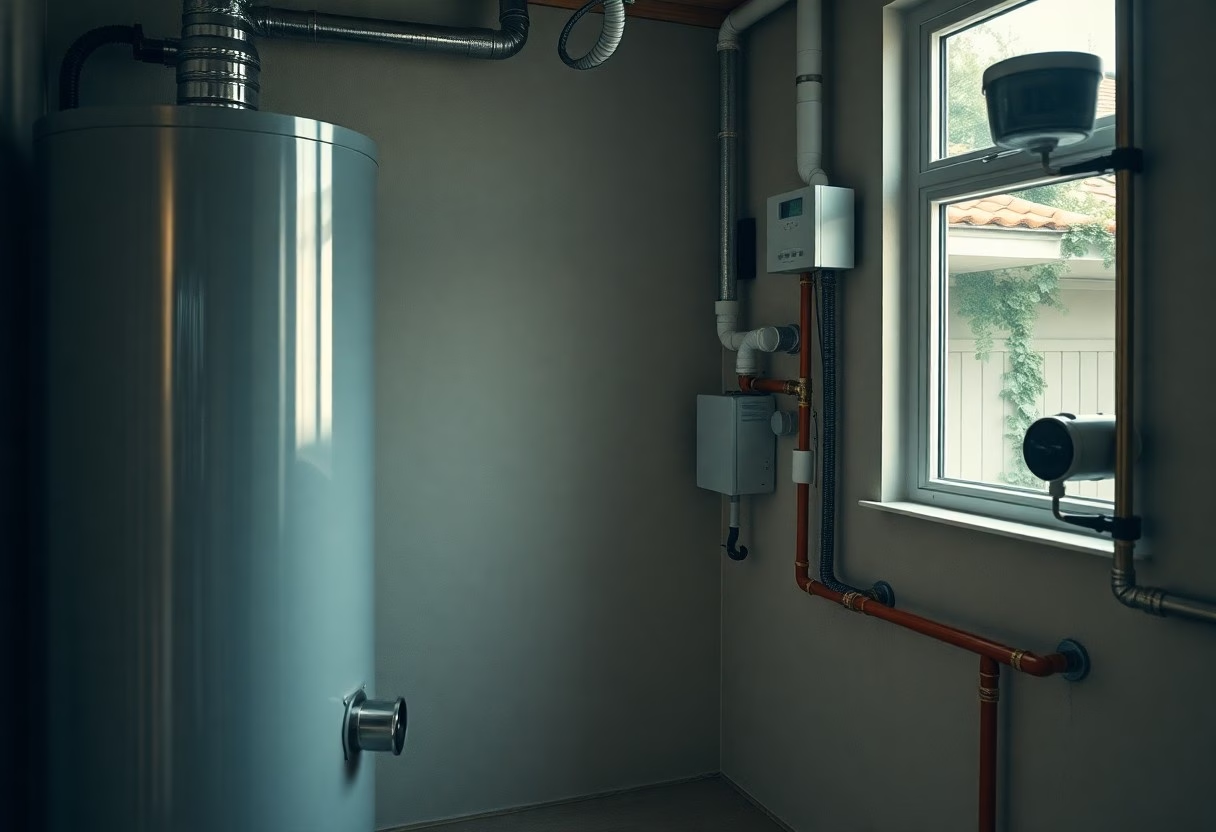
Sustainable water heating and management minimizes energy use and bills by pairing efficient heaters, timed controls, and greywater reuse; you cut utility costs and emissions while improving resilience. Use heat-pump or tankless systems and low-flow fixtures to make the biggest impact.
On-Demand Tankless and Heat Pump Water Heaters
Tankless and heat-pump water heaters deliver hot water on demand, cutting standby losses and reducing energy use by 20-50%; you should size units correctly to avoid flow or temperature issues and mitigate scalding risks with thermostatic controls.
High-Efficiency Fixtures and Greywater Recovery
Efficient faucets, low-flow showerheads, and dual-flush toilets cut water demand dramatically, while greywater systems let you reuse laundry and shower water for irrigation; you can reduce potable water use by up to 40% and lower treatment costs.
Greywater reuse systems collect gently used sink, shower, and laundry water so you can irrigate landscaping or flush toilets, cutting potable demand and sewage loads. You must plan for proper filtration, separate piping, and routine maintenance to prevent odors and bacterial growth. Local codes often restrict uses, so you should confirm permits and consider thermostat mixing valves to avoid scalding when integrating with hot-water recirculation. Upfront installation pays back through lower water bills and reduced municipal demand, especially in drought-prone areas.
Optimizing Internal Loads: Lighting and Appliances
Lighting and appliance choices shape your home’s internal loads; switching to efficient LEDs and smart appliances lowers heat and power use, improving comfort and reducing bills. Learn more at The Benefits of an Energy-Efficient Home. Save energy and reduce peak loads.
Integrated LED Systems and Automated Controls
Smart LED networks and automated controls let you schedule, dim, and respond to occupancy so you use light only when needed. You’ll cut lighting energy and heat gains while improving comfort; lower bills and longer lamp life follow.
Selecting High-Performance ENERGY STAR Certified Appliances
Choosing ENERGY STAR appliances reduces your electricity and water use; look for high-efficiency washers, refrigerators, and heat-pump dryers. Incentives often offset cost, and lower operating costs improve long-term savings.
Compare models using the ENERGY STAR label and the estimated annual energy use so you can prioritize the lowest lifetime operating cost over purchase price. Check capacity to avoid oversizing, review reliability and repair scores, and favor heat-pump options for water heating and drying to cut both loads and emissions while improving comfort.

Passive Design and Architectural Orientation
Orientation of your home and window placement work with roof overhangs and insulation to direct sun and wind, which can reduce heating and cooling loads and improve year-round comfort.
Maximizing Natural Ventilation and Daylighting
Cross-ventilation and thoughtfully placed skylights let you cut mechanical cooling and reduce lighting energy while keeping healthy airflow and glare under control.
Utilizing Thermal Mass and Strategic Shading
Thermal mass like concrete floors and masonry absorbs heat during the day and releases it at night, helping you stabilize indoor temperatures and lower HVAC cycling.
Materials such as concrete, tile and stone perform best when interior surfaces receive indirect sun; you should place thermal mass where it is exposed to living spaces and shielded from direct midday sun to avoid unintended overheating. Combine mass with operable shading, roof overhangs and night purging ventilation so stored heat is released when outdoor temperatures drop; in low-swing climates, favor insulation and shading over heavy mass.
To wrap up
Conclusively, you should focus on airtight insulation, efficient HVAC, smart controls, LED lighting, water conservation, and behavioral changes to reduce consumption and bills while improving comfort and resilience beyond solar panels.
FAQ
Q: How do insulation and air sealing improve home energy efficiency beyond solar panels?
A: Insulation slows heat transfer through walls, attic, floors, and foundations so heating and cooling systems run less. Recommended targets include R-49 to R-60 in cold-climate attics, R-13 to R-21 in framed exterior walls, and continuous exterior insulation to reduce thermal bridging where feasible. Air sealing at common leak points such as recessed lights, rim joists, window and door frames, attic hatches, and plumbing penetrations cuts uncontrolled drafts and reduces stack effect losses.
Blower door testing paired with infrared thermography identifies leakage patterns and guides targeted sealing with caulk, weatherstripping, spray foam, or dense-pack cellulose. Proper insulation and sealing can reduce heating and cooling energy use by double-digit percentages and lengthen equipment life by lowering runtime; mechanical ventilation with heat recovery (HRV/ERV) maintains indoor air quality after tight sealing.
Q: What role do heating, cooling, and ventilation systems play in overall efficiency?
A: High-efficiency heat pumps provide heating and cooling with coefficient of performance (COP) values that often deliver two to four times the useful energy compared with electric resistance heat. Variable-speed compressors and inverter-driven systems maintain steady temperatures with lower energy use and improved humidity control. Ducted systems benefit from properly sized ducts, professional balancing, and sealed joints using mastic or foil tape; duct insulation in unconditioned spaces reduces distribution losses. Heat pump water heaters and heat-recovery ventilators reduce both space-conditioning and water-heating loads while preserving air quality. Regular maintenance, correct sizing, and smart thermostats with zoning reduce wasted run time and improve comfort.
Q: How do windows, shading, and passive design features contribute to energy efficiency?
A: High-performance windows with low U-factor, low-e coatings, and argon or krypton fills reduce conductive heat loss in winter and unwanted heat gain in summer. South-facing glazing combined with fixed overhangs or operable shading captures winter sun while blocking high summer sun, lowering seasonal HVAC loads. Thermal mass elements such as interior tile or masonry store daytime heat and release it at night, smoothing temperature swings in well-insulated buildings. Strategic planting of deciduous trees, exterior shading devices, and reflective roofing materials cut cooling loads without altering mechanical systems. Proper installation and air-sealed frames are as important as glass performance to prevent drafts and thermal bypass.
Q: Which appliances, lighting, and water-heating choices matter most for efficient homes?
A: ENERGY STAR-rated appliances use less electricity than older models, with refrigeration, clothes washers, and dishwashers offering major savings. Induction cooktops convert electrical input to useful heat more efficiently than traditional electric coils. LED lighting typically uses 75% to 90% less energy than incandescent bulbs while producing similar or better light output per watt. Heat pump water heaters cut water-heating energy by roughly half compared with conventional electric tanks in many climates. Low-flow fixtures, pipe insulation, and demand-controlled circulation reduce hot water waste and shorten recovery cycles, lowering overall household energy use.
Q: What first steps should homeowners take to identify and prioritize energy-efficiency upgrades?
A: Schedule a professional home energy audit that includes a blower door test, thermographic inspection, and review of utility bills to quantify where energy goes. Start with low-cost, high-impact measures such as LED lighting, thermostat programming, weatherstripping, and attic insulation. Next evaluate medium-cost upgrades like duct sealing, high-efficiency heat pumps, improved windows where replacement is justified, and heat pump water heaters. Compare local and federal incentives, rebates, and tax credits to shorten payback periods and rank projects by cost per annual energy saved. Track post-upgrade energy use with utility data or submetering to confirm savings and inform future investments.
Estimate payback for insulation, windows or HVAC upgrades with the energy efficiency savings calculator.