
10 Garden Design Hacks That Instantly Upgrade Any Outdoor Space
Small changes can make a garden feel designed. Repeating plants, adding structure with paths and edges, grouping furniture and layering lighting all upgrade an outdoor space quickly. Here are ten garden design hacks that work in yards of any size.
Key Takeaways: Garden Design Hacks
- These garden design hacks make any outdoor space look designed.
- Repeating plants, defined edges and grouped furniture help most.
- Layered lighting extends evening use.
Table of Contents
Transformative Planting Techniques
Good planting is the quickest way to make a yard look designed. Two simple transformative planting techniques, layering and seasonal rotation, give your beds depth and keep them interesting through the year. They also help wildlife, because a mix of heights and bloom times gives bees, butterflies and birds food and shelter for more of the season. You don’t need a big budget, just a plan.
Layered Planting for Visual Depth
Layered planting means arranging plants by height. Put tall shrubs and grasses at the back, medium perennials in the middle and low edging plants at the front. This creates a three-dimensional garden effect that draws the eye and adds depth, even in a narrow border. In an island bed you see from all sides, put the tallest plants in the center and step down toward the edges.
Repetition is the other secret. Plant in groups of three, five or seven of the same variety rather than one of everything, and repeat the same few plants along the border. This rhythm makes a bed look intentional instead of random. Leave room for mature size too, since crowded plants compete for light and water and need more pruning.
Seasonal Rotation for Continuous Interest
Seasonal rotation keeps your garden looking good all year. Instead of one big burst of color in June, you plan for something to look good in every season. Swapping annuals and adding plants with different bloom times gives you a steady change of color and texture. A varied planting also tends to support better plant health, because pests that love one plant can’t sweep through the whole bed.
Map out what peaks when. Early bulbs like crocus and daffodils lead in spring, followed by summer perennials such as salvia and coneflower. Ornamental grasses and shrubs with red or orange leaves carry the fall, and evergreens or berried shrubs hold the space in winter. This strategic rotation keeps the garden fresh for you and your guests. Use bulbs, annuals and perennials together, and fill gaps with pots you can swap each season.
Strategic Hardscaping Choices
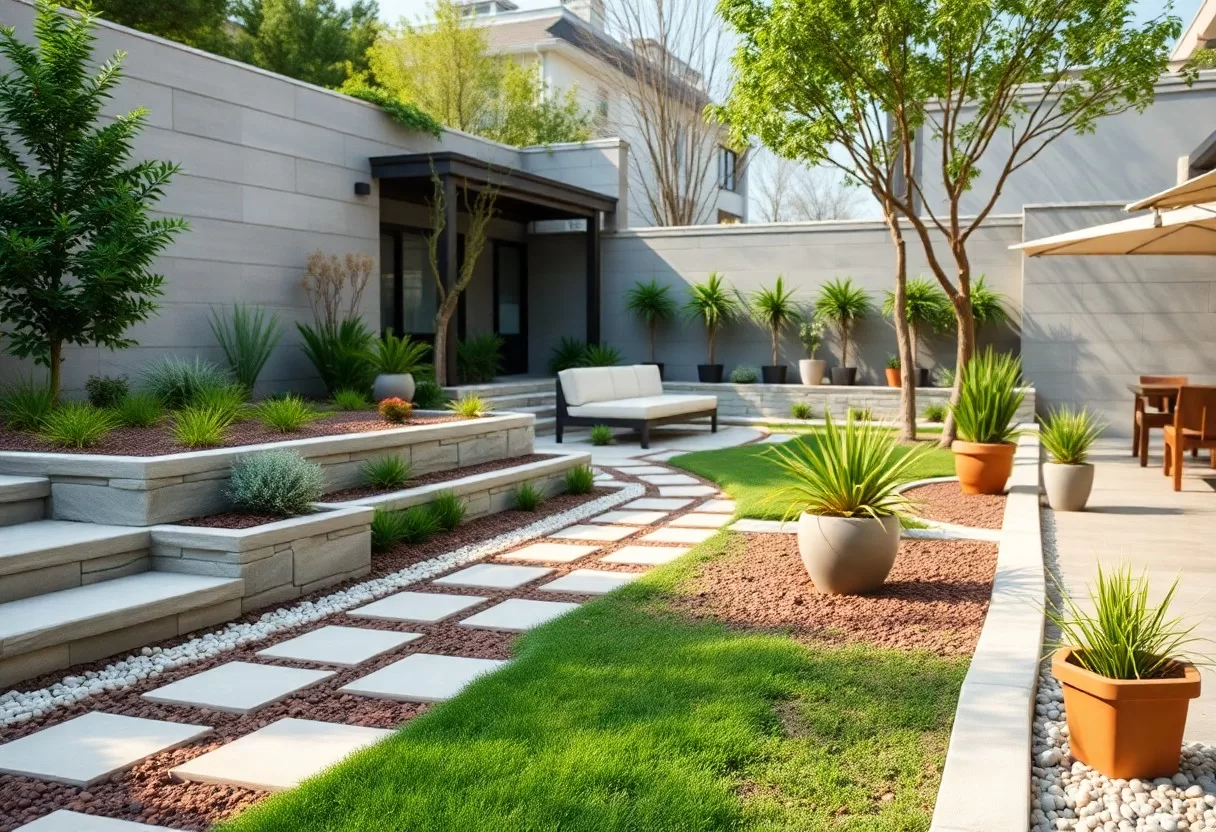
Hardscaping gives a garden its bones. Patios, paths, steps and low walls define where things happen and make the space easier to use. Making smart choices in materials and layout ties the house and garden together. A good rule is to pick no more than two or three hard materials, ideally ones that echo your house, such as matching brick or a stone that suits the siding.
Incorporating Natural Stone for Timeless Elegance
Natural stone brings timeless elegance to almost any garden. Each piece has its own color and texture, so it settles into the landscape and leaves a lasting impression. Use it for low walls, steps, edging or a single large boulder as a focal point. Local stone usually costs less to transport and looks more natural in your area, and it weathers gracefully instead of looking dated.
Smart Pathway Design to Define Spaces
Paths are one of the best ways to define spaces and guide people through your garden. A good path shows where to walk, links the main areas and makes the yard easier to use. For a main path, aim for about 4 feet (1.2 m) wide so two people can walk side by side; side paths can be 2 to 3 feet. Gravel, pavers and stepping stones all work, depending on the look you want.
The shape of a path sets the mood. Gentle curves invite people to wander, while straight lines feel formal and tidy. Make curves look purposeful by bending around a tree or bed, not just wiggling for its own sake. Lighting along the path keeps everyone safe after dark and makes evenings in the garden more pleasant. Low lights also pick out plants and features, drawing attention to the natural beauty around you.
Innovative Furniture Arrangements
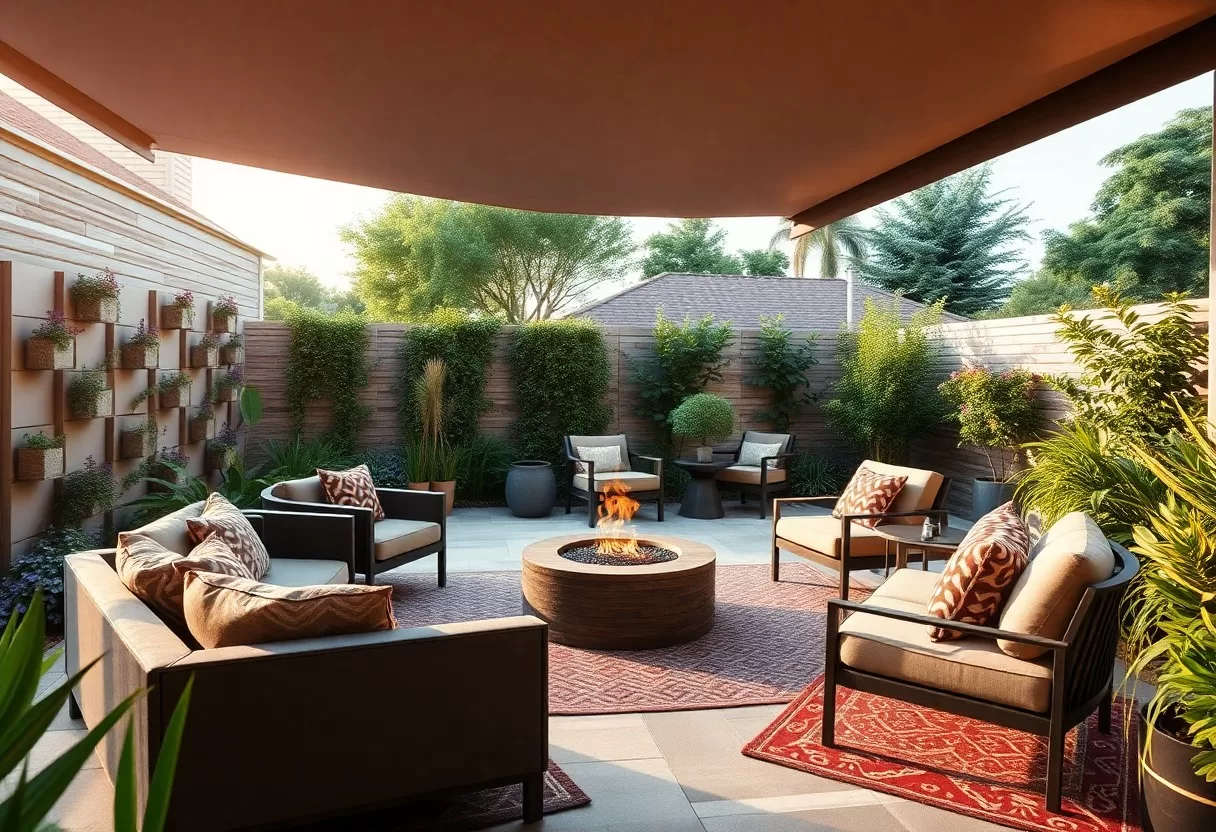
Sometimes the best upgrade is free: try rearranging your furniture. Move pieces around until the layout feels right, with clear areas for dining, lounging and play. Leave walkways open between zones so nobody has to squeeze past chairs. Notice where the shade falls in the afternoon and where the best views are, and arrange seating to take advantage of both. Comfort should come first, with style a close second.
Size your outdoor rooms with real measurements. A dining area for a four-person table needs roughly 10 by 10 feet so chairs can pull back without hitting a planter or step. Allow about 3 feet of clear space around a table and keep main walkways open. Before buying anything, mark the layout on the ground with string or garden hose and live with it for a few days.
Multi-Functional Outdoor Furniture for Maximizing Space
Make the most of a small yard with multi-functional furniture. Storage benches hide cushions and toys, folding tables tuck away when not in use, and sturdy ottomans or poufs can be extra seats or footrests. Built-in seating along a raised bed or low wall saves even more space. Fewer, smarter pieces keep the garden tidy and still give you everything you need for guests.
Creating Cozy Nooks with Strategic Placement
Cozy garden rooms come from strategic furniture placement. Group seating around a fire pit, under a shady tree or near a water feature so it feels like a natural place to gather. Then frame the area with plants or low walls so it feels enclosed, like an outdoor room. Trellises, tall planters or a row of grasses add privacy without blocking light, and they help screen views of neighbors or the street.
A small nook is all about thoughtful placement and a sense of shelter. Tuck a chair beside a flower bed or under a pergola, ideally with something at your back like a hedge or wall, since people relax more when they’re not exposed on all sides. Add outdoor cushions and a throw for comfort, plus string lights or lanterns for evenings. These little spots often become the place you use most.
Lighting to Elevate Ambiance
Good lighting lets you use your garden long after sunset. It adds depth, makes the space feel welcoming and keeps paths and steps safe. Plan it in layers: soft ambient light for seating areas, task light by the grill or steps and a few accent lights on your favorite plants. A garden that is lit this way looks attractive from inside the house too.
The Power of Soft Lighting in Garden Design
Soft lighting gives a garden a calm, welcoming mood. String lights, lanterns and solar path lights all create a warm glow that makes people want to stay outside. Choose warm white bulbs, around 2700 K, which feel cozier than cool, bluish light. Solar lights are easy to install but need full sun to charge, so use low-voltage wired lights for areas in shade or for lights you rely on every night.
Using Directional Lighting to Highlight Features
Directional lighting is the best way to show off key features like trees, sculptures or water features. Aim spotlights or small floodlights at an angle to make these elements stand out after dark. Place fixtures where they are hidden among plants, so you see the glow rather than the bulb. Even an ordinary tree or wall can become a striking focal point once it is lit well.
With directional lighting, you can guide the eye to the parts of the garden you love most. Experiment with angles to create shadows or reveal textures. Uplighting a tree trunk shows off its bark and branches, while lighting a hedge or wall from close below brings out its surface. Stick with warm-toned bulbs for a cohesive look and point lights away from windows and neighbors to avoid glare. Adjustable fixtures let you shift the focus as plants grow.
Color Schemes That Captivate
The right color scheme makes a garden feel calm and pulled together. Think about how colors work with what you already have, such as your house, fence, paving and the greens of existing trees. A clear palette sets the mood, whether you want a lively space for parties or a quiet place to read. Pick your main colors first, then choose plants that fit, rather than buying whatever is blooming at the store.
Bold Contrasts vs. Harmonious Palettes
You can go for bold contrasts that grab attention or choose harmonious palettes that feel calm and balanced. Hot reds, oranges and yellows bring energy and look great in full sun. Softer blues, purples, whites and silvers feel restful and glow in the evening. Decide what mood you want first, then stick to it so the garden reads as one design rather than a mix.
The Importance of Focal Points through Color
Color is a simple way to create focal points. Using vibrant hues or contrasting shades pulls attention to the things you want people to notice, such as a bench, a sculpture or a special bed. Repeating that color in a few places also leads the eye through the space. That makes even a small garden feel planned and easier to explore.
Colorful focal points shape how people see your garden. Brightly colored flowers or planters can turn a corner into the star of the yard. Use unique color combinations to set the mood, like purple and lime for drama or white and silver for a moonlit look. Place strong colors where you want people to stop and look, and keep the background quieter so they don’t compete with each other.
Eco-Friendly Enhancements
An eco-friendly garden can look great and support the environment at the same time. Rain gardens, compost bins and water-wise plants shrink your footprint while improving the soil, saving water and giving local wildlife a place to live. A rain garden is simply a shallow planted dip that catches runoff from a roof or patio. Keep it at least 10 feet from your house so water doesn’t collect near the foundation.
Sustainable Practices for Long-Term Impact
Sustainable practices keep a garden healthy for years. Install rainwater harvesting with a simple barrel under a downspout, feed beds with compost or organic fertilizer, and rotate vegetable crops to keep the soil healthy. A 2 to 3 inch layer of mulch holds in moisture and suppresses weeds. These habits help your plants now and build better soil for the future.
Choosing Native Plants for Easier Maintenance
Choosing native plants is one of the easiest ways to make a garden tougher and more sustainable. They are adapted to your local climate and soil, so once established they usually need less water and care than many non-native plants. Native flowers and shrubs also support biodiversity by feeding local insects and birds. Water them regularly during their first year, then let them mostly look after themselves.
Native plants make your garden more environmentally friendly as well as attractive. Because they are suited to local conditions, they typically need less water, fertilizer and pest control, so you can have a colorful garden with little ongoing effort. They also provide food and shelter for local wildlife, including birds, bees and other pollinators. Ask a local nursery or extension office which natives do well in your area. Choosing them makes your garden more sustainable and full of life.
Garden bed soil & mulch calculator
Work out how much soil, compost and mulch you need for raised or in-ground beds.
Conclusion
These 10 garden design hacks can make a real difference to your outdoor space. Layer your plants, add some structure with paths and stone, group furniture into cozy rooms and light the garden for the evenings. Then choose a color plan and favor native plants for easier care. Start with one or two ideas, see how you use the space and build from there until your garden feels like a natural extension of your home.
Try these ideas on your yard with the free AI garden and landscape designer.
Frequently Asked Questions
How can I make my garden look better quickly?
Edge beds, add fresh mulch, repeat a few plants in groups, add pots by the door and string some outdoor lights. These quick changes make a garden look cared for and intentional.
How do I make a small garden feel bigger?
Use curving paths, vertical planting, mirrors or reflective surfaces, a limited color palette and a focal point at the far end to draw the eye.
Related Guides
