
From Zero to Lush – Turning a Dead Yard Into a Blooming Paradise
A neglected yard can become a lush garden in one or two seasons. The process starts with diagnosing soil, drainage and sun, then creating a plan, choosing the right plants and building healthy soil. Here is a step-by-step yard makeover guide.
Key Takeaways: Yard Makeover
- A yard makeover starts with diagnosing soil, drainage and sun.
- A clear plan and the right plants come next.
- Healthy soil is the foundation of a lush garden.
Table of Contents
Assessing the Landscape: Diagnosing Your Yard’s Potential
Before you buy a single plant, take stock of what you have. Walk the yard and note the existing trees, shrubs, weeds and bare patches, since each tells you something about the conditions. Weeds like moss and plantain often point to shade, compaction or soggy soil. Note how much sun each area gets and where water collects after rain, and sketch a rough plan with these notes on it. This diagnosis tells you what to plant and where, and it keeps you from wasting money on plants that won’t survive.
Identifying Soil Quality and Composition
Soil quality has a direct effect on plant health, so check it early. Dig a few holes with a trowel or spade and look at the texture. Healthy soil is dark and crumbly and drains well, while hard, compacted soil makes it difficult for roots to spread. Squeeze a moist handful: sandy soil falls apart, clay forms a sticky ribbon, and loam holds together loosely. A pH test shows how available nutrients are, and most plants do best between 6.0 and 7.0. Adding organic matter improves almost any soil type.
Evaluating Sunlight and Water Drainage
Track how sunlight moves across your yard during the day, because it decides what will grow where. Full sun means at least 6 hours of direct light, part shade about 3 to 6 hours, and full shade less than 3. Shady spots suit ferns, hostas and other shade lovers, while sunny areas are best for most flowering plants and vegetables. Drainage matters just as much: poor drainage leaves soil waterlogged, while fast-draining spots dry out. After a heavy rain, check for standing water and note which areas stay soggy or dry.
Your observations will shape your plant choices. Vegetables and most fruiting plants need about 6 to 8 hours of direct sun, so give them the sunniest spot you have. An area with morning sun and afternoon shade suits ferns, hostas, hydrangeas and many woodland plants. To test drainage, dig a hole about a foot deep, fill it with water, let it drain, then fill it again and see how fast the level drops; roughly 1 to 3 inches per hour is ideal. Where water pools, consider a rain garden, a swale or a French drain to move the excess away.
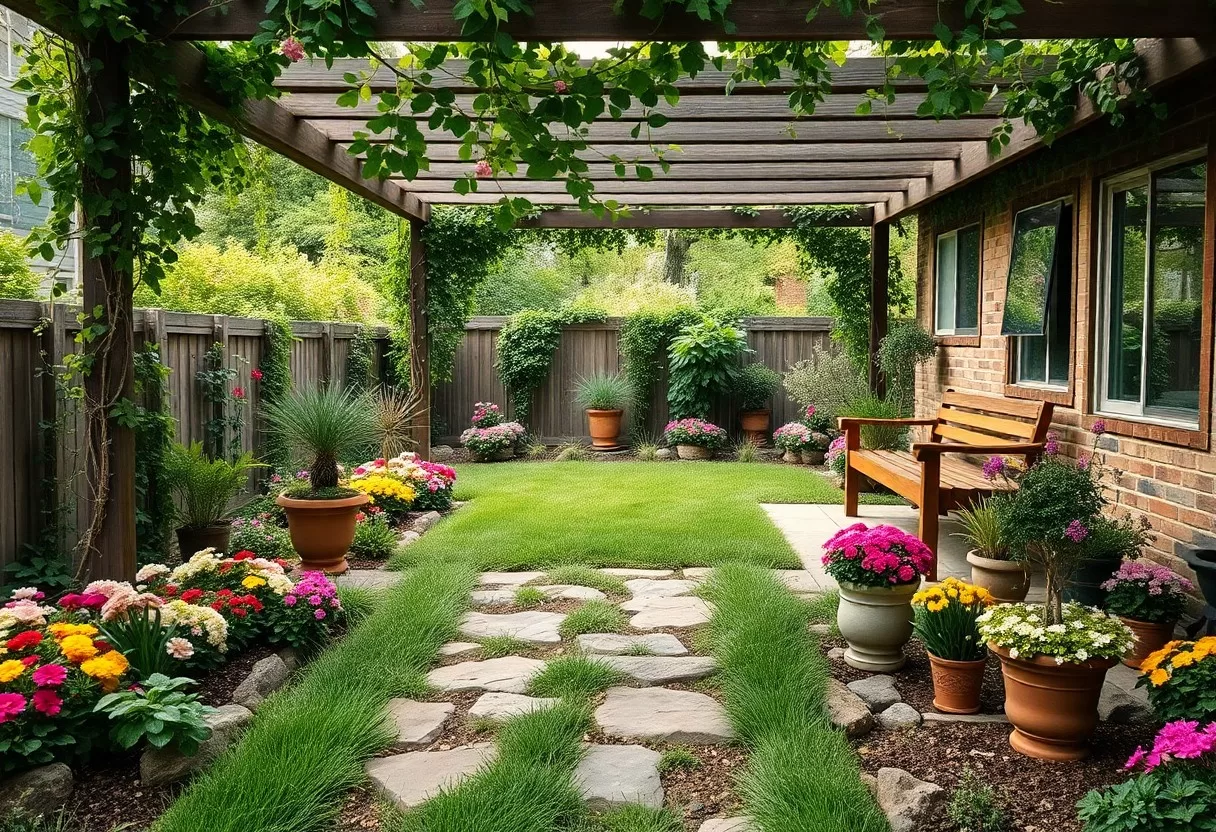
Crafting a Vision: Dreaming Up Your Ideal Outdoor Space
Picture your ideal outdoor space before you start digging. Think about how you want to use it: reading in a quiet corner, hosting barbecues, letting kids play or growing your own vegetables. Make a list of must-haves and nice-to-haves. A mood board with photos of plants, materials and layouts you like helps you spot a style and keeps your yard makeover focused instead of turning into a random collection of purchases.
Drawing Inspiration from Nature and Design Principles
Nature is a great source of ideas. Look at how plants grow together in local woods or meadows, and visit botanical gardens or garden tours to see combinations and hardscape materials that work in your climate. Use basic design principles to tie it all together: repeat a few plants and colors for unity, plant in groups of three or five, layer from tall at the back to short at the front, and give the eye a focal point, such as a tree, a bench or a large planter.
Setting Realistic Goals for Your Garden Transformation
Set realistic goals for your garden from the start. Be honest about your budget, your skills and how much time you can spend each week. Climate, soil and the amount of maintenance you’re willing to do all affect what will succeed. A low-maintenance garden with shrubs, perennials and mulch asks far less of you than a big lawn or beds of annuals, so choose a style that fits your life.
Break the project into manageable phases so it doesn’t overwhelm you. Fix the basics first, such as drainage problems, dead trees and poor soil, then add plants and features. Starting with one small flower bed near the door gives you a quick win and the motivation to take on bigger areas later. In many climates, fall is a good time to plant trees, shrubs and perennials, while spring suits annuals and vegetables. Setting milestones keeps you on track and lets you adjust as you learn what works in your space.
The Art of Selection: Choosing the Right Plants
Choosing the right plants starts with your space, your climate and your taste. Match each plant to the sun and soil conditions you mapped earlier, and check that it suits your USDA hardiness zone or your local equivalent. Think about how much care you’re willing to give, since some plants need regular pruning, deadheading or extra water. Aim for a balance between looks and practicality so your choices thrive for years. Read plant tags for mature size, too, so you don’t crowd a bed.
Native Plants vs. Exotic Species: What Works Best
Native plants are often the smartest choice for a yard makeover because they’re adapted to your local climate and soil. Once established, many need less water and less fuss, and they feed local pollinators and birds. Exotic species can be beautiful, but some need more water, fertilizer or winter protection, and a few become invasive and spread into wild areas. If you use non-native plants, check your state or regional invasive species list first and choose well-behaved varieties.
Seasonal Blooms and Year-Round Color: Getting the Timeline Right
Plants with staggered bloom times give you a garden that changes with the seasons. Combining early bloomers, such as daffodils and tulips, with summer perennials and late-season flowers like asters keeps color coming from spring to fall. Add evergreens for winter structure, along with shrubs that have colorful bark or berries, so the yard still looks good when the flowers are gone.
Layer bulbs, perennials and shrubs with different bloom cycles and foliage colors. For example, spring-flowering dogwoods followed by summer-blooming hydrangeas carry color from one season into the next. Add fall interest with asters and ornamental grasses, and the yard stays attractive all year. Before you buy, list your plants by bloom month to spot gaps in the calendar. Planting at the right time, bulbs in fall and perennials in spring or fall, gives each one the best start.
Building a Strong Foundation: Soil Preparation and Amending
A healthy garden starts below the surface with good soil. Clear out debris, rocks and dead turf, loosen compacted ground with a garden fork or core aerator, and work in plenty of organic matter. If you’re dealing with a problem like fixing a dead grass area in front yard, nutrient-rich, well-aerated soil is the first step toward new growth.
Testing Soil pH and Nutrient Levels
Testing your soil’s pH and nutrients is the place to begin. A simple kit from a garden center gives you a quick pH reading, and most plants prefer a range of about 6.0 to 7.0. For more detail, send a sample to your local cooperative extension service, which usually reports nitrogen, phosphorus, potassium and organic matter along with recommendations. A shortage of any of these can limit growth, so knowing the numbers lets you add only what your soil needs.
Incorporating Organic Matter and Natural Fertilizers
To improve soil health, mix in organic matter such as compost or well-rotted manure. It increases fertility, improves structure and helps soil hold moisture. Working about 2 to 3 inches into the top 6 to 8 inches of soil is a common guideline for new beds. Pair it with natural fertilizers such as bone meal or fish emulsion, which supply essential nutrients more gently than many synthetic products. Together they build strong soil that supports healthy plants.
Organic matter brings tired soil back to life. Compost adds beneficial microorganisms that help plants take up nutrients, and it improves drainage in clay and water retention in sand. Natural fertilizers made from plant or animal sources replenish nutrients and support sustainable gardening. Don’t overdo it, though, because too much fertilizer can burn roots or cause nutrient imbalances, so follow your soil test and the label. Aim for a rich, loamy texture that encourages root growth and gives plants a strong start.

The Blueprint for Growth: Designing Your Garden Layout
A well-planned layout turns a yard into a lush, usable garden. Define areas for specific activities so the space works for you and is pleasant to be in. Map your design on paper or with a garden planning tool before you dig, marking paths, beds and seating at their real sizes. That way you’ll create attractive spaces that serve different activities and plant needs, and you’ll avoid costly mistakes.
Creating Zones: Areas for Relaxation, Play, and Plants
Dividing your garden into zones helps the different parts work together. For relaxing, set up a seating area surrounded by fragrant plants or a small water feature. A play area with soft lawn or play equipment should be in view of the house and free of thorny or toxic plants. Then give plants their own sections, such as a vegetable patch in full sun or a flower bed near the entrance. Link the zones with paths about 3 to 4 feet wide so two people or a wheelbarrow can pass easily.
Implementing Effective Watering and Maintenance Strategies
A healthy garden needs reliable watering and regular care. Water according to your plants and climate, and water deeply but less often to encourage deep roots, rather than giving a light sprinkle every day. Drip irrigation saves time and water by delivering moisture straight to the roots. A 2- to 3-inch layer of mulch holds moisture and keeps weeds down; keep it a few inches away from stems and trunks. Plan seasonal jobs like pruning and fertilizing so your plants stay healthy year-round.
A good watering routine makes a big difference to your garden’s health. A moisture meter, or simply pushing a finger 1 to 2 inches into the soil, tells you when it’s time to water. Water early in the morning to reduce evaporation and leaf diseases. Rain barrels collect runoff from your roof for irrigation, though some areas regulate rainwater collection, so check local rules. A simple maintenance calendar reminds you of essential tasks, like feeding plants during their growing season. Inspect plants regularly for pests and disease, and deal with problems early before they spread.
Final Words
With the right steps and steady effort, turning a dead yard into a blooming garden is well within reach. Improve the soil gradually, choose plants that suit your conditions and use sustainable practices, and your yard makeover will pay off season after season. Each step improves your yard and supports a healthier local environment for birds, bees and other wildlife. Start small, enjoy the process, and soon you’ll have a lush outdoor space that reflects your hard work and creativity.
Design your new garden with the free AI garden and landscape designer.
Garden bed soil & mulch calculator
Work out how much soil, compost and mulch you need for raised or in-ground beds.
Frequently Asked Questions
Where do I start with a yard makeover?
Clear dead plants and weeds, test the soil and watch how sun and water move through the yard. Then sketch a plan with zones for lawn, beds, paths and seating before buying plants.
How long does it take to transform a yard?
Basic cleanup and planting can be done in a few weekends, but most gardens look established after one or two growing seasons as plants fill in.
Related Guides
