Floating Homes and Water-Borne Living – The Future of Sustainable Coastal Living
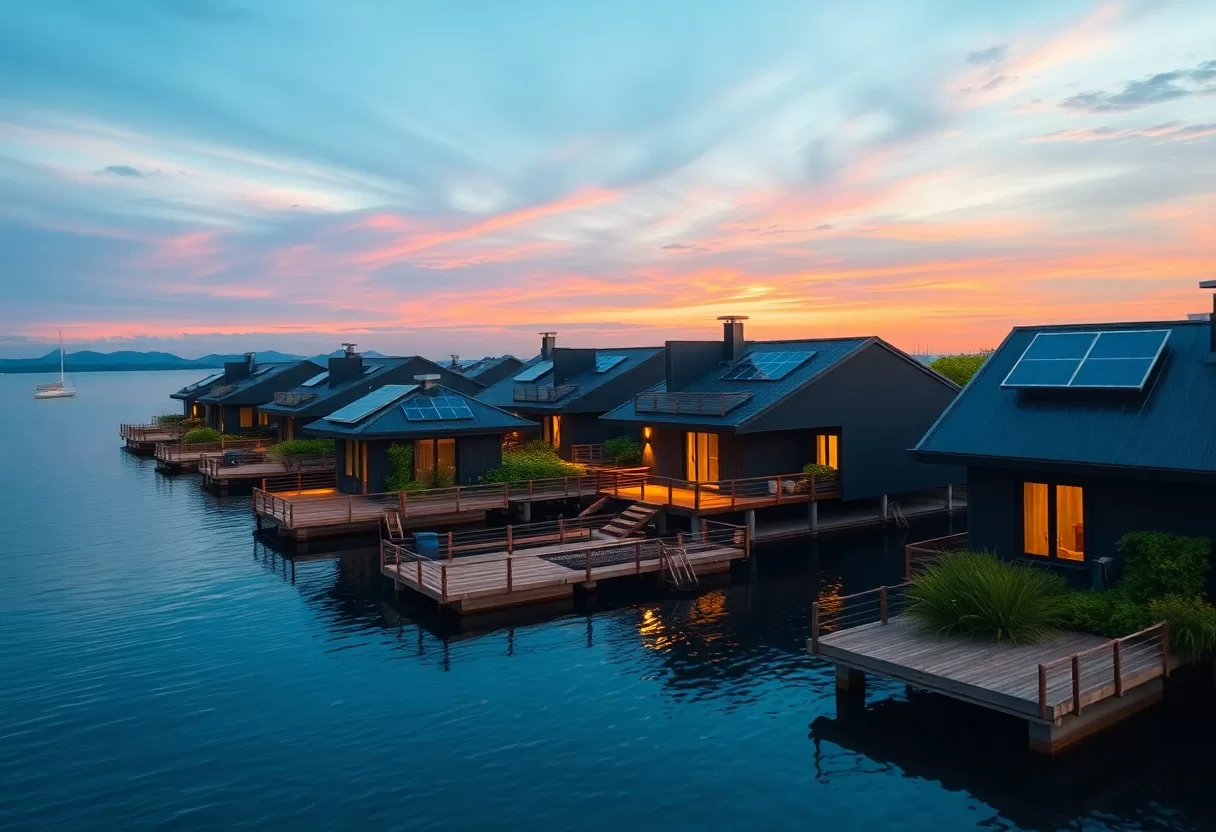
Floating homes offer a practical response to rising sea levels and crowded coastlines. Built on buoyant platforms and connected to shore utilities, they rise with the water instead of fighting it. Here is how floating homes work, their environmental and lifestyle benefits and the regulatory and cost challenges to consider.
Table of Contents
Key Takeaways:
- Floating homes handle rising water and storms better than many waterfront houses on land.
- Living on water eases pressure on scarce coastal land and encourages designs that work with the local ecosystem.
- Planned floating communities build close neighbor ties while still providing shared utilities and essential services.
Understanding Floating Homes
A floating house is a practical answer to coastal living where land is scarce or flood-prone. The home sits on a buoyant base on the water, so when the water level rises, the house rises with it. Most are moored in one place to posts or anchors, though some can be towed to a new site. Done well, a floating home blends into its waterfront setting and works as a comfortable, everyday house rather than a novelty.
Definition and Features
A floating home is a house built on a buoyant foundation, usually a hollow concrete box or a platform of steel or plastic floats, that rests on the water. Many include sustainability features such as solar panels, water-saving fixtures and lower-impact materials. Because the views are the main draw, designs tend to use large windows for natural light and open layouts that face the water. Expect a smaller footprint than many land houses, so built-in storage matters.
Types of Floating Homes
Floating houses come in a few main types, each suited to a different lifestyle. Common designs include modular units, houseboats and platform homes. Modular units can be customized and extended by adding sections. Houseboats have their own hull and often an engine, so you can move them. Platform homes sit on a large, stable float, offer more outdoor deck space, and are usually meant to stay put.
| Type | Description |
| Houseboats | Mobile homes that can navigate waterways. |
| Modular units | Pre-fabricated homes for easy customization. |
| Platform homes | Stable structures with extensive outdoor areas. |
| Eco-floating homes | Designed for minimal environmental impact. |
| Luxury floating villas | High-end homes with premium amenities and design. |
Choosing the right type comes down to mobility, cost and design preferences. A houseboat suits you if you want the option to move, but it usually has less space and needs more upkeep, including hull maintenance. Modular units let you add rooms as your needs change. Platform homes feel the most like a regular house, with steady floors and generous decks, so they suit families and anyone who wants comfort first. Visit a few examples in person and notice how much each one moves on a windy day.
| Factor | Description |
| Mobility | Houseboats can navigate various waters, offering adventure. |
| Customization | Modular units allow personal touches and adjustments. |
| Stability | Platform homes offer secure anchoring and ample space. |
| Environmental Impact | Eco-floaters emphasize sustainable building practices. |
| Cost | Luxury options may require higher investment but provide opulence. |
- mobility
- cost-effective
- customization
- environmental sustainability
- stability
Whichever type you choose, living on the water means trading some convenience for daily contact with nature, and many owners find that trade well worth it.
Environmental Benefits
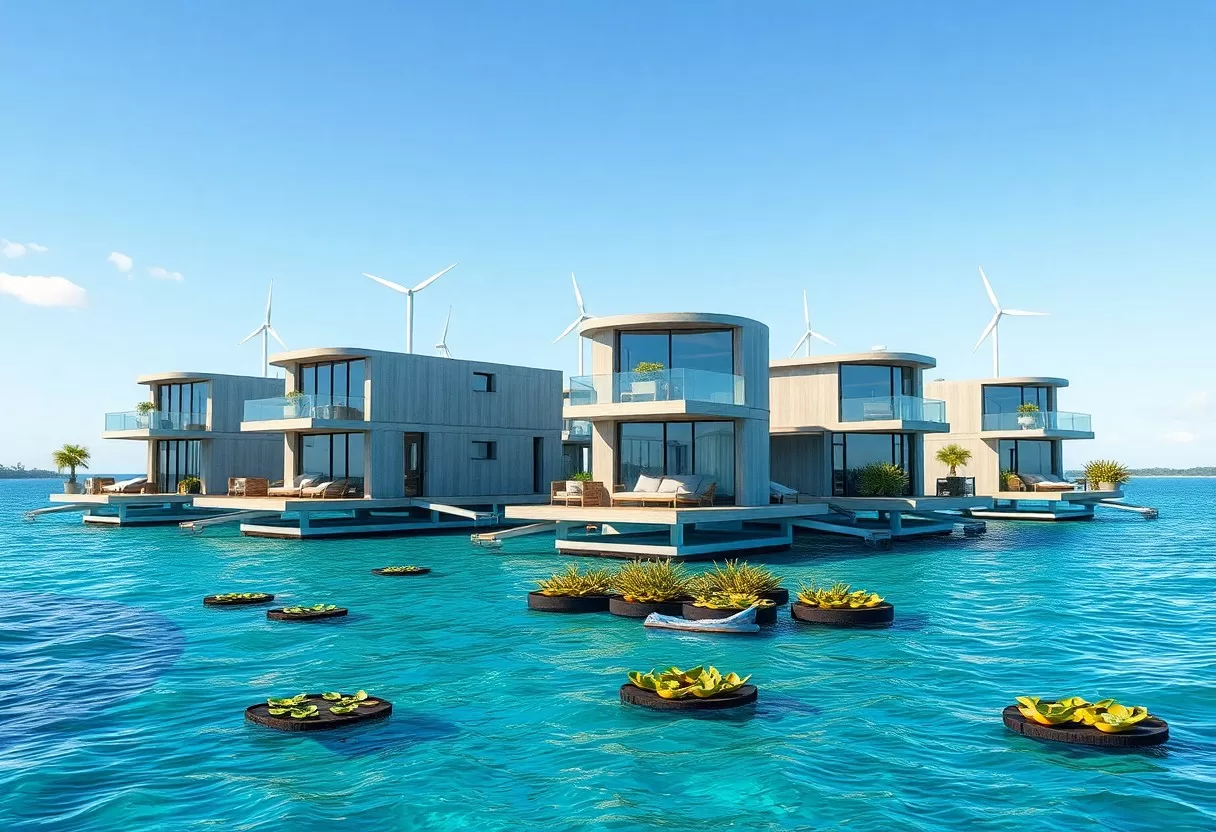
A floating house takes up no land and, with careful design, can disturb the shoreline less than building on filled or reclaimed ground. Many use efficient layouts and lower-impact materials to shrink their footprint further. For a closer look at how this works in the Netherlands, read Why the Dutch are turning to floating homes.
Reduced Carbon Footprint
A well-designed floating home can lower your carbon emissions through efficient energy use. Many designs combine solar panels, rainwater collection and good insulation, and their compact size means less space to heat and cool. Ask builders about insulation under the floor, because the water below keeps that surface cool for much of the year.
Resilience to Climate Change
These houses are built to cope with rising seas and more frequent flooding. Because the whole home floats, living spaces stay above the water line during a flood, and you avoid the water damage that land houses face. The mooring posts must be tall enough for the highest expected water level, so check that figure for your site before you buy.
Cities in flood-prone regions have built floating neighborhoods as part of their climate plans. Amsterdam and Rotterdam in the Netherlands are the best-known examples, using floating houses to add homes without taking up more land. Most are attached to steel or concrete posts with sliding collars, so the house moves straight up and down with the tide or a storm surge but can’t drift away. Floating homes are a forward-looking way to handle water, though they still depend on good shoreline planning and flood defenses around them.
Design Innovations
Floating home design is changing quickly. Architects focus on making the most of compact floor plans, cutting energy use and fitting the house into its waterfront setting. Weight and balance matter more than on land: heavy items like kitchens, bathrooms and water tanks have to be placed so the house floats level. Good designs also plan for movement, with flexible connections for water, power and sewage lines.
Sustainable Materials
Your floating home can be stylish and environmentally friendly at the same time, thanks to sustainable materials. Many builders use recycled or reclaimed products, such as salvaged wood and eco-friendly insulation, which cut waste and lower your carbon footprint. Materials also need to handle constant moisture, so choose rot-resistant timber, marine-grade fittings and finishes that won’t corrode in salty air. Bamboo and hempcrete are worth asking about, but check how each holds up in your climate.
Smart Technology Integration
Smart technology makes life on the water easier. You can control lighting, temperature and security from your phone, which is handy if you travel often. Rainwater collection and solar panels are now common, lowering utility costs and your environmental impact. Water-level and leak sensors are especially useful on a floating house, alerting you early if something changes below deck.
Smart home systems can also track water and energy use in real time and show where you’re wasting resources. Some can adjust heating, shading and ventilation based on the weather forecast, keeping you comfortable while saving energy. Seeing your daily use on a screen tends to change habits, which helps when you rely on a limited supply of rainwater or solar power. Keep backup batteries charged, since storms are exactly when power cuts are most likely.
Community and Lifestyle
Living on the water is about more than the house itself; it often creates a strong sense of community. Neighbors share docks, walkways and sometimes utilities, so you naturally get to know each other. That closeness helps in practical ways too: people keep an eye on each other’s moorings during storms and share tools, boats and know-how.
Social Dynamics of Water-Borne Living
Floating communities run on cooperation. Residents usually work together on shared concerns such as water quality, dock maintenance and waste collection. Many communities have an association that sets rules, collects fees for common areas and holds regular meetings. Before you buy, ask to see those rules and fees, because they affect everything from pets to how you can change the exterior.
Recreational and Cultural Aspects
Life on a floating home brings plenty of recreation, from kayaking and paddleboarding to fishing right off the deck. Many waterfront communities also hold local events that celebrate their maritime history, so there’s usually something to join. Keep life jackets handy and teach kids basic water safety, since the water is literally your front yard.
Some floating communities host festivals and markets built around maritime traditions, with local musicians, craftspeople and food vendors. Classes in sailing, boat maintenance or marine conservation are common in these places too. Joining in is one of the quickest ways to meet neighbors and learn the practical skills that make water living easier, from tying proper knots to checking your mooring lines after a storm.
Regulatory Challenges
Floating houses face real regulatory challenges in many coastal areas. Many local governments have no clear rules for homes on water, which can mean long approval processes and uncertainty for builders and buyers alike. Start by asking the local planning office and the authority that manages the waterway which rules apply.
Zoning and Legal Issues
Most zoning laws were written with land-based houses in mind, which can be a real barrier for anyone who wants to live on water. You may struggle to get a building permit if local land use plans don’t include water-based homes at all. The easiest route is often an existing marina or floating community that already has permits and mooring rights.
Environmental Regulations
Environmental rules are another hurdle. You’ll need to meet regulations on water quality, habitat protection and flood risk, and these vary a lot from one region to the next. In some places, several agencies share responsibility for the same stretch of water, so expect paperwork from more than one office.
Environmental rules shape how a floating house is designed and run, as well as how it is permitted. You may need measures to protect local plants and wildlife, such as avoiding shading sensitive shallow areas. Water quality rules usually require a sealed sewage connection to shore or an approved holding tank, which adds cost. Breaking these rules can bring fines or halt a project, so talk to environmental consultants early in planning.
Economic Viability
Cost and long-term value will decide how widely floating homes catch on. They reduce some climate risks and offer a different way to invest in waterfront property. As described in how the Dutch are turning to floating homes for a wetter future, cities like Amsterdam show that floating neighborhoods can work as part of normal urban planning and housing markets.
Market Trends and Demand
Interest in floating houses has grown as more people look for sustainable options and as climate concerns rise. Growing cities with little spare land are paying attention, because water offers space for new homes. More builders now work in this niche, so you have a wider range of designs to choose from than a decade ago. Still, it’s a small market, which can make resale slower than for a typical house.
Costs and Financing Options
Understanding costs and financing is a key part of planning. Prices vary widely depending on location, size, design and materials, and in popular areas the mooring spot itself can be a large part of the price. Remember the ongoing costs too: mooring or berth fees, insurance and float maintenance. Standard mortgages don’t always apply, but specialized lenders, and in some places grants for sustainable housing, may help.
To find financing, look for lenders that work with unusual properties like floating or marine homes. Some local governments also offer incentives for eco-friendly housing. Research what’s available in your area, since subsidies can lower your upfront cost. Get a specialist survey of the float and mooring before you buy, just as you would get a structural inspection on land.
Final Words
Floating homes are worth a serious look if you want sustainable coastal living. Done well, they keep a light footprint and bring you close to nature, with calm water views and daily contact with the seasons. This kind of housing adapts to rising water instead of fighting it. If the rules, costs and lifestyle fit your plans, a floating house could be a very good choice for your next home.
Climate-resilient home checklist
Tick what your home already has. Unchecked items show where storms, floods, fire or heat could hit hardest.
FAQ
Q: What are the environmental benefits of floating homes?
A: Floating homes minimize land use, preserve coastal ecosystems, and reduce urban sprawl. Their design can incorporate sustainable materials and technologies, leading to lower energy consumption and greenhouse gas emissions during operation. Furthermore, being on water can mitigate the impact of flooding, enhancing resilience against climate change.
Q: How do floating homes handle waste and utilities?
A: Floating homes are equipped with advanced waste management and utility systems designed to function efficiently on water. Many utilize composting toilets, which minimize water use, and greywater recycling systems to ensure water sustainability. Utilities like electricity can be sourced from renewable energy options such as solar panels, combined with battery storage systems.
Q: What lifestyle advantages do floating homes offer residents?
A: Living in a floating home provides unique lifestyle benefits, including stunning views and access to water-based activities such as fishing, kayaking, and swimming. The serene environment promotes well-being and a strong connection to nature. Additionally, many floating communities encourage a collaborative spirit, fostering close-knit relationships among residents.
Sketch your own floating home concept with our online 3D home design software.
Related Guides
