
Creating the Perfect Cozy Reading Nook in Your Home
A reading nook needs only a small corner, a comfortable seat, good light and a place for books. Window seats, alcoves and under-stair spaces all work. Here are reading nook ideas and the details that make a corner you will actually want to use.
Table of Contents
Key Takeaways:
- Pick a seat you can sink into for an hour, such as an oversized armchair, a deep window seat or a large floor cushion.
- Use warm, layered light: a reading lamp at your shoulder plus a softer lamp or string lights for mood.
- Add pillows, a throw and a soft rug for comfort, texture and a quieter room.
- Keep a shelf, basket or side table within arm’s reach so your current books and a drink are close by.
- Place the nook near a window for daylight and a view, but plan blinds or sheers to control glare.
Curating the Perfect Environment for Comfort
Comfort comes from good design choices and from making the nook your own. Mix colors, textures and practical features that suit how you read, whether you curl up sideways or sit upright with a notebook. Soft fabrics, a familiar scent and a stack of favorite books all help you settle in. When you choose each piece of furniture and decor with care, even a small, ordinary corner can become the spot you head to first when you have a free hour.
Choosing the Right Location
Where you put your nook matters as much as what goes in it. Look for a corner that gets good daylight, so you can read during the day without straining your eyes, and that sits away from the main flow of foot traffic. A quiet bedroom corner, a landing at the top of the stairs or a spot beside a living room window can all work. Even a little separation from TV and kitchen noise makes it easier to relax and concentrate.
Measure before you buy anything. A comfortable armchair needs a footprint of roughly 30 to 36 inches square, plus about 18 inches in front for your legs or an ottoman. A window seat should be about 18 inches high and at least 18 to 24 inches deep, which works with standard cushions. If you are short on floor space, look at alcoves, the area under a staircase or the end of a wide hallway. These overlooked spots often hold the best reading nook ideas in the house.
Optimizing Lighting for Ambiance
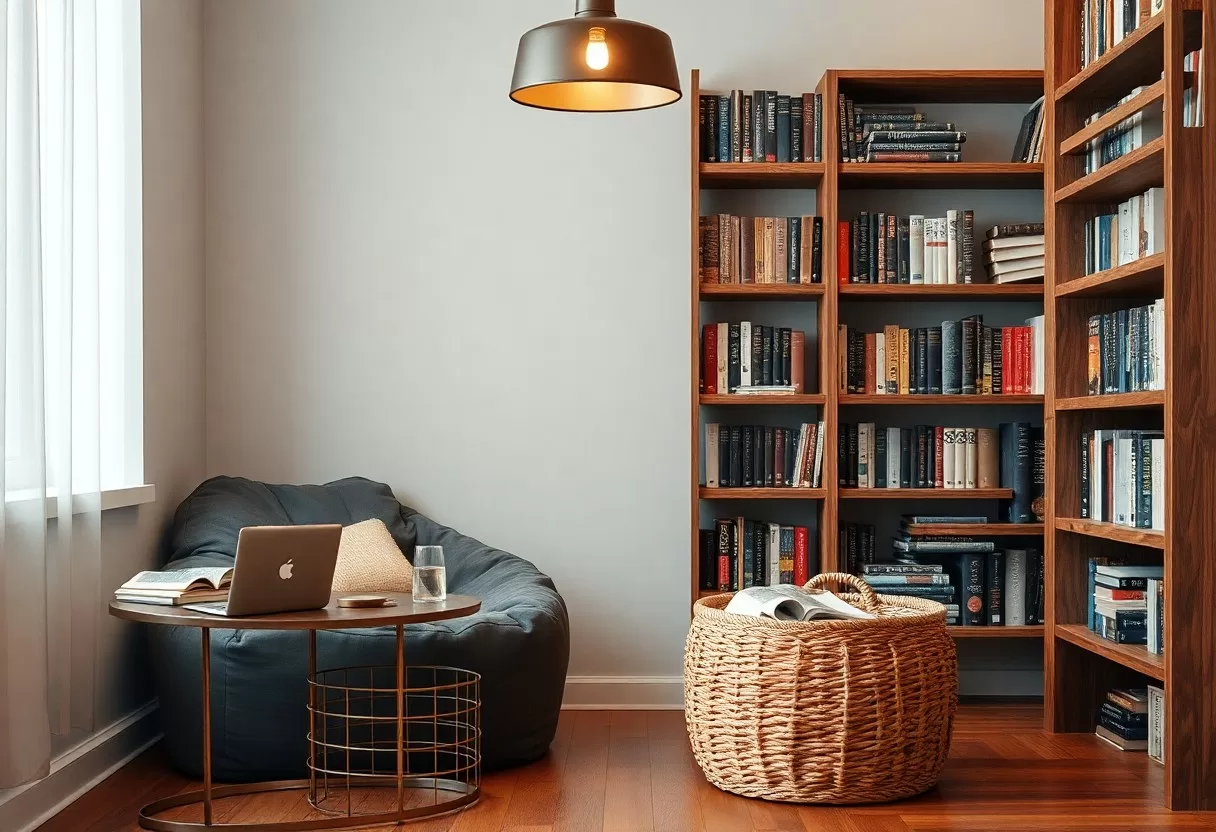
Lighting shapes the mood of your reading nook more than almost anything else. Combine a floor lamp or table lamp fitted with warm bulbs, around 2700 K, for a soft glow. An adjustable fixture lets you aim light right at the page, and a strand of string lights adds a playful touch in the evening. Avoid relying only on overhead lighting, which tends to cast shadows on your book and feels flat. Several light sources at different heights make the nook calmer and more interesting.
Layer your lighting on purpose. Start with general light from a floor lamp or ceiling fixture. Then add a task light, such as an adjustable floor lamp, a swing-arm wall sconce or a clip-on light, placed slightly behind and to the side of your shoulder so it shines on the page without glare. Finish with softer, indirect light from wall sconces or decorative lamps. Dimmers let you adjust brightness for the time of day or your mood, so the same corner works on a sunny afternoon and late at night.
Selecting the Ideal Furnishings
Furniture sets the feel of your reading nook, so choose pieces that are both useful and good-looking. Think about scale: an oversized sectional will crowd a small nook, while a dainty chair can look lost in a large room. Spend most of your budget on the seat, since you will feel its quality every day. Durable, easy-care fabrics and solid frames keep the nook comfortable and inviting for years.
The Ultimate Chairs: Comfort Meets Style
Your chair sets the tone for the whole nook. Choose one that supports you well, such as a recliner, a wingback armchair or a chaise lounge. Look for soft, breathable fabrics, generous cushioning and arms at a height that lets you rest your elbows while holding a book. Sit in it for at least 10 minutes in the store if you can. The right mix of comfort and style lets you sink in and stay put for a long chapter.
Essential Accessories for Relaxation
Accessories turn a cozy corner into a spot you will not want to leave. Add soft throws, a few pillows and a side table for your tea or coffee; a table about the same height as the chair arm is easiest to reach. A thick area rug adds warmth underfoot and absorbs sound, which makes the space quieter. Keep an adjustable lamp close by so late-night reading does not strain your eyes.
A small bookshelf or magazine rack keeps your current reads within reach and the space tidy. A diffuser or a scented candle can add a light, calming fragrance. Include a small basket for reading glasses, a bookmark, a notebook and a charging cable so you do not have to get up every few minutes. When you choose these extras with care, they add up to a relaxing, personal spot where it is easy to lose track of time with a good book.
Creating an Inviting Atmosphere
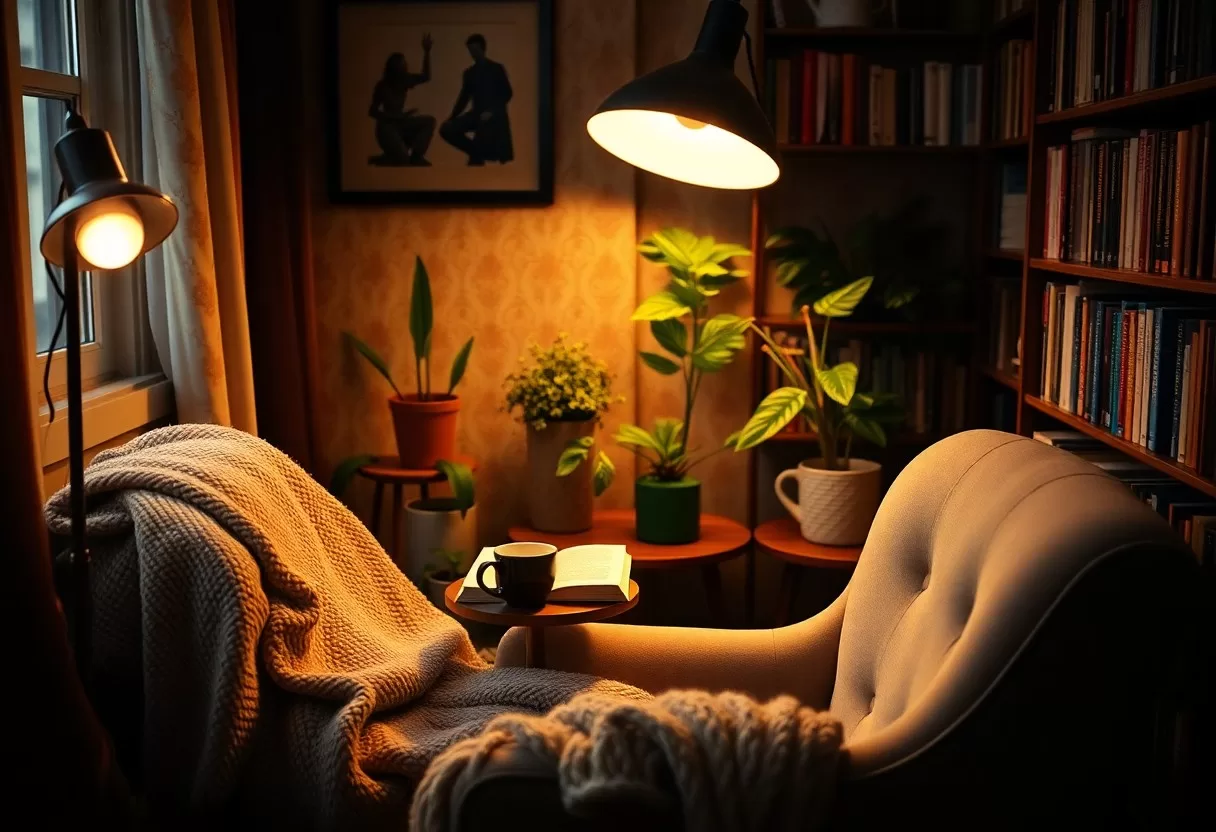
An inviting atmosphere affects both your mood and your focus. Soft light from lamps or candles creates a warm glow, while nearby bookshelves and a plant or two make the corner feel calm and lived-in. Add pieces that reflect your personality, such as art on the wall or a framed quote from a favorite book. In the end, atmosphere comes down to comfort and warmth, so the nook draws you back whenever you want to escape into a story.
The Role of Textiles and Color Schemes
Textiles and colors set the tone of your reading nook. Soft fabrics like velvet, cotton or wool in calm shades, such as muted blues, sage greens or warm earthy tones, help you relax. Mix textures for comfort and interest: a chunky knit blanket, embroidered pillows and a plush rug. Keep the palette fairly quiet, since busy patterns and very bright colors can feel distracting when you are trying to read. Soft cool colors tend to feel restful, while warm neutrals make a small corner feel snug.
Incorporating Aromatherapy for a Soothing Space
A pleasant scent can make your nook feel calm and welcoming. Many people enjoy diffusing essential oils such as lavender, chamomile or eucalyptus, or lighting a lightly scented candle while they read. Using the same scent each time creates a familiar, comforting cue that tells you it is time to slow down, and coming back to the nook becomes a small ritual you look forward to.
If you like scent, a good-quality essential oil diffuser or well-made candles are worth the cost. Many people find lavender or bergamot relaxing in the evening and prefer something brighter, like peppermint or citrus, during the day. Scent is personal, so test a few and keep it light; a strong fragrance in a small space can cause headaches. Never leave a candle burning unattended, keep it away from curtains and paper, and choose a battery-powered candle if you tend to doze off with a book.
Personalizing Your Nook with Thoughtful Details
Personal details make the nook yours rather than just another chair in the corner. Add things that mean something to you, such as a favorite throw blanket or artwork that suits your style. Mix textures, like a warm wool blanket against smooth wooden accents, for visual interest and comfort. A small plant adds life; pothos and snake plants handle lower light well. Items that bring back happy memories make the space feel personal and restful.
Adding Personal Touches Through Decor
Decor is your chance to show your personality. Choose items that make you happy, such as framed photos from favorite trips or prints of authors you love. You might pick cushions in calming colors or a distinctive bookshelf that doubles as storage and a focal point. Keep surfaces fairly clear, though; a few meaningful pieces look better and feel calmer than a crowded shelf, and they leave room for the books themselves.
The Importance of Book Selection and Organization
Books are the heart of your reading nook, so choosing and arranging them matters. Build a collection around the genres and subjects you love. Organize them in a way that makes sense to you, by color, author or theme, so the shelf is both practical and nice to look at. A clear system makes it easy to grab a favorite or spot something new. Keep your to-be-read pile on the top shelf or a side table so the next book is always waiting.
Giving your books a place of honor shapes the whole feel of the nook. Picture a shelf with your treasured novels next to a few lesser-known titles you want to try. A mix of classics and contemporary books can spark ideas for what to read next. Rotate titles with the seasons or your mood, such as mysteries in autumn and light fiction in summer, to keep the space fresh. Over time the shelf becomes a collection that is clearly your own.
Establishing Routine and Rituals
Building your reading nook is just the beginning; a simple routine makes it part of daily life. Regular reading habits make it easier to settle into a story. Set aside a specific time each day, such as a morning coffee with a book or a quiet half hour before bed. Starting or ending the day with a few pages reinforces the habit and turns your nook into a favorite part of the house.
Designing Reading Habits That Stick
To build reading habits that stick, choose a daily page count or time goal that feels achievable. It could be as simple as 10 pages a day or 20 minutes before bed. Track your progress in a reading journal or an app; watching a streak grow gives you a sense of accomplishment and keeps you going. Pairing reading with a cue you enjoy, like a warm drink or soft instrumental music, strengthens the routine.
Integrating Your Nook into Daily Life
Your reading nook should fit easily into your daily routine. Put it somewhere you pass often and can reach without effort. Keep a shelf or basket of current titles nearby to encourage spontaneous reading. Small habits help too: open the curtains in the morning for daylight and leave a soft blanket folded on the chair so the nook is always ready.
Using your nook every day means making it easy to see and easy to use. If you do not need total quiet, a corner of the living room or a spot near the kitchen keeps it in view and reminds you to read. Swap the books on display now and then to spark your interest. You can also host relaxed reading afternoons with friends or play soft nature sounds in the background. When the nook is part of your day, reading becomes a natural habit rather than a chore.
Room lighting calculator
Find how many lumens a room needs and how to split them into layers.
Conclusion
Designing a cozy reading nook comes down to a few choices: a comfortable seat, the right light and decor that feels like you. With those in place, a single corner can become a dependable spot for rest and a good story. Use the reading nook ideas above as a starting point, add things that inspire you, and adjust as you learn how you like to read. Most of all, enjoy putting together a space that makes you happy.
FAQ
Q: What are the essential elements to consider when designing a cozy reading nook?
A: To create the perfect cozy reading nook, focus on these essential elements:
1. Comfortable Seating: Choose a plush armchair, a loveseat, or even a chaise lounge.
2. Lighting: Combine a focused reading lamp with soft, warm lighting such as table lamps or string lights to set a calm mood.
3. Shelving: A nearby bookshelf or wall-mounted shelves can store your favorite books, adding both convenience and character.
4. Textiles: Add soft throws, cushions, and rugs to increase comfort and warmth.
5. Personal Touches: Include decorative items that reflect your personality, like framed photos, plants, or artwork.
Q: How can I choose the right location for my reading nook?
A: Choosing the right location for your reading nook matters. Look for a quiet corner of your home that is free from distractions. Spaces near windows let you take advantage of natural light during the day. If you want a more secluded feel, choose a corner away from high-traffic areas. Also think about how close you want to be to your book collection, since having books within reach makes the nook easier to use.
Q: What types of lighting work best for a reading nook?
A: The ideal lighting for a reading nook is soft and adjustable. Options to consider include:
1. Floor Lamps with Adjustable Arms: These allow you to direct light precisely onto the page.
2. Table Lamps: Placing them on side tables within arm’s reach provides a cozy glow.
3. Wall Sconces: If space is limited, fixtures mounted on the wall can save room while providing good task lighting.
4. String Lights: Add a warm ambiance without overwhelming brightness.
Choose warm white bulbs of around 2700 K for a relaxed, cozy feel, and make sure the reading lamp is bright enough to read without straining your eyes.
Q: How can I incorporate additional storage in my reading nook?
A: There are several creative ways to incorporate storage in your reading nook:
1. Bookshelves: Freestanding or built-in bookshelves can house your collection efficiently.
2. Storage Ottomans: Dual-purpose furniture like ottomans can provide extra seating as well as hidden storage for books and blankets.
3. Baskets: Use decorative baskets to hold magazines, remote controls, or other reading materials within reach.
4. Floating Shelves: These can be installed above seating areas, minimizing floor space while showcasing decorative items and books alike.
Q: What accents can enhance the coziness of my reading nook?
A: To make your reading nook even cozier, consider adding the following accents:
1. Soft Textiles: Add a plush throw blanket and decorative pillows in various textures.
2. Plants: Greenery, such as a trailing pothos or a fern, brings a fresh, natural look.
3. Artwork: Hang your favorite framed prints or create a gallery wall to personalize your space.
4. Scented Candles or Diffusers: Choose soothing scents you enjoy, and never leave candles burning unattended near books or fabrics.
By combining these elements, you can design a space that feels inviting and perfectly suited to long hours of reading.
Fit a reading nook into any room with the free 3D room designer.
Related Guides
